Plot Explained Spoilers guaranteed!
Plot Explained

Browse by genre

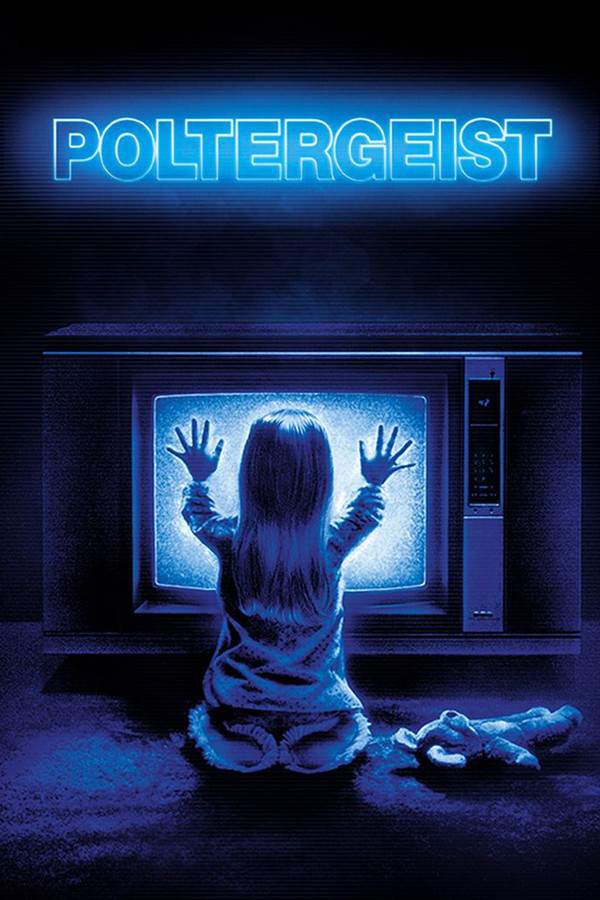
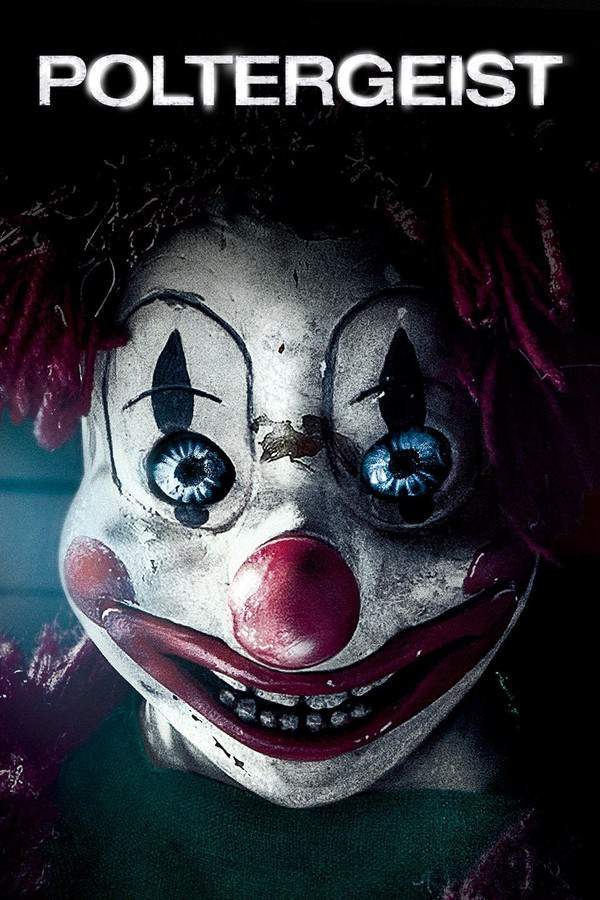
Poltergeist (1982) movie poster

Plot Summary

Poltergeist (1982) Plot Summary Explained

Release, runtime and language
1982 · 114 min · English
JustWatch #539 82
Directed by
Tobe Hooper
Starring
JoBeth Williams, Heather O'Rourke

A peaceful existence for the Bowen family is shattered when their youngest daughter, Maddy, begins communicating with a mysterious presence. Strange occurrences escalate, and when Maddy disappears, her parents, Eric and Amy, must enlist the help of paranormal experts. They soon discover a terrifying supernatural realm and confront malevolent spirits to rescue their child and restore balance to their home.

On this page (6)
  1. 1 Where to watch
  2. 2 What happens: full plot
  3. 3 Plot questions answered
  4. 4 Movie threads
  5. 5 Movies like Poltergeist
  6. 6 Every angle

Where to watch

Where to Watch Poltergeist (1982)

Where can you watch Poltergeist? Stream, rent or buy it in the US, including on AMC, Amazon Video and Apple TV Store: current JustWatch availability with up-to-date prices.

Streaming availability powered by JustWatch

Full plot summary · contains spoilers

What Happens in Poltergeist: Full Plot Summary

The whole story of Poltergeist (1982) explained, from the opening scene to the final frame: every key event, every twist and what it all adds up to. Read it as a quick recap before the sequel, to check a scene you missed, or to finally understand what really happened.

In the suburban haven of Cuesta Verde, California, the Freeling family enjoys the comforts of modern living. Steve Freeling (played by Craig T. Nelson) is a thriving real estate agent, whose world revolves around his wife, Diane (JoBeth Williams), and their three children: Dana (Dominique Dunne), teenage daughter, and her two preteen siblings, Robbie (Oliver Robbins) and Carol Anne (Heather O'Rourke).

Life takes a peculiar turn when Carol Anne starts sleepwalking and engaging in cryptic conversations with an unresponsive television set. The family's tranquility is shattered further when their pet bird tragically dies, prompting a somber burial service. That night, as Carol Anne wakes again, she speaks to the television, only to have a mysterious force penetrate the screen, resulting in a violent quake felt only by the Freelings. The chilling realization comes when Carol Anne eerily announces, “>They’re here.”

The following breakfast is marred by strange occurrences, with glasses shattering and cutlery bending seemingly without explanation. When Diane inquires about the identity of "they," Carol Anne innocently responds, “The TV people.” Initially, the supernatural forces engage in harmless antics that amuse Diane, such as rearranging the kitchen chairs. However, the antics escalate dramatically—on what seems like an ordinary night, a thunderstorm awakens a malicious tree, seizing Robbie through their bedroom window. But this aberration is merely a ploy by the supernatural entities, meant to keep Carol Anne’s parents distracted.

As Carol Anne is pulled through her closet into another dimension, Steve rescues Robbie, only to discover Carol Anne is missing. Anxiously, they scour their home while strange noises from the television lead them into a state of alarm. Desperate, Steve enlists the help of parapsychologists from UC Irvine, led by Dr. Lesh (Beatrice Straight), who are astounded by the manifestations they witness in the Freeling home. The team is overwhelmed by the paranormal phenomena they experience as toys float and laughter echoes throughout the children's room.

The parapsychologists bring forth enlightening information about the disturbance, explaining the distinctions between a poltergeist and a haunting. After witnessing several unsettling episodes, including Carol Anne communicating through the television, the team decides they require more assistance. Unable to bear the mounting tension, Dana seeks refuge with friends, while Robbie is temporarily sent to stay with his grandmother for safety.

The plot thickens when Steve learns from his boss, Teague (James Karen), that their housing community was built over an ancient burial ground—an act that deeply disturbs him, expressing, “>that’s sacrilegious.” With heightened awareness of the spirits that linger in their home, they are introduced to Tangina Barrons (Zelda Rubinstein), a psychic medium who reveals that Carol Anne's unique energy has drawn confused spirits, further complicated by the presence of a malevolent entity preying on her newfound connection.

As a plan forms to navigate the portal within the children’s bedroom closet, Diane insists on being the one to retrieve Carol Anne, believing she will only respond to her mother. As Diane bravely ventures into the other realm, chaos ensues, resulting in a heart-stopping confrontation with the Beast, the manifestation of pure malice that triggers a harrowing climax. After a dramatic sequence of events, Diane manages to return with Carol Anne, though the ordeal leaves both of them shaken—Diane's hair, now streaked with grey, is a testament to their trials.

With the supernatural turmoil still unresolved, the final night in their home reveals increasing danger. The horrifying entity retaliates, endangering the children and forcing Diane to confront unimaginable terror when the now sentient clown doll ensnares Robbie. As grotesque images and noises stem from the house, Diane bravely fights through the chaos to rescue her kids amid a storm of horrific happenings that explode from the ground below.

In a dramatic standoff, Steve arrives with Teague just in time to witness the carnage caused by these awakened spirits. In a fit of realization about the moral debacle of their housing project, fueled by righteous anger, Steve denounces Teague as the chaos reaches its zenith. As the family narrowly escapes the malevolent grasp of the entity, the house itself implodes, drawn into a dimension from which it can never return.

Exhausted and profoundly scarred from their experiences, the Freeling family seeks solace in a hotel, carefully casting aside the ominous television set, determined to never again cross paths with the unexplained horrors that lurked in their once-happy home.
Last updated: November 03, 2024 at 11:54

Was this helpful?

Plot questions answered

Poltergeist Plot Explained: Your Questions Answered

The questions people ask most about Poltergeist (1982): what happens in the confusing scenes, why the characters do what they do, the twists, hidden details and what the ending means. Each answer contains spoilers.

Q1

Why was the house built over a burial ground?

Steve's boss Teague reveals that the Cuesta Verde housing development was built over an ancient burial ground. This explains why the spirits are so agitated, their resting place was disturbed to make way for suburban homes. Steve is deeply disturbed by this revelation, calling it sacrilegious, and this knowledge ultimately drives his confrontation with Teague during the climax.

  • burial ground
  • teague
  • construction
  • spiritual disturbance
Q2

Why was Carol Anne targeted by the spirits?

Tangina Barrons explains that Carol Anne possesses a unique spiritual energy that drew confused spirits to her. This energy is what made her the focal point of the poltergeist activity, ultimately allowing the malevolent entity to pull her into the other dimension through her closet.

Foreshadowing: Carol Anne's early conversations with the TV and her mysterious announcement 'They're here' hint at her special sensitivity.

  • carol anne
  • spirits
  • energy
  • tangina
  • targeted
Q3

What is the Beast in Poltergeist?

The Beast is the main malevolent entity in the film, a manifestation of pure malice that inhabits the other dimension. It is the force ultimately responsible for Carol Anne's abduction and the most dangerous spirit the family faces. Diane encounters it directly when she enters the other realm to rescue her daughter.

  • beast
  • malevolent entity
  • dimension
  • evil
Q4

Why did the tree attack Robbie?

The tree attack was a deliberate diversion orchestrated by the supernatural forces. While the family was distracted trying to save Robbie from the tree reaching through his bedroom window, the entities successfully pulled Carol Anne through her closet into the other dimension. The attack was a calculated tactic to separate the children.

  • robbie
  • tree attack
  • diversion
  • strategy
Q5

Why did Diane's hair turn grey after rescuing Carol Anne?

Diane's hair turning grey is a visual representation of the extreme psychological and emotional toll the ordeal took on her. After directly confronting the Beast in the other dimension and barely escaping with Carol Anne, the traumatic experience visibly aged her, symbolizing the severe strain and terror she endured.

  • diane
  • grey hair
  • trauma
  • aging
Q6

Why couldn't the parapsychologists rescue Carol Anne themselves?

The parapsychologists from UC Irvine, led by Dr. Lesh, lacked the specialized spiritual abilities needed to enter the other dimension. They could observe and document the paranormal activity but were not psychically equipped to navigate the portal and confront the malevolent forces directly. Only someone with a direct emotional bond to Carol Anne, her mother Diane, could successfully retrieve her.

  • dr lesh
  • parapsychologists
  • rescue
  • uc irvine
Q7

What caused the house to implode at the end?

The house was drawn into the same other dimension from which the spirits originated. As the supernatural entity's power intensified during the climactic confrontation, the boundaries between dimensions weakened, causing the house to collapse inward and vanish into the spiritual realm. This represents the final victory of the paranormal forces over the physical world the Freelings inhabited.

  • house
  • implosion
  • dimension
  • collapse
Q8

Why did the clown doll attack Robbie?

The clown doll represents the escalating malevolence of the poltergeist activity. As the entity's power grew, it began manifesting through increasingly dangerous and violent means. The attack on Robbie occurred during the final night when the family was still in the house, demonstrating how the supernatural forces were actively trying to harm the children.

  • clown doll
  • robbie
  • attack
  • toy
Q9

What is the difference between a poltergeist and a haunting in the movie?

The parapsychologists explain that a poltergeist is characterized by recurring, noisy disturbances, objects moving, sounds, and physical manifestations, driven by agitated energy, typically without a specific entity attachment. A haunting involves a specific spirit or entity remaining in a location. In Poltergeist, the activity begins as poltergeist-like disturbances but evolves into a full haunting once the malevolent Beast becomes directly involved.

  • poltergeist
  • haunting
  • parapsychologists
  • difference
Q10

What did Carol Anne mean by 'the TV people'?

Carol Anne was referring to the spirits trying to communicate with her through the television. When she sleepwalked and spoke to the unresponsive TV, she was actually interacting with confused spirits who were using the television as a portal. Her eerie announcement 'They're here' was a warning that the spirits had found a way into their home through the electronic device.

  • tv
  • television
  • spirits
  • communication
  • carol anne
Q11

Why did the family leave the TV behind at the hotel?

The television was the primary portal through which the spirits first connected with Carol Anne and entered their home. It symbolized their trauma and the source of their torment. By deliberately leaving it behind, the Freelings aimed to sever all ties with the supernatural horror they experienced, symbolizing their commitment to moving on from the traumatic events.

  • television
  • hotel
  • escape
  • symbolism

Movie threads

More Movies Like Poltergeist, by Mood & Story

Curated lists built around what makes Poltergeist tick: the same mood, the same kind of story or the same emotional payoff. Each list explains why these movies belong together.

Family horror siege movies like Poltergeist

Stories where the safety of the home is breached by terrifying supernatural forces. If you liked Poltergeist, you'll find similar movies here where supernatural forces invade a family home. These films feature paranormal threats, desperate parents, and a fight for survival in a familiar setting turned terrifying, creating movies like Poltergeist in tone and theme.

  • frightening
  • claustrophobic
  • desperate
  • uncanny
  • eerie
  • oppressive
  • Tone: tense, frightening, desperate
  • Pacing: variable, slow build to fast-paced climax
Why these movies?

The story pattern: The narrative typically begins with a family in a state of normalcy, which is gradually shattered by inexplicable phenomena. The threat escalates from subtle disturbances to direct, dangerous attacks, often targeting children. The story follows the family's desperate attempts to understand and combat the entity, usually culminating in a final, chaotic confrontation to reclaim their home and loved ones.

Why they belong together: Movies in this thread share a core focus on shattering domestic tranquility with supernatural horror. They feature similar tones of high tension and desperation, a pacing that builds from eerie mystery to frantic action, and a heavy emotional weight centered on family protection and child endangerment.

Bittersweet paranormal victory movies like Poltergeist

Stories where confronting supernatural evil leaves deep, lasting scars. Find movies similar to Poltergeist where characters survive a paranormal ordeal but are left scarred. These stories involve paranormal investigation, high-stakes rescue missions, and bittersweet endings where safety comes at a great personal cost, perfect for fans of Poltergeist.

  • terrifying
  • desperate
  • eerie
  • uncanny
  • psychological trauma
  • oppressive
  • Tone: tense, heavy, bittersweet
  • Pacing: variable, investigative build
Why these movies?

The story pattern: The plot structure involves a call to action spurred by a supernatural crisis, leading to an investigation phase where the nature of the threat is uncovered. This builds to a high-intensity confrontation where the evil is battled or contained. However, the resolution is bittersweet; the characters escape or win, but they carry the psychological and physical scars of the encounter, their previous sense of security permanently shattered.

Why they belong together: These films are grouped by their shared narrative arc of investigation and costly resolution, a tone blending high tension with profound melancholy, and a bittersweet ending feel. They consistently feature heavy emotional weight, focusing on the lasting trauma inflicted by supernatural experiences rather than a clean, happy conclusion.

If you liked this

Movies Like Poltergeist

Similar movies to Poltergeist: the same genre, themes or kind of story. Each one comes with its own plot summary, timeline and ending explained.

Browse all movie summaries

Every angle

Poltergeist (1982) Explained: Plot, Timeline & Characters

Everything about Poltergeist in one place: what happens in the plot summary, the timeline in chronological order, the characters and meaning and a spoiler-free summary. What's After the Movie adds the cast, box office and post-credit scenes.

Coming soon on iOS and Android

The Plot Explained Movie Summary App

Plot summaries, endings explained and timelines on your phone. Catch up on any movie in minutes, save your favorites and never miss a twist again.

Be the first to know when we launch. Your email stays private, always.

Learn more about the app