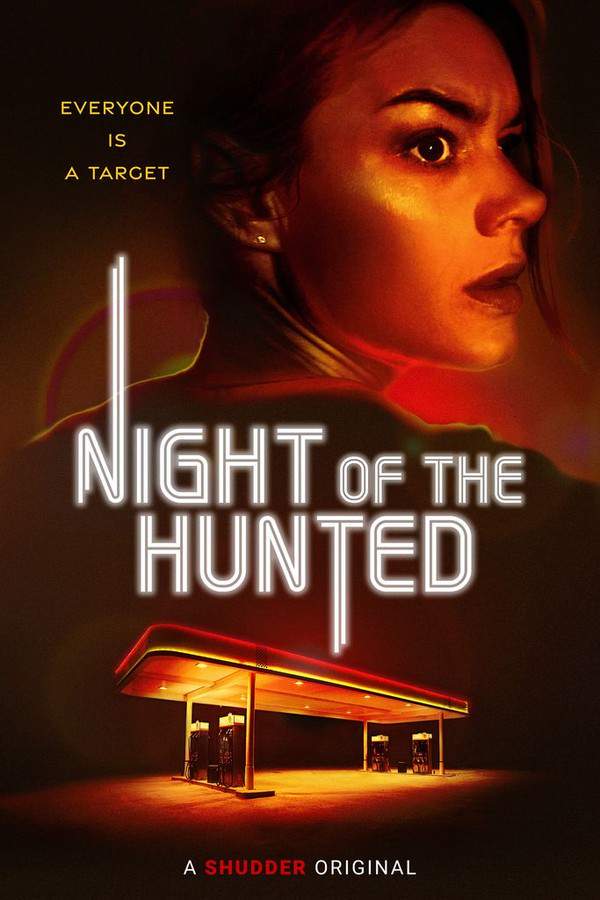
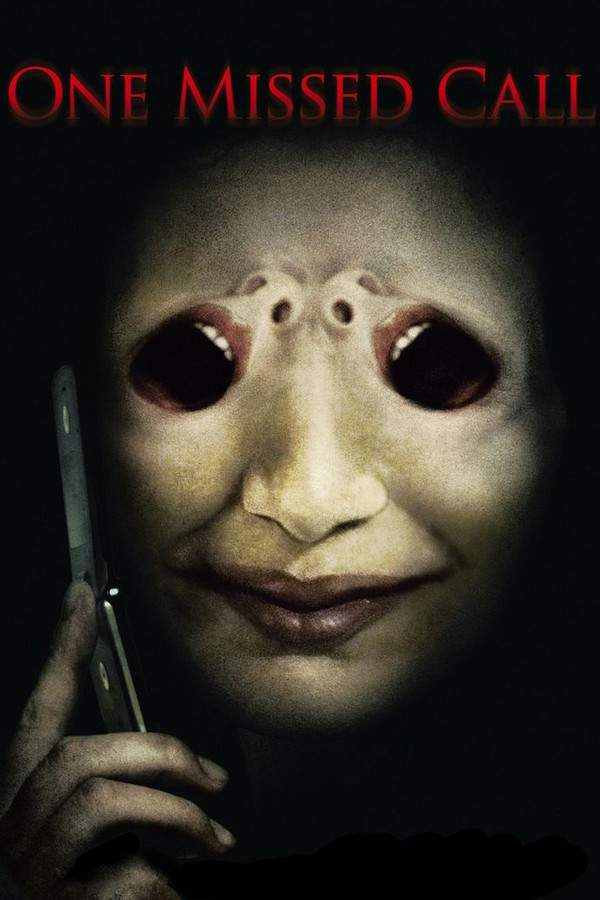
Julia Jenz arrives at Dr. Schifrin's house for a routine babysitting gig. Soon after the parents leave, a mysterious man knocks on the door, claiming his car is broken and asking to come inside to use the phone. Julia refuses him admittance, but offers to call the auto club. The phone is dead, and to prevent revealing this detail, she lies and says she already called the auto club. The auto club never arrives, and the man returns again and again, begging for help. Julia hopes he’ll simply leave, yet the conversations grow increasingly tense and sinister. As she moves through the shadowy rooms of the house, she senses that something is not right—someone is inside. The intruder is eventually seen in the house, and Julia narrowly escapes, leaving the scene with a racing heart. In the wake of the confrontation, the truth becomes heartbreakingly clear: the children Julia was hired to watch were abducted, and they were never found or heard from again.
Five years pass, and Julia has become an introverted college student, her nerves forever frayed by the trauma she survived. The haunting disturbances persist in her apartment, and she becomes convinced that the long-ago intruder is stalking her even now. The sense of danger only deepens as the fear edges toward paranoia, blurring the line between reality and memory.
Enter Jill Johnson, now a counselor at the college, who offers a steady hand to help Julia confront the lingering trauma and the present-day fear. She reaches out to John Clifford to come to Julia’s aid and help unravel who might be stalking her. Jill supports Julia in taking practical precautions, including purchasing a gun for protection, and she teaches her how to use it with careful, careful guidance. The bond between them grows as Jill’s empathy and practical planning clash with Julia’s lingering dread.
With Jill’s encouragement, Julia begins to put some distance between herself and the danger she imagines, choosing to stay with Jill for safety rather than face the apartment alone. As the investigation develops, Jill and John revisit the old case and theorize that the stalker may be a ventriloquist who can throw his voice, the same trick that allowed the original kidnapper to seem outside Julia’s window when he spoke to her years ago. Their deductions sharpen the tension: if the perpetrator has learned to blend into the spaces around them, Julia’s sense of safety becomes an illusion.
The case takes a dramatic turn when Julia suffers a self-inflicted gunshot wound to the head while at her apartment. She survives, but the wound leaves her in a coma. Jill vows to track the stalker and protect Julia, even as the danger seems to close in from every side.
John closes in on the suspected abductor, tracing him to a club where the man performs as a ventriloquist, precisely the talent the investigators suspected. Yet the culprit gets away in that moment, slipping back into the night. John does not give up; he follows a trail to the perpetrator’s home and discovers unsettling evidence—the pictures of Julia in the hospital and of Jill’s apartment, testimony to the danger that has haunted them across years.
Back at Jill’s apartment, the tension erupts. A carton of juice bearing the faces of the abducted children appears, and the taunting perpetrator, now wearing makeup that lets him disappear against the walls, launches a brutal attack. Jill is shot, and John arrives just in time to shoot and kill the intruder, ending the immediate threat.
In the aftermath, Jill lies recovering in the hospital while Julia remains in a coma in another room. When Jill is wheeled to Julia’s room, a moment of quiet reunion unfolds—the two women, connected by fear and resilience, share the hope that Julia may wake and reclaim the life that was interrupted years before. The story closes on a note of cautious relief, rooted in the fragile possibility of healing and the enduring bond between the two survivors.