














Plot Explained Spoilers guaranteed!
Plot Explained

Browse by genre

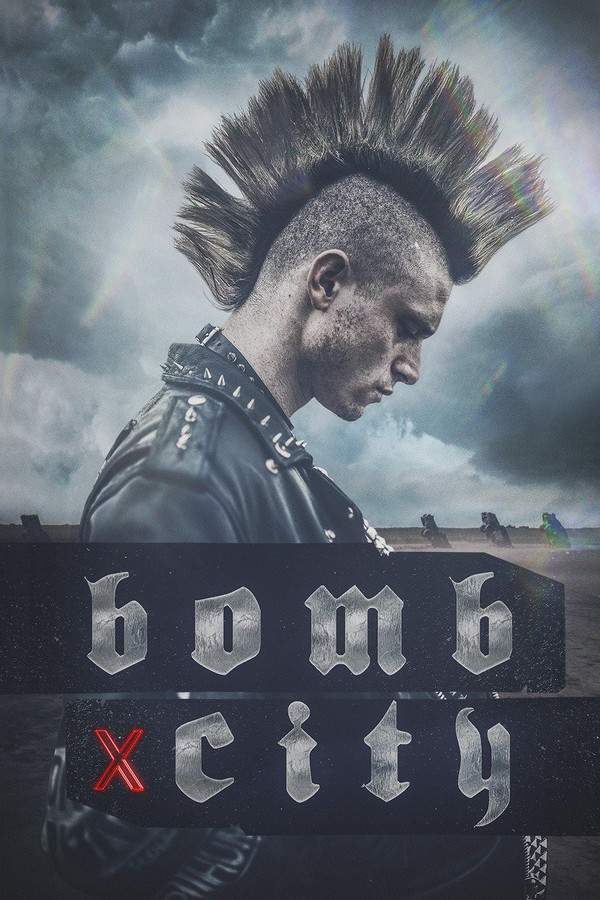
Bomb City (2018) movie poster

Timeline

Bomb City (2018) Timeline Explained – Every Event in Order

Release, runtime and language
2018 · 95 min · English
Echo score 78
JustWatch #8,687 273
Directed by
Jameson Brooks
Starring
Dave Randolph-Mayhem Davis, Lorelei Linklater, Logan Huffman, Dominic Ryan Gabriel, Eddie Hassell, Glenn Morshower

A tense thriller set in a small Texas town, the film explores the escalating conflict between a group of rebellious punks and the town’s wealthy elite. When a brutal hate crime occurs, it ignites a struggle for justice and a fight to protect the community's self-expression, revealing deep divisions and simmering resentments within the town.

On this page (6)
  1. 1 Where to watch
  2. 2 Events in order (12)
  3. 3 Timeline questions answered
  4. 4 Movie threads
  5. 5 Movies like Bomb City
  6. 6 Every angle

Where to watch

Where to Watch Bomb City (2018)

Where can you watch Bomb City? Stream, rent or buy it in the US, including on Amazon Prime Video, Hoopla and Kanopy: current JustWatch availability with up-to-date prices.

Streaming availability powered by JustWatch

12 events in order · contains spoilers

Bomb City Timeline: Events in Chronological Order

Every key event of Bomb City (2018) in order, scene by scene, with when and where it takes place. Use it to untangle flashbacks, time jumps and parallel storylines, to refresh your memory before the sequel or to find the exact scene you are thinking of.

  1. Brian Deneke's Passion for Punk

    Brian Theodore Deneke, born on March 9, 1978, became a passionate musician and promoter in the punk rock scene of Amarillo, Texas. His dedication to DIY principles and the punk ethos built a thriving community around his venue, serving as a refuge for those seeking self-expression.

    Where
    Amarillo, Texas
  2. Escalating Tensions

    In the months leading up to December 12, 1997, a rift developed between brian's punk rock friends and the jocks from the Tascosa Rebels High School football team. This tension was fueled by underlying cultural differences and the conservative values prevailing in Amarillo, leading to increasing confrontations.

    Where
    Amarillo, Texas
  3. The Fateful Night

    On December 12, 1997, tragedy struck when Brian Deneke, just 19 years old, became the victim of a hit-and-run incident. He was struck by Dustin Camp, a troubled 17-year-old, in an act that would send shockwaves through the local punk community.

    When
    December 12, 1997
    Where
    Amarillo, Texas
  4. The Punk Community's Outrage

    The news of Brian's death reverberated through the punk rock community, sparking outrage and disbelief among his friends and allies. They gathered to mourn, sharing stories of Brian's impact and the joy he brought to their lives through music.

    Where
    Amarillo, Texas
  5. Investigation Begins

    As authorities began their investigation into the hit-and-run, many within the punk community expressed concerns over the perceived lack of urgency and care by law enforcement. It quickly became apparent that justice for Brian was not a priority for the authorities.

    Where
    Amarillo, Texas
  6. Culture of Victim-Blaming

    During the investigation, an unsettling culture of victim-blaming emerged, which devastated Brian's friends and supporters. They felt the police and media were questioning Brian's lifestyle instead of seeking justice for his tragic death.

    Where
    Amarillo, Texas
  7. Trial of Dustin Camp

    The trial of Dustin Camp, the driver responsible for Brian's death, became a media spectacle that highlighted the disparities between the punk community and the dominant social norms. Many were left frustrated as the proceedings raised more questions than provided answers.

    Where
    Amarillo, Texas
  8. Community Vigil

    In response to Brian's death, the punk community organized a vigil to honor his life and legacy. This gathering not only served as a memorial but also as a platform for raising awareness about the challenges faced by subcultures in conservative areas.

    Where
    Amarillo, Texas
  9. Aftermath of the Incident

    Following the trial, many in the punk scene expressed feelings of betrayal and anger towards the justice system. The community felt an intense pressure to rethink their place in Amarillo's socio-political landscape, which often marginalized their values.

    Where
    Amarillo, Texas
  10. Reflections on Brian's Life

    In the aftermath of the tragedy, friends and fellow musicians reflected on Brian Deneke's impact on their lives. His unwavering love for punk rock and his commitment to community inspired many to continue promoting individuality and self-expression, despite societal pressures.

    Where
    Amarillo, Texas
  11. Cultural Impact

    Brian's story became emblematic of the struggles faced by marginalized communities, leading to broader discussions about conformity and expression in small-town America. This narrative inspired many to stand up against societal norms that suppress individual identity.

    Where
    Amarillo, Texas
  12. Legacy of the Punk Scene

    In the years following Brian's death, the punk community in Amarillo continued to grow, often using music as a means of protest and a platform for social change. Brian's legacy inspired new generations to embrace their identity and fight for their right to be heard.

    Where
    Amarillo, Texas

Last updated: November 22, 2024 at 15:25

Was this helpful?

Timeline questions answered

Bomb City Timeline Explained: Your Questions Answered

When does it happen, and why in that order? The questions people ask about the chronology of Bomb City (2018): time jumps, flashbacks, cause and effect between scenes and the correct order of events, each answered with spoilers.

Q1

Why was Brian Deneke targeted in the attack?

Brian Deneke was targeted specifically because of his identity as a punk rocker. The attackers, associated with the Tascosa Rebels football team, viewed punk subculture as threatening to the conservative values of Amarillo. His distinctive appearance and association with the marginalized punk community made him a target for violence, making this a hate crime motivated by prejudice against nonconformists.

Foreshadowing: Earlier scenes showed escalating tensions between the punk rockers and the football jocks, with confrontations occurring in the weeks leading up to the incident.

  • brian deneke
  • punk
  • hate crime
  • attack
  • target
Q2

Who was responsible for killing Brian Deneke?

Dustin Camp, a 17-year-old resident of Amarillo, was the driver responsible for killing Brian Deneke. Camp deliberately struck Brian with his car in a hit-and-run on December 12, 1997. Camp was subsequently charged with murder, though the charges and subsequent trial became highly controversial.

  • dustin camp
  • hit-and-run
  • murderer
  • brian deneke
Q3

Why was Dustin Camp's sentence considered inadequate?

Dustin Camp received a sentence that many viewed as disproportionately lenient given the circumstances of Brian's death. The trial highlighted deep disparities between the punk community and the town's dominant social hierarchy. Camp was ultimately sentenced to probation and a small fine rather than significant prison time, leading to widespread outrage and a sense that the justice system failed to hold him accountable for intentionally killing a member of a marginalized subculture.

  • dustin camp
  • sentence
  • verdict
  • justice system
  • probation
Q4

What happened on the night of December 12, 1997?

On December 12, 1997, 19-year-old Brian Deneke was struck by a car driven by 17-year-old Dustin Camp in what authorities classified as a hit-and-run. Brian sustained fatal injuries and died at the scene. The attack was not a random accident but an intentional act, with witnesses reporting that the vehicle deliberately swerved toward Brian before fleeing the scene.

  • december 12 1997
  • hit-and-run
  • brian deneke death
Q5

Why did the police investigation seem to favor the attacker?

The investigation into Brian's death was criticized for lacking urgency and proper attention. Many in the punk community felt authorities showed more interest in questioning Brian's lifestyle and character than in pursuing the truth about his death. This victim-blaming approach reflected a broader cultural bias against the punk subculture, where law enforcement and media questioned whether Brian's appearance or behavior invited violence rather than focusing on holding the attacker accountable.

Foreshadowing: The summary notes that authorities were failing to secure justice for Brian while fostering a culture of victim blaming.

  • police investigation
  • victim blaming
  • law enforcement bias
  • amarillo pd
Q6

What caused the tension between the punk community and the football players?

The tension stemmed from fundamental cultural clashes in the conservative environment of Amarillo. The punk rockers who gathered at Brian's venue represented individuality, self-expression, and anti-establishment values, while the Tascosa Rebels football team embodied traditional small-town AmericanConformity and athletic superiority. These opposing worldviews created simmering resentment, with the football players viewing punks as threats to social order and the punks viewing jocks as representatives of oppressive conformity.

  • tascosa rebels
  • punk vs jocks
  • cultural conflict
  • amarillo tensions
Q7

How did the punk community respond to Brian Deneke's death?

Brian's death sparked immediate outrage and grief within the punk community. Friends and fellow musicians gathered to mourn, sharing stories of Brian's impact and his role in building the local DIY music scene. The community organized a vigil to honor his life, which also served as a platform to raise awareness about the challenges faced by subcultures in conservative areas. Despite their grief, many felt betrayed by the justice system's response.

  • punk community
  • vigil
  • mourning
  • brian deneke friends
Q8

What was the cultural impact of Brian Deneke's murder?

Brian's story became emblematic of the struggles faced by marginalized communities in small-town America. His death sparked broader discussions about conformity, expression, and the treatment of subcultures by both the justice system and society at large. The case inspired many to challenge societal norms that suppress individual identity and continues to serve as a cautionary tale about prejudice and injustice targeting those who dare to be different.

  • cultural impact
  • legacy
  • marginalized communities
  • small-town america
Q9

Was Brian Deneke's killing considered a hate crime?

While the official charges did not include hate crime classifications, many viewed Brian's murder as a hate crime motivated by prejudice against the punk subculture. The attackers targeted him specifically because of his punk identity and appearance, which represented a threat to the conservative values of Amarillo. The pattern of targeting someone for their subcultural affiliation, combined with the lenient sentence, led many to view this as a bias-motivated attack against a marginalized group.

  • hate crime
  • punk subculture
  • bias crime
  • prejudice
Q10

Why did the justice system fail to deliver justice for Brian Deneke?

The justice system failed Brian Deneke in several ways: the initial investigation lacked proper urgency, authorities focused on victim-blaming rather than pursuing the truth, and the final verdict resulted in minimal consequences for the perpetrator. The trial became a media spectacle highlighting the disparity between the punk community and mainstream society. Many believe the lenient outcome reflected systemic bias against punk subculture, where the victim's lifestyle was questioned rather than the attacker's actions condemned.

  • justice system failure
  • trial
  • accountability
  • systemic bias

Movie threads

More Movies Like Bomb City, by Mood & Story

Curated lists built around what makes Bomb City tick: the same mood, the same kind of story or the same emotional payoff. Each list explains why these movies belong together.

Small-town culture war movies like Bomb City

True stories of simmering resentment erupting into violence between rival communities. If you liked Bomb City, explore more movies based on true stories of youth rebellion and social conflict in small towns. This list features gritty dramas about punk scenes, social outcasts, and the violent clashes that reveal a community's darkest divisions.

  • gritty
  • tense
  • confrontational
  • angry
  • haunting
  • oppressive
  • Tone: tense, confrontational, angry
  • Pacing: steady, escalating
Why these movies?

The story pattern: The narrative follows a clear, escalating path from initial cultural friction to a violent, often true-life, climax. The focus is on the 'us vs. them' dynamic, building palpable tension until it breaks, leading to a struggle for justice amid community-wide denial and blame.

Why they belong together: They share a tense, gritty atmosphere rooted in real social conflicts, a steady pacing that builds towards an inevitable tragic event, and a heavy emotional weight centered on themes of injustice and the failure of community.
Confrontational injustice thrillers similar to Bomb City

Gripping, angry films about systemic failure and the fight for a lost cause. Find movies like Bomb City that deliver a powerful punch of social commentary. These films are tense, heavy dramas about hate crimes, police brutality, and the fight for justice against overwhelming odds, leaving you with a sense of anger and unresolved tension.

  • tense
  • gritty
  • heavy
  • confrontational
  • angry
  • oppressive
  • Tone: tense, bleak, angry
  • Pacing: steady, deliberate
Why these movies?

The story pattern: The plot is straightforward, focusing less on whodunit and more on the aftermath of a crime and the subsequent cover-up or institutional bias. The protagonist's journey is often a frustrating and ultimately tragic battle against a powerful, indifferent establishment.

Why they belong together: They are grouped by their intense, tense vibe, heavy emotional focus on injustice, and a narrative structure that prioritizes societal critique over traditional thriller mechanics, resulting in a deeply affecting and confrontational viewing experience.

If you liked this

Movies Like Bomb City

Similar movies to Bomb City: the same genre, themes or kind of story. Each one comes with its own plot summary, timeline and ending explained.

Browse all movie summaries

Every angle

Bomb City (2018) Explained: Plot, Timeline & Characters

Everything about Bomb City in one place: what happens in the plot summary, the timeline in chronological order, the characters and meaning and a spoiler-free summary. What's After the Movie adds the cast, box office and post-credit scenes.

Coming soon on iOS and Android

The Plot Explained Movie Summary App

Plot summaries, endings explained and timelines on your phone. Catch up on any movie in minutes, save your favorites and never miss a twist again.

Be the first to know when we launch. Your email stays private, always.

Learn more about the app