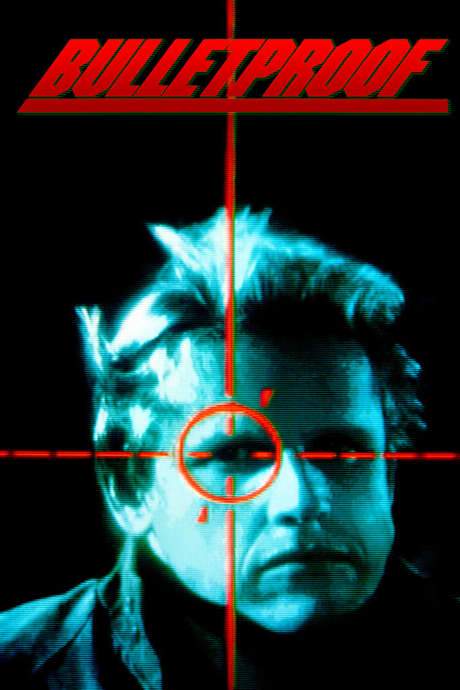
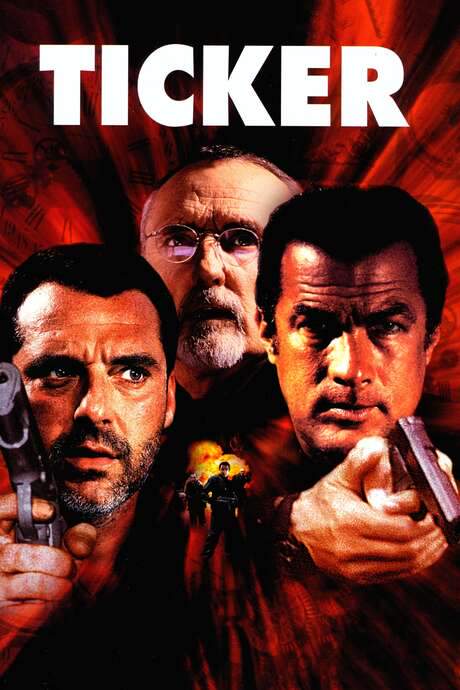
In the year 2011, a sophisticated Los Angeles company, Nanolabs, unveils a potential cancer cure in the form of nano-engines—tiny molecular machines designed to repair tissue cell by cell. The project is championed by Buck Hogan; a gifted scientist who begins to have serious doubts as his lab animals die. The profit-driven CEO, Donald, pushes ahead with human trials and glossy press conferences, brushing aside warnings about safety and ethics.
On the same night, a masked intruder traps and anesthetizes Buck. When he regains consciousness, he discovers one of his kidneys has been replaced with a biodegradable sac that reportedly holds corrosive acid. The masked man promises an antidote only if Hogan agrees to collect and deliver three packages. With the LAPD declining to intervene and Hogan’s fiancée, Angeline, abducted, the stakes become personal and immediate.
Buck’s attempt to understand the trap reveals a devastating twist: when he opens a package, he finds it empty, and realizes the ruse was designed to force him to touch boxes coated with nano-engines. Those engines pierce the skin and begin to react with the sac already inside him, triggering a dangerous chain reaction that could turn him into a walking weapon. The horror comes not from a single device, but from a deliberate sequence meant to weaponize his body.
Pursuing the truth, Hogan traces the culprit to his colleague and rival at Nanolabs, Malcolm Garvey. Garvey forcefully drives the couple back into Nanolabs during a high-profile press tour led by Donald, where a public face of progress hides a darker motive. Garvey’s revelation is blunt: the so-called cancer cure is actually a carcinogen, a tool turned against the body’s own defenses.
As the crisis escalates, Hogan learns that the nano-engines inside him have transformed his implant into a destructive bomb. In the ensuing panic, Garvey is shot dead, and Angeline—which is also her professional skill as a surgeon—steps in to perform an immediate and life-saving intervention. She conducts an on-the-spot bomb-ectomy, disabling the device before it can explode. The two manage to flee as the lab erupts in flames, but the sensational, television-driven coverage clings to the story, often blurring the real peril with hype and spectacle.
The aftermath leaves a lingering warning about the collision of medical breakthroughs and corporate greed. The couple, educated and wary, realizes that a life-changing discovery can be hijacked to serve profit or power unless safeguards, transparency, and accountability hold firm. As they go on the run, they carry with them a new resolve to question every claim of a miracle cure and to navigate a world where science can become a weapon in the hands of the powerful.