Year: 1982
Runtime: 150 mins
Language: Telugu
Director: Dasari Narayana Rao
The story of a war-hero who returns to his place only to find the society in a mess and tries to repair it in his own way and ends up getting hanged.
Warning: spoilers below!
Haven’t seen Bobbili Puli yet? This summary contains major spoilers. Bookmark the page, watch the movie, and come back for the full breakdown. If you're ready, scroll on and relive the story!
Trace every key event in Bobbili Puli (1982) with our detailed, chronological timeline. Perfect for unpacking nonlinear stories, spotting hidden connections, and understanding how each scene builds toward the film’s climax. Whether you're revisiting or decoding for the first time, this timeline gives you the full picture.
Last updated: October 09, 2025 at 14:42
Find frequently asked questions about the Bobbili Puli (1982) timeline, including chronological order, nonlinear jumps, cause-and-effect links, and scene sequence clarifications. This timeline FAQ helps explain when key events happen, how moments connect, and why the story unfolds in that specific order.
Chakradhar becomes a rebel because the judicial system refuses to deliver justice despite his repeated attempts to expose crimes committed by powerful figures like industrialist Rajanala and driver Bheema Raju. When Shankaraiah manipulates the courts to acquit these criminals, Chakradhar loses faith in institutional justice and takes the law into his own hands, becoming the street fighter known as Bobbili Puli to directly punish those who prey on the weak.
Earlier, Chakradhar's mother Annapurna had warned about the growing corruption in society during his absence at war.
Acharya Shankaraiah is the main antagonist who poses as a devout spiritual leader while secretly manipulating political and judicial systems. He is revealed to be Chakradhar's biological father, Annapurna's long-absent husband who abandoned the family and returned under a fake religious identity. He murders Annapurna when she discovers his true identity, making him directly responsible for Chakradhar's mother's death.
The film hints at Shankaraiah's treachery early on when he is described as a 'devout yet treacherous figure' sowing chaos in the city.
Chakradhar is sentenced to death because, although his motives were righteous, his methods involved extrajudicial violence. He killed several people during his rebellion, including Prasad who murdered Murali and potentially other corrupt officials. The court convicts him of murder and criminal assault, unable to overlook his violations of the law regardless of the moral justification behind his actions.
The timeline shows Chakradhar's gradual escalation from legal fighter to violent rebel, with each killing drawing him closer to judicial consequences.
Chakradhar agrees to sacrifice his own romantic future with Vijaya because his father Kondala Rao pressures him to arrange a suitable marriage for Jyothi, his unstable daughter. Believing this family obligation serves a greater good, Chakradhar suppresses his personal desires and asks Vijaya to wait for him, prioritizing familial duty over his own happiness, a decision that ultimately leaves his own relationship in limbo.
The pressure from Kondala Rao comes immediately after Chakradhar's return from war, creating an immediate conflict between personal desire and family responsibility.
Jayanti falls in love with Murali and they plan to marry with Chakradhar's blessing. However, during the chaos of the rebellion, Prasad (a loyalist of antagonist Bhanoji Rao) molests Jayanti and murders Murali in a brutal attack. This tragedy hardens Chakradhar's resolve against his enemies and fuels his determination to continue fighting corruption, regardless of personal cost.
Chakradhar's support for Jayanti and Murali's relationship represents hope for normalcy that is eventually destroyed by the escalating violence.
Shankaraiah uses his position of religious influence and political connections to corrupt judges and judicial proceedings. He helps fabricate evidence and manipulates court decisions to acquit criminals like Rajanala (who committed arson) and Bheema Raju (who caused deaths through reckless driving). This systematic corruption forces Chakradhar to realize that fighting crime through legal means is impossible in this society.
The timeline explicitly notes that Shankaraiah 'helps counterfeit the judiciary' after Chakradhar attempts to pursue justice through legal channels.
Chakradhar earns the Maha Vir Chakra for his exceptional bravery and leadership during the war, where he guides his troops to a decisive victory while displaying remarkable resilience under fire. This military honor symbolizes his initial identity as a heroic soldier fighting for national duty. However, the award becomes ironic later, when he returns home and fights internal corruption, the same society that honored him for external bravery will eventually condemn him to death for his internal battles.
The award comes right after Annapurna's murder, creating a stark contrast between public military honor and private family tragedy.
After eliminating Shankaraiah (the true mastermind behind his mother's death and family suffering), Chakradhar chooses to surrender because he wants to prove that his cause was about justice, not personal revenge. He believes facing the legal system openly, even knowing he'll be convicted, demonstrates his principles. Additionally, with the truth about Shankaraiah exposed, Chakradhar may have hoped the court would recognize the righteousness of his overall mission.
Officer Gopinath had earlier offered Chakradhar a chance to surrender with promises of justice, which Chakradhar initially refused, but the revelation of Shankaraiah's crimes changes his perspective.
Vijaya is Chakradhar's fiancée and an advocate who believes strongly in justice. When Chakradhar is forced to postpone their wedding due to the army emergency, she waits for him. Later, when Chakradhar sacrifices his own marriage to fulfill his family duty toward Jyothi, Vijaya is asked to wait indefinitely. The summary doesn't detail her final fate, but her story represents the personal cost Chakradhar pays, his commitment to justice and family duty ultimately prevents him from honoring his romantic promises.
The wedding delay at the beginning establishes that Chakradhar's personal life will consistently be interrupted by greater obligations.
The system cannot reward Chakradhar because his methods, extrajudicial violence and rebellion, violate the very legal structures meant to maintain order. Even though his motives were purely to punish corrupt officials and protect innocent people, the law sees only his crimes: murder, assault, and vigilantism. The film critiques how rigid institutional justice fails to distinguish between righteous fury and criminal action, leaving no legal pathway for a hero who operates outside the system.
This tension between moral justice and legal justice runs throughout the film, from Chakradhar's early attempts to work within the system to his ultimate rejection of it.
Annapurna visits Shankaraiah's Ashram seeking spiritual guidance or answers during the turmoil caused by his manipulations. While there, she recognizes him as her long-absent husband, the man who abandoned her and their family years ago. In panic to protect his secret identity, Shankaraiah murders her, making him directly responsible for the death that motivates much of Chakradhar's later vengeance.
The film establishes early that Shankaraiah is 'treacherous' and sowing chaos, foreshadowing his violent capability.
Chakradhar refuses Gopinath's offer because he refuses to 'buy' justice through surrender, he believes genuine justice cannot be negotiated as a transaction. He sees the offer as the government trying to APPEASE the rebellion rather than genuinely reform the corrupted systems. This rejection shows his principled stance: he will not compromise his demand for real systemic change, even when offered a seemingly reasonable escape from consequences.
This moment defines Chakradhar's character as someone who values principle over personal safety.
Discover curated groups of movies connected by mood, themes, and story style. Browse collections built around emotion, atmosphere, and narrative focus to easily find films that match what you feel like watching right now.
Stories of principled individuals pushed to extremes by an unjust world.If you liked the righteous fury and tragic struggle against injustice in Bobbili Puli, explore these movies where individuals take on corrupt systems. These films share a dark tone, heavy emotional weight, and themes of sacrifice and vigilantism for a similar, intense viewing experience.
The narrative typically follows a morally upright character—often a soldier, cop, or common citizen—who returns to or discovers a society rotted by corruption. Their initial attempts to work within the system fail, leading to personal tragedy and a descent into vigilantism or violent rebellion, culminating in a high-stakes confrontation that often comes at a great personal cost.
Movies are grouped here based on their shared theme of a lone crusader battling systemic injustice. They create a specific vibe of frustration and righteous anger, featuring steady pacing that builds tension towards a climactic, emotionally heavy resolution, often with a bleak or sad ending.
Grim tales where noble intentions lead to an inevitable, sorrowful end.For viewers seeking the profound sadness and sacrificial ending of Bobbili Puli, this collection features movies about doomed heroes. These films share a dark, oppressive tone, high emotional weight, and a steady narrative pace that builds towards a heartbreaking and inevitable conclusion.
The narrative pattern follows a protagonist on a morally justified mission. However, the world is so corrupt or the odds are so stacked against them that their heroic actions, rather than leading to victory, trigger a chain of events resulting in their personal ruin, often through betrayal, institutional failure, or martyrdom.
These films are united by their specific emotional arc: a blend of admiration for the hero's principles and the crushing weight of their inevitable failure. The shared mood is one of grim sacrifice and profound tragedy, with a pacing that steadily marches toward a sorrowful climax.
Don't stop at just watching - explore Bobbili Puli in full detail. From the complete plot summary and scene-by-scene timeline to character breakdowns, thematic analysis, and a deep dive into the ending - every page helps you truly understand what Bobbili Puli is all about. Plus, discover what's next after the movie.
Read a complete plot summary of Bobbili Puli, including all key story points, character arcs, and turning points. This in-depth recap is ideal for understanding the narrative structure or reviewing what happened in the movie.
Discover the characters, locations, and core themes that shape Bobbili Puli. Get insights into symbolic elements, setting significance, and deeper narrative meaning - ideal for thematic analysis and movie breakdowns.
Discover movies like Bobbili Puli that share similar genres, themes, and storytelling elements. Whether you’re drawn to the atmosphere, character arcs, or plot structure, these curated recommendations will help you explore more films you’ll love.
Bobbili Puli (1982) Plot Summary & Movie Recap
Bobbili Puli (1982) Scene-by-Scene Movie Timeline
Bobbili Puli (1982) Spoiler-Free Summary & Key Flow
Movies Like Bobbili Puli – Similar Titles You’ll Enjoy
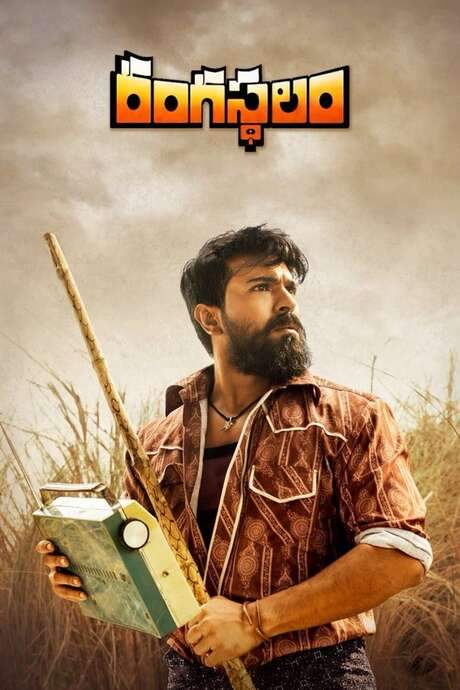
Rangasthalam (2018) Film Overview & Timeline
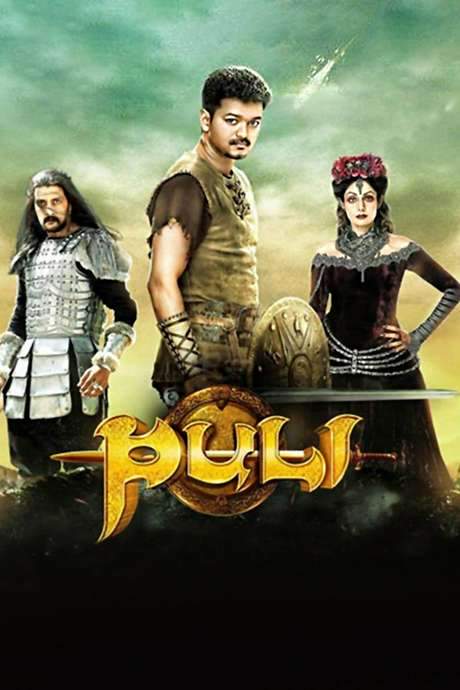
Puli (2015) Detailed Story Recap
Kotigobba (2001) Ending Explained & Film Insights
Tholu Bommalata (2019) Full Movie Breakdown
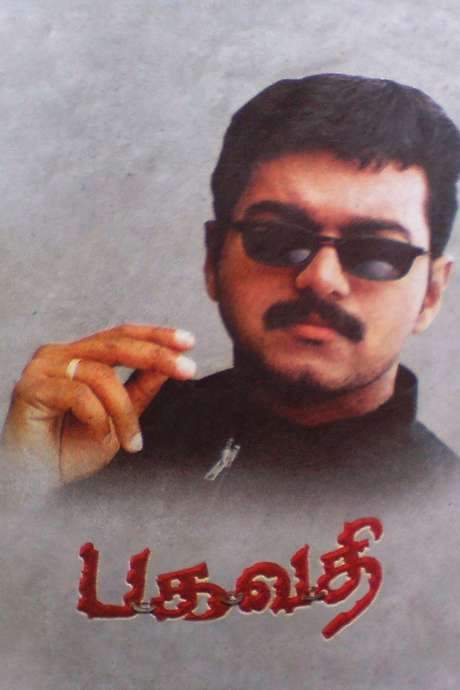
Bagavathi (2002) Story Summary & Characters
Palnati Brahmanayudu (2003) Detailed Story Recap
Bobbili Raja (1990) Detailed Story Recap
Paayum Puli (1983) Complete Plot Breakdown
Puli Varunne Puli (1985) Full Summary & Key Details
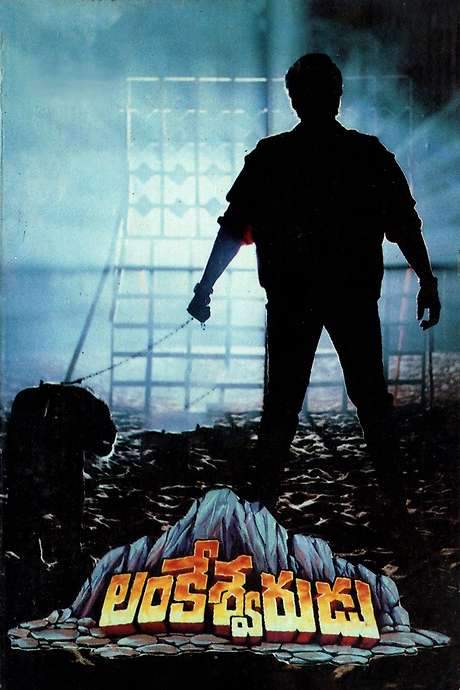
Lankeshwarudu (1989) Full Summary & Key Details
Pudhiya Mugam (1993) Movie Recap & Themes
Samarasimha Reddy (1999) Full Movie Breakdown
Mosagallaku Mosagadu (1971) Spoiler-Packed Plot Recap
Bobbili Simham (1994) Full Movie Breakdown
Aadu Puli Attam (1977) Full Movie Breakdown