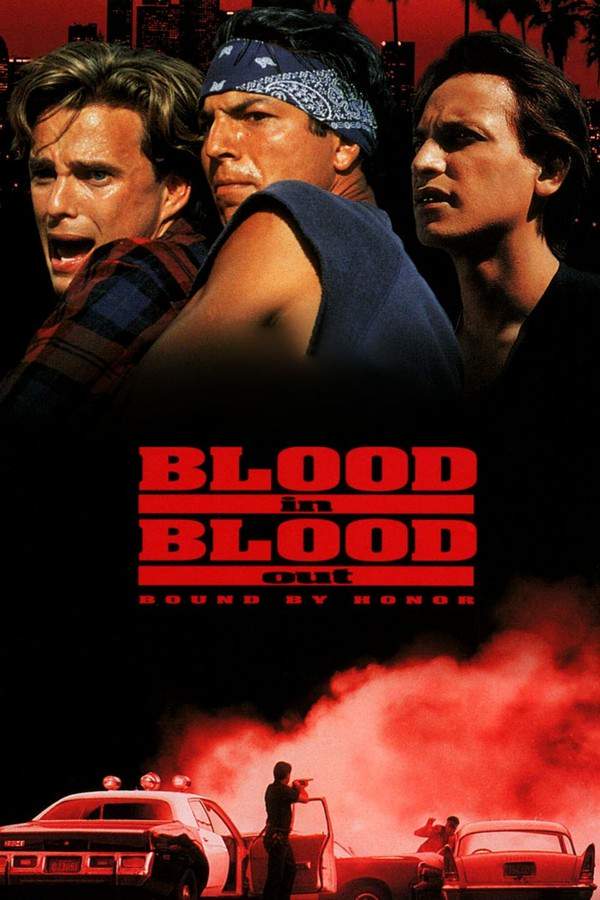
Growing up together in East Los Angeles, Marco, Carlos, and Chuco are drawn into the world of gang life. Over two decades, the film follows their journey through a dangerous cycle of prison, drug abuse, and violent confrontations. As they fight for survival, their lives become deeply intertwined, exploring themes of loyalty, betrayal, and the possibility of redemption amidst hardship.
Find where to stream, rent, or buy Blood In, Blood Out (1993) in the US with current JustWatch availability, up-to-date pricing, and platform listings for subscription, rental, and digital purchase options.
Warning: spoilers below!
Haven’t seen Blood In, Blood Out yet? This summary contains major spoilers. Bookmark the page, watch the movie, and come back for the full breakdown. If you're ready, scroll on and relive the story!
Trace every key event in Blood In, Blood Out (1993) with our detailed, chronological timeline. Perfect for unpacking nonlinear stories, spotting hidden connections, and understanding how each scene builds toward the film’s climax. Whether you're revisiting or decoding for the first time, this timeline gives you the full picture.
Last updated: November 19, 2024 at 16:36
Find frequently asked questions about the Blood In, Blood Out (1993) timeline, including chronological order, nonlinear jumps, cause-and-effect links, and scene sequence clarifications. This timeline FAQ helps explain when key events happen, how moments connect, and why the story unfolds in that specific order.
Miklo killed Spider, the leader of Tres Puntos, as an act of impulsive revenge after Tres Puntos attacked Cruz and left him with lasting scars. Miklo's half-Mexican heritage and hot-headed nature drove him to confront Spider directly, leading to the murder that set off the chain of events culminating in his imprisonment.
Earlier, the film establishes Miklo's quick-to-violence temperament through his confrontational behavior in East Los Angeles.
Miklo joined La Onda because he needed protection in San Quentin's dangerous prison environment where three racially defined gangs ruled. After Popeye tried to exploit him, Montana defended Miklo's honor, and he realized he had to commit grisly acts to earn respect and survival within the gang's ruling council.
Miklo killed Big Al, an Aryan Vanguard associate, as part of his initiation into La Onda. To secure respect and a position on La Onda's ruling council, he understood he must commit a gruesome act that would prove his loyalty and toughness to the Chicano gang.
The prison environment is established as brutal where survival demands absolute commitment to one faction.
When Paco urged him to surrender peacefully during the armed robbery confrontation, Miklo chose flight over resolution. This choice led Paco to shoot him in the leg, resulting in the limb's amputation and another return to San Quentin. Miklo's desperate nature and inability to accept capture drove this fatalistic decision.
While Miklo and Paco were separated, Cruz became increasingly consumed by drug addiction. His struggle culminated in a tragic accidental overdose that claimed the life of his young brother Juanito, a devastating event that haunts the survivors.
It is revealed that Magic, a BGA operative, orchestrated Montana's murder at Miklo's behest. This was done to eliminate Montana before his planned visit from his daughter. Miklo then used the chaos to position himself for greater power within the prison's gang politics.
Montana warns of the Aryan Vanguard's ulterior motives to incite conflict between Black and Chicano inmates.
After avoiding jail by choosing military service, Paco returned from the Marines and drastically changed course, becoming an undercover officer for the LAPD. This allowed him to operate within the criminal world while technically serving the law, creating the moral conflict that defines his character arc.
Miklo forged an alliance with the Black Guerrilla Army to plot the demise of the Aryan Vanguard's leaders. Once the Aryans were dealt with, Miklo's crew betrayed the BGA leaders and wiped them out in cold blood, demonstrating his ruthless ambition to consolidate power.
Paco recognizes that by ordering Miklo to eliminate Spider, he inadvertently crafted the very embodiment of evil that now haunts him. This realization comes through his reflection on Cruz's murals, leading him to understand their shared accountability in the path of violence and destruction.
The conflict was incited by Carlos of La Onda teaming up with the Aryan Vanguard to create a beneficial relationship. Montana warned they aimed to foster chaos by pitting Black and Chicano inmates against each other. The council's decision to side with Carlos led to his betrayal of La Onda and the bomb attack on the BGA's stash house.
The murals painted by Cruz serve as visual echoes of their shared past in East Los Angeles. When Paco reflects on them, they trigger his profound exchange with Cruz about reconciliation, allowing him to confront his role in Miklo's transformation and ultimately find the grace to forgive both himself and Miklo.
After nine years in San Quentin, Miklo was paroled into a world that no longer felt familiar or captivating. In a desperate attempt for thrill and meaning, he participated in a disastrous armed robbery that spiraled out of control, leading to his confrontation with Paco.
Discover curated groups of movies connected by mood, themes, and story style. Browse collections built around emotion, atmosphere, and narrative focus to easily find films that match what you feel like watching right now.
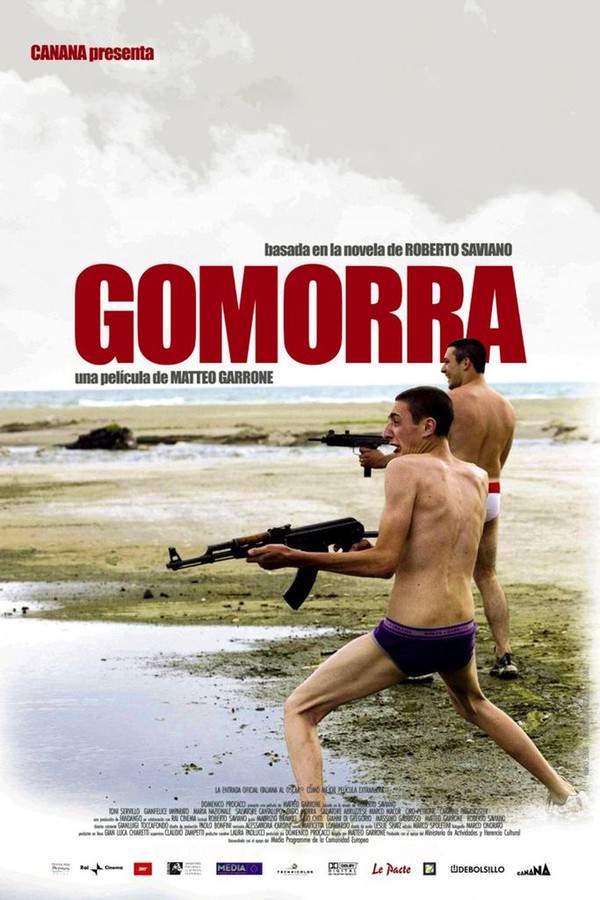
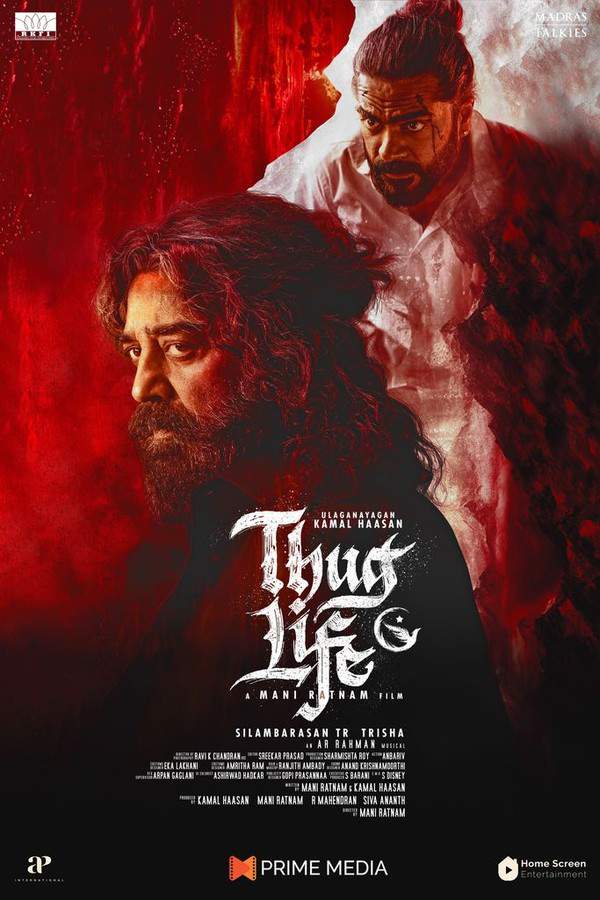
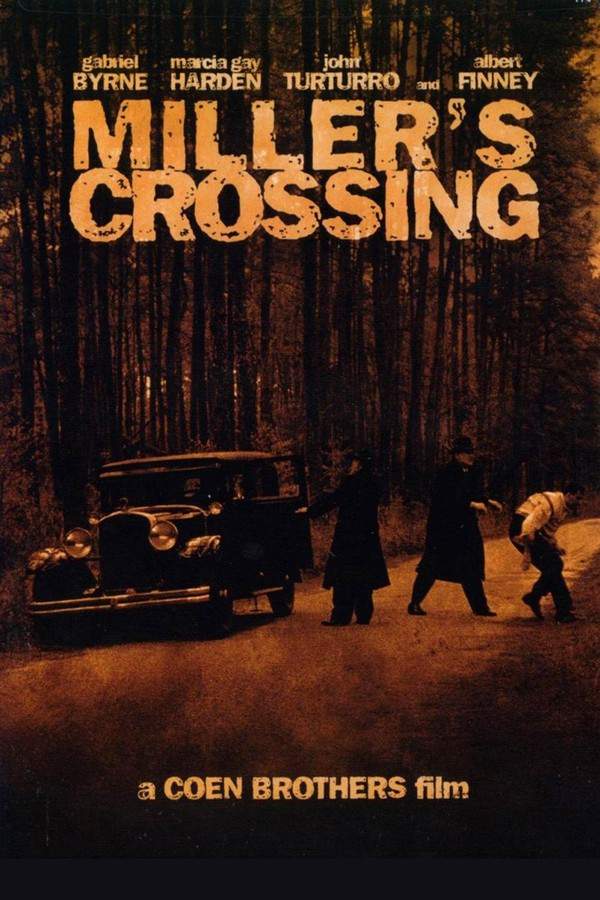
Epic stories where youthful choices lead to a lifetime of brutal repercussions.If you liked the epic, tragic scope of Blood In, Blood Out, discover other movies like it that explore the brutal long-term consequences of crime. These similar gang and prison dramas feature heavy emotional weight, complex character journeys, and a dark, intense tone spanning many years.
These narratives often follow characters from youth into adulthood, tracing how a single turning point or a series of bad choices in a toxic environment leads to an inescapable cycle of violence, betrayal, and loss. The story structure is typically sprawling, covering years or decades to fully reveal the tragic fallout.
Movies in this thread are grouped by their unflinching portrayal of criminal life, their epic time spans that show cause and effect, and their consistently heavy emotional tone. They share a focus on systemic entrapment and the high personal cost of survival.
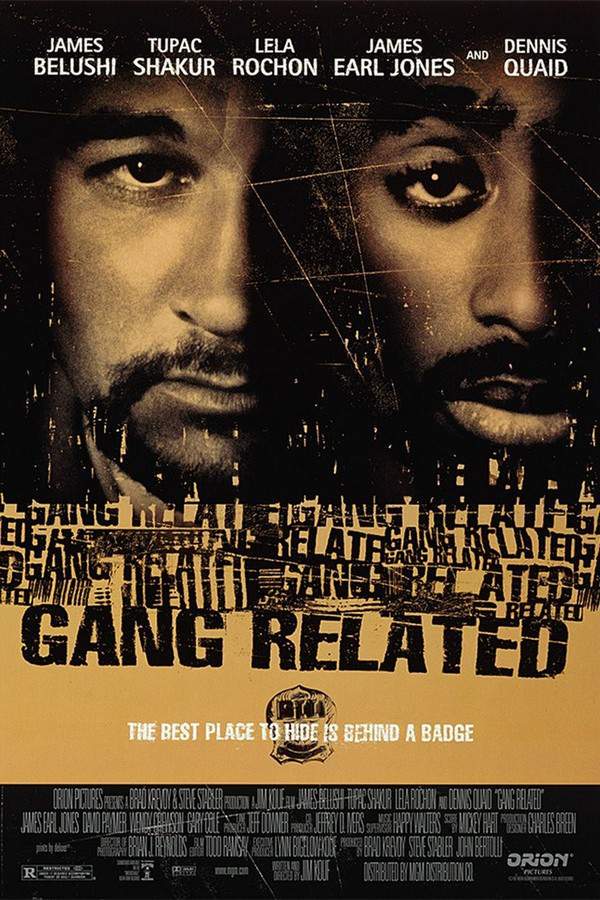
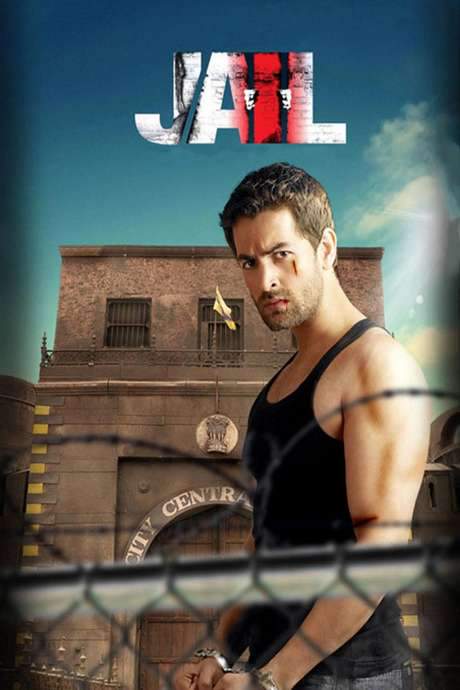
Stories of survival and brutal power dynamics within unforgiving systems.Fans of the intense prison politics and brutal survivalist themes in Blood In, Blood Out will find more movies like it here. Explore similar dramas and crime stories set within harsh institutional systems, featuring tense power struggles, gritty realism, and high stakes.
The narrative pattern centers on a character or group forced to navigate a rigid, often violent social order with its own strict rules. Conflict arises from internal power struggles, racial tensions, and the constant threat of betrayal. The central theme is the adaptation—or disintegration—of the individual under extreme pressure.
These movies share a specific, intense setting that dictates the plot. They are united by their oppressive atmosphere, exploration of makeshift families and rivalries born of necessity, and their gritty, often brutal depiction of life under institutional control.
Don't stop at just watching - explore Blood In, Blood Out in full detail. From the complete plot summary and scene-by-scene timeline to character breakdowns, thematic analysis, and a deep dive into the ending - every page helps you truly understand what Blood In, Blood Out is all about. Plus, discover what's next after the movie.
Read a complete plot summary of Blood In, Blood Out, including all key story points, character arcs, and turning points. This in-depth recap is ideal for understanding the narrative structure or reviewing what happened in the movie.
Discover the characters, locations, and core themes that shape Blood In, Blood Out. Get insights into symbolic elements, setting significance, and deeper narrative meaning - ideal for thematic analysis and movie breakdowns.