Plot Explained Spoilers guaranteed!
Plot Explained

Browse by genre

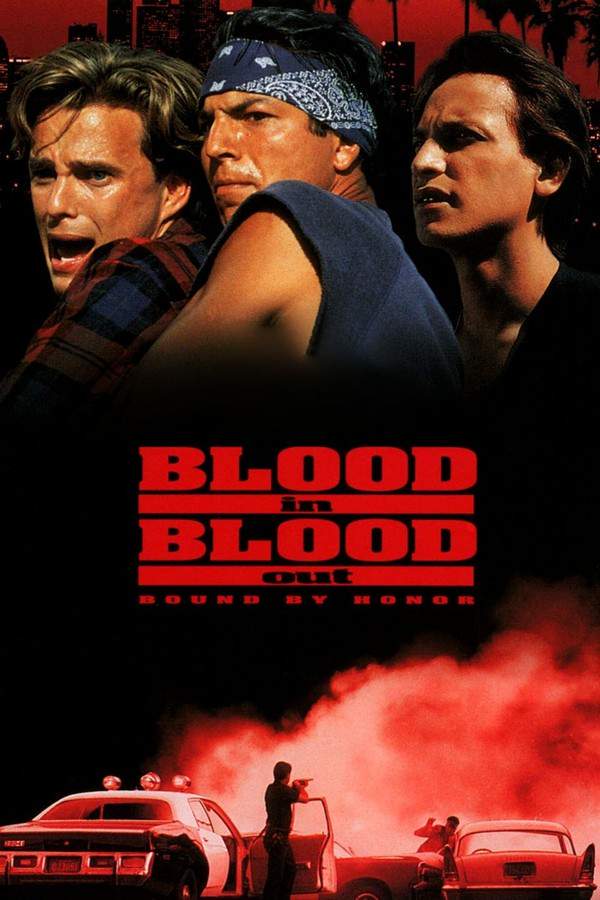
Blood In, Blood Out (1993) movie poster

Characters & Themes

Blood In, Blood Out (1993) Characters, Setting & Themes Explained

Release, runtime and language
1993 · 180 min · English
Loading streaming availability…
Directed by
Taylor Hackford
Starring
Benjamin Bratt, Teddy Wilson, Delroy Lindo, Raymond Cruz, Tom Towles, Damian Chapa

Growing up together in East Los Angeles, Marco, Carlos, and Chuco are drawn into the world of gang life. Over two decades, the film follows their journey through a dangerous cycle of prison, drug abuse, and violent confrontations. As they fight for survival, their lives become deeply intertwined, exploring themes of loyalty, betrayal, and the possibility of redemption amidst hardship.

On this page (7)
  1. 1 Where to watch
  2. 2 Characters explained (3)
  3. 3 Where & when it takes place
  4. 4 Themes & meaning (3)
  5. 5 Character & meaning questions
  6. 6 Movie threads
  7. 7 Every angle
Loading streaming availability…

3 main characters · contains spoilers

Blood In, Blood Out Characters Explained: Who Is Who

The main characters of Blood In, Blood Out (1993), heroes and villains: what drives them, how they change over the course of the story and what each of them reveals about the film's bigger ideas.

  • Miklo Velka

    Miklo Velka is a conflicted half-Mexican teenager whose impulsive nature leads him down a dark path of crime and violence. He seeks to gain respect and power within the brutal world of gangs and prison life. His journey is marked by moral ambiguity and a search for identity amidst chaos.

    • 👤 Protagonist
    • ⚖️ Conflict
    • 🔫 Violence
  • Paco

    Paco represents the moral compass of the story, torn between family loyalty and the law. His choice to join the military reflects a desire for honor, but he is haunted by his past decisions, especially his role in Miklo's fate. His character arc culminates in a struggle for redemption and forgiveness.

    • 👮‍♂️ Military
    • 🤝 Redemption
    • 💭 Reflection
  • Cruz

    Cruz is an artistic soul trapped in the turmoil of gang life and addiction. His passion for art serves as both a refuge and a curse, as he grapples with personal demons. His tragic overdose underscores the theme of loss and the fleeting nature of life amid violence.

    • 🎨 Artist
    • 💔 Tragedy
    • 🌀 Addiction

Last updated: October 22, 2024 at 22:57

Was this helpful?

Setting

Where and When Does Blood In, Blood Out Take Place?

The setting of Blood In, Blood Out (1993): the year and time period, the places and locations, and how they shape the characters, the mood and the tension of the story.

Time period

The narrative spans several years, depicting the character's tumultuous journey from adolescence through adulthood. It captures the evolution of gang culture in Los Angeles during the late 20th century, highlighting issues of crime, redemption, and the fierce struggle for survival within both the streets and the prison system.

Location

Las Vegas, East Los Angeles, San Quentin

The movie begins in the vibrant and lively streets of Las Vegas, known for its entertainment and nightlife. It quickly shifts to the rough and gritty alleys of East Los Angeles, a neighborhood rife with gang violence and struggle. The story also delves into the harsh environment of San Quentin, a notorious prison known for its high level of violence and complex gang politics.

  • 🏙️ City
  • 🏢 Prison
  • 🌆 Urban

Last updated: October 22, 2024 at 22:57

Was this helpful?

3 major themes

Blood In, Blood Out Meaning: Themes & Message Explained

What is Blood In, Blood Out (1993) really about? The emotional, social and philosophical themes the film keeps returning to, its symbolism and the message beneath the surface.

  • Betrayal

    Betrayal plays a central role in the movie as characters undermine one another in their quest for power and survival. Miklo's alliances shift dramatically, reflecting the fragile loyalties in the face of adversity. Paco's eventual betrayal of Miklo exemplifies the deep personal conflicts and moral dilemmas faced by those living in a violent world.

  • Art and Expression

    Art serves as a crucial element in the movie, particularly through Cruz's passion for it amidst the chaos surrounding him. His murals capture the complexities of their experiences and serve as a form of resistance and self-expression. This theme emphasizes the transformative power of art as both a coping mechanism and a means of legacy.

  • Violence

    Violence is a pervasive theme throughout the film, driving the plot and shaping the characters' lives. The ongoing gang wars and brutal acts reflect the harsh realities of inner-city life. This theme serves to explore the consequences of violence, not just on the individuals involved, but also on their families and communities.

Last updated: October 22, 2024 at 22:57

Was this helpful?

Character & theme questions

Blood In, Blood Out Characters & Meaning: Your Questions Answered

The questions people ask about Blood In, Blood Out (1993): who the characters really are, their relationships, what the symbols mean, where it takes place and what the movie is really about. Each answer contains spoilers.

Q1

Where does most of the story take place?

The majority of Blood In, Blood Out unfolds in East Los Angeles, a neighborhood marked by gang violence and economic struggle. This urban environment shapes the characters' lives and drives the conflicts that define their journey. The gritty streets serve as the backdrop for their descent into gang culture.

Foreshadowing: The opening contrast between Las Vegas and East LA establishes the harsh reality awaiting the characters.

  • east los angeles
  • setting
  • neighborhood
  • gang violence
  • urban
Q2

What role does San Quentin prison play in the story?

San Quentin serves as a critical setting where gang politics and violence intensify in Blood In, Blood Out. The prison environment forces characters to navigate complex alliances and survive within a brutal system. This harsh location becomes central to understanding the film's exploration of institutional violence.

  • san quentin
  • prison
  • gang politics
  • survival
  • institutional violence
Q3

What time period does the narrative cover?

Blood In, Blood Out spans several decades of the late 20th century, following characters from adolescence through adulthood. This timeline captures the evolution of gang culture in Los Angeles during this era. The multi-generational scope shows how cycles of violence persist across time.

  • time period
  • late 20th century
  • gang culture evolution
  • generations
Q4

What does the film explore about betrayal?

Betrayal emerges as a central theme in Blood In, Blood Out, showing how characters undermine each other for power and survival. The fragile loyalties in this violent world create deep personal conflicts and moral dilemmas. Paco's eventual betrayal of Miklo exemplifies these impossible choices.

Foreshadowing: Early alliance shifts hint at the unstable loyalties that will define the story.

  • betrayal
  • loyalty
  • moral dilemmas
  • power
  • paco
  • miklo
Q5

How does art function as a theme in the story?

Art serves as both refuge and legacy for characters like Cruz in Blood In, Blood Out, whose murals capture their complex experiences. This creative expression becomes a form of resistance and coping mechanism amid chaos. Through art, the film suggests that beauty can emerge from brutality.

Foreshadowing: Cruz's early passion for drawing establishes art as his escape from gang life.

  • art
  • expression
  • murals
  • resistance
  • coping
  • cruz
Q6

What does the film say about violence and its consequences?

Violence permeates every aspect of Blood In, Blood Out, driving the plot and shaping the characters' lives. The film explores how violent acts affect not just individuals but entire families and communities. This pervasive theme underscores the cyclical nature of aggression in gang culture.

  • violence
  • consequences
  • families
  • communities
  • cyclical aggression
Q7

Who is Miklo Velka and what drives him?

Miklo Velka is a conflicted half-Mexican teenager whose impulsive nature leads him into crime and violence in Blood In, Blood Out. He seeks respect and power within the brutal worlds of gangs and prison. His journey reflects a search for identity amidst moral ambiguity and chaos.

  • miklo velka
  • character
  • identity
  • power
  • respect
  • impulsive
Q8

What role does Paco play in the story?

Paco serves as the moral compass in Blood In, Blood Out, torn between family loyalty and the law. His choice to join the military reflects a desire for honor, but he struggles with redemption and forgiveness. His character arc culminates in a reckoning with past decisions.

  • paco
  • moral compass
  • military
  • redemption
  • forgiveness
  • loyalty
Q9

Who is Cruz and what defines his character?

Cruz is an artistic soul trapped in gang life and addiction in Blood In, Blood Out. His passion for art serves as both refuge and curse as he grapples with personal demons. His tragic overdose underscores the themes of loss and the fleeting nature of life amid violence.

Foreshadowing: Cruz's early artistic talents contrast with his later struggles with addiction.

  • cruz
  • art
  • addiction
  • personal demons
  • tragic
  • overdose
Q10

How do the three main characters relate to each other?

Marco, Carlos, and Chuco (Miklo, Paco, and Cruz) grew up together in East Los Angeles and became drawn into gang life in Blood In, Blood Out. Their lives intertwine over two decades through prison, drug abuse, and violent confrontations. This bond reflects the deep ties formed in shared hardship.

Foreshadowing: Their childhood friendship establishes the loyalty that will be tested throughout the story.

  • three characters
  • relationship
  • gang life
  • intertwined
  • childhood friendship
Q11

How are loyalty and redemption explored in the film?

Blood In, Blood Out examines loyalty through shifting alliances and the possibility of redemption amidst hardship. Characters fight for survival while their moral choices define their paths. The ending offers a bittersweet reflection on shared accountability and forgiveness.

  • loyalty
  • redemption
  • survival
  • moral choices
  • accountability
  • forgiveness
Q12

How does the film depict gang culture in Los Angeles?

Blood In, Blood Out captures the evolution of gang culture in Los Angeles during the late 20th century. The narrative highlights issues of crime, redemption, and the fierce struggle for survival within both streets and prison. This portrayal reflects the harsh realities of inner-city life.

  • gang culture
  • los angeles
  • crime
  • survival
  • inner-city
  • late 20th century
Q13

What is the overall emotional tone of the movie?

Blood In, Blood Out maintains a consistently dark and intense tone grounded in harsh realities and serious consequences. The emotional weight is heavy, dealing with incarceration, addiction, and the cyclical nature of violence. While bleak, the conclusion offers a glimmer of bittersweet reflection.

  • emotional tone
  • dark
  • intense
  • heavy
  • bleak
  • bittersweet
Q14

How does the prison system factor into the narrative?

The prison system in Blood In, Blood Out features multiple factions with intricate political maneuvering. This complexity adds to the narrative's depth as characters must navigate competing power structures. The prison becomes a microcosm of the gang dynamics established on the streets.

  • prison system
  • factions
  • political maneuvering
  • power structures
  • gang dynamics
Q15

What makes the story's narrative structure complex?

Blood In, Blood Out involves three main characters whose paths diverge dramatically across a decades-long timeline. Multiple factions within the prison system create intricate political layers. The fast pacing covers numerous life-altering events with little downtime, adding to the complexity.

  • narrative complexity
  • three characters
  • timeline
  • factions
  • fast pacing

Movie threads

More Movies Like Blood In, Blood Out, by Mood & Story

Curated lists built around what makes Blood In, Blood Out tick: the same mood, the same kind of story or the same emotional payoff. Each list explains why these movies belong together.

Gritty Crime Sagas with Heavy Consequences like in Blood In, Blood Out

Epic stories where youthful choices lead to a lifetime of brutal repercussions. If you liked the epic, tragic scope of Blood In, Blood Out, discover other movies like it that explore the brutal long-term consequences of crime. These similar gang and prison dramas feature heavy emotional weight, complex character journeys, and a dark, intense tone spanning many years.

  • gritty
  • tragic
  • tense
  • brutal
  • grim
  • oppressive
  • Tone: dark, tragic, grim
  • Pacing: fast, sprawling
Why these movies?

The story pattern: These narratives often follow characters from youth into adulthood, tracing how a single turning point or a series of bad choices in a toxic environment leads to an inescapable cycle of violence, betrayal, and loss. The story structure is typically sprawling, covering years or decades to fully reveal the tragic fallout.

Why they belong together: Movies in this thread are grouped by their unflinching portrayal of criminal life, their epic time spans that show cause and effect, and their consistently heavy emotional tone. They share a focus on systemic entrapment and the high personal cost of survival.
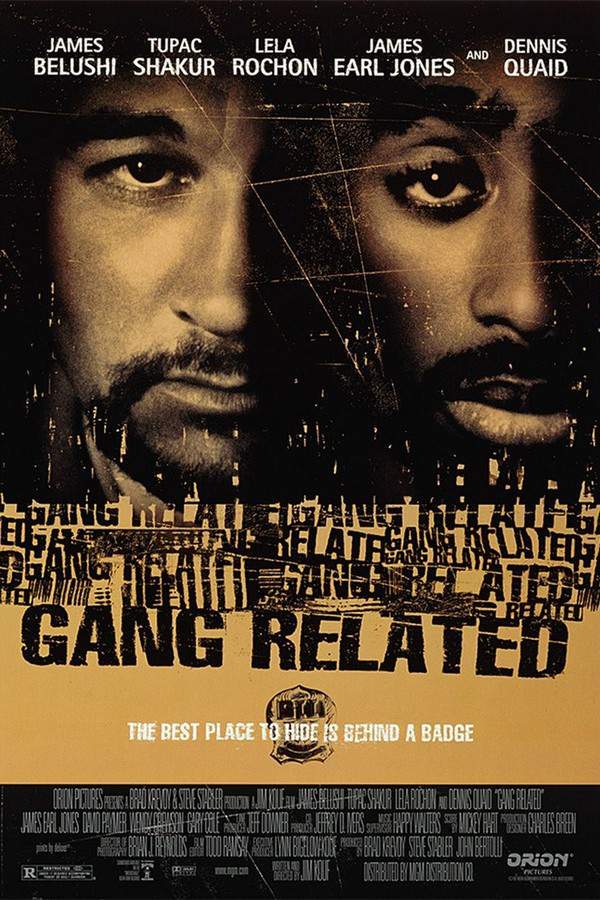
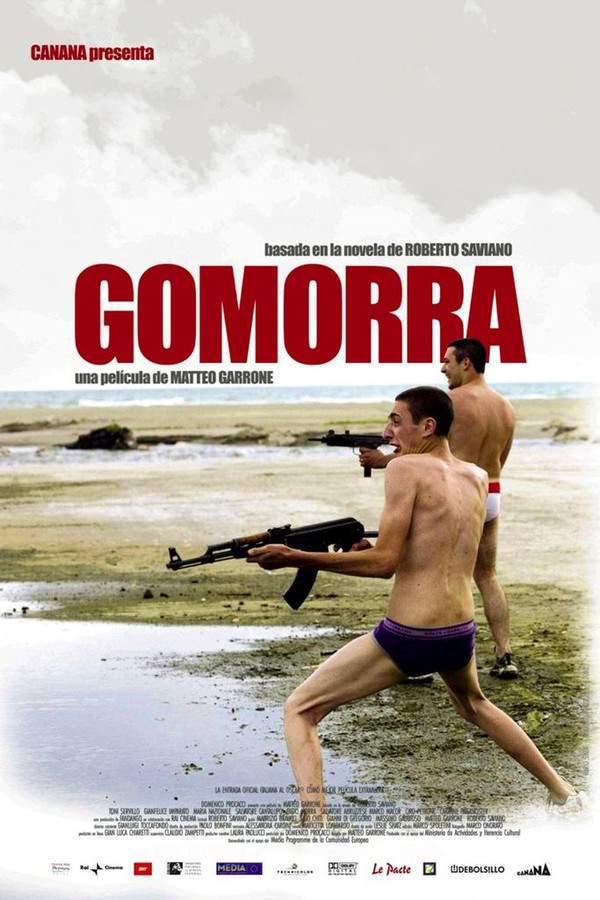
Intense Prison and Institutional Survival Dramas like in Blood In, Blood Out

Stories of survival and brutal power dynamics within unforgiving systems. Fans of the intense prison politics and brutal survivalist themes in Blood In, Blood Out will find more movies like it here. Explore similar dramas and crime stories set within harsh institutional systems, featuring tense power struggles, gritty realism, and high stakes.

  • tense
  • gritty
  • claustrophobic
  • brutal
  • oppressive
  • grim
  • Tone: grim, tense, oppressive
  • Pacing: steady, tense build
Why these movies?

The story pattern: The narrative pattern centers on a character or group forced to navigate a rigid, often violent social order with its own strict rules. Conflict arises from internal power struggles, racial tensions, and the constant threat of betrayal. The central theme is the adaptation—or disintegration—of the individual under extreme pressure.

Why they belong together: These movies share a specific, intense setting that dictates the plot. They are united by their oppressive atmosphere, exploration of makeshift families and rivalries born of necessity, and their gritty, often brutal depiction of life under institutional control.

Every angle

Blood In, Blood Out (1993) Explained: Plot, Timeline & Characters

Everything about Blood In, Blood Out in one place: what happens in the plot summary, the timeline in chronological order, the characters and meaning and a spoiler-free summary. What's After the Movie adds the cast, box office and post-credit scenes.

Coming soon on iOS and Android

The Plot Explained Movie Summary App

Plot summaries, endings explained and timelines on your phone. Catch up on any movie in minutes, save your favorites and never miss a twist again.

Be the first to know when we launch. Your email stays private, always.

Learn more about the app