Plot Explained Spoilers guaranteed!
Plot Explained

Browse by genre

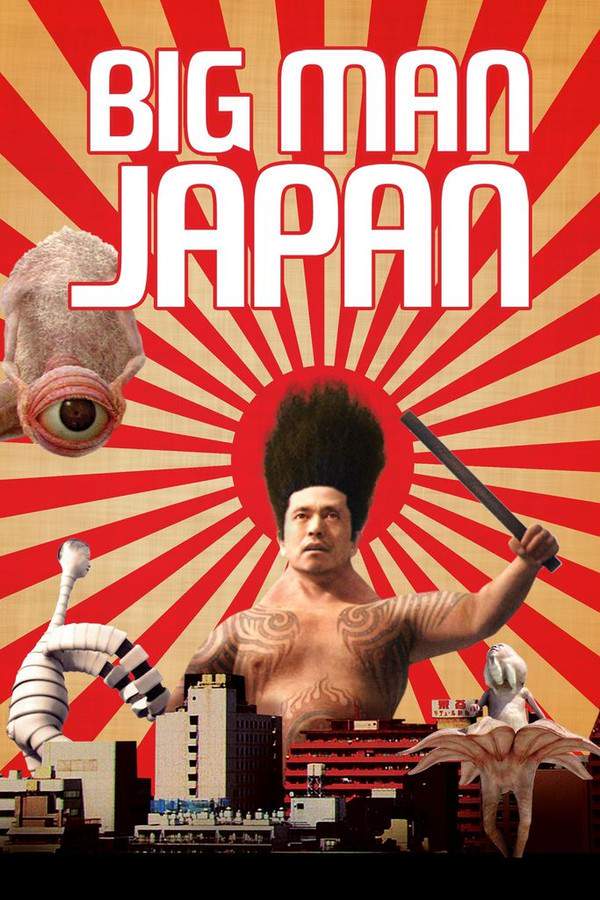
Big Man Japan (2009) movie poster

Characters & Themes

Big Man Japan (2009) Characters, Setting & Themes Explained

Release, runtime and language
2009 · 113 min · Japanese
Loading streaming availability…
Directed by
Hitoshi Matsumoto

Daisato's ordinary existence is upended when he unexpectedly becomes Japan's protector against bizarre, outlandish creatures. As a middle-aged man transformed into a giant due to electrical incidents, he finds himself a reluctant hero, simultaneously celebrated and criticized by the populace. His challenging situation is further complicated by an overzealous government agent, his eccentric grandfather, and a family deeply embarrassed by his less-than-perfect attempts at heroism.

On this page (8)
  1. 1 Where to watch
  2. 2 Characters explained (1)
  3. 3 Where & when it takes place
  4. 4 Themes & meaning (3)
  5. 5 Character & meaning questions
  6. 6 Movie threads
  7. 7 Movies like Big Man Japan
  8. 8 Every angle
Loading streaming availability…

1 main characters · contains spoilers

Big Man Japan Characters Explained: Who Is Who

The main characters of Big Man Japan (2009), heroes and villains: what drives them, how they change over the course of the story and what each of them reveals about the film's bigger ideas.

  • Sato

    Sato is a modern superhero tasked with protecting society from various monsters, while grappling with feelings of inadequacy and isolation. His dual role as a provider for his family and a performer in a reality show adds depth to his character, as he navigates public perception and personal struggles.

    • 🦸 Hero
    • 💼 Professional
    • 🧠 Emotionally Stressed

Last updated: October 22, 2024 at 22:25

Was this helpful?

Setting

Where and When Does Big Man Japan Take Place?

The setting of Big Man Japan (2009): the year and time period, the places and locations, and how they shape the characters, the mood and the tension of the story.

Time period

Postmodern Era

The postmodern era is characterized by a questioning of traditional norms and values, reflecting a complex and fragmented society. During this time, global influences and technological advances greatly impact daily life, creating unique challenges for individuals like Sato, who navigate both personal and societal expectations.

Location

Tokyo

Tokyo, the bustling capital of Japan, is known for its blend of traditional and modern living. It features towering skyscrapers, historic temples, and a vibrant pop culture scene. The city also serves as a backdrop for various stories, often showcasing the challenges of urban life.

  • 🏙️ City
  • 🇯🇵 Japan

Last updated: October 22, 2024 at 22:25

Was this helpful?

3 major themes

Big Man Japan Meaning: Themes & Message Explained

What is Big Man Japan (2009) really about? The emotional, social and philosophical themes the film keeps returning to, its symbolism and the message beneath the surface.

  • Isolation

    Sato experiences profound isolation as he grapples with the disconnect from his wife and daughter while carrying the heavy burden of being a hero. His struggles reflect a broader commentary on the emotional toll of modern life, where personal relationships often suffer in the pursuit of duty and success.

  • Disillusionment

    The movie explores the theme of disillusionment as Sato battles the perception of being a superhero against the reality of an unappreciative society. His efforts to advertise on his body for extra income highlight the lack of support and recognition faced by those who dedicate their lives to public service.

  • Heroism

    Despite facing numerous monsters, Sato embodies the complexities of heroism in a postmodern context. He confronts physical challenges while also dealing with his own insecurities, ultimately raising questions about what it truly means to be a hero in contemporary society.

Last updated: October 22, 2024 at 22:25

Was this helpful?

Character & theme questions

Big Man Japan Characters & Meaning: Your Questions Answered

The questions people ask about Big Man Japan (2009): who the characters really are, their relationships, what the symbols mean, where it takes place and what the movie is really about. Each answer contains spoilers.

Q1

Where is the movie primarily set?

The movie takes place in Tokyo, Japan's bustling capital. The setting contrasts modern skyscrapers with traditional elements, creating an urban backdrop that reflects the film's satirical examination of contemporary Japanese society and its relationship with celebrity and heroism.

  • tokyo
  • japan setting
  • city
  • urban
Q2

When does the story take place?

The story is set in the Postmodern Era, a time characterized by questioning traditional norms and values. This context shapes the film, as it explores how individuals navigate personal and societal expectations amid global influences and technological advances.

  • postmodern
  • time period
  • era
  • modern society
Q3

What are the main themes explored in the film?

The film explores three interconnected themes: Isolation, reflecting the emotional toll of modern life where personal relationships suffer; Disillusionment, examining the gap between public perception and private reality; and Heroism, questioning what it truly means to be a hero in contemporary society.

  • themes
  • isolation
  • disillusionment
  • heroism
  • meaning
Q4

Who is Sato and what is his role in the story?

Sato is the protagonist who becomes Japan's giant protector against bizarre monsters. Though he appears to be a superhero, he is actually an ordinary man transformed into a giant through electrical incidents. He grapples with feelings of inadequacy and isolation while performing his duties as both a hero and a family provider.

  • sato
  • protagonist
  • hero
  • main character
Q5

How does the movie portray isolation?

Sato experiences profound isolation as he carries the burden of being a hero while disconnecting from his wife and daughter. His struggles reflect a broader commentary on how personal relationships often suffer in modern life when individuals pursue duty and public service.

  • isolation
  • loneliness
  • relationships
  • family
Q6

What does the film say about disillusionment?

The movie explores disillusionment through Sato's battle between the perception of being a superhero and the reality of an unappreciative society. His need to advertise on his body for extra income highlights the lack of support and recognition faced by those who dedicate their lives to public service.

  • disillusionment
  • society
  • public perception
  • reality tv
Q7

How does the film examine heroism?

Sato embodies the complexities of heroism in a postmodern context. He confronts physical challenges from monsters while dealing with personal insecurities and public criticism. The film raises questions about what it truly means to be a hero in contemporary society, subverting traditional superhero tropes.

  • heroism
  • superhero
  • expectations
  • society
Q8

What role does Sato's family play?

Sato has a wife and daughter who are deeply embarrassed by his less-than-perfect attempts at heroism. His dual role as provider for his family and performer in a reality show adds depth to his character, as he navigates public perception alongside personal family struggles.

  • family
  • wife
  • daughter
  • embarrassment
Q9

What is the film's narrative style?

The film uses a documentary framing device that includes flashbacks and commentary, adding layers to the straightforward plot of monster fights. This style enhances the satirical tone, presenting the giant monster battles as a reality show while exposing the absurdities of celebrity culture and public heroism.

  • documentary
  • style
  • satire
  • reality show
  • narrative
Q10

What is the overall tone of the movie?

The film balances a whimsical tone, derived from its absurd premise and bizarre creatures played for satirical effect, with a strong undercurrent of melancholy. This creates a unique emotional landscape that is both comedic and emotionally resonant, exploring themes of loneliness and societal alienation.

  • tone
  • whimsical
  • melancholy
  • comedic
  • emotional

Movie threads

More Movies Like Big Man Japan, by Mood & Story

Curated lists built around what makes Big Man Japan tick: the same mood, the same kind of story or the same emotional payoff. Each list explains why these movies belong together.

Absurdist hero satires like Big Man Japan

Stories where extraordinary powers meet crushing everyday disappointments. If you enjoyed the quirky, melancholic take on heroism in Big Man Japan, this section features movies with similar satirical premises. Find other comedies and dramas where reluctant heroes grapple with fame, failure, and bizarre circumstances in stories that mix absurd spectacle with emotional depth.

  • satirical
  • absurd
  • melancholic
  • quirky
  • frustrated
  • isolated
  • Tone: whimsical, melancholic, satirical
  • Pacing: variable, mixing chaotic and contemplative scenes
Why these movies?

The story pattern: These narratives typically follow a character reluctantly given a grand role or power, only to find the experience underwhelming, poorly managed, or publicly ridiculed. The plot often contrasts moments of high-concept action or fantasy with the anti-climax of daily life, resulting in a journey that is more about personal frustration than triumphant success.

Why they belong together: Movies in this thread share a unique tonal blend of whimsical absurdity and grounded sadness. They are connected by their satirical look at institutions like media, government, or fame, and their focus on the isolated, often disappointed individual at the center of the chaos.

Quirky mockumentaries similar to Big Man Japan

Faux-documentaries following uniquely troubled and isolated individuals. For viewers who liked the mockumentary style and quirky protagonist of Big Man Japan, this section highlights similar films. Discover other movies that use a documentary format to tell stories about eccentric, isolated characters dealing with bizarre situations and personal sadness.

  • quirky
  • melancholic
  • isolated
  • observational
  • deadpan
  • eccentric
  • Tone: quirky, melancholic, observational
  • Pacing: variable, reflective
Why these movies?

The story pattern: The narrative is framed as a documentary, often including interviews, candid footage, and a narrator. This structure allows for a meandering exploration of a character's eccentric life, their strained relationships, and their internal struggles, which are frequently at odds with the bizarre external world they inhabit. The ending is often ambiguous or bittersweet.

Why they belong together: These films are grouped by their distinctive mockumentary format and their focus on a central character who is an outsider. They share a specific mood that mixes deadpan humor with genuine pathos, creating a unique, contemplative, and often quirky viewing experience.

If you liked this

Movies Like Big Man Japan

Similar movies to Big Man Japan: the same genre, themes or kind of story. Each one comes with its own plot summary, timeline and ending explained.

Browse all movie summaries

Every angle

Big Man Japan (2009) Explained: Plot, Timeline & Characters

Everything about Big Man Japan in one place: what happens in the plot summary, the timeline in chronological order, the characters and meaning and a spoiler-free summary. What's After the Movie adds the cast, box office and post-credit scenes.

Coming soon on iOS and Android

The Plot Explained Movie Summary App

Plot summaries, endings explained and timelines on your phone. Catch up on any movie in minutes, save your favorites and never miss a twist again.

Be the first to know when we launch. Your email stays private, always.

Learn more about the app