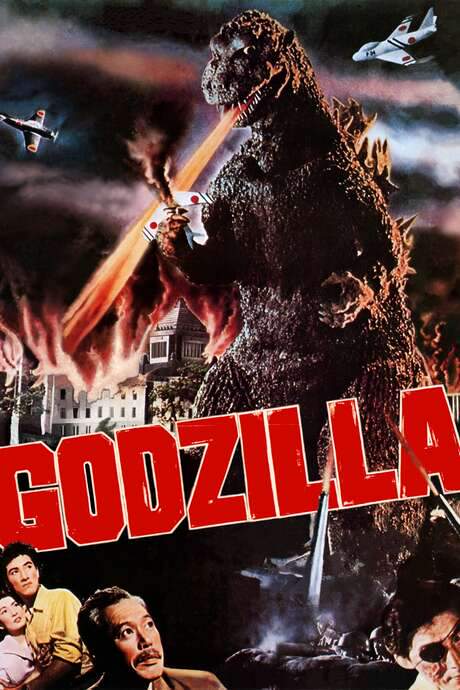
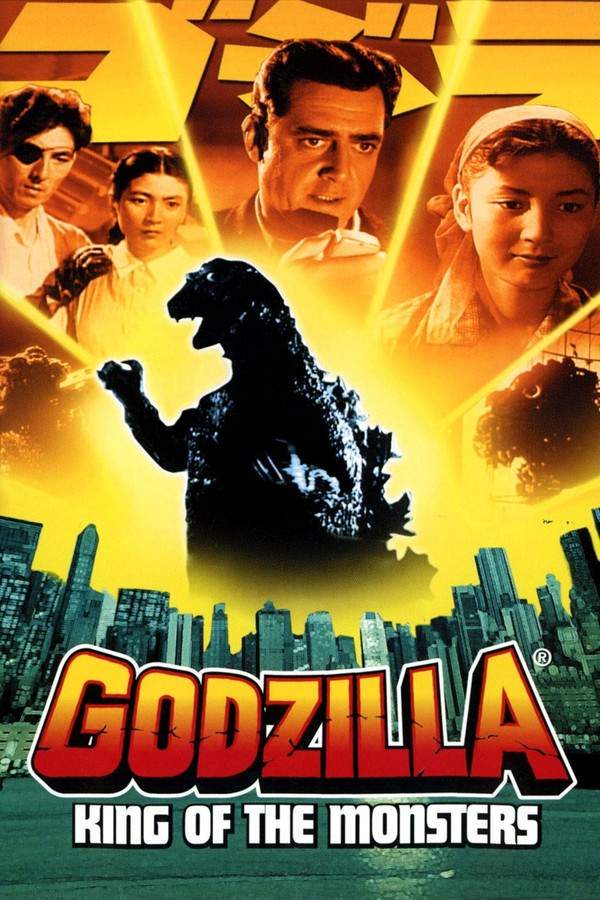
A journalist investigates the emergence of Godzilla, a colossal monster awakened by nuclear testing. The creature unleashes devastation upon Tokyo with its immense power and terrifying roar, leaving the city in ruins and its people facing an uncertain future as they struggle to comprehend the wrath of this King of the Monsters.
Find where to stream, rent, or buy Godzilla, King of the Monsters! (1956) in the US with current JustWatch availability, up-to-date pricing, and platform listings for subscription, rental, and digital purchase options.
Warning: spoilers below!
Haven’t seen Godzilla, King of the Monsters! yet? This summary contains major spoilers. Bookmark the page, watch the movie, and come back for the full breakdown. If you're ready, scroll on and relive the story!
Read the complete plot breakdown of Godzilla, King of the Monsters! (1956), including all key story events, major twists, and the ending explained in detail. Discover what really happened, and what it all means.
The film begins with an ominous black screen accentuated by thunderous crashes, soon revealing a tempestuous ocean. The title appears alongside Godzilla's iconic roar. Narrating the chilling scene is Steve Martin (Raymond Burr), who states, “This is Tokyo, once a city of six million people. What has happened here was caused by a force which up until a few days ago was entirely beyond the scope of man’s imagination.” As he emerges from the debris, battered and bloodied, he conveys the horror around him. He tells us, “My name is Steve Martin. I’m a foreign correspondent for United World News. I was headed for an assignment in Cairo when I stopped off in Tokyo for a social call, but it turned out to be a visit to the living hell of another world.” His struggle to stand leads him to faint as medical personnel transport the injured to makeshift hospitals.
Among the chaos, Emiko Yamane (Momoko Kôchi), daughter of a prominent paleontologist Dr. Yamane, is seen assisting in the hospital. As Steve is carried on a stretcher, he catches a glimpse of Emiko and gropes for her attention. She informs him that her father is safe at a meeting with security officials before leaving to find a doctor for Steve. Transitioning into a flashback, Steve reflects on the sheer disbelief of lying alive in a hospital amidst the dead. He recalls his plans to meet an esteemed friend, Dr. Serizawa (Akihiko Hirata), a theoretical scientist known for his groundbreaking experiments.
As turmoil brews, an eerie menace strikes a ship at sea, leading to its fiery demise while sending out a distress signal. Upon arriving in Tokyo, Steve finds himself embroiled in a web of security inquiries about the ship’s mysterious sinking, linked with reports of strange occurrences. Tomo Iwanaga—the security officer—sheds light on the incident only enough to stoke Steve's journalistic curiosity, inviting him to briefing sessions with the ship’s owners when the fate of several similar vessels unfolds tragically.
With the looming threat, a rescue ship is set for investigation, only to meet a similar fate. Determined to uncover the truth, Steve decides to stay in Tokyo amidst growing reports of several survivors’ harrowing encounters with a creature in the waters. The narrative progresses to a meeting where Dr. Yamane, a semblance of hope amidst despair, is invited alongside Steve, prompting suspicions about Odo Island’s proximity to the attacks.
A harrowing visit to Odo Island reveals ancient legends where locals mention a monstrous presence. They witness a terrifying ceremony as fate leads them through a relentless typhoon that night. In the aftermath, alarming revelations surface: enormous and radioactive footprints trace back to the ocean. The creatures haunting the remnants of the once-bustling city unveil the massive creature dubbed Godzilla, instilling terror amongst the inhabitants.
As the story escalates, politics and personal affairs intertwine with the scientific pursuit for understanding Godzilla. Emiko finds herself caught between her engagement to Dr. Serizawa and her undeniable connection with Ogata (Akira Takarada). Both men hold crucial roles in the impending conflict against the looming menace, with Dr. Yamane (Takashi Shimura) advocating for study over extermination, presenting a moral dilemma amidst devastation.
Eventually, as Tokyo braces for impending doom, Godzilla’s destructive path becomes undeniable, plunging the city into chaos. Amidst the destruction, as Ogata and Emiko confront Serizawa, they rally for his radical invention, the "oxygen destroyer." The turmoil culminates when Serizawa chooses to confront Godzilla himself, deploying the weapon to end the monster's reign.
The tragic sacrifice of Serizawa leads to a pivotal moment where Godzilla meets its end, writhing in pain before vanishing into the depths, leaving only its skeletal remains behind. The film closes poignantly as Steve states, “The menace was gone; so was a great man. But the whole world could wake up and live again.”
Last updated: November 04, 2024 at 01:20
Explore frequently asked questions about Godzilla, King of the Monsters! (1956) with spoiler-rich answers covering the full plot summary, major story beats, character motivations, hidden details, and ending meaning. This movie summary FAQ helps explain confusing scenes, plot twists, and narrative decisions in clear, searchable detail.
Dr. Serizawa uses his secret weapon, the oxygen destroyer, to kill Godzilla. He knows that revealing the weapon's existence will lead to its use in warfare and potentially cause more destruction than Godzilla itself. By personally deploying it and dying with the monster, he ensures the weapon dies with him, protecting the world from its future misuse. His sacrifice represents the moral burden of scientists who create destructive technology.
Earlier, Serizawa is shown reluctant to reveal his invention, emphasizing its devastating potential.
The oxygen destroyer is a radical scientific invention created by Dr. Serizawa. It works by disintegrating oxygen molecules in water, effectively creating an oxygen-free zone that suffocates any living creature that depends on oxygen. When deployed against Godzilla in Tokyo Bay, it creates a chemical reaction that kills the monster by depriving it of the ability to breathe. The weapon is so powerful that Serizawa considers it too dangerous to exist.
Serizawa's secret experiments are mentioned early in the film, building anticipation for his invention.
Dr. Yamane is a paleontologist who sees Godzilla as a once-extinct creature revived by nuclear testing, making it a unique scientific discovery. He believes studying Godzilla could provide invaluable information about prehistoric life and the effects of radiation on living organisms. His fascination with the creature as a scientific phenomenon leads him to advocate for observation rather than immediate destruction, creating tension with those who want to eliminate the threat.
Dr. Yamane's scientific curiosity is established early when he eagerly joins the expedition to Odo Island.
Emiko is engaged to Dr. Serizawa out of respect and gratitude for his scientific reputation, but she has genuine romantic feelings for Ogata. This conflict represents the broader theme of choosing between duty and personal desire. Her indecision is resolved when she sides with Ogata in urging Serizawa to use the oxygen destroyer, showing that the external threat of Godzilla forces her to make a choice that supersedes her personal emotional conflict.
Emiko's discomfort with her engagement is visible during early scenes with Serizawa.
Godzilla is an ancient dinosaur-like creature awakened from hibernation by hydrogen bomb testing in the Pacific Ocean. The nuclear explosions near Odo Island disturb Godzilla's underwater lair, forcing it to emerge and venture toward Tokyo. The creature is irradiated and highly radioactive, making it nearly invincible to conventional military attacks. Its rampage through Tokyo represents the real-world fears of nuclear weapons and their devastating consequences.
The opening narration and the ship's mysterious sinking hint at something disturbed beneath the sea.
Odo Island is the location where Steve Martin and Dr. Yamane discover the source of the attacks. Local legends speak of a monstrous creature called "Godzilla" that inhabits the sea. The island serves as the bridge between ancient folklore and modern disaster, providing the first concrete evidence of Godzilla's existence through massive radioactive footprints. The expedition to Odo Island marks the transition from mystery to confirmed threat.
The villagers perform a ceremony to appease the monster, reflecting ancient knowledge of the creature.
Steve Martin arrives in Tokyo after the initial destruction, not during it. He is a foreign correspondent who stopped in Tokyo for a social visit and finds the city already devastated when he arrives. He survives the aftermath and documents the wreckage, serving as both a witness and narrator of the destruction. His position as a journalist places him outside the direct path of Godzilla's initial attack.
The film opens with Steve emerging from debris, establishing him as a survivor of the aftermath.
The ending is bittersweet because while Godzilla is destroyed and Tokyo is saved from imminent annihilation, the victory comes at a tremendous cost. Dr. Serizawa, the brilliant scientist who created the oxygen destroyer, sacrifices himself to deploy the weapon. Steve Martin reflects on the loss of "a great man" even as the world can "wake up and live again." The monster is gone, but the price of that victory is profound personal loss.
Serizawa's earlier reluctance to use his invention foreshadows the ultimate sacrifice he will make.
Godzilla represents the terrifying power of nuclear weapons and the destructive potential of radiation. The creature is essentially a walking embodiment of the atomic bomb, revived by the very technology that created it. The film uses Godzilla as a metaphor for the unstoppable force of nuclear devastation that Japan experienced in World War II. The monster's immunity to conventional military force reflects the hopelessness felt against nuclear weapons.
The film opens with narration about a force "beyond man's imagination," mirroring the shock of atomic weapons.
Godzilla originates as an ancient dinosaur-like creature that lived millions of years ago before becoming extinct. It was awakened from deep-sea hibernation by American hydrogen bomb tests conducted in the Pacific Ocean near Bikini Atoll in 1954. The nuclear testing irradiated and transformed the creature, giving it immense size, regenerative abilities, and a lethal radioactive breath. The monster then migrated toward Japan, drawn perhaps to familiar territory.
The timing of Godzilla's emergence coincides with the increased nuclear testing period of the early 1950s.
The Japanese military cannot stop Godzilla because the creature is essentially impervious to conventional weapons. Its thick hide withstands tank shells, artillery fire, and military aircraft attacks. Godzilla's size alone makes it resistant to most military responses, and its radioactive nature means that soldiers who get too close suffer radiation sickness. Only Dr. Serizawa's oxygen destroyer, a weapon of mass destruction, proves capable of killing the monster.
Early scenes show military forces failing to protect ships from Godzilla's attacks.
Discover curated groups of movies connected by mood, themes, and story style. Browse collections built around emotion, atmosphere, and narrative focus to easily find films that match what you feel like watching right now.
Stories where an unstoppable force of nature reveals humanity's hubris and fragility.If you enjoyed the tense, destructive spectacle of Godzilla, King of the Monsters!, explore movies like this where civilization faces an existential threat from a colossal force. These films share a dark tone, heavy emotional weight, and a focus on survival amidst mass destruction, capturing a similar feeling of apocalyptic tension and awe.
The narrative typically begins with the discovery or emergence of an unstoppable threat, often tied to human folly. It then escalates into a methodical sequence of investigation, failed countermeasures, and catastrophic destruction, culminating in a desperate, often costly solution. The story is driven by collective human response against an impersonal, overwhelming force.
Movies are grouped here because they share a core premise of a massive, non-human antagonist causing widespread devastation. They create a consistent experience of high-intensity tension, a dark and ominous tone, and a focus on the dramatic scale of the disaster and its emotional impact on survivors.
Stories where saving the day comes at a profound and lasting personal cost.For viewers who appreciated the poignant, costly resolution of Godzilla, King of the Monsters!, this collection features movies with similar bittersweet endings. These stories deliver a satisfying conclusion to the central conflict while carrying a heavy emotional toll, often involving sacrifice, leaving a lasting impression of melancholy alongside victory.
The plot builds towards a climactic confrontation where the protagonist or a key character must make a great personal sacrifice to achieve the goal. The ending resolves the immediate threat but emphasizes the emptiness or sorrow of the loss. The emotional arc is one of heavy burden and sober reflection, rather than pure joy.
These films are grouped by their distinctive emotional payoff. They share a narrative structure that prioritizes emotional impact over a clean, happy ending, creating a cohesive viewing experience defined by a mix of relief and sadness, and a contemplation of the price of peace.
Don't stop at just watching - explore Godzilla, King of the Monsters! in full detail. From the complete plot summary and scene-by-scene timeline to character breakdowns, thematic analysis, and a deep dive into the ending - every page helps you truly understand what Godzilla, King of the Monsters! is all about. Plus, discover what's next after the movie.
Track the full timeline of Godzilla, King of the Monsters! with every major event arranged chronologically. Perfect for decoding non-linear storytelling, flashbacks, or parallel narratives with a clear scene-by-scene breakdown.
Discover the characters, locations, and core themes that shape Godzilla, King of the Monsters!. Get insights into symbolic elements, setting significance, and deeper narrative meaning - ideal for thematic analysis and movie breakdowns.
Discover movies like Godzilla, King of the Monsters! that share similar genres, themes, and storytelling elements. Whether you’re drawn to the atmosphere, character arcs, or plot structure, these curated recommendations will help you explore more films you’ll love.
Godzilla, King of the Monsters! (1956) Scene-by-Scene Movie Timeline
Godzilla, King of the Monsters! (1956) Movie Characters, Themes & Settings
Godzilla, King of the Monsters! (1956) Spoiler-Free Summary & Key Flow
Movies Like Godzilla, King of the Monsters! – Similar Titles You’ll Enjoy
Godzilla: King of the Monsters (2019) Complete Plot Breakdown
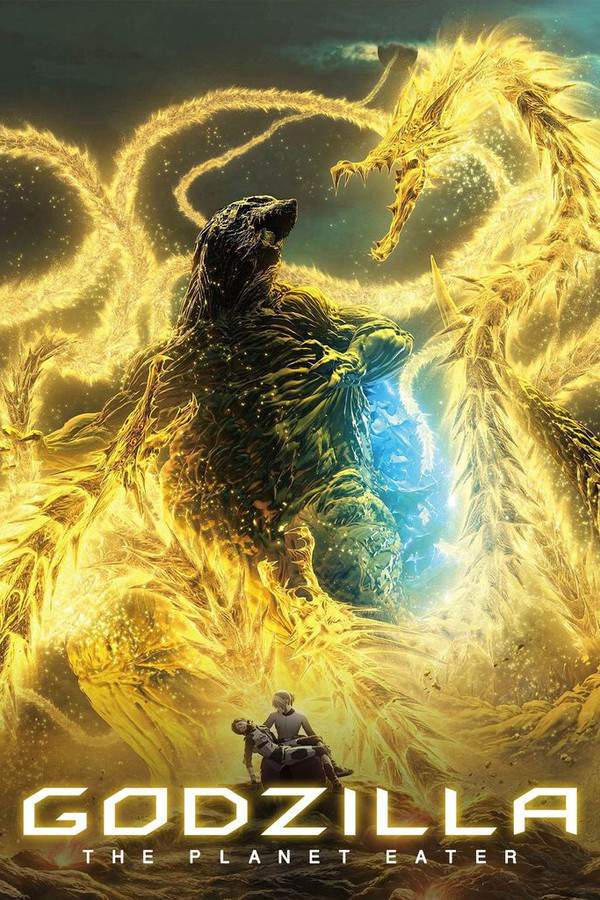
Godzilla: The Planet Eater (2019) Movie Recap & Themes
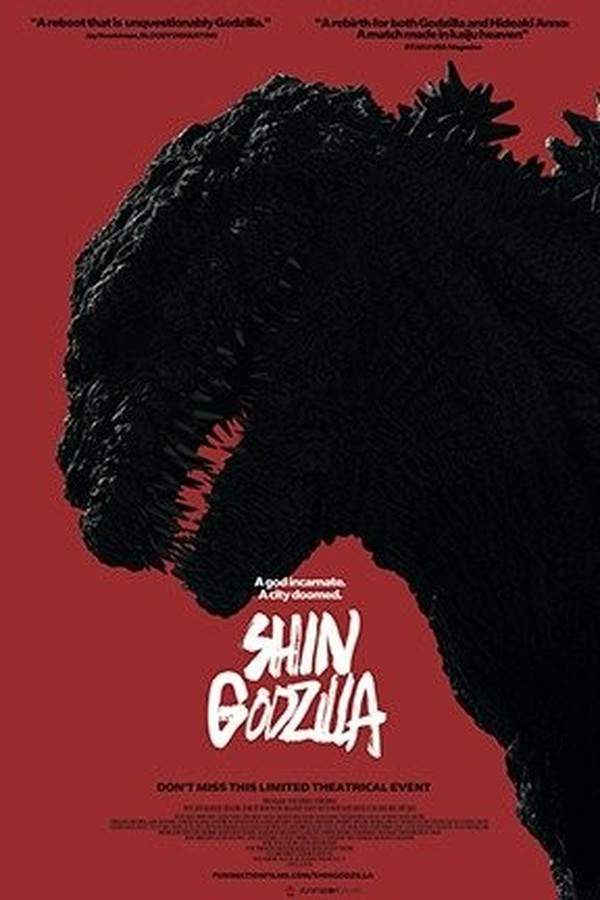
Shin Godzilla (Godzilla Resurgence) (2016) Spoiler-Packed Plot Recap
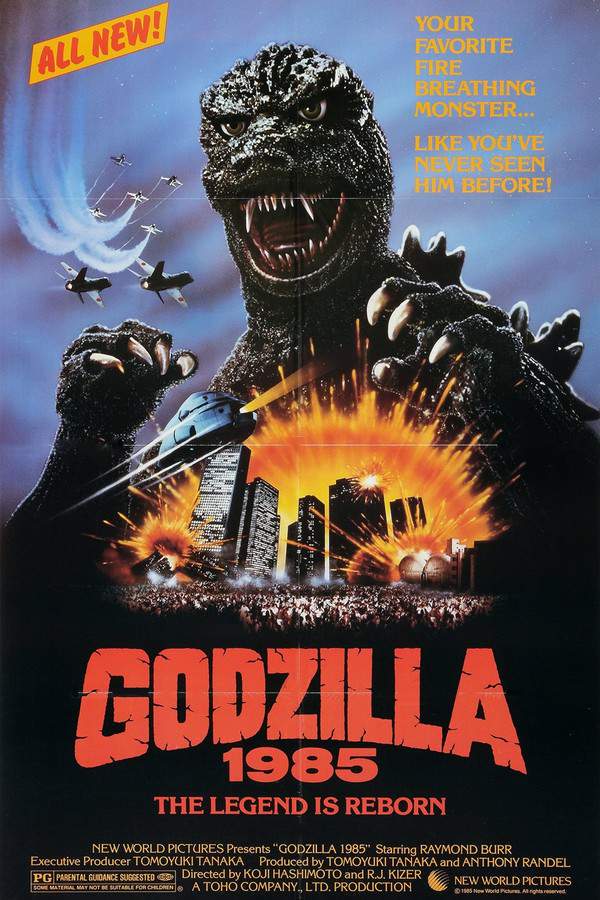
Godzilla 1985 (1985) Full Summary & Key Details
Godzilla (2014) Full Summary & Key Details
Godzilla (1998) Plot Summary & Ending Explained
Godzilla: Tokyo S.O.S. (2003) Plot Summary & Ending Explained
Godzilla vs. Megaguirus (2000) Movie Recap & Themes
Godzilla vs. King Ghidorah (1991) Story Summary & Characters
The Return of Godzilla (1984) Spoiler-Packed Plot Recap
Godzilla vs. Mechagodzilla (1974) Plot Summary & Ending Explained
Godzilla vs. Gigan (1972) Plot Summary & Ending Explained
Ghidorah, the Three-Headed Monster (1964) Plot Summary & Ending Explained
Mothra vs. Godzilla (1964) Plot Summary & Ending Explained
Godzilla (1954) Complete Plot Breakdown