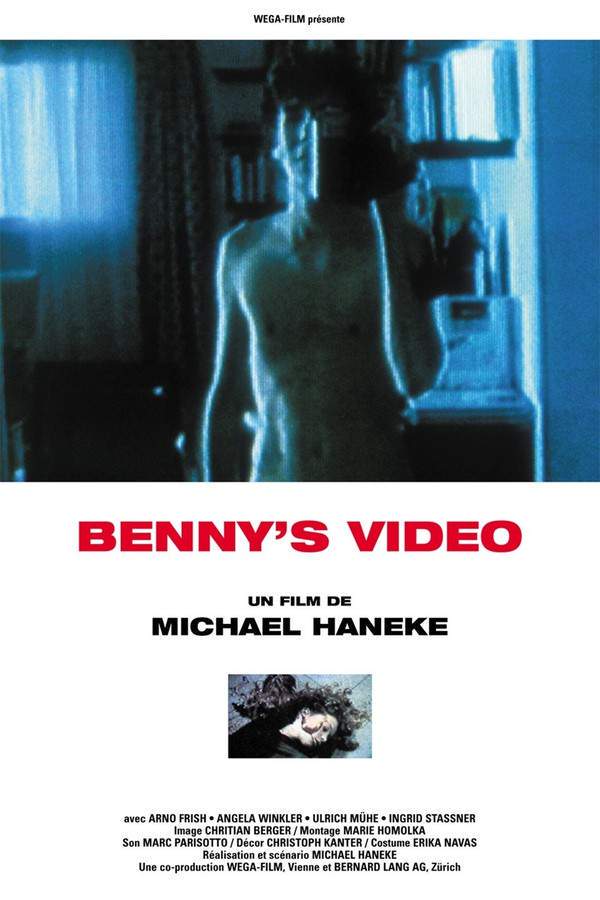
A disturbing look at adolescent obsession, the film follows 14-year-old Benny, whose interest in violence and technology leads him down a dangerous path. After inadvertently recording a murder, he involves his parents in a desperate attempt to conceal the crime. Their efforts to escape justice take them on a harrowing journey through Egypt, exposing a chilling descent into moral decay and the breakdown of a family.
Find where to stream, rent, or buy Benny's Video (1992) (1994) in the US with current JustWatch availability, up-to-date pricing, and platform listings for subscription, rental, and digital purchase options.
Warning: spoilers below!
Haven’t seen Benny's Video (1992) yet? This summary contains major spoilers. Bookmark the page, watch the movie, and come back for the full breakdown. If you're ready, scroll on and relive the story!
Trace every key event in Benny's Video (1992) (1994) with our detailed, chronological timeline. Perfect for unpacking nonlinear stories, spotting hidden connections, and understanding how each scene builds toward the film’s climax. Whether you're revisiting or decoding for the first time, this timeline gives you the full picture.
Last updated: November 07, 2024 at 22:37
Find frequently asked questions about the Benny's Video (1992) (1994) timeline, including chronological order, nonlinear jumps, cause-and-effect links, and scene sequence clarifications. This timeline FAQ helps explain when key events happen, how moments connect, and why the story unfolds in that specific order.
Benny shows his parents the footage because he is emotionally detached and craves their attention, even if it's negative. His parents have been emotionally absent throughout his life, offering only sparse, cool advice. By revealing the murder, Benny forces them to confront him and engage with him, though this backfires as they react with pragmatic concern about escaping justice rather than moral shock. The video becomes his way of making them acknowledge his existence.
Benny's earlier disturbing documentary about pig slaughter demonstrates his pattern of using video to process and communicate violent experiences.
Benny's parents choose to cover up the murder because they are more concerned with protecting their family reputation and avoiding consequences than confronting the moral gravity of their son's actions. Instead of turning him in or seeking help, they react with calculated pragmatism, planning a vacation to Egypt while disposing of evidence. Their response reveals a complete moral collapse, as they prioritize self-preservation over addressing their son's psychological disturbance or seeking justice for Ingrid.
The parents' emotional absence and cool parenting style throughout the film establish their inability or unwillingness to properly handle crisis.
Benny kills Ingrid during a reckless dare involving the captive bolt gun he stole. The murder appears to be driven by Benny's disturbing fascination with violence, which he has already demonstrated through his documentary about pig slaughter. He treats the killing almost as another experiment, capturing it on video like his other recordings. The act reflects his profound emotional detachment and inability to understand the real consequences of violence, treating human life with the same casualness as his animal slaughter footage.
Benny's earlier documentary showing the pig being killed with a captive bolt establishes his interest in filming death and violent acts.
Benny steals the captive bolt gun, which is typically used in slaughterhouses to kill livestock humanely. He uses it to create his disturbing documentary showing the pig being slaughtered, demonstrating his willingness to take dangerous objects for his violent experiments. The weapon becomes the instrument of both his documentary work and his actual murder of Ingrid.
The captive bolt appears in Benny's pig slaughter documentary, establishing it as his tool of choice for violent content.
Benny displays no remorse or emotional response because he is profoundly detached from reality and the gravity of his actions. His emotional disconnect stems from growing up with absentee parents who provided only convenience foods and minimal affection. He has spent his adolescence immersing himself in violent footage and documenting death, which has numbed his ability to process normal human emotions. To Benny, killing Ingrid is merely another video to add to his collection, not a moral transgression.
Benny's isolation at home, spending hours alone with his camera and video footage, establishes his pattern of processing the world through a lens rather than direct experience.
Benny's parents plan to flee to Egypt as part of their cover-up strategy, using the vacation as a way to remove Benny from the scene of the crime while they figure out how to dispose of evidence. Egypt represents an escape from justice, a place where they believe the authorities cannot reach them. This decision underscores the family's moral decay, as they treat the murder as a problem to be solved through evasion rather than accountability.
The parents' immediate shift to planning a vacation reveals their priority is self-preservation rather than addressing the crime.
Benny hides Ingrid's lifeless body in his closet after killing her. This location, within his own bedroom, reflects his disturbing detachment and lack of fear about the evidence being discovered. He continues with normal activities like preparing for a school disco and planning a sleepover, treating the concealment of a corpse as a minor inconvenience rather than a horrifying act.
Benny's earlier hiding of evidence during his documentary work shows his willingness to keep violent content private.
Benny's documentary about slaughtering a pig serves as a disturbing prelude to the human murder, establishing his fascination with recording death. The film opens with this graphic footage, showing Benny's obsession with violence and his use of video technology to capture and relive traumatic events. It also demonstrates his blurred lines between documenting reality and participating in violence, foreshadowing his willingness to kill Ingrid and film it.
The opening scene directly parallels the murder, showing that Benny has crossed from observer to participant in violence.
Benny's parents react with shock but then shift immediately to pragmatic problem-solving. Rather than expressing horror or moral condemnation, they focus on how to protect Benny and themselves from consequences. This chilling response reveals their moral bankruptcy, they treat their son's filmed murder of a teenage girl as a family crisis to be managed, not as an atrocity requiring accountability. Their calm calculation is more disturbing than if they had reacted with panic.
The parents' earlier cool and sparse engagement with Benny establishes their emotional distance and inability to respond appropriately to crisis.
The ending implies that Benny's family escapes justice and continues their descent into moral corruption. By fleeing to Egypt, they avoid immediate consequences, but the film suggests this is not redemption, it's a continuation of their moral decay. The family remains trapped in their dysfunction, with no catharsis or punishment. The bleak conclusion indicates they will carry the weight of their complicity indefinitely, with Benny's psychological disturbance unaddressed and Ingrid's death unaccounted for.
The film's steady pacing toward the family's escape, rather than toward accountability, builds toward this inescapable conclusion.
Benny gets a dramatic haircut right before confronting his parents with the murder footage, signaling a psychological transformation. The short hair represents an attempt to appear more adult or serious, possibly to command respect when delivering his shocking revelation. His father criticizes the new look, telling him he looks like a convict, which becomes ironically prophetic once Benny confesses to murder. The haircut marks his shift from adolescent to someone capable of premeditated violence.
The father's comment about looking like a convict foreshadows the criminal act Benny is about to reveal.
Benny uses his video camera as a way to process his disconnected relationship with reality. Unable to form meaningful emotional connections with people, he channels his experiences into recordings, watching them repeatedly on his TV in solitude. The camera transforms real experiences into consumable content, which explains why he treats Ingrid's murder the same way he treated the pig slaughter, as something to be filmed and reviewed rather than experienced emotionally. His obsession reflects his inability to engage with the world directly.
Benny's pattern of replaying his videos alone establishes early that he processes life through the lens rather than lived experience.
Discover curated groups of movies connected by mood, themes, and story style. Browse collections built around emotion, atmosphere, and narrative focus to easily find films that match what you feel like watching right now.
Stories where characters' amorality is observed with chilling, detached precision.If you appreciated the cold, detached perspective on amorality in Benny's Video, this thread collects similar movies. Discover other films that use a clinical, observational style to explore the breakdown of ethics and the chilling reality of characters insulated from their own violent acts.
Films in this thread often follow characters, often from privileged or insulated backgrounds, as they commit acts of violence or moral transgression. The narrative unfolds without moral judgment from the film itself, focusing instead on the procedural details and the characters' emotional detachment, leading to a stark portrayal of ethical collapse.
These movies are grouped by their shared cold and clinical tone, high emotional weight from disturbing themes, and a focus on the disintegration of morality. They create a similar unsettling atmosphere by prioritizing observation over overt drama, making the audience a detached witness to horrific events.
Families shattered by a single event, bound together by a terrible secret.For viewers who found the dynamic of a family collapsing under the pressure of a hidden crime compelling in Benny's Video. This list finds similar movies about dysfunctional families, parental complicity in a child's crime, and the harrowing journey of concealing evidence to protect a broken unit.
The narrative pattern typically begins with a shocking act, often committed by a younger family member. The story then follows the parents' pragmatic and morally compromised decision to conceal the truth, leading to a tense, methodical unravelling of their lives as they try to maintain a facade of normalcy while being consumed from within.
These films share a core plot mechanism: a family's attempt to hide a grave crime. They are united by a heavy emotional weight, bleak endings, and a steady pacing that methodically charts the psychological destruction of the family, creating a consistent vibe of claustrophobic tension and inevitable doom.
Don't stop at just watching - explore Benny's Video (1992) in full detail. From the complete plot summary and scene-by-scene timeline to character breakdowns, thematic analysis, and a deep dive into the ending - every page helps you truly understand what Benny's Video (1992) is all about. Plus, discover what's next after the movie.
Read a complete plot summary of Benny's Video (1992), including all key story points, character arcs, and turning points. This in-depth recap is ideal for understanding the narrative structure or reviewing what happened in the movie.
Discover the characters, locations, and core themes that shape Benny's Video (1992). Get insights into symbolic elements, setting significance, and deeper narrative meaning - ideal for thematic analysis and movie breakdowns.
Discover movies like Benny's Video (1992) that share similar genres, themes, and storytelling elements. Whether you’re drawn to the atmosphere, character arcs, or plot structure, these curated recommendations will help you explore more films you’ll love.
Benny's Video (1992) (1994) Plot Summary & Movie Recap
Benny's Video (1992) (1994) Scene-by-Scene Movie Timeline
Benny's Video (1992) (1994) Spoiler-Free Summary & Key Flow
Movies Like Benny's Video (1992) – Similar Titles You’ll Enjoy
Capturing the Friedmans (2003) Ending Explained & Film Insights
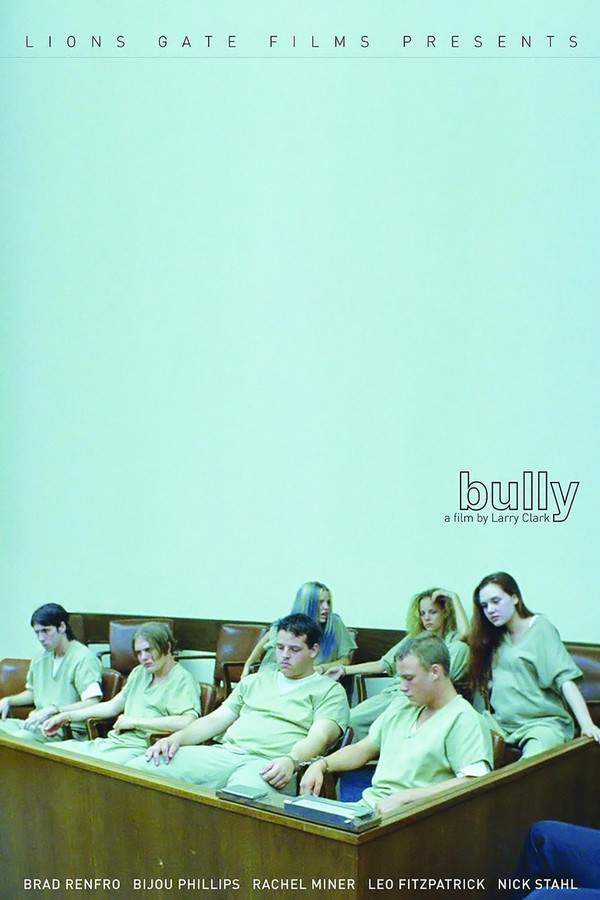
Bully (2001) Spoiler-Packed Plot Recap
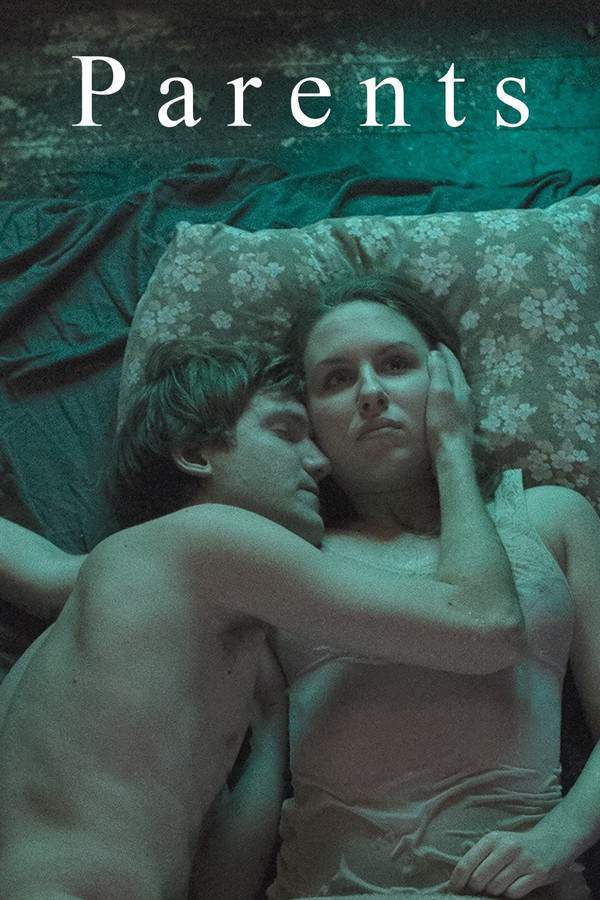
Parents (1989) Film Overview & Timeline
The Jeffrey Dahmer Files (2013) Ending Explained & Film Insights
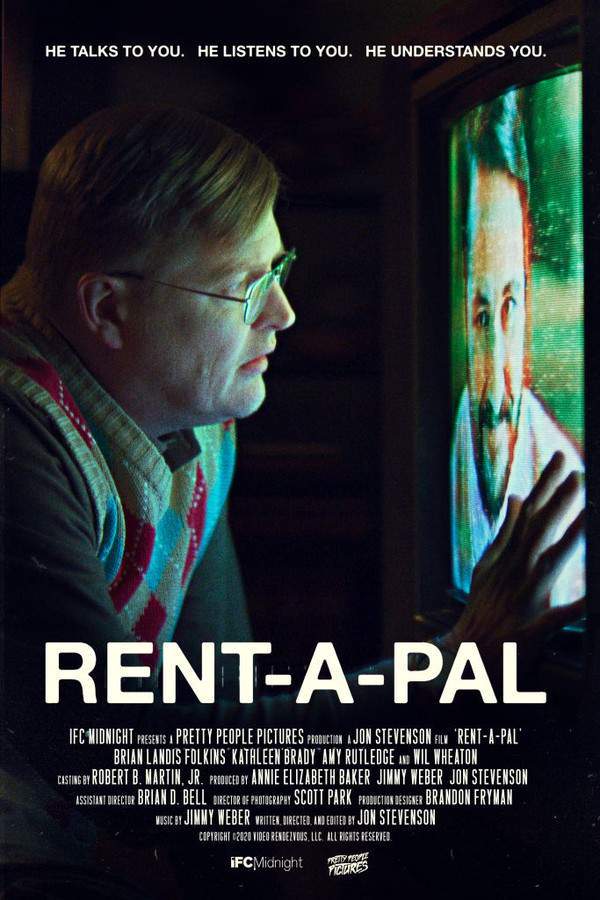
Rent-A-Pal (2020) Complete Plot Breakdown
The Child I Never Was (2004) Film Overview & Timeline
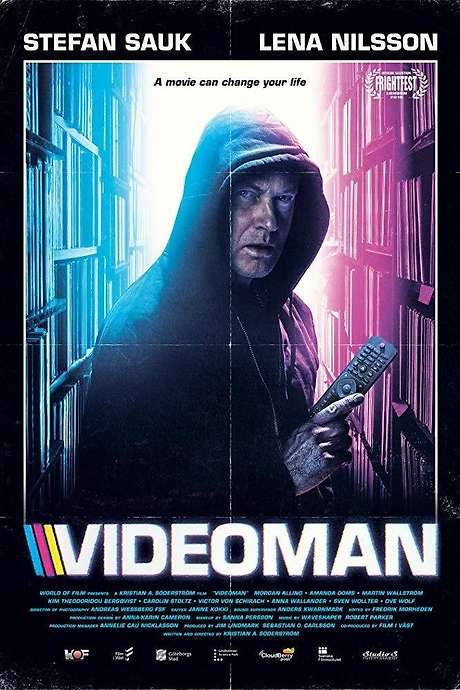
Videoman (2018) Spoiler-Packed Plot Recap
The Video Diary of Ricardo Lopez (2000) Detailed Story Recap
Exhibit A (2007) Film Overview & Timeline
Used Innocence (1989) Spoiler-Packed Plot Recap
Watching This Movie Is a Crime! (2021) Detailed Story Recap
Slaughter of the Innocents (1993) Detailed Story Recap
Johnny (1999) Ending Explained & Film Insights
The Butcher Boy (1997) Film Overview & Timeline
Benny’s Video (1992) Ending Explained & Film Insights