Plot Explained Spoilers guaranteed!
Plot Explained

Browse by genre

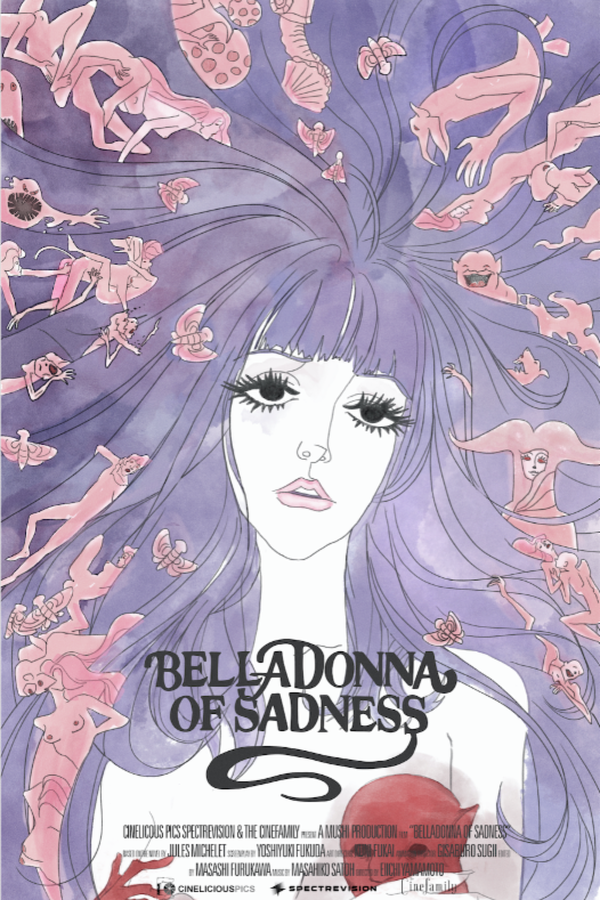
Belladonna of Sadness (1973) movie poster

Timeline

Belladonna of Sadness (1973) Timeline Explained – Every Event in Order

Release, runtime and language
1973 · 86 mins · Japanese
Directed by
Eiichi Yamamoto
Starring
Tatsuya Nakadai, Masakane Yonekura, Masaya Takahashi, Takao Ito, Aiko Nagayama, Shigako Shimegi

After a brutal feudal lord forces himself on a bride on her wedding night, he shatters her life and that of her husband. Banished from her village, the woman turns to a pact with the devil, gaining the magical power of the belladonna—a flower that blossoms from tears—to exact a haunting revenge.

On this page (6)
  1. 1 Where to watch
  2. 2 Events in order (13)
  3. 3 Timeline questions answered
  4. 4 Movie threads
  5. 5 Movies like Belladonna of Sadness
  6. 6 Every angle

Where to watch

Where to Watch Belladonna of Sadness (1973)

Where can you watch Belladonna of Sadness? Stream, rent or buy it in the US, including on Google Play Movies and YouTube: current JustWatch availability with up-to-date prices.

Streaming availability powered by JustWatch

13 events in order · contains spoilers

Belladonna of Sadness Timeline: Events in Chronological Order

Every key event of Belladonna of Sadness (1973) in order, scene by scene, with when and where it takes place. Use it to untangle flashbacks, time jumps and parallel storylines, to refresh your memory before the sequel or to find the exact scene you are thinking of.

  1. Wedding night tragedy

    On their wedding night, Jeanne is raped by the local baron and his courtiers. Jean attempts to comfort her and suggests they can start over from that moment. Moments after they embrace, Jean strangles Jeanne into unconsciousness and flees into the night.

    When
    Wedding night
    Where
    Jeanne and Jean's home, rural village
  2. First visions of a power-spirit

    That night Jeanne begins to see a phallic-headed spirit promising power and growth. The spirit claims it heard her call for help and can become as mighty as she desires. Its presence marks the first crack in her world, even as Jean remains unaware.

    When
    Soon after the wedding night
    Where
    Their home, rural France
  3. Famine, taxes, and the severing of power

    As famine grips the village, the baron raises taxes to fund his war effort. Jean is elevated to the role of tax collector, but the baron cuts off his hand when he cannot extract enough money. The loss leaves Jean miserable and drinking in defeat.

    When
    During famine, after the rise of power
    Where
    Village and baron's domain
  4. The spirit's second visit and bargaining

    The spirit grows larger and returns to visit Jeanne, raping her again in exchange for more riches. She submits, but she insists her soul remains with Jean and God. The encounter deepens her pact with power and wealth.

    When
    After the first apparition
    Where
    In their home / vision
  5. Jeanne expands power through debt

    Jeanne takes out a large loan from a usurer and dives into the village's trade networks, building real economic influence. Her wealth grows as the baron returns from war, and she becomes the true power shaping events. The shift places Jean further in the background.

    When
    Following her rise through debt
    Where
    Village markets and financial centers
  6. Baron's return and the mob's tide

    The baron returns victorious from war, and his wife grows jealous of Jeanne's influence, branding her a witch and rallying the villagers against her. Jeanne tries to flee to her home, but Jean is drunk and won't open the door, leaving her vulnerable to the mob.

    When
    After the baron's war victory
    Where
    Village streets and Jeanne's home
  7. Escape to the forest and a diabolic bargain

    Jeanne escapes into the forest to evade capture, where the spirit reveals itself as the Devil and grants her greater magical powers after she makes a deal. She returns to the village with her enhanced abilities and new confidence.

    When
    That evening
    Where
    Forest outside the village
  8. Plague, cure, and ritual power

    A plague sweeps the village, and Jeanne uses her powers to create a cure, drawing the desperate villagers to her side. She also presides over orgiastic rites as her influence over the community deepens. The plague becomes a tool for consolidating her power.

    When
    After the cure becomes known
    Where
    Village
  9. Love potion, seduction, and tragedy

    A page falls in love with the baron's wife and asks Jeanne for help to win her. She provides a love potion that enables the attempt, but the baron discovers the affair and kills both the page and the wife. Jealously and violence escalate in the household and court.

    When
    Following the plague episode
    Where
    Baron's castle
  10. A meeting invited; power offered and refused

    The baron invites Jeanne to a meeting and she reconciles with Jean. He offers to make her the second-highest noble in exchange for sharing the plague cure, but she refuses, vowing to seize power rather than share it. The tension between ambition and loyalty peaks here.

    When
    After the page incident
    Where
    Baronial hall
  11. Burning orders and the heroes' downfall

    Angered by her defiance, the baron orders Jeanne burned at the stake. Jean is killed by the baron's soldiers when he tries to retaliate, provoking a furious response from the villagers. The execution marks a climactic turning point in the village's fate.

    When
    At the burning
    Where
    Village square
  12. The burning and the soul's endurance

    As flames rise, the faces of the village's women transform into Jeanne's, fulfilling a priest's warning that a witch burned with pride would survive and spread. Her soul's influence persists, seeding a malevolent legacy rather than a simple death.

    When
    During the burning
    Where
    Village square
  13. Centuries later: seeds of revolution

    Centuries after Jeanne's death, the influence of her spirit is said to have sparked the French Revolution, altering the course of history from behind the scenes. Her legend endures as a force that continues to shape people and events long after her death.

    When
    Centuries later (French Revolution)
    Where
    France

Last updated: October 09, 2025 at 11:21

Was this helpful?

Timeline questions answered

Belladonna of Sadness Timeline Explained: Your Questions Answered

When does it happen, and why in that order? The questions people ask about the chronology of Belladonna of Sadness (1973): time jumps, flashbacks, cause and effect between scenes and the correct order of events, each answered with spoilers.

Q1

Why does Jean strangle Jeanne on their wedding night?

After Jeanne is brutalized by the baron, Jean tries to comfort her and tells her they can start fresh from that moment. However, overwhelmed by fear, anger, and trauma, he suddenly strangles her into unconsciousness and flees into the night. His action represents the shattering of their relationship under the weight of violence and helplessness.

  • jeanne
  • jean
  • wedding night
  • strangle
  • trauma
  • baron
Q2

What is the phallic-headed spirit that appears to Jeanne?

The phallic-headed spirit manifests as a supernatural entity representing both Jeanne's latent desire for power and the violation she has suffered. It claims to have heard her cry for help and promises to grow as mighty as she wishes, appearing first as a small vision and growing larger with each encounter.

Foreshadowing: The spirit appears immediately after Jeanne's assault, feeding on her trauma and desperate need for agency.

  • phallic spirit
  • jeanne
  • devil
  • pact
  • supernatural
  • power
Q3

Why does Jeanne continue meeting with the spirit after it assaults her?

Despite being violated again by the spirit, Jeanne keeps engaging with it because she believes each encounter grants her tangible power, riches and influence that can challenge the baron's authority. She maintains that her soul remains with Jean and God, viewing the transactions as a strategic exchange rather than submission.

  • jeanne
  • spirit
  • pact
  • power
  • riches
  • assault
Q4

Why does the baron cut off Jean's hand?

The baron raises taxes to fund his wars during the famine and forces Jean into the role of tax collector. When Jean cannot extract enough money from the starving villagers, the baron punishes him by severing his hand as both punishment and public demonstration of his ruthless power.

  • baron
  • jean
  • hand
  • taxes
  • famine
  • punishment
Q5

Why does Jeanne borrow heavily from a usurer to gain influence?

After the spirit's attacks leave her with wealth, Jeanne takes a large loan from a usurer and invests it in the village's trade networks. This allows her to accumulate economic power that rivals the baron's, making her the true force shaping the village's fortunes while the baron is away at war.

  • jeanne
  • usurer
  • debt
  • power
  • economics
  • village
Q6

Why does the baron's wife label Jeanne a witch and turn the village against her?

When the baron returns victorious from war, his wife becomes jealous of Jeanne's growing wealth and influence in the village. She publicly brands Jeanne a witch and rallies the villagers to attack her, using fear and superstition to destroy a rival for power.

  • baroness
  • jeanne
  • witch
  • mob
  • jealousy
  • accusation
Q7

Why does Jean refuse to open the door when Jeanne returns fleeing the mob?

Jean has fallen into heavy drinking and intoxication after losing his hand and status. When Jeanne desperately returns home seeking shelter, he is too drunk to answer the door, leaving her vulnerable to assault by the mob outside.

  • jean
  • jeanne
  • door
  • mob
  • drunk
  • alcohol
  • betrayal
Q8

Why does Jeanne give the page a love potion for the baron's wife?

A love-struck page asks Jeanne for help seducing the baron's wife. Jeanne provides a love potion, which works until the baron discovers the affair and kills both lovers in a jealous rage. By destabilizing the baron's household, Jeanne weakens his power while advancing her own revenge.

  • jeanne
  • page
  • love potion
  • baron wife
  • seduction
  • revenge
Q9

Why does Jeanne refuse the baron's offer to make her second-highest noble?

The baron invites Jeanne to a meeting and offers her the position of second-highest noble in exchange for sharing her plague cure. She refuses, declaring she will seize all power rather than accept a shared portion. Her ambition extends beyond the baron's domain, she dreams of dominating the world.

Foreshadowing: This occurs after Jeanne reconciles with Jean, making her refusal a definitive choice for power over compromise.

  • jeanne
  • baron
  • offer
  • noble
  • power
  • cure
  • refusal
  • ambition
Q10

What happens to the village women's faces during Jeanne's burning?

As Jeanne burns at the stake, the faces of the village women transform to resemble her own. This fulfills a priest's warning that a prideful witch burned with defiance would survive and spread her soul's influence through other women, ensuring her legacy of vengeance persists.

Foreshadowing: The priest explicitly warns earlier that a witch burned with pride would have her soul survive and spread.

  • jeanne
  • burning
  • faces
  • women
  • priest
  • soul
  • transformation
Q11

How does Jeanne's spirit connect to the French Revolution centuries later?

Centuries after Jeanne's death, her lingering spirit is said to have sown the seeds of the French Revolution. The film suggests her personal tragedy of oppression, exploitation, and vengeful ambition became a catalytic force that eventually toppled the very feudal system that destroyed her.

  • jeanne
  • french revolution
  • spirit
  • centuries
  • legacy
  • revenge
  • history
Q12

Why does Jeanne make a pact with the Devil in the forest?

After escaping the soldiers and fleeing into the forest, Jeanne encounters the spirit in its true form as the Devil. She makes a formal pact with him to gain greater magical powers, returning to the village with enhanced abilities to create a plague cure and command the desperate villagers.

Foreshadowing: The phallic spirit has been visiting Jeanne since her wedding night, gradually revealing its true identity.

  • jeanne
  • devil
  • pact
  • forest
  • magic
  • power
  • escape

Movie threads

More Movies Like Belladonna of Sadness, by Mood & Story

Curated lists built around what makes Belladonna of Sadness tick: the same mood, the same kind of story or the same emotional payoff. Each list explains why these movies belong together.

Surreal revenge stories like Belladonna of Sadness

Visually experimental and harrowing journeys of victims turning to supernatural power. Explore movies like Belladonna of Sadness that blend intense psychedelic animation with profound themes of trauma and vengeance. If you liked the harrowing, surreal visual style and the narrative of a victim's supernatural empowerment, these films offer a similarly challenging and immersive experience.

  • surreal
  • harrowing
  • vengeful
  • psychedelic
  • unsettling
  • oppressive
  • Tone: dark, harrowing, surreal
  • Pacing: variable, atmospheric
Why these movies?

The story pattern: The narrative pattern typically follows a protagonist who endures extreme violation or injustice, often breaking their spirit and reality. Their path to revenge or liberation is not conventional but involves a descent into a dreamlike or hallucinatory state, where they gain otherworldly power, blurring the lines between psychological breakdown and mystical awakening.

Why they belong together: Movies in this thread are grouped by their shared commitment to using avant-garde, non-realistic visuals to express deep psychological pain and the radical transformation that follows. They share a dark, oppressive tone, high emotional intensity, and a focus on the intersection of trauma, feminism, and supernatural forces.
Bleak historical allegories like Belladonna of Sadness

Grim period stories where personal tragedy reflects systemic collapse. Find movies similar to Belladonna of Sadness that use a bleak historical setting to tell a story of profound injustice and its consequences. If you were captivated by the film's allegorical depth, medieval oppression, and its connection of personal trauma to a grim historical legacy, these recommendations will resonate.

  • bleak
  • oppressive
  • melancholic
  • unsettling
  • harrowing
  • vengeful
  • Tone: dark, bleak, oppressive
  • Pacing: variable, deliberate
Why these movies?

The story pattern: Stories in this thread unfold in a meticulously realized but cruel historical world. A central character's devastating experience—often involving sexual violence, witchcraft accusations, or feudal abuse—serves as a microcosm for the corruption and hysteria of the era. The ending is typically bleak for the individual, but hints grimly at a larger, historical reckoning to come.

Why they belong together: These films are united by their use of a historical setting not for adventure, but to explore themes of power, oppression, and collective trauma. They share a dark tone, complex narrative structures that blend realism with allegory, a heavy emotional weight, and a profoundly bleak conclusion that provides a cold, intellectual form of catharsis.

If you liked this

Movies Like Belladonna of Sadness

Similar movies to Belladonna of Sadness: the same genre, themes or kind of story. Each one comes with its own plot summary, timeline and ending explained.

Browse all movie summaries

Every angle

Belladonna of Sadness (1973) Explained: Plot, Timeline & Characters

Everything about Belladonna of Sadness in one place: what happens in the plot summary, the timeline in chronological order, the characters and meaning and a spoiler-free summary. What's After the Movie adds the cast, box office and post-credit scenes.

Coming soon on iOS and Android

The Plot Explained Movie Summary App

Plot summaries, endings explained and timelines on your phone. Catch up on any movie in minutes, save your favorites and never miss a twist again.

Be the first to know when we launch. Your email stays private, always.

Learn more about the app