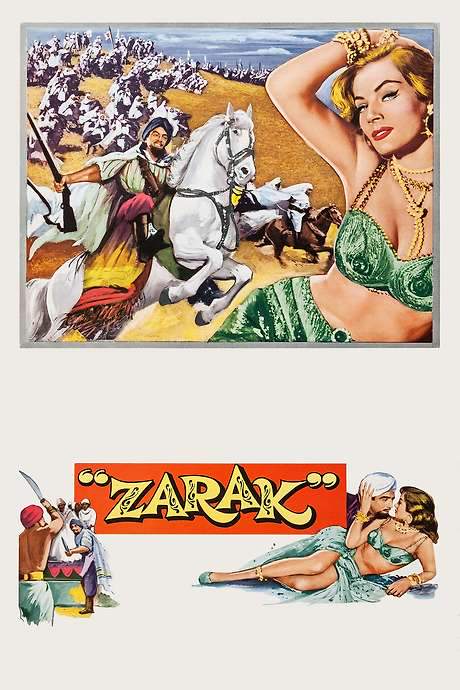
Battal Gazi Destanı

Battal Gazi Destanı

Year: 1971

Runtime: 97 mins

Language: Turkish

Director: Atıf Yılmaz

HistoryWarAction

Depiction of the life of the legendary Muslim Serdar of Malatya, Battal Gazi.

Warning: spoilers below!

Haven’t seen Battal Gazi Destanı yet? This summary contains major spoilers. Bookmark the page, watch the movie, and come back for the full breakdown. If you're ready, scroll on and relive the story!

Battal Gazi Destanı (1971) – Full Plot Summary & Ending Explained

Read the complete plot breakdown of Battal Gazi Destanı (1971), including all key story events, major twists, and the ending explained in detail. Discover what really happened, and what it all means.

Battal Gazi Cüneyt Arkın is the son of Hüseyin Gazi Cüneyt Arkın, whose life is cut short in an ambush staged by three Byzantine warlords. Driven by grief and a resolute vow for revenge, Battal embarks on a long, brutal drive through a landscape of sieges and skirmishes. He swiftly takes down two of the warlords, showcasing a blend of bold swordplay, rugged endurance, and sharp tactical instinct. Yet the final foe proves to be the Byzantine Emperor, Leon, presenting Battal with a formidable challenge that sits at the heart of a sweeping, violent campaign.

Along this arduous path, Battal confronts Hammer, famed as the greatest Christian knight of the era. In a climactic duel, Hammer is bested, and in a remarkable turn of fate, he renounces his faith and embraces Islam, becoming a steadfast ally to Battal Gazi. The alliance signals a shift in the balance of power and adds a new dynamic to Battal’s quest for vengeance, transforming a lone avenger into a leader who can rally diverse forces around a shared cause.

The film leans into the classic patterns of Turkish cinema from its era. There are clear, if simplistic, prejudices about the Byzantine side, depicted as vandals and invaders, juxtaposed with heroic, almost mythic feats by Battal. The battles unfold on a grand, sometimes sensational scale, with Battal facing down entire armies through a combination of skill, courage, and sheer will. The visual world is rich in medieval pageantry—the costumes are elaborate, plumed helmets glint under the sun, and the mood often tilts toward epic fable rather than strict historical realism.

Over time, the movie has become famous for its memorable lines, many of which have echoed beyond the screen and found their way into popular culture. The dialogue—punchy, bold, and occasionally quotable—helps cement the film’s reputation as a touchstone of the era’s action cinema. One line in particular has endured as a staple of fan recollections:

Ben senin kancık kelleni ödlek bedeninden ayırmaya geldim!

Beyond its action and style, the film invites discussion about historical and cultural portrayal. It places Battal Ghazi within a Turcoman frame, a choice that has sparked debates among historians and fans alike about historical accuracy and national myth. Some scholars point out that Battal was probably Arab, and Malatya’s status as a Turkic-ruled region would come later in history. Nonetheless, the film stands as a landmark within a broader “wave of history” in Turkish cinema, a strand that dominated popular filmmaking from the late 1960s through the early 1980s. It’s celebrated for its ambition, its adventurous spirit, and its enduring influence on the genre, even as it invites viewers to consider how myth and memory shape collective storytelling.

In the end, the film’s enduring appeal lies in its larger-than-life energy, its vivid visuals, and its unapologetic pulp warmth. It remains a touchstone for fans of historical action cinema, a bold example of how Turkish filmmakers of the era imagined heroic epics, and a work whose quotable moments and rousing battles continue to echo in the broader tapestry of genre cinema.

Last updated: February 24, 2026 at 13:55

Was this helpful?

Battal Gazi Destanı (1971) Plot Questions Answered – Summary FAQ

Explore frequently asked questions about Battal Gazi Destanı (1971) with spoiler-rich answers covering the full plot summary, major story beats, character motivations, hidden details, and ending meaning. This movie summary FAQ helps explain confusing scenes, plot twists, and narrative decisions in clear, searchable detail.

Q1

Why does Battal vow to kill all three Byzantine warlords?

A.

Battal witnesses his father Hüseyin Gazi being killed in an ambush by three Byzantine warlords. The attack shatters his family and honor, so he makes a solemn vow to pursue and eliminate every warlord responsible. This revenge drives the entire narrative, transforming his personal grief into a determined quest across Anatolia.

The opening ambush establishes the personal stakes that propel Battal throughout his journey.

revengeambushHüseyin GaziByzantine warlordsvow
Q2

What motivates Hammer to convert to Islam after being defeated?

A.

After Battal defeats Hammer in their spectacular duel, the Christian knight experiences a profound transformation. Rather than die or remain defiant, Hammer chooses to renounce his faith and embrace Islam. This radical shift is driven by his respect for Battal's martial prowess and character, combined with the film’s theme that true strength lies in humility and faith.

Their duel reveals mutual respect even as they fight to the death, foreshadowing their eventual alliance.

HammerconversionIslamChristian knightduelfaith
Q3

How does Battal manage to defeat entire armies on his own?

A.

Battal combines exceptional swordsmanship, tactical intelligence, and sheer determination. The film portrays him as a legendary warrior whose skills far exceed ordinary soldiers. His victories come from bold strikes, endurance, and the element of surprise, allowing him to cut through numbers by targeting leaders and creating chaos among rank-and-file troops.

Earlier victories against individual warlords demonstrate the skill that makes army-wide combat possible.

battlearmiessword fightingwarriorcombat
Q4

Why does the Byzantine Emperor personally kill Battal's father?

A.

The film reveals that Emperor Leon himself participated in the ambush against Hüseyin Gazi, making the revenge not just a personal vendetta but a confrontation with the Byzantine Empire itself. This twist raises the stakes dramatically, as Battal must face not just warlords but the ruler of the empire.

The third warlord's identity is withheld until the climax, building tension around the ultimate confrontation.

Emperor LeonByzantineambushHüseyin Gaziempire
Q5

How do Battal and Hammer become allies after being enemies?

A.

Their alliance forms through a dramatic transformation following their duel. After Battal defeats Hammer, rather than killing him, he earns the Christian knight's respect. Hammer's conversion to Islam becomes the bridge between them, and he commits to fighting alongside Battal. This partnership changes Battal from a lone avenger into a leader with a powerful ally.

The duel scene shows both warriors recognizing each other's honor and skill.

alliancefriendshipHammerpartnershipbattle
Q6

Is Battal Gazi based on a real historical figure?

A.

Battal Gazi, also known as Battal Ghazi, is a legendary Muslim warrior from early Turkish history. The film places him in Malatya during the medieval period, but scholars note he was likely Arab rather than Turkic. Malatya's status as a Turkic-ruled region came later in history. The film draws on popular Turkish legends and historical novels rather than strict historical accuracy.

historical figurelegendMalatyaTurkicArabmythology
Q7

Why is this film considered a classic in Turkish cinema?

A.

The film represents the peak of the 1970s Turkish historical action genre, featuring grand battles, elaborate medieval costumes, and larger-than-life heroics. Its punchy dialogue produced famous quotes that remain popular in Turkish culture, with lines still quoted in songs and parodies decades later. The film established templates for how Turkish cinema imagined heroic epics.

Turkish cinemaclassiccultural impactquotes1970s
Q8

Why are the Byzantine characters portrayed as villains?

A.

The film follows the convention of 1970s Turkish historical cinema, depicting Byzantines as invaders and villains opposing the heroic Muslim protagonist. This reflects the era's nationalist and religious fervor rather than historical nuance. The Byzantines are shown as aggressors threatening Muslim lands, providing clear moral framing for Battal's revenge quest.

Byzantinevillainportrayalpropagandahistorical cinema
Q9

How does Battal become a legendary warrior in the film?

A.

Battal transforms from a grieving son seeking personal revenge into a legendary figure through successive victories. Each battle against the warlords increases his reputation, and his alliance with Hammer demonstrates his ability to unite former enemies. The film frames his journey as the making of a folk hero whose deeds will be remembered.

Early victories over warlords establish his growing legend across Anatolia.

legendwarriorreputationfamehero
Q10

How does the film portray relations between Muslims and Christians?

A.

The film presents a confrontational view where Muslims and Christians are opposing forces in a religious conflict. However, Hammer's conversion to Islam demonstrates the film's message that the right faith transcends background. His transformation from the greatest Christian knight to a Muslim ally symbolizes unity through faith rather than perpetual warfare.

The mutual respect shown during the duel foreshadows Hammer's eventual conversion.

MuslimChristianreligionconversionconflictunity
Mobile App Preview

Coming soon on iOS and Android

The Plot Explained Mobile App

From blockbusters to hidden gems - dive into movie stories anytime, anywhere. Save your favorites, discover plots faster, and never miss a twist again.

Sign up to be the first to know when we launch. Your email stays private, always.

Explore Movie Threads

Discover curated groups of movies connected by mood, themes, and story style. Browse collections built around emotion, atmosphere, and narrative focus to easily find films that match what you feel like watching right now.

Historical Vengeance Epics like Battal Gazi Destanı

Sweeping tales of revenge set against the backdrop of history.If you liked the vengeful quest in Battal Gazi Destanı, explore more movies featuring heroes on a personal crusade against historical foes. These films combine epic action, large-scale battles, and a straightforward narrative of retribution set in a rich historical period.

vengefulepictriumphantconfrontationaladventurousviolentdrivencathartic

Narrative Summary

The narrative follows a clear and driven arc: a grievous wrong, such as the murder of a loved one, propels the hero into a direct and often violent conflict. The plot progresses swiftly through a series of confrontations, steadily building towards a final, cathartic clash where the hero achieves their goal against a clearly defined enemy.

Why These Movies?

These films are grouped by their core focus on revenge as the primary narrative engine within a historical setting. They share a high-intensity, fast-paced, and confrontational mood, prioritizing triumphant action and clear moral stakes over complex subplots or deep ambiguity.

Intense Sword and Sandal Adventures like Battal Gazi Destanı

Action-packed stories of legendary heroes in ancient settings.Fans of the intense battles and historical setting of Battal Gazi Destanı will enjoy these similar sword and sandal movies. Discover heroic tales from ancient eras filled with clashing armies, sword fights, and legendary figures on epic quests.

intenseadventurousviolentepicheroicconfrontationalhistoricalaction

Narrative Summary

Stories in this thread typically follow a mythic or pseudo-historical hero through a series of perilous challenges. The narrative is straightforward and driven by action, focusing on physical confrontations, tests of strength, and the hero's role in a larger conflict between civilizations or faiths.

Why These Movies?

These movies are united by their specific subgenre blend of historical fiction, high-octane action, and a mythic tone. They prioritize spectacle, physical heroism, and clear-cut conflicts, offering an exciting and visceral viewing experience centered on ancient or medieval warfare.

Unlock the Full Story of Battal Gazi Destanı

Don't stop at just watching - explore Battal Gazi Destanı in full detail. From the complete plot summary and scene-by-scene timeline to character breakdowns, thematic analysis, and a deep dive into the ending - every page helps you truly understand what Battal Gazi Destanı is all about. Plus, discover what's next after the movie.

Battal Gazi Destanı Timeline

Track the full timeline of Battal Gazi Destanı with every major event arranged chronologically. Perfect for decoding non-linear storytelling, flashbacks, or parallel narratives with a clear scene-by-scene breakdown.

Battal Gazi Destanı Timeline

Characters, Settings & Themes in Battal Gazi Destanı

Discover the characters, locations, and core themes that shape Battal Gazi Destanı. Get insights into symbolic elements, setting significance, and deeper narrative meaning - ideal for thematic analysis and movie breakdowns.

Characters, Settings & Themes in Battal Gazi Destanı

Battal Gazi Destanı Spoiler-Free Summary

Get a quick, spoiler-free overview of Battal Gazi Destanı that covers the main plot points and key details without revealing any major twists or spoilers. Perfect for those who want to know what to expect before diving in.

Battal Gazi Destanı Spoiler-Free Summary

More About Battal Gazi Destanı

Visit What's After the Movie to explore more about Battal Gazi Destanı: box office results, cast and crew info, production details, post-credit scenes, and external links - all in one place for movie fans and researchers.

More About Battal Gazi Destanı

Similar Movies to Battal Gazi Destanı

Discover movies like Battal Gazi Destanı that share similar genres, themes, and storytelling elements. Whether you’re drawn to the atmosphere, character arcs, or plot structure, these curated recommendations will help you explore more films you’ll love.