







Plot Explained Spoilers guaranteed!
Plot Explained

Browse by genre

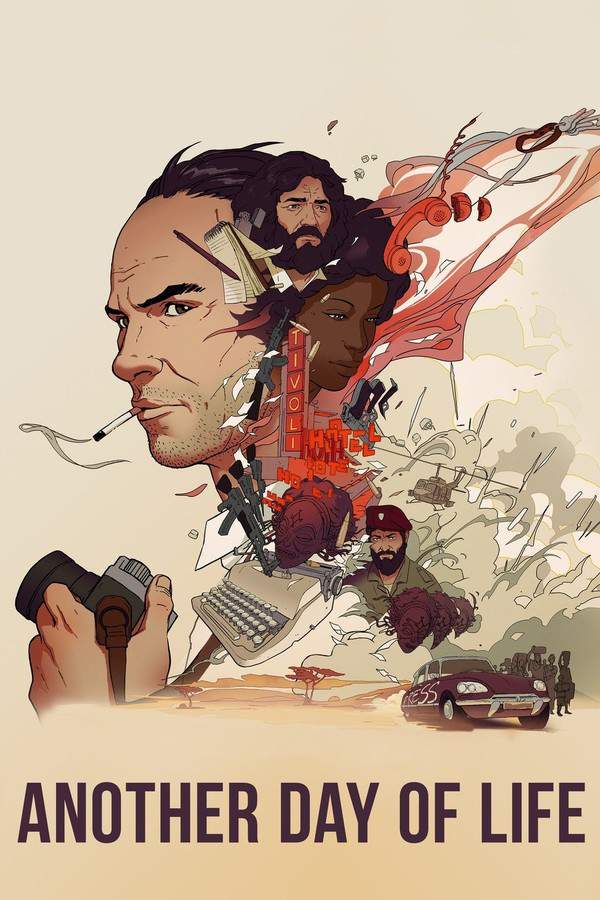
Another Day of Life (2019) movie poster

Timeline

Another Day of Life (2019) Timeline Explained – Every Event in Order

Release, runtime and language
2019 · 85 min · English
Echo score 80
Directed by
Damian Nenow, Raúl de la Fuente
Starring
Daniel Flynn, Jakub Kamienski, Kerry Shale, Miroslaw Haniszewski, Olga Boladz, Pawel Paczesny
Budget
$7.7M

This visually striking biopic recounts the harrowing experiences of a celebrated journalist as he ventures into Angola during its brutal civil war. Combining bold animation with authentic archival footage, the film follows his perilous journey through a landscape of conflict and chaos. It powerfully depicts the urgency and danger of the situation, blurring the boundaries between reality and artistic interpretation while showcasing the resilience of those caught in the crossfire.

On this page (6)
  1. 1 Where to watch
  2. 2 Events in order (12)
  3. 3 Timeline questions answered
  4. 4 Movie threads
  5. 5 Movies like Another Day of Life
  6. 6 Every angle

Where to watch

Where to Watch Another Day of Life (2019)

Where can you watch Another Day of Life? Stream, rent or buy it in the US, including on Hoopla, Kanopy and Amazon Video: current JustWatch availability with up-to-date prices.

Streaming availability powered by JustWatch

12 events in order · contains spoilers

Another Day of Life Timeline: Events in Chronological Order

Every key event of Another Day of Life (2019) in order, scene by scene, with when and where it takes place. Use it to untangle flashbacks, time jumps and parallel storylines, to refresh your memory before the sequel or to find the exact scene you are thinking of.

  1. The Carnation Revolution

    In 1975, the Carnation Revolution in Portugal sparked dramatic political changes in its former colonies, including Angola. This revolution allowed for a decolonization process to begin, fundamentally altering the trajectory of Angola's governance and society.

    When
    1975
    Where
    Portugal
  2. Exodus from Luanda

    As the political landscape in Angola shifted, Portuguese nationals rushed to leave Luanda, fearing imminent violence. The upscale districts became ghost towns as families hurriedly packed their belongings into crates, illustrating the chaos of the moment.

    When
    1975
    Where
    Luanda, Angola
  3. The Haunting Emptiness

    As the streets filled with debris and abandoned businesses, journalist Ryszard Kapuscinski began documenting the eerie silence of a city on the brink of transformation. His daily reports captured the atmosphere of fear and uncertainty pervading Luanda.

    When
    1975
    Where
    Luanda, Angola
  4. Power Struggles

    The final days before Angolan independence were marked by intense power struggles among various factions of the liberation movement. Different groups vied for control of the future republic, creating an atmosphere of instability and conflict.

    When
    1975
    Where
    Angola
  5. Kapuscinski's Decision

    In a courageous act of journalism, Kapuscinski decided to venture to the front lines of the conflict in Angola. This decision transformed his role from a mere observer to an active participant in documenting the unfolding crisis.

    When
    1975
    Where
    Front lines, Angola
  6. Facing the Conflict

    On the front lines, Kapuscinski encountered the terrifying realities of war, where each moment was fraught with danger. The absurdity of survival became apparent as he navigated the battlefield, feeling the weight of each decision he made.

    When
    1975
    Where
    Front lines, Angola
  7. Personal Connections

    During his reporting, Kapuscinski met valiant fighters like Carlota and commander Farrusco, who humanized the conflict for him. These interactions deepened his understanding of the war's impact on individual lives and shaped his narrative approach.

    When
    1975
    Where
    Front lines, Angola
  8. Torn Between Roles

    As he witnessed the brutality and heroism around him, Kapuscinski grappled with the duality of his role as a journalist. His compassion stirred an internal struggle between remaining neutral and becoming involved in the human stories unfolding around him.

    When
    1975
    Where
    Front lines, Angola
  9. A Quest for Authenticity

    Driven by empathy, Kapuscinski sought to reveal the authentic narrative of the Angolan people. He interrogated the role of the war correspondent, wrestling with the ethical implications of his reporting.

    When
    1975
    Where
    Angola
  10. Transformation as a Writer

    Through this harrowing experience, Kapuscinski underwent a profound transformation, both personally and as a writer. The war changed his perceptions and beliefs, forging a deeper connection to the stories he encountered.

    When
    1975
    Where
    Angola
  11. Return to the Past

    The film *Another Day of Life* intertwines animation and documentary-style segments, revisiting the events 40 years later. This approach allows audiences to reconnect with the characters and histories of Angola, enriching the storytelling.

    When
    2015
    Where
    Various locations in Angola
  12. Legacy of the Conflict

    The legacy of the Angolan Civil War looms large, with its impact still felt in contemporary Angolan society. The stories captured by Kapuscinski and presented in the film serve as a reminder of the resilience of those who lived through these turbulent times.

    Where
    Angola

Last updated: November 15, 2024 at 19:39

Was this helpful?

Timeline questions answered

Another Day of Life Timeline Explained: Your Questions Answered

When does it happen, and why in that order? The questions people ask about the chronology of Another Day of Life (2019): time jumps, flashbacks, cause and effect between scenes and the correct order of events, each answered with spoilers.

Q1

Why did Kapuscinski decide to go to the front lines in Angola?

After weeks of reporting from an empty Luanda, Kapuscinski chose to venture to the front lines because he felt that merely describing the city's haunting emptiness was insufficient. He wanted to witness the conflict firsthand and become the first journalist in the world to provide daily updates directly from the battlefield, transforming from a passive observer into an active participant in the story.

Foreshadowing: Earlier scenes of Kapuscinski filing reports about the city's eerie silence hint at his growing dissatisfaction with staying on the sidelines.

  • Kapuscinski
  • front lines
  • Angola
  • journalist
  • decision
Q2

What was the Carnation Revolution and how did it trigger the events in Angola?

The Carnation Revolution was a military coup in Portugal in April 1974 that overthrew the authoritarian regime. This event forced Portugal to begin decolonization, abruptly ending nearly a century of colonial rule in Angola. The power vacuum created by this shift triggered the rapid exodus of Portuguese nationals from Luanda and sparked the intense factional struggles among Angolan liberation movements vying for control of the new republic.

Foreshadowing: The opening scenes depicting the frantic Portuguese exodus directly result from the political upheaval in Portugal.

  • Carnation Revolution
  • Portugal
  • decolonization
  • 1974
  • colonialism
Q3

Who were the different factions fighting in the Angolan Civil War?

The film references various factions of the Angolan liberation movement fighting for control after independence. These groups included the MPLA (People's Movement for the Liberation of Angola), FNLA (National Front for the Liberation of Angola), and UNITA (National Union for the Total Independence of Angola). Their competing claims and internal power struggles created the chaotic environment that Kapuscinski witnessed.

Foreshadowing: The timeline mentions 'intense power struggles' among liberation movement factions determining who would control the impending republic.

  • MPLA
  • FNLA
  • UNITA
  • liberation movement
  • factions
  • Angola
Q4

What happened to Carlota and Farrusco in the story?

Carlota was a fierce female fighter whom Kapuscinski encountered during his time on the front lines. Farrusco was a commander whose life intertwined with Kapuscinski's during his journeys. These characters humanized the conflict for Kapuscinski, transforming the war from an abstract news story into a deeply personal narrative. Their stories and experiences became central to his transformation as both a person and a writer.

Foreshadowing: The film builds toward these personal connections as Kapuscinski moves from observer to participant.

  • Carlota
  • Farrusco
  • fighter
  • commander
  • front lines
Q5

Why does the film mix animation with real documentary footage?

The film uses a hybrid approach, combining bold animation with authentic archival footage and documentary-style interviews filmed 40 years after the events. This technique serves multiple purposes: it brings the historical events to life while maintaining authenticity, adds layers of depth and credibility, and allows viewers to reconnect with the real historical context and legacy of the conflict. The contrast between animation and documentary creates a unique storytelling experience that blurs boundaries between reality and artistic interpretation.

Foreshadowing: The meta notes describe this blending as a mechanism for clarity rather than confusion.

  • animation
  • documentary
  • archival footage
  • hybrid
  • style
Q6

What internal conflict did Kapuscinski face as a war correspondent?

Kapuscinski struggled with the tension between remaining a neutral, passive observer and the overwhelming need to engage with the human stories unfolding around him. As a journalist, he was supposed to document events without interference, but the brutality and heroism he witnessed stirred his compassion and empathy. He questioned the ethics of staying uninvolved while people suffered, ultimately leading him to share the tales of those whose lives were irrevocably altered by the conflict.

Foreshadowing: The description of Kapuscinski as 'torn between roles' appears early in the narrative.

  • journalist ethics
  • neutrality
  • compassion
  • observer
  • involvement
Q7

What did Kapuscinski mean by describing the front lines as 'Russian roulette'?

Kapuscinski used the metaphor of Russian roulette to convey the absurd and unpredictable danger of the front lines. He described how even a slight misstep, like giving an inappropriate greeting, could result in instant death. The survival game was constant and random, with no logical rules governing who lived or died, making every moment on the battlefield feel like a deadly gamble.

Foreshadowing: This imagery appears as Kapuscinski first arrives at the front lines and confronts the reality of war.

  • Russian roulette
  • danger
  • front lines
  • survival
  • absurdity
Q8

How did the Angola experience transform Kapuscinski as a writer?

Through the harrowing experience of witnessing the Angolan Civil War firsthand, Kapuscinski underwent a profound transformation both personally and professionally. The war changed his perceptions and beliefs, forcing him to reconcile his role as an objective journalist with his growing emotional investment in the people he met. This experience forged a deeper connection to the stories he encountered and fundamentally shaped his future approach to writing, making his work more empathetic and personally engaged.

Foreshadowing: The narrative explicitly connects his earlier compassion to his eventual transformation as both person and writer.

  • transformation
  • writer
  • growth
  • experience
  • career
Q9

Why was Kapuscinski considered the first journalist to cover the Angolan war?

Kapuscinski made the daring decision to venture to the front lines when most foreign journalists remained in safer areas, making him the first journalist in the world to provide daily updates directly from the conflict zone. His commitment to witnessing the war firsthand, despite the immense personal danger, set him apart from correspondents who chose to stay at a safer distance during the chaotic early days of the civil war.

Foreshadowing: The timeline marks his decision as a pivotal moment that 'transformed his role from a mere observer.'

  • first journalist
  • coverage
  • war correspondent
  • danger
  • front lines
Q10

What is the significance of the film being set in 1975 Luanda?

The year 1975 marks Angola's independence from Portuguese colonial rule following the Carnation Revolution. Luanda, the capital, was in a state of dramatic transition during this period, Portuguese nationals were fleeing, the government was collapsing, and multiple factions were battling for control. Setting the story in Luanda at this precise moment captures the intense atmosphere of a city on the brink of transformation, making it the ideal backdrop for Kapuscinski's eye-opening experience.

Foreshadowing: The opening scenes establish Luanda as a character itself, with its emptying streets and accumulating debris.

  • 1975
  • Luanda
  • independence
  • Angola
  • historical context

Movie threads

More Movies Like Another Day of Life, by Mood & Story

Curated lists built around what makes Another Day of Life tick: the same mood, the same kind of story or the same emotional payoff. Each list explains why these movies belong together.

Movies about War Journalism like Another Day of Life

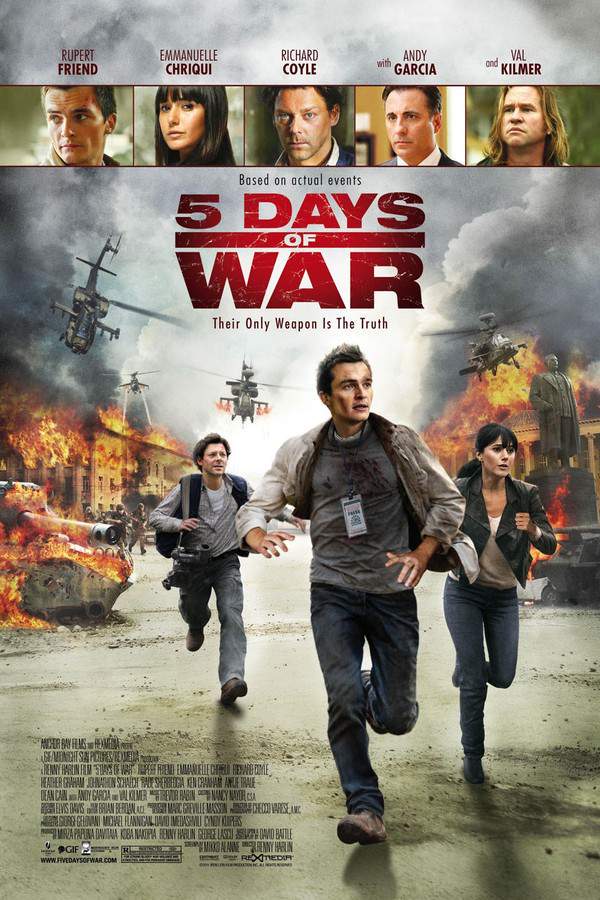
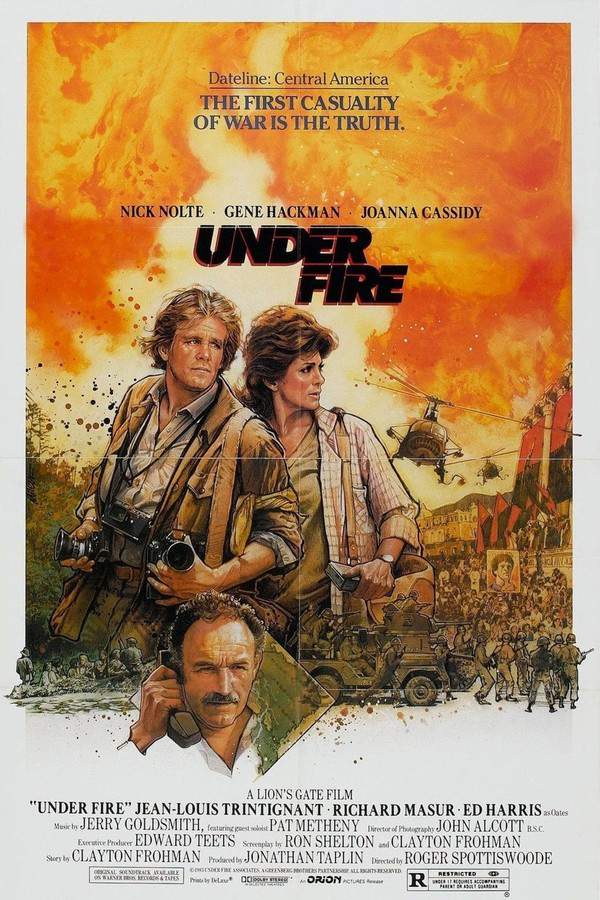
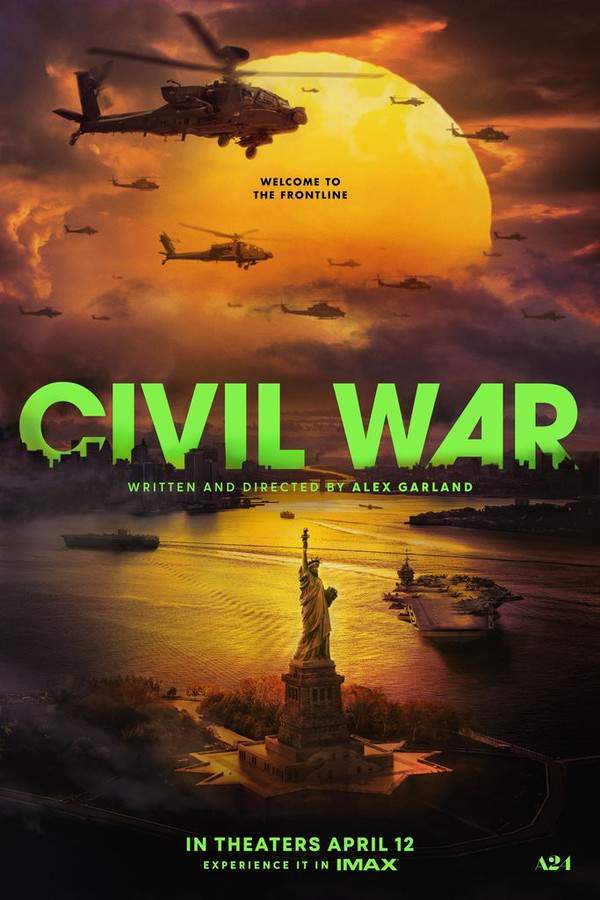
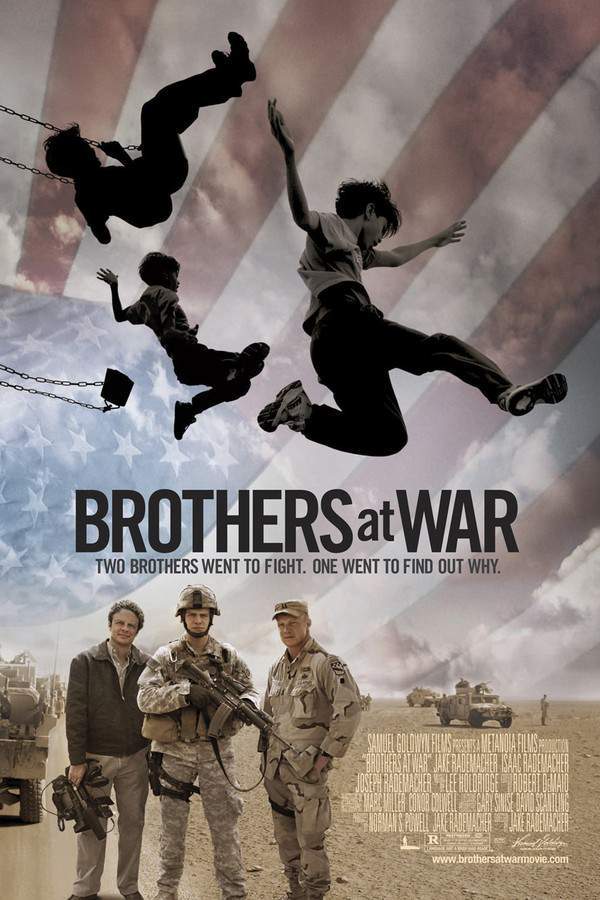
Gripping stories of journalists risking everything to report from war-torn regions. If you were captivated by the intense, frontline perspective of Another Day of Life, explore more movies like it. This section features similar films about journalists in war zones, covering dangerous stories with high stakes and heavy emotional weight.

  • urgent
  • gritty
  • harrowing
  • tense
  • chaotic
  • morally complex
  • Tone: tense, gritty, urgent
  • Pacing: variable, driven by external threats
Why these movies?

The story pattern: The narrative pattern follows a journalist or correspondent entering a volatile conflict zone. The story unfolds through their perilous journey, documenting the chaos and human suffering they encounter, while they grapple with their own safety, objectivity, and the moral responsibility of their role.

Why they belong together: These films are grouped together because they share a central focus on the journalistic experience within war. They create a similar tense, gritty, and urgent vibe, blending high-stakes action with profound moral reflection, offering a visceral look at the reality of conflict reporting.

Hybrid Animated Documentaries like Another Day of Life

Where bold animation meets real footage to explore difficult truths. For viewers who appreciated the unique visual style of Another Day of Life, this section highlights similar movies that combine animation with real documentary elements. Find films that use artistic interpretation to tell powerful true stories with emotional depth.

  • artistic
  • reflective
  • somber
  • visually striking
  • thought-provoking
  • historical
  • Tone: somber, reflective, intense
  • Pacing: variable, mixing factual pacing with artistic segments
Why these movies?

The story pattern: The narrative pattern intertwines a factual, often historical, account with expressive animation. The animation is not just decorative; it serves to visualize internal states, recreate events where footage is lacking, or provide a symbolic layer to the hard facts presented through documentary techniques, creating a richer, more immersive truth.

Why they belong together: These movies are grouped by their distinctive formal approach. They share a similar feel by using animation to tackle heavy, real-world subjects, resulting in a viewing experience that is both visually striking and emotionally resonant, blurring the line between objective reportage and subjective interpretation.

If you liked this

Movies Like Another Day of Life

Similar movies to Another Day of Life: the same genre, themes or kind of story. Each one comes with its own plot summary, timeline and ending explained.

Browse all movie summaries

Every angle

Another Day of Life (2019) Explained: Plot, Timeline & Characters

Everything about Another Day of Life in one place: what happens in the plot summary, the timeline in chronological order, the characters and meaning and a spoiler-free summary. What's After the Movie adds the cast, box office and post-credit scenes.

Coming soon on iOS and Android

The Plot Explained Movie Summary App

Plot summaries, endings explained and timelines on your phone. Catch up on any movie in minutes, save your favorites and never miss a twist again.

Be the first to know when we launch. Your email stays private, always.

Learn more about the app