Plot Explained Spoilers guaranteed!
Plot Explained

Browse by genre

Anna Pavlova (1983) movie poster

Timeline

Anna Pavlova (1983) Timeline Explained – Every Event in Order

Release, runtime and language
1983 · 155 mins · Russian
Directed by
Emil Loteanu
Starring
Martin Scorsese, Roy Kinnear, James Fox, Bruce Forsyth, John Murray, Sergey Shakurov

Anya, a gifted but frail teen, enters a top ballet school and battles illness to chase her ballerina dream. Her resolve catches the eye of famed choreographer Marius Petipa, who guides her through the key Pavlova exam. The success launches her into ballet circles and high society, straining her bond with mentor Michel Fokine.

On this page (5)
  1. 1 Events in order (10)
  2. 2 Timeline questions answered
  3. 3 Movie threads
  4. 4 Movies like Anna Pavlova
  5. 5 Every angle

10 events in order · contains spoilers

Anna Pavlova Timeline: Events in Chronological Order

Every key event of Anna Pavlova (1983) in order, scene by scene, with when and where it takes place. Use it to untangle flashbacks, time jumps and parallel storylines, to refresh your memory before the sequel or to find the exact scene you are thinking of.

  1. Childhood dream in cold Saint Petersburg

    In the cold streets of Saint Petersburg, a young Anna watches dancers through a window and resolves to become a dancer. She decides she does not merely want to dance, she wants to be among the best. This early resolve sets the course for her lifelong pursuit of excellence in ballet.

    When
    childhood
    Where
    Saint Petersburg
  2. Mentor Marius Petipa and the Mariinsky path

    Master dancer and ballet teacher Marius Petipa mentors her and helps her rise at the imperial Mariinsky Theatre. During this period she also meets the young choreographer Mikhail Fokine, shaping her early career. Petipa's guidance and the Mariinsky platform lay the foundation for her ascent.

    When
    early career
    Where
    Saint Petersburg / Mariinsky Theatre
  3. Rehearsing The Dying Swan with Mikhail Fokine

    She rehearses The Dying Swan with Mikhail Fokine, a solo that will become world-famous. This collaboration marks a pivotal moment in her artistic development. The piece elevates her profile and foreshadows a signature moment in her career.

    When
    early career
    Where
    Saint Petersburg
  4. Diaghilev founds Ballets Russes and recruits Pavlova

    In 1909, Sergei Diaghilev establishes Ballets Russes in Paris and recruits the best Russian dancers and choreographers, including Anna Pavlova. The company becomes a launchpad for her international reputation. This move anchors her transition from national to global stages.

    When
    1909
    Where
    Paris
  5. Pavlova moves to London after Ballets Russes

    After a brief period with Ballets Russes she decides to move to London, pursuing greater opportunities. The move opens new avenues and expands her reach beyond Russia. Her ambitions drive her to cultivate a truly international presence.

    When
    early 1910s
    Where
    London
  6. Worldwide triumphs across the globe

    Her triumphs extend well beyond Europe as she tours the United States, Mexico, and Venezuela. Audiences respond with widespread acclaim, cementing her status as a global ballet icon. Her touring schedule showcases her dedication and stamina on the world stage.

    When
    1910s–1920s
    Where
    United States, Mexico, Venezuela
  7. Victor Dandré: manager, companion, and husband

    Victor Dandré remains a steadfast presence as Pavlova's manager, companion, and husband for much of her career. His constant presence supports her professional decisions and personal life. Their partnership is a constant through both triumphs and travels.

    When
    throughout career
  8. Unfulfilled dream to return to Mariinsky

    Despite her rising fame, Anna's greatest wish to perform again at her native Mariinsky Theatre remains unfulfilled. The dream underscores a lasting tension between her international success and her ties to her homeland. The Mariinsky stage, though a symbol of her beginnings, stays out of reach in her lifetime.

    When
    mid-late career
    Where
    Mariinsky Theatre
  9. Farewell tour and the end in The Hague

    On her farewell tour, Pavlova continues to captivate audiences around the world. The journey ends in The Hague, where she dies of pneumonia at the age of 49 in 1931. Her final performances leave a lasting impression on the history of ballet.

    When
    1931
    Where
    The Hague
  10. Pavlova's lasting mark on ballet

    Anna Pavlova's international career and signature performances leave a lasting legacy in ballet. Her journey expands ballet onto global stages and influences generations of dancers to come. The film presents her as one of the era's defining figures whose impact transcends borders.

    When
    legacy

Last updated: February 18, 2026 at 23:45

Was this helpful?

Timeline questions answered

Anna Pavlova Timeline Explained: Your Questions Answered

When does it happen, and why in that order? The questions people ask about the chronology of Anna Pavlova (1983): time jumps, flashbacks, cause and effect between scenes and the correct order of events, each answered with spoilers.

Q1

Why did Anna Pavlova never return to the Mariinsky Theatre?

Despite achieving international fame, Anna Pavlova never returned to perform at the Mariinsky Theatre, which was her original launchpad. The political situation in Russia after the revolution made it impossible for her to return, and her deep desire to perform on that stage remained unfulfilled throughout her life. This represents a poignant tension between her global success and her connection to her homeland.

Foreshadowing: Earlier in the film, her rise at the Mariinsky is shown as the foundation of her career, making her later inability to return more poignant.

  • mariinsky theatre
  • russia
  • return home
  • unfulfilled dream
Q2

How did The Dying Swan become Anna Pavlova's signature piece?

The Dying Swan was choreographed by Mikhail Fokine specifically for Anna Pavlova. The solo was created around 1905 and became world-famous, becoming a defining moment of her early career. The piece showcased her unique style and emotional depth, and it remained her signature performance throughout her international career.

Foreshadowing: The collaboration between Pavlova and Fokine is introduced early, establishing the artistic partnership that would produce her most famous work.

  • dying swan
  • mikhail fokine
  • signature piece
  • choreography
Q3

Why did Anna Pavlova leave Ballets Russes to move to London?

After a brief time with Diaghilev's Ballets Russes in Paris, Anna Pavlova chose to move to London to pursue greater opportunities. While the company was prestigious, she sought to build her own international presence and cultivate a truly global career. London became her base from which she expanded her tours across the United States, Mexico, and Venezuela.

Foreshadowing: Diaghilev's recruitment of Pavlova is shown as a launching point, but the film hints at her greater ambitions beyond the company.

  • ballets russes
  • london
  • paris
  • international career
Q4

Who was Victor Dandré and what was his role in Anna Pavlova's life?

Victor Dandré was Anna Pavlova's manager, companion, and eventual husband. He remained a constant presence throughout her career, shaping both the business and personal aspects of her journey. His support allowed her to focus on performing while he managed the logistics of her extensive international tours.

Foreshadowing: Dandré appears as a steady presence throughout her career timeline, indicating his importance to her professional success.

  • victor dandre
  • manager
  • husband
  • support
Q5

What caused the strain in Anna Pavlova's relationship with Mikhail Fokine?

The relationship between Anna Pavlova and Mikhail Fokine, who created The Dying Swan for her, became strained as her career grew internationally while his work evolved in different directions. As she gained recognition and moved to London, their artistic paths diverged, leading to a professional and personal separation that reflected the different directions their careers took.

Foreshadowing: Their early collaboration on The Dying Swan is portrayed as pivotal, but the film hints at tension as both pursued different artistic goals.

  • mikhail fokine
  • relationship
  • artistic differences
  • collaboration
Q6

How did Marius Petipa help launch Anna Pavlova's career?

Marius Petipa, the celebrated master dancer and ballet teacher, mentored Anna Pavlova at the imperial Mariinsky Theatre. His guidance was instrumental in developing her technique and preparing her for the key Pavlova exam, which was a turning point in her early career. Petipa's stamp of approval and training provided the foundation for her ascent to international stardom.

Foreshadowing: The film opens with her resolve to become the best, and Petipa appears as the master who can help her achieve that goal.

  • marius petipa
  • mentor
  • mariinsky
  • guidance
Q7

Why did Anna Pavlova die at age 49?

Anna Pavlova died from pneumonia at age 49 in 1931 during a farewell tour in The Hague. Throughout her life, she was described as frail and battled illness while pursuing her demanding career. Her constant touring and physical exhaustion likely weakened her immune system, leading to her premature death at the height of her fame.

Foreshadowing: The film establishes early on that she was gifted but frail, and her health remains a thread throughout her story.

  • death
  • pneumonia
  • age 49
  • the hague
  • farewell tour
Q8

What was the Pavlova exam and why was it important?

The Pavlova exam was a key assessment at the imperial ballet school that Anna had to pass to advance in her career. Passing this exam, with the guidance of Marius Petipa, launched her into the ballet circles and high society. It represented her official recognition as a serious dancer and opened doors to professional opportunities at the Mariinsky Theatre.

Foreshadowing: The description mentions that her success "launches her into ballet circles," pointing to this exam as the critical milestone.

  • pavlova exam
  • ballet exam
  • mariinsky
  • advancement
Q9

How did Anna Pavlova's health issues affect her career?

Anna Pavlova was described as gifted but frail, and her battle with illness was a constant presence throughout her career. Despite her fragile health, she maintained an exhausting touring schedule across multiple continents. Her determination to dance despite being ill became a defining aspect of her story, showing both her incredible will and the physical toll her profession took on her body.

Foreshadowing: The film establishes her frailty early, and her continued performances despite illness demonstrate her extraordinary dedication.

  • illness
  • health
  • frail
  • touring
  • dedication
Q10

What was Ballets Russes and why was it significant for Anna Pavlova?

Ballets Russes was a revolutionary ballet company founded by Sergei Diaghilev in Paris in 1909. It recruited the best Russian dancers and choreographers, including Anna Pavlova. The company became a crucial launching pad for her international reputation, exposing her to Western audiences and establishing her as a global ballet icon.

Foreshadowing: The timeline marks 1909 as a pivotal year, and Diaghilev's recruitment is shown as a major career milestone.

  • ballets russes
  • sergei diaghilev
  • paris
  • 1909

Movie threads

More Movies Like Anna Pavlova, by Mood & Story

Curated lists built around what makes Anna Pavlova tick: the same mood, the same kind of story or the same emotional payoff. Each list explains why these movies belong together.

Movies about doomed artists like Anna Pavlova

Stories of brilliant careers cut short by illness, leaving a poignant legacy. If you were moved by the bittersweet trajectory of Anna Pavlova, explore more films about gifted individuals whose brilliant artistic careers are tragically cut short by illness. These movies capture the poignant mix of triumph and mortality.

  • aspirational
  • melancholic
  • triumphant
  • devoted
  • tragic
  • nostalgic
  • Tone: bittersweet, melancholic, triumphant
  • Pacing: steady, deliberate
Why these movies?

The story pattern: The narrative typically follows a linear progression from discovery and early struggle to rising fame and mastery. A diagnosis or persistent illness introduces a constant, somber counterpoint to the artistic triumphs. The story builds towards a climax of professional achievement that is simultaneously a poignant farewell, emphasizing the enduring impact of the artist's work over their personal tragedy.

Why they belong together: These films are grouped by their shared emotional core: a profound sense of beauty tinged with sorrow. They balance the exhilaration of creative passion and success with the melancholic awareness of mortality, creating a deeply resonant and bittersweet viewing experience focused on legacy.
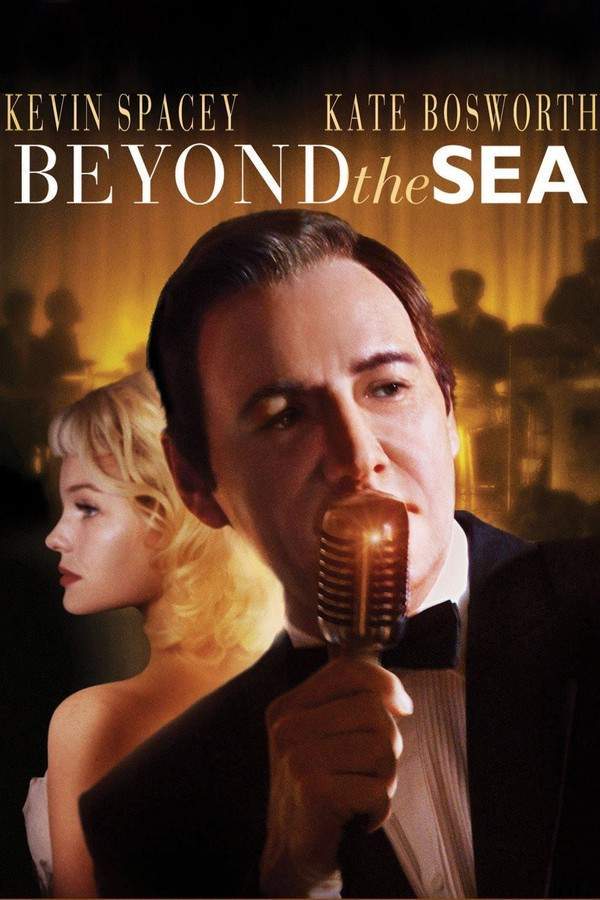

Movies about artistic devotion like Anna Pavlova

Tales of unwavering dedication to an art form, often at a personal cost. If you admired the portrayal of unwavering dedication to ballet in Anna Pavlova, you'll enjoy these films about intense artistic passion. Discover stories of characters who sacrifice everything for their craft, featuring mentorship and the toll of ambition.

  • devoted
  • aspirational
  • dramatic
  • passionate
  • mentorship
  • sacrifice
  • Tone: dramatic, aspirational, bittersweet
  • Pacing: steady, character-driven
Why these movies?

The story pattern: The plot follows a protagonist whose life is defined by their artistic pursuit. It delves into the grueling physical and emotional demands of their craft, often showcasing key mentors who guide them. Central conflicts arise from the tension between artistic ambition and personal life, including health, romance, and familial bonds, creating a drama driven by internal passion rather than external threats.

Why they belong together: These movies are united by their exploration of what it means to live for one's art. They share a medium intensity, focusing on character-driven drama and the emotional weight of dedication. The pacing is steady, allowing the audience to immerse themselves in the world and process of the art form.

If you liked this

Movies Like Anna Pavlova

Similar movies to Anna Pavlova: the same genre, themes or kind of story. Each one comes with its own plot summary, timeline and ending explained.

Browse all movie summaries

Every angle

Anna Pavlova (1983) Explained: Plot, Timeline & Characters

Everything about Anna Pavlova in one place: what happens in the plot summary, the timeline in chronological order, the characters and meaning and a spoiler-free summary. What's After the Movie adds the cast, box office and post-credit scenes.

Coming soon on iOS and Android

The Plot Explained Movie Summary App

Plot summaries, endings explained and timelines on your phone. Catch up on any movie in minutes, save your favorites and never miss a twist again.

Be the first to know when we launch. Your email stays private, always.

Learn more about the app