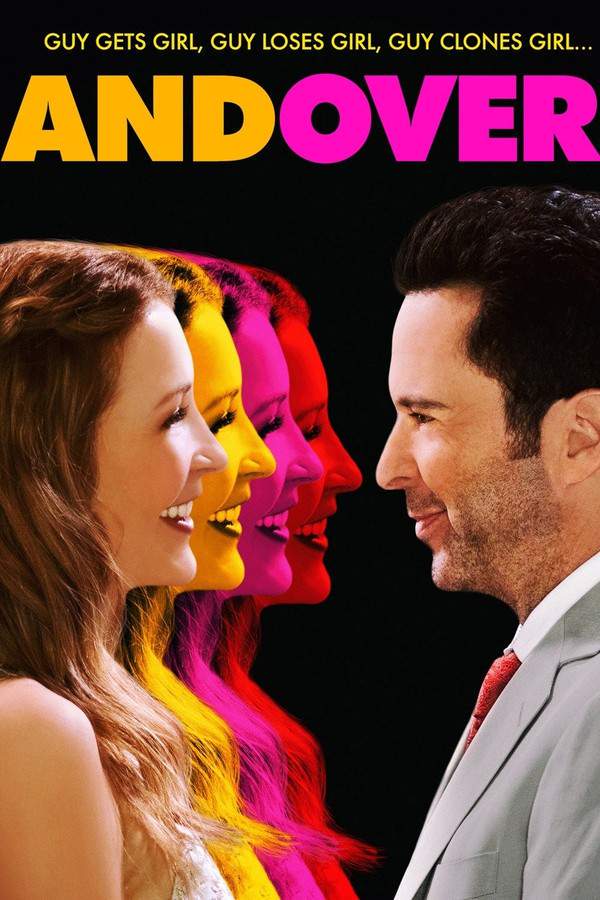
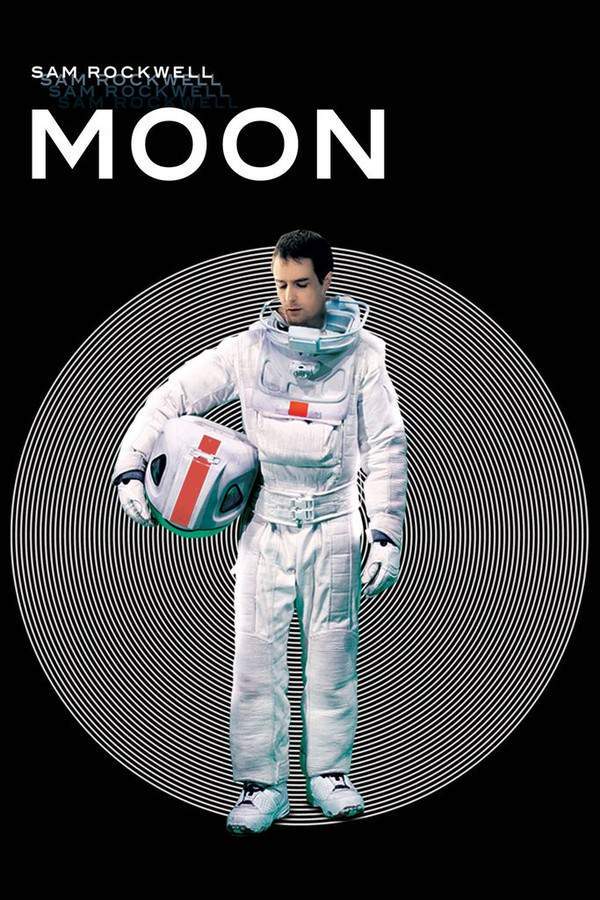
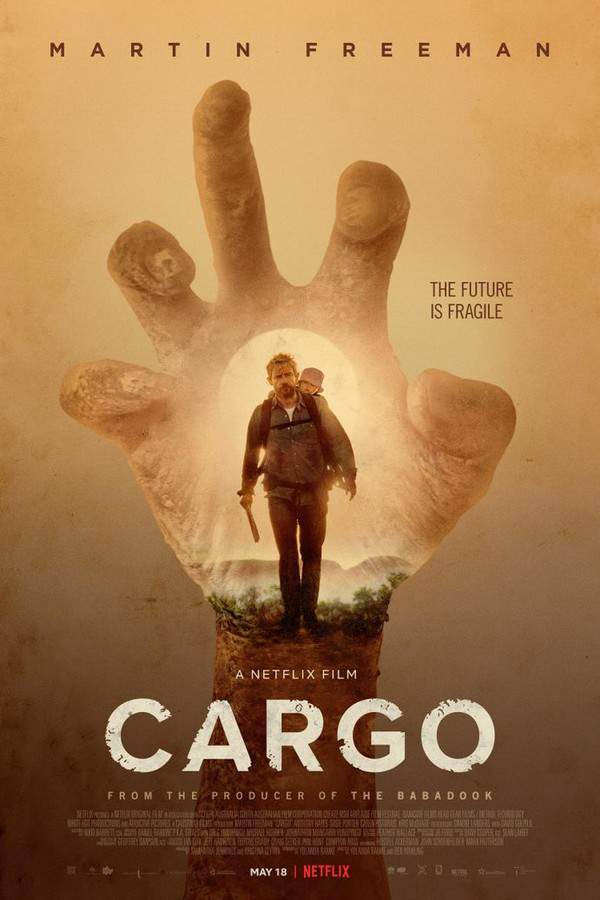
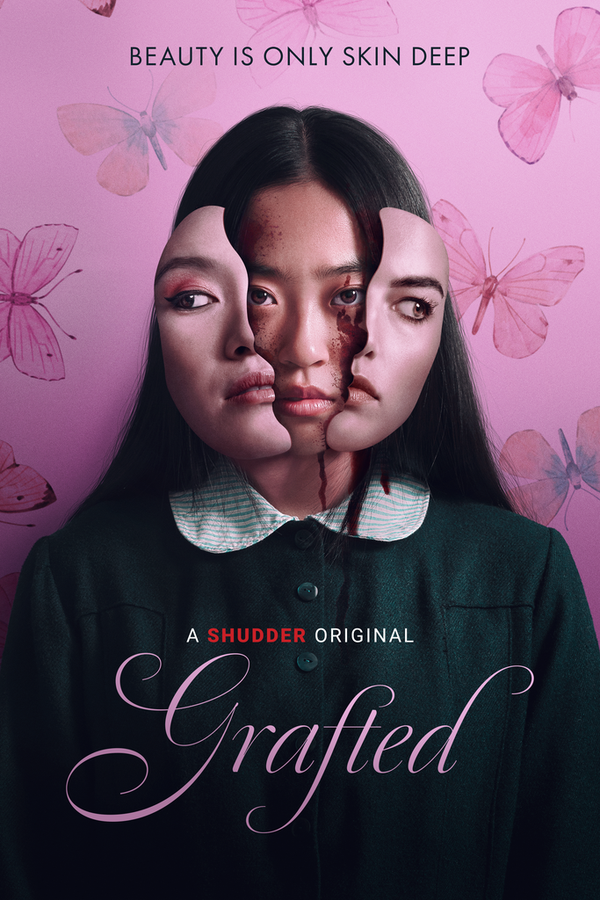
Genetics professor Adam Slope [Jonathan Silverman] nervously proposes to carefree, glass blower/artist Dawn [Jennifer Finnigan], and the couple quickly marries, hedging their future with high life insurance policies on each other. They live in comfortable bliss until a devastating fire roars through Dawn’s glass blowing studio and takes her life. Grief-stricken, Adam leans into his science as a way to hold onto Dawn forever, gathering hairs from Dawn’s hairbrush and turning to his lab with the help of his overeager grad student Emma Grady [Scout Taylor-Compton] to clone her.
The first attempts produce Dawn-like replicas with obvious flaws, and Adam’s fixation intensifies into an all-consuming quest to reconstruct the perfect Dawn. He rearranges and refines the clones, but each iteration bears subtle differences that keep him from feeling the loss truly healed. As the body count grows with the cold math of cloning, Adam begins to kill off clones that don’t match the original Dawn exactly—an act born of desperation and mounting paranoia.
A suspicious life-insurance agent begins to sense something is rotten in Adam’s home. He watches as Adam brings home Dawn clones, each baby aging rapidly into a full adult within 3–4 months, creating a disturbing sense of impermanence and repetition. The aging and the inevitable differences in temperament rile the agent, who suspects dawn is not truly gone. Emma, meanwhile, grapples with growing feelings for Adam and questions whether their research should be used to help others or to resurrect a dead dream.
When one Dawn clone falls in love with her old high school boyfriend and refuses to leave him, Adam resorts to a drastic measure—injecting the clone with poison rather than offering a cure for her rapid aging. Emma, alarmed by the method and ethics of his experiments, turns on him. She sneaks back into the lab and engineers a bold, dangerous plan: clone an Adam who will love her back, then takes him to the orphanage where Adam grew up so that he can be raised to be “the same”—and perhaps be the one who loves her.
As the investigation tightens, Adam dismisses the concerns of the instructor from his class and tells the investigator he doesn’t care about money. Still, the investigator presses for a hush‑money deal, and Adam agrees to it—but with a twist. He poisons the investigator, clones him, and then phones the police to report a confused man wandering around, effectively clearing himself of any charges.
Dawn’s parents are brought into the loop and travel to see if she might still be alive. They agree to help raise the final clone in the same way they raised the original Dawn, hoping to keep the peace and preserve a sense of family for all the Dawn in their lives. Dawn, however, is not charmed by Adam’s altered self—she senses a gulf between who he is now and who she once knew—and she ultimately chooses her own path, returning to her parents rather than staying with him.
With the original Dawn out of reach, Adam resigns himself to the reality that he cannot restore the beloved version of her he lost. A twist of fate reveals that Emma has cloned him as well, setting the stage for a surprising new pairing: Clone Adam and Clone Dawn fall in love, if only as a mirror of the life Adam once hoped to reclaim. Adam, recognizing the toll of his obsession, donates the million-dollar life insurance payout to Dawn’s parents to help the new clones move away and stay hidden from prying eyes.
In the end, Adam and Emma form a life together, and the pair of clones—Clone Adam and Clone Dawn—choose to marry, forging a different kind of happiness built on forgiveness, adaptation, and the possibility of unforeseen futures born from the original heartbreak. The story closes on the quiet resilience of love reimagined through science, memory, and the stubborn, hopeful persistence of human connection.