










Plot Explained Spoilers guaranteed!
Plot Explained

Browse by genre

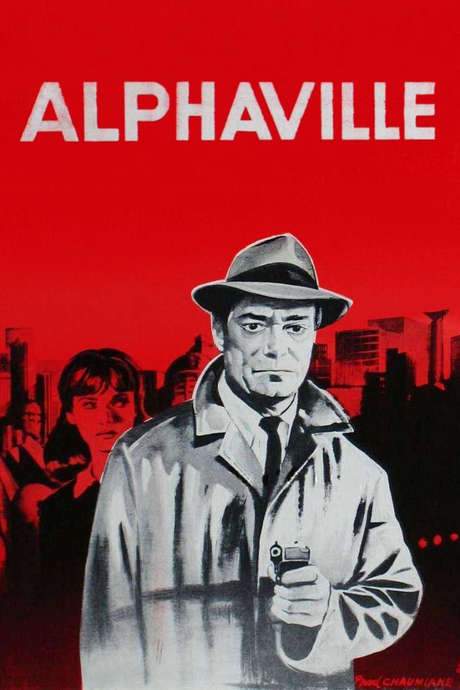
Alphaville (1965) movie poster

Characters & Themes

Alphaville (1965) Characters, Setting & Themes Explained

Release, runtime and language
1965 · 99 mins · French
JustWatch #24,285 3
Directed by
Jean-Luc Godard
Starring
Anna Karina, Akim Tamiroff, László Szabó, Eddie Constantine, Christa Lang, Ernest Menzer

In a dystopian metropolis called Alphaville, secret agent Lemmy Caution is tasked with destroying Professor Von Braun, the mastermind behind the tyrannical computer Alpha 60 that governs the city. He allies with Von Braun’s daughter, Natasha, and together they uncover the cold logic of Alpha 60 while Lemmy strives to teach her the meaning of love.

On this page (8)
  1. 1 Where to watch
  2. 2 Characters explained (5)
  3. 3 Where & when it takes place
  4. 4 Themes & meaning (4)
  5. 5 Character & meaning questions
  6. 6 Movie threads
  7. 7 Movies like Alphaville
  8. 8 Every angle

Where to watch

Where to Watch Alphaville (1965)

Where can you watch Alphaville? Stream, rent or buy it in the US, including on MUBI, Hoopla and Kanopy: current JustWatch availability with up-to-date prices.

Streaming availability powered by JustWatch

5 main characters · contains spoilers

Alphaville Characters Explained: Who Is Who

The main characters of Alphaville (1965), heroes and villains: what drives them, how they change over the course of the story and what each of them reveals about the film's bigger ideas.

  • Lemmy Caution (Eddie Constantine)

    A hard-edged private eye from the Outlands who enters Alphaville undercover as a journalist. His old-fashioned bravado and stubborn independence clash with the city’s rigid logic. His evolving emotions drive the plot and destabilize the regime’s order.

    • 🕵️‍♂️ Agent
    • 🧭 Outland operative
    • 🎩 Noir-hero
  • Henri Dickson (Akim Tamiroff)

    A missing agent whom Caution pursues. Dickson embodies the peril of dissidents who flirt with danger and succumb to the regime’s traps. His final moments reveal a paradoxical blend of charm and fatalism.

    • 🕵️‍♂️ Missing agent
    • ⚔️ Risk-taker
  • Natacha von Braun (Anna Karina)

    A programmer of Alpha 60 and a citizen of Alphaville. She claims ignorance of love and conscience but becomes the catalyst for Caution’s emotional awakening. Her discovery of a life outside Alphaville marks a crucial turn toward individuality.

    • 💻 Programmer
    • 🧭 Catalyst
    • 💖 Love interest
  • Professor von Braun (Howard Vernon)

    The creator of Alpha 60, also known as Leonard Nosferatu. He offers Caution a tempting alternative: join Alphaville and rule a galaxy. His death at Caution’s hands removes the final obstacle to the machine’s downfall.

    • 🧪 Scientist
    • 🧠 Architect
    • 👑 Antagonist
  • Alpha 60

    A sentient computer, the regime’s omnipresent voice and governing mind. It suppresses emotion, polices language, and treats human behavior as an algorithm to be optimized or eliminated. Its downfall hinges on an edge the machine cannot compute: poetry and human feeling.

    • 🤖 AI
    • 🧭 Regime
    • 🗣️ Voice of authority

Last updated: October 04, 2025 at 19:30

Was this helpful?

Setting

Where and When Does Alphaville Take Place?

The setting of Alphaville (1965): the year and time period, the places and locations, and how they shape the characters, the mood and the tension of the story.

Time period

1960s

The story unfolds in a dystopian near-future with a 1960s aesthetic, blending noir sensibilities with science fiction. The regime’s reliance on a powerful computer suggests Cold War anxieties about automation and control. The setting feels timeless yet clearly rooted in mid-20th-century fears of conformity and technological omnipotence.

Location

Alphaville, Grand Omega Minus

Alphaville is a sterile, monochrome city ruled by a dictatorial computer, where free thought, emotion, and poetry are banished. The Grand Omega Minus is a notorious hub within this world, a place from which brainwashed citizens are dispatched to start revolts or reinforce the regime. The city’s architecture, signage, and institutions reflect an chilling, soulless modernism that masks control as order.

  • 🏙️ Dystopian city
  • 🧭 Totalitarian regime
  • 🧠 Science fiction

Last updated: October 04, 2025 at 19:30

Was this helpful?

4 major themes

Alphaville Meaning: Themes & Message Explained

What is Alphaville (1965) really about? The emotional, social and philosophical themes the film keeps returning to, its symbolism and the message beneath the surface.

  • Individuality

    Alphaville treats personal identity as a threat to order. Lemmy Caution’s emotional instincts and improvisation disrupt the city’s rigid logic. Natacha von Braun’s awakening signals the revival of self-awareness amid repression. The ending hints that individuality can survive even under absolute control.

  • Love & Humanity

    Love and human connection are quarantined as dangerous in Alphaville. Caution’s romance with Natacha introduces unpredictability into a system built on conformity. Seduction and affection challenge the regime’s dictates and illuminate the redemptive power of emotion. The narrative ties personal feeling to moral choice and resistance.

  • Language Control

    Alpha 60 regulates language, banning words that evoke emotion and requiring people to say 'because' rather than 'why.' The updated Bible and dictionary symbolize the regime’s attempt to rewrite thought. Words become instruments of power, and reclaiming meaning becomes a form of rebellion. Speech-discipline underscores how thought is policed.

  • Technology & Power

    Alpha 60 embodies the fusion of intellect and coercive force, ruling Alphaville through mechanized rationality. The computer’s omnipresence and cold logic exemplify technocratic tyranny. The protagonist’s mission to destroy the machine frames a confrontation between human unpredictability and algorithmic control. The film critiques the idea that technology inherently advances freedom.

Last updated: October 04, 2025 at 19:30

Was this helpful?

Character & theme questions

Alphaville Characters & Meaning: Your Questions Answered

The questions people ask about Alphaville (1965): who the characters really are, their relationships, what the symbols mean, where it takes place and what the movie is really about. Each answer contains spoilers.

Q1

What kind of city is Alphaville?

Alphaville is a dystopian metropolis ruled by a dictatorial computer called Alpha 60. It is depicted as a sterile, monochrome city where free thought, emotion, and poetry are banned. The architecture and institutions reflect a chilling, soulless modernism that masks total control as order.

Foreshadowing: The opening scenes establish Alphaville's oppressive atmosphere through its stark visuals and pervasive surveillance.

  • alphaville
  • dystopian city
  • alpha 60
  • totalitarian regime
  • science fiction city
Q2

When is the film set?

The film is set in a dystopian near-future with a distinct 1960s aesthetic, blending noir sensibilities with science fiction. While the setting feels timeless, it is clearly rooted in mid-20th-century anxieties about conformity and technological control.

Foreshadowing: The 1960s visual style and Cold War-era technology reinforce the period's fears of automation and state power.

  • 1960s
  • near-future
  • dystopian
  • cold war
  • time period
Q3

What is Alpha 60 and what role does it play?

Alpha 60 is a sentient computer that serves as the regime's omnipresent voice and governing mind in Alphaville. It suppresses emotion, polices language, and treats human behavior as an algorithm to be optimized or eliminated. The computer regulates language by banning words that evoke emotion, requiring citizens to say 'because' instead of 'why.'

Foreshadowing: Alpha 60's voice is heard throughout the film, establishing its pervasive control from the beginning.

  • alpha 60
  • computer
  • ai
  • machine
  • control
  • language policing
Q4

What are the main themes of the film?

The film explores several interconnected themes: individuality versus conformity, the redemptive power of love and human emotion, language control as a tool of oppression, and technology as a force for domination rather than liberation. These themes are woven throughout the narrative to critique authoritarian control and celebrate human feeling.

Foreshadowing: The film's thematic depth is established through dialogue and visual choices that emphasize the clash between emotion and logic.

  • individuality
  • love
  • humanity
  • language control
  • technology
  • power
  • themes
Q5

Who is Lemmy Caution and what does he represent?

Lemmy Caution is a hard-edged private eye from the Outlands who enters Alphaville undercover as a journalist. He represents old-fashioned bravado, stubborn independence, and emotional instinct. His evolving emotions and improvisation disrupt the city's rigid logic, making him a threat to the regime's order.

Foreshadowing: Caution's character is introduced as an outsider whose methods clash with Alphaville's controlled environment.

  • lemmy caution
  • protagonist
  • private eye
  • individuality
  • hero
Q6

Who is Natacha von Braun and what is her role?

Natacha von Braun is a programmer of Alpha 60 and a citizen of Alphaville. She initially claims ignorance of love and conscience but becomes the catalyst for Caution's emotional awakening. Her discovery of a life outside Alphaville marks a crucial turn toward individuality and resistance.

Foreshadowing: Natacha's interactions with Caution plant the seeds of her eventual transformation.

  • natacha von braun
  • character
  • programmer
  • alpha 60
  • awakening
Q7

How does the film explore language control?

The film portrays language control as a tool of oppression, with Alpha 60 banning words that evoke emotion and requiring citizens to say 'because' rather than 'why.' The updated Bible and dictionary symbolize the regime's attempt to rewrite thought. Reclaiming meaning becomes a form of rebellion, as speech-discipline underscores how thought is policed.

Foreshadowing: Early scenes show citizens reciting controlled phrases, establishing the regime's linguistic grip.

  • language
  • censorship
  • words
  • control
  • rebellion
  • thought policing
Q8

Who is Professor von Braun and what does he represent?

Professor von Braun is the creator of Alpha 60, also known as Leonard Nosferatu. He represents the fusion of intellect and coercive force, offering Caution a tempting alternative to join Alphaville and rule a galaxy. His position embodies the technocratic tyranny at the heart of the film's critique.

Foreshadowing: Professor von Braun's introduction establishes his importance as the architect of Alphaville's system.

  • professor von braun
  • creator
  • scientist
  • alpha 60
  • antagonist
Q9

What is the Grand Omega Minus?

The Grand Omega Minus is a notorious hub within Alphaville, from which brainwashed citizens are dispatched to start revolts or reinforce the regime. It represents the regime's mechanism for spreading its influence and maintaining control beyond the city's borders.

Foreshadowing: The location is referenced early as a key site of the regime's operations.

  • grand omega minus
  • location
  • hub
  • brainwashing
  • regime
Q10

What does the film say about technology and power?

The film critiques the idea that technology inherently advances freedom, presenting Alpha 60 as embodying technocratic tyranny. The computer's cold logic rules through mechanized rationality, and the protagonist's mission to destroy the machine frames a confrontation between human unpredictability and algorithmic control.

Foreshadowing: Alpha 60's omnipresence and logical pronouncements establish technology as the film's primary antagonist.

  • technology
  • power
  • machine
  • computer
  • control
  • technocracy
  • criticism

Movie threads

More Movies Like Alphaville, by Mood & Story

Curated lists built around what makes Alphaville tick: the same mood, the same kind of story or the same emotional payoff. Each list explains why these movies belong together.

Noir dystopian movies like Alphaville

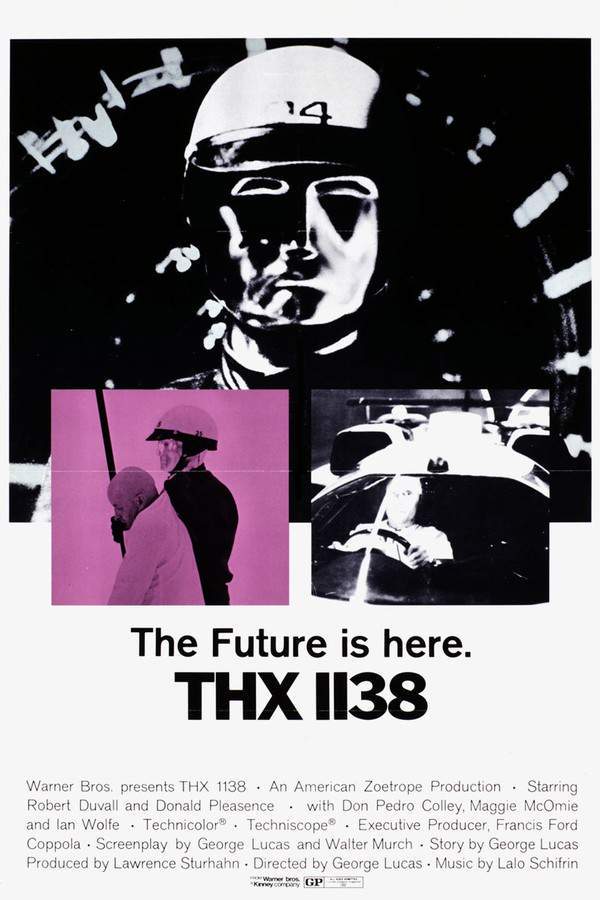
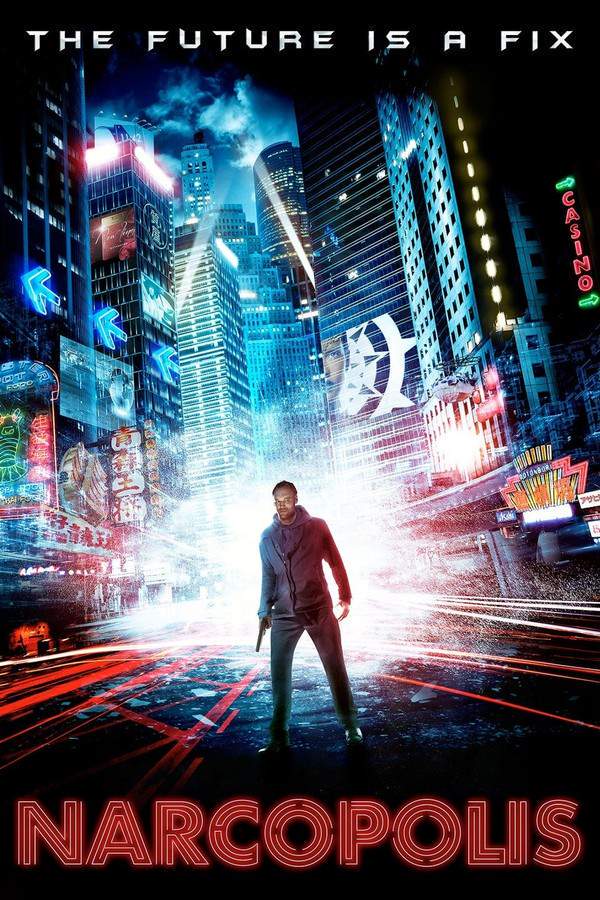
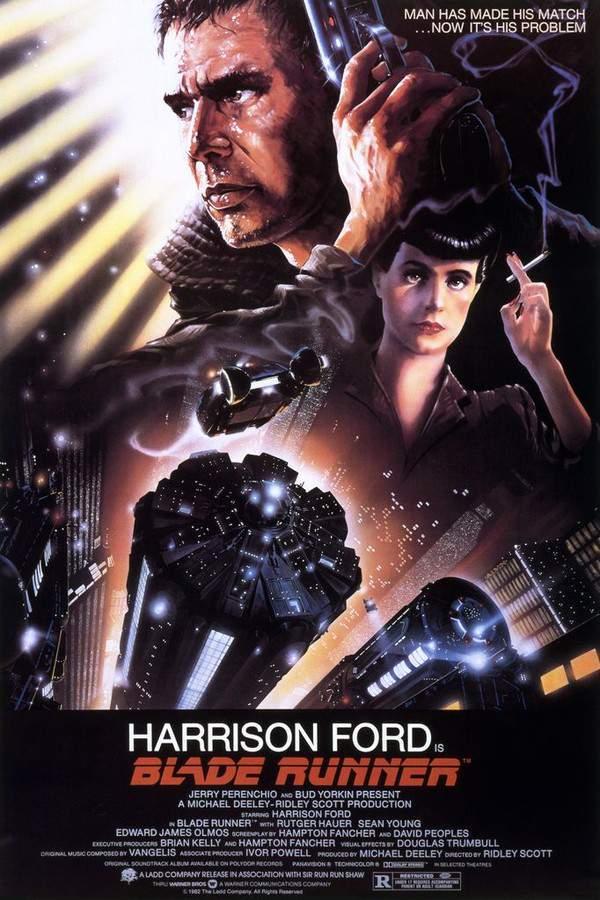
Hardboiled detectives navigate surreal, oppressive worlds governed by inhuman systems. For viewers who liked the gritty detective meets sci-fi dystopia vibe of Alphaville. These movies blend the moral ambiguity and visual style of film noir with futuristic, oppressive societies, creating stories about individuals fighting against cold, inhuman control systems in a surreal world.

  • dystopian
  • noir
  • surreal
  • cerebral
  • oppressive
  • unsettling
  • Tone: dark, cerebral, tense
  • Pacing: steady, investigative
Why these movies?

The story pattern: These stories typically follow an archetypal noir protagonist—a detective, agent, or rogue—on a mission that reveals the dark underbelly of a seemingly ordered society. The plot unfolds like a mystery, but the clues are philosophical and the antagonist is often a systemic force of control, leading to a confrontation that questions the very nature of freedom and emotion.

Why they belong together: Movies in this thread share a distinct aesthetic and narrative DNA: the chiaroscuro lighting and voice-over introspection of noir, paired with the chilling, conceptual threats of dystopian fiction. They create a unique mood of cerebral tension and existential dread, where the 'case' is ultimately a battle for the soul.


Movies about logic vs emotion like Alphaville

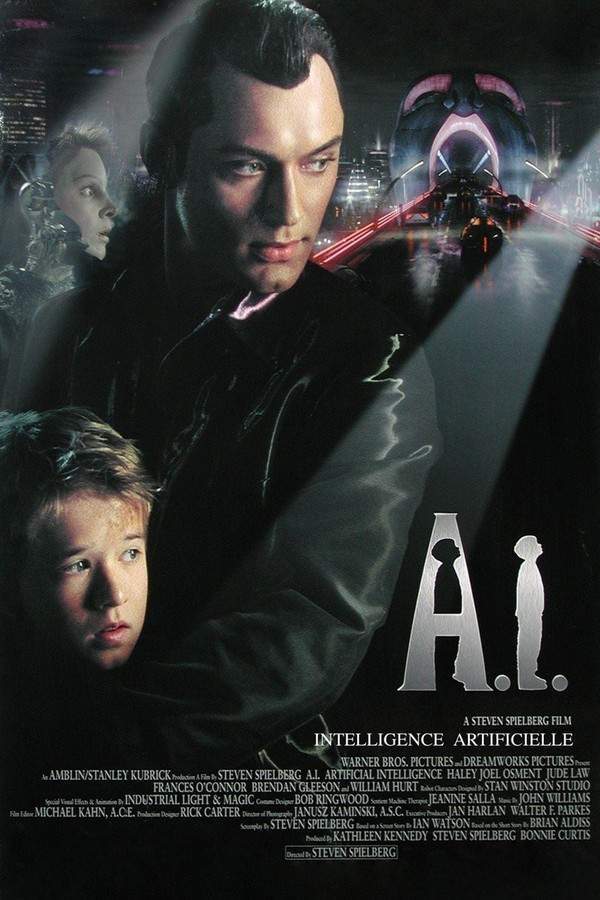
Stories where humanity's defining emotions confront an unfeeling, systematic adversary. If you liked Alphaville's core theme of love and humanity challenging a cold, logical system, you'll find similar explorations here. These movies, often sci-fi or psychological thrillers, focus on the existential battle where emotion itself becomes the key to overthrowing an unfeeling order.

  • cerebral
  • philosophical
  • unsettling
  • existential
  • cold
  • hopeful
  • Tone: dark, philosophical, bittersweet
  • Pacing: steady, deliberate
Why these movies?

The story pattern: The narrative arc involves protagonists introducing chaos—in the form of love, art, poetry, or irrational choice—into a perfectly ordered, logical environment. The central conflict is ideational; the climax often hinges on a paradox or a concept that the logical antagonist cannot process, leading to its destabilization and a bittersweet victory for human fragility.

Why they belong together: These films are grouped by their shared thematic core: the defense of human imperfection against a force that seeks to optimize or erase it. They deliver a heavy emotional weight and a specific kind of tension that comes from intellectual and spiritual confrontation, rather than just physical action.

If you liked this

Movies Like Alphaville

Similar movies to Alphaville: the same genre, themes or kind of story. Each one comes with its own plot summary, timeline and ending explained.

Browse all movie summaries

Every angle

Alphaville (1965) Explained: Plot, Timeline & Characters

Everything about Alphaville in one place: what happens in the plot summary, the timeline in chronological order, the characters and meaning and a spoiler-free summary. What's After the Movie adds the cast, box office and post-credit scenes.

Coming soon on iOS and Android

The Plot Explained Movie Summary App

Plot summaries, endings explained and timelines on your phone. Catch up on any movie in minutes, save your favorites and never miss a twist again.

Be the first to know when we launch. Your email stays private, always.

Learn more about the app