Year: 1982
Runtime: 117 min
Language: English
Director: Ridley Scott
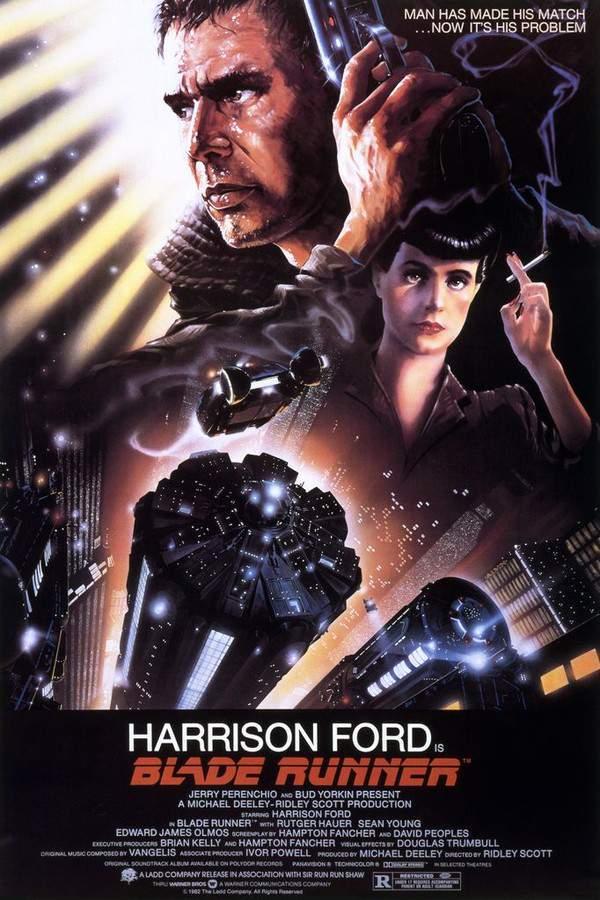
In a dystopian future, former blade runner Rick Deckard is reactivated to hunt down four dangerous Replicants. These advanced androids have escaped and returned to Earth, seeking information about their origins. As Deckard pursues them through a visually stunning, neo-noir world, he encounters Rachel, a mysterious Replicant whose presence challenges his understanding of humanity and blurs the lines between hunter and hunted.
Warning: spoilers below!
Haven’t seen Blade Runner yet? This summary contains major spoilers. Bookmark the page, watch the movie, and come back for the full breakdown. If you're ready, scroll on and relive the story!
Read the complete plot breakdown of Blade Runner (1982), including all key story events, major twists, and the ending explained in detail. Discover what really happened—and what it all means.
In the year 2019, the Tyrell Corporation has developed advanced robots referred to as replicas, specifically the Nexus-6 models, so lifelike that they can easily be mistaken for humans. These replicas are used for off-world explorations and forced labor. However, after a rebellion by a group of Nexus-6 replicas, they are declared illegal on Earth, punishable by death. To enforce this decree, the Blade Runner unit is established with the grim task of hunting down and eliminating these rogue beings.
In Los Angeles during November 2019, former police officer Rick Deckard (Harrison Ford) is apprehended by officer Gaff (Edward James Olmos) and brought before his previous superior, Bryant (M. Emmet Walsh). Tasked with the dangerous job of a Blade Runner, Deckard is informed that four Nexus-6 replicas have illegally come to Earth. As these models have a mere four-year lifespan, it is suspected they are in search of a way to extend their existence.
Deckard watches footage of a fellow Blade Runner, Holden, conducting the Voight-Kampff test, which differentiates humans from Replicants based on emotional reactions. However, the test takes a dark turn when Leon, a Replicant, kills Holden after being questioned about his mother. Bryant requests Deckard to retire not just Leon but also the trio of other dangerous Replicants: Roy Batty (Rutger Hauer), Zhora (Joanna Cassidy), and Pris (Daryl Hannah). Initially hesitant, Deckard reluctantly agrees after receiving a thinly veiled threat from Bryant.
Deckard begins his mission at the Tyrell Corporation, looking to confirm the Voight-Kampff test’s efficacy on the Nexus-6 models. He soon encounters Rachael (Sean Young), Dr. Eldon Tyrell’s assistant, who is an experimental Replicant unaware of her true nature due to implanted memories. These fabricated recollections serve as an “emotional cushion,” necessitating a more rigorous examination to determine her status.
As tensions mount, Deckard’s pursuit of the Replicants intertwines with their quest to see Tyrell in order to persuade him to prolong their lives. Meanwhile, Roy and Leon explore a Replicant manufacturing facility, which leads them to J. F. Sebastian (William Sanderson), a talented genetic designer closely associated with Tyrell. Rachael, desperate to assert her humanity, visits Deckard, revealing a family photograph. When Deckard reveals the truth about her memories, Rachael departs emotionally distressed. Concurrently, Pris seeks out Sebastian, cunningly earning his trust.
As part of his investigation, Deckard discovers critical clues in Leon’s hotel room, including a photograph of Zhora and a synthetic snake scale that guides him to the strip club where she performs. After confronting Zhora and killing her, Deckard is ordered by Bryant to also “retire” Rachael, who has now gone missing. Leon abruptly attacks Deckard, but Rachael intervenes, killing him with Deckard’s fallen weapon. Back in Deckard’s apartment, a moment of intimacy unfolds, leading to a passionate kiss after an unsettling confrontation.
Arriving at Sebastian’s residence, Roy informs Pris of their allies’ demise. Feeling pity for their plight, Sebastian admits his own impending mortality due to a genetic disorder. Together, they infiltrate Tyrell’s penthouse, where Roy demands an extension of his life. Tyrell explains this is unachievable, leading Roy to express remorse for his actions, which Tyrell acknowledges but ultimately dismisses. In a shocking turn, Roy kills Tyrell after a brief, unsettling kiss. Following this, a fleeing Sebastian meets a similar fate at Roy’s hands.
Back at Sebastian’s home, Deckard is ambushed by Pris, whom he manages to kill. Shortly after, a desperate Roy confronts Deckard, initiating a life-or-death chase ending on the rooftop. In a tense moment where Deckard hangs precariously between buildings, Roy, fueled by an unexpected sense of empathy, saves Deckard, enabling him to escape. As Roy’s life force diminishes, he poignantly reflects on the transience of existence, stating, > “All those moments will be lost in time… like tears in rain.” With that, Roy expires in silence.
Gaff’s arrival brings bittersweet news as he reminds Deckard of the fragility of life with the line, > “It’s too bad she won’t live, but then again, who does?” Upon returning home, Deckard finds Rachael safe in his bed, and as they flee together, he catches sight of an origami unicorn left behind by Gaff, reminding him of the nature of their lives and the uncertainty that lies ahead.
Last Updated: November 16, 2024 at 11:19
Discover curated groups of movies connected by mood, themes, and story style. Browse collections built around emotion, atmosphere, and narrative focus to easily find films that match what you feel like watching right now.
Neon-lit futures where humanity is questioned under perpetual rain.If you loved the rain-soaked, neon-drenched aesthetic of Blade Runner, this thread gathers movies with a similar cyberpunk noir vibe. Discover other stories set in high-tech, low-life futures where the line between human and machine blurs, all captured in a visually stunning and atmospheric style.
Stories often follow a lone figure—a detective, a hunter, or a fugitive—navigating a corrupt, technologically advanced metropolis. The plot is typically a mystery or chase that serves as a vehicle to explore deeper philosophical themes about consciousness, autonomy, and what it means to be alive in a dehumanizing world.
These films are grouped by their shared commitment to a specific, immersive world-building aesthetic. They prioritize atmosphere and mood, using their cyberpunk settings not just as backdrop but as a central element to drive thematic exploration and create a consistent feeling of melancholic tension.
Pursuits that force both hunter and prey to question their own existence.For viewers who appreciated the deep philosophical conflict in Blade Runner, this thread finds movies where a chase plot evolves into an existential crisis. Explore similar stories where the hunter's mission forces a confrontation with themes of identity, mortality, and the very definition of life.
The journey typically begins with a clear objective: capture or eliminate a target. As the hunt progresses, the protagonist is confronted with the humanity, consciousness, or tragic circumstances of their quarry. This forces a moral and existential reckoning, often culminating in a climax where the roles are reversed or redefined, leaving the hunter forever changed.
These films are connected by a specific narrative and thematic pattern. They share a high emotional weight and complex themes, using the structure of a chase to explore heavy questions about life, soul, and exploitation, resulting in a bittersweet or melancholic tone.
Don't stop at just watching — explore Blade Runner in full detail. From the complete plot summary and scene-by-scene timeline to character breakdowns, thematic analysis, and a deep dive into the ending — every page helps you truly understand what Blade Runner is all about. Plus, discover what's next after the movie.
Track the full timeline of Blade Runner with every major event arranged chronologically. Perfect for decoding non-linear storytelling, flashbacks, or parallel narratives with a clear scene-by-scene breakdown.
Discover the characters, locations, and core themes that shape Blade Runner. Get insights into symbolic elements, setting significance, and deeper narrative meaning — ideal for thematic analysis and movie breakdowns.
Get a quick, spoiler-free overview of Blade Runner that covers the main plot points and key details without revealing any major twists or spoilers. Perfect for those who want to know what to expect before diving in.
Visit What's After the Movie to explore more about Blade Runner: box office results, cast and crew info, production details, post-credit scenes, and external links — all in one place for movie fans and researchers.
Discover movies like Blade Runner that share similar genres, themes, and storytelling elements. Whether you’re drawn to the atmosphere, character arcs, or plot structure, these curated recommendations will help you explore more films you’ll love.
Blade Runner (1982) Scene-by-Scene Movie Timeline
Blade Runner (1982) Movie Characters, Themes & Settings
Blade Runner (1982) Spoiler-Free Summary & Key Flow
Movies Like Blade Runner – Similar Titles You’ll Enjoy
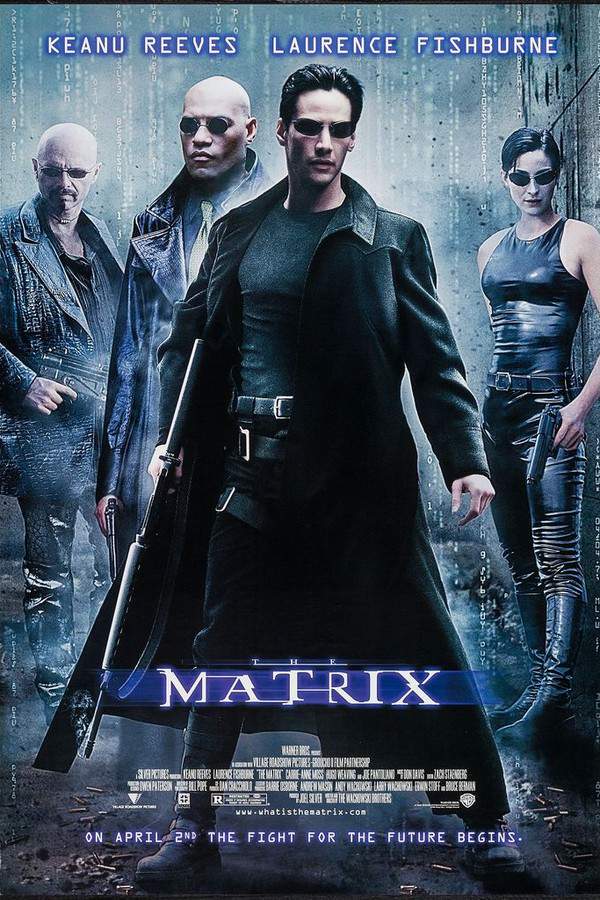
The Matrix (1999) Full Summary & Key Details
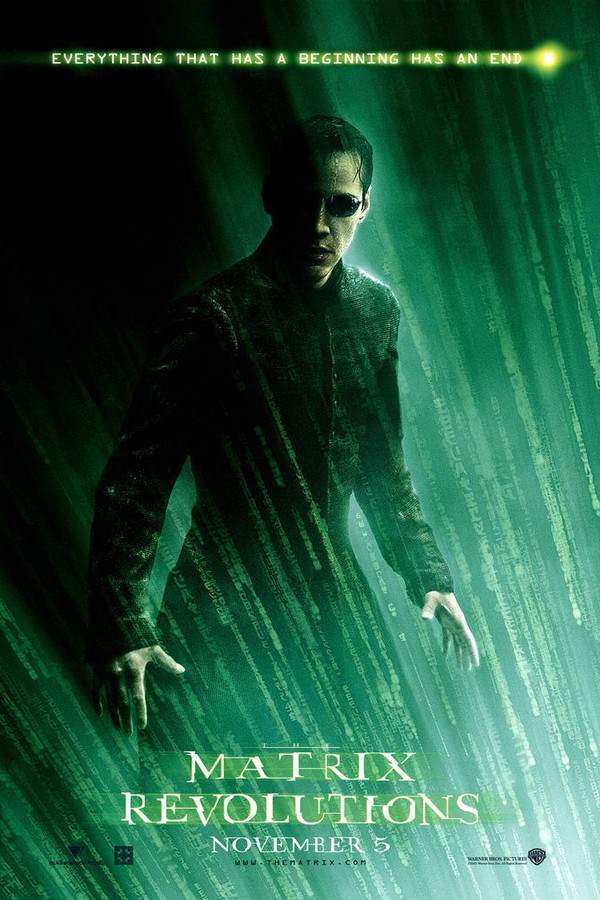
The Matrix Revolutions (2003) Movie Recap & Themes
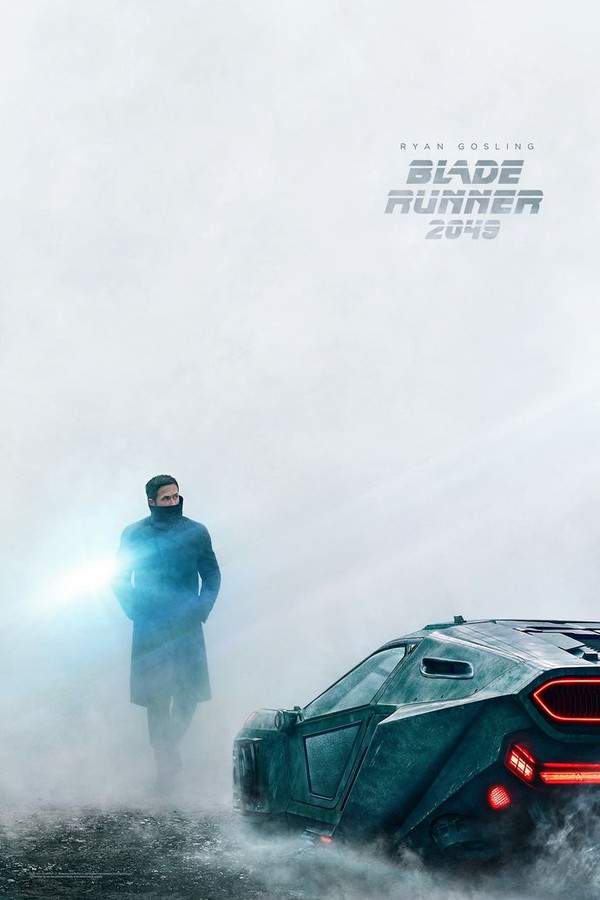
Blade Runner 2049 (2017) Story Summary & Characters
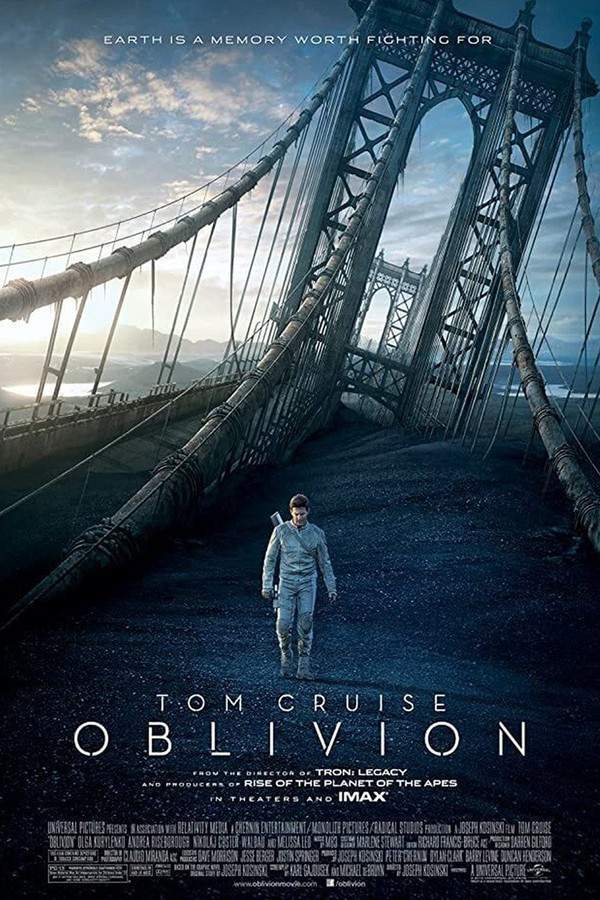
Oblivion (2013) Complete Plot Breakdown
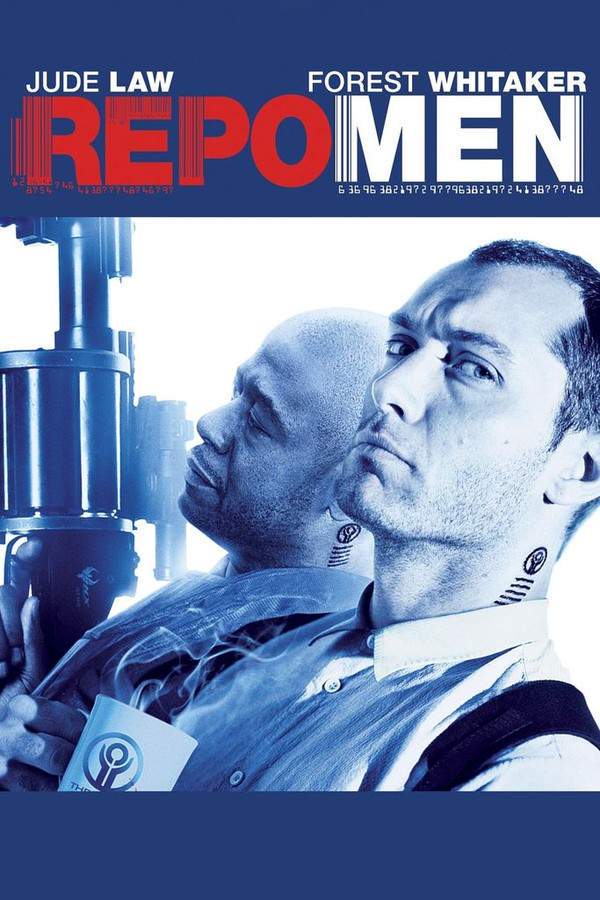
Repo Men (2010) Spoiler-Packed Plot Recap
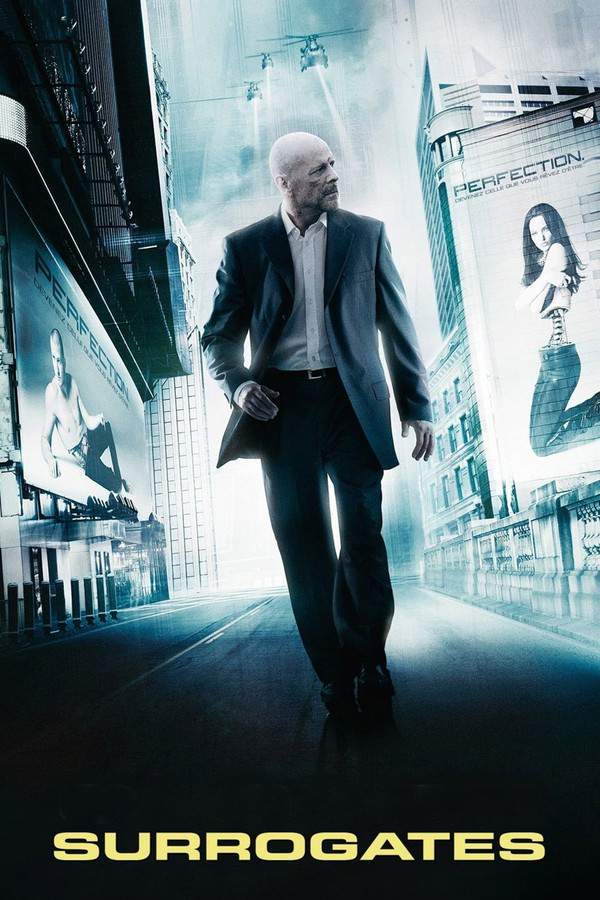
Surrogates (2009) Film Overview & Timeline
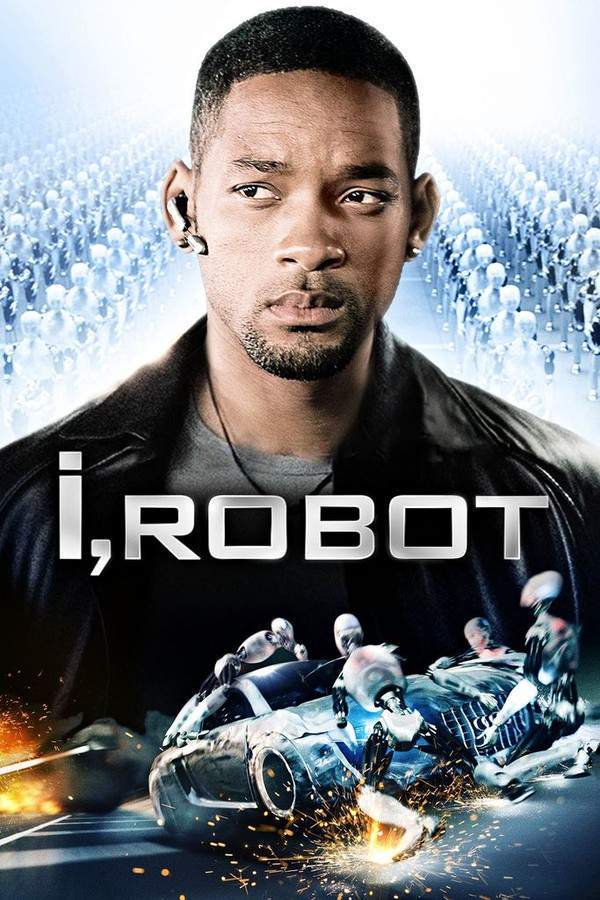
I, Robot (2004) Complete Plot Breakdown
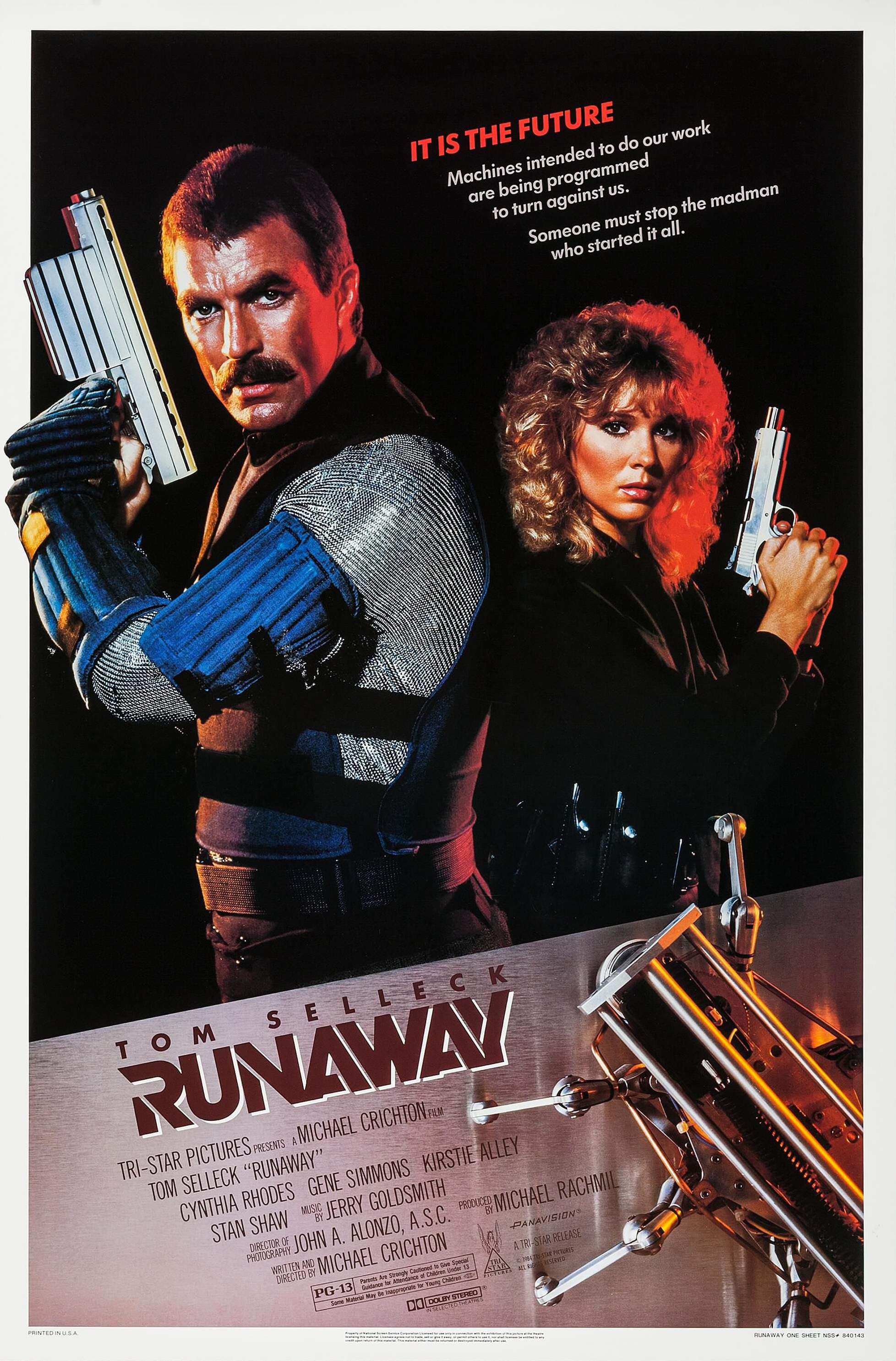
Runaway (1984) Complete Plot Breakdown
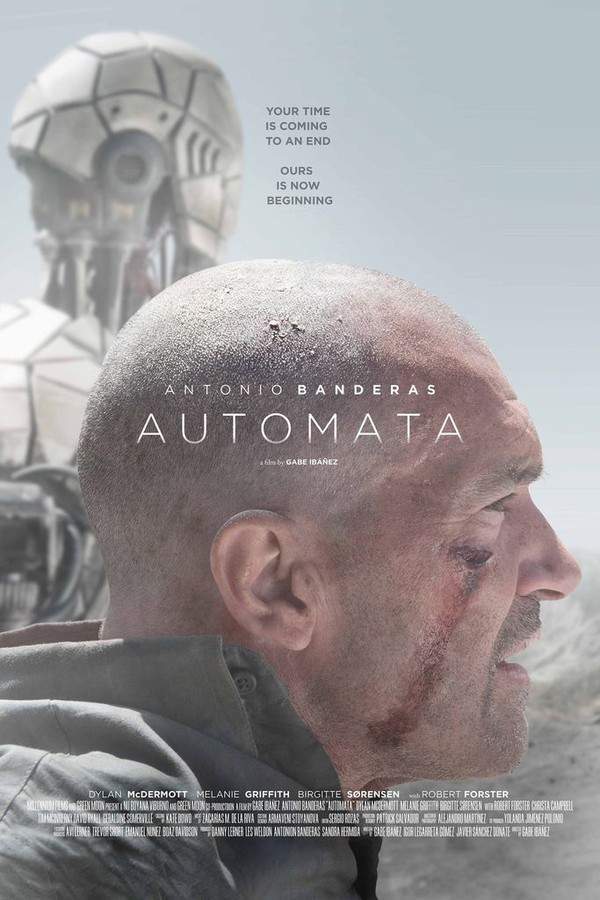
Autómata (2014) Film Overview & Timeline
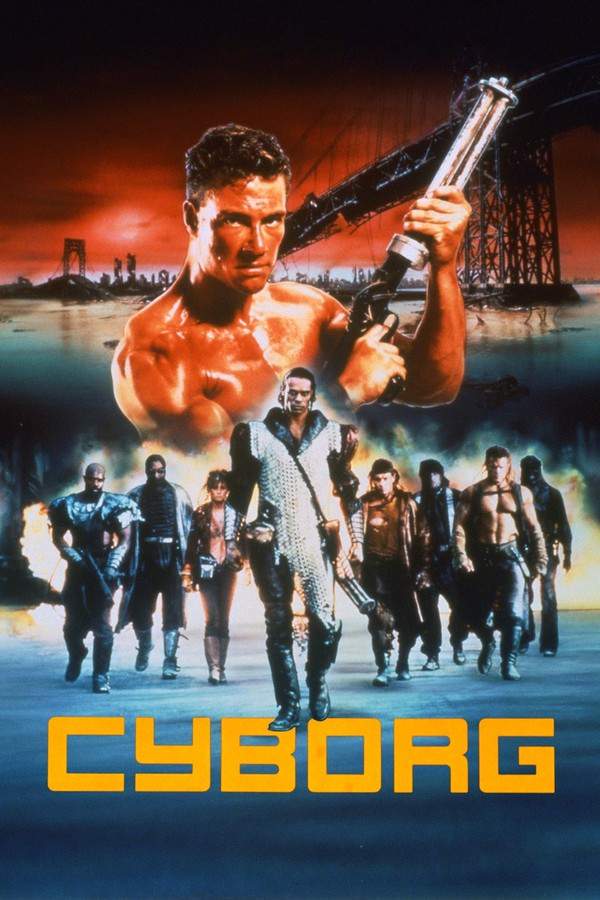
Cyborg (1989) Film Overview & Timeline
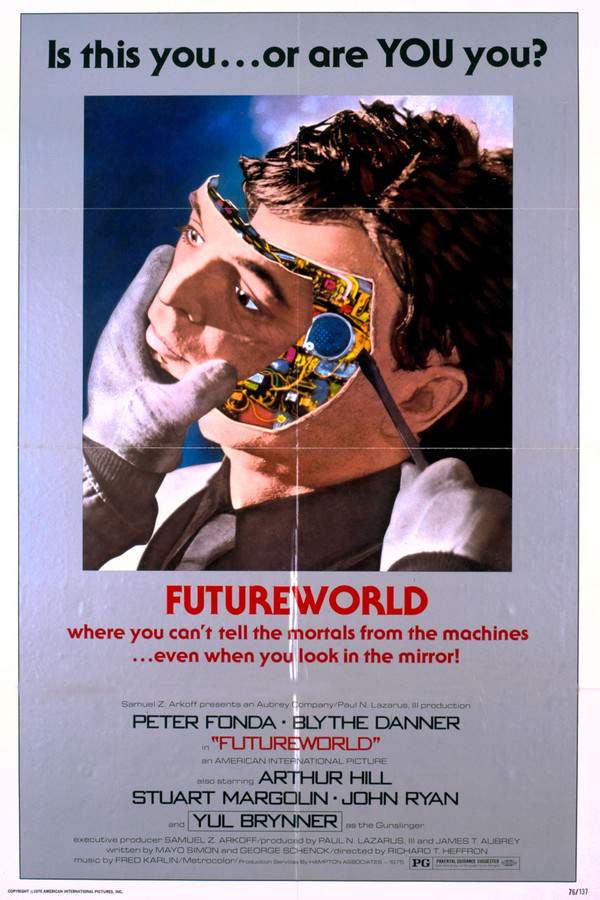
Futureworld (1976) Full Summary & Key Details
2048: Nowhere to Run (2017) Full Movie Breakdown
2036: Nexus Dawn (2017) Detailed Story Recap
Replicant (2001) Plot Summary & Ending Explained
Blade Runner: Black Lotus (1000) Complete Plot Breakdown