Plot Explained Spoilers guaranteed!
Plot Explained

Browse by genre

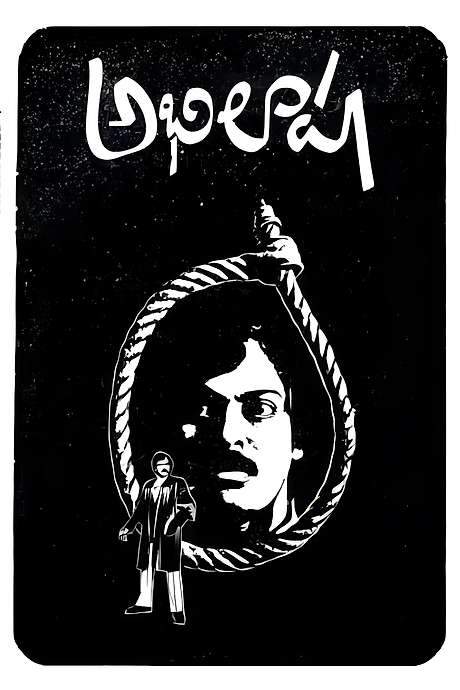
Abhilasha (1983) movie poster

Plot Summary

Abhilasha (1983) Plot Summary Explained

Release, runtime and language
1983 · 135 mins · Telugu
Loading streaming availability…
Directed by
A. Kodandarami Reddy
Starring
Rajyalakshmi, Gollapudi Maruti Rao, Radikaa Sarathkumar, Chiranjeevi, Rao Gopal Rao, Allu Aravind

The plot follows a determined young lawyer, Chiranjeevi, who lives with his roommate Allu Aravind and becomes obsessed with repealing Section 302 of the Indian Penal Code—the provision that imposes the death penalty. His determination is fueled by his father’s wrongful conviction and execution for adultery under that law.

On this page (6)
  1. 1 Where to watch
  2. 2 What happens: full plot
  3. 3 Plot questions answered
  4. 4 Movie threads
  5. 5 Movies like Abhilasha
  6. 6 Every angle
Loading streaming availability…

Full plot summary · contains spoilers

What Happens in Abhilasha: Full Plot Summary

The whole story of Abhilasha (1983) explained, from the opening scene to the final frame: every key event, every twist and what it all adds up to. Read it as a quick recap before the sequel, to check a scene you missed, or to finally understand what really happened.

Struggling lawyer Chiranjeevi digs into the daily grind of legal life, sharing a cramped space with his roommate Allu Aravind while chasing a bold goal: to abolish Section 302 of the Indian Penal Code, the death penalty for murder, a cause born from his father’s wrongful execution for a crime he didn’t commit.

The story pivots when the infamous criminal lawyer Sarvothama Rao invites the city’s most renowned legal minds to a grand party. By a twist of fate, Chiranjeevi ends up with an invitation and seizes the chance to press his proposal in the presence of Sarvothama Rao, hoping to win a hearing that could alter the fate of countless cases. At the party, nerves get the better of him, and he overindulges, taking refuge in a restroom. There, he encounters Sarvothama Rao’s niece, Archana, and awkwardly explains his presence. What begins as a tense meeting soon blossoms into a tentative romance, but Archana must soon leave for a meeting abroad.

Left behind, [Chiranjeevi] entwines his mission with a drastic ploy. He devises a plan to fake a murder, implicate himself, and accept a death sentence, betting that Sarvothama Rao will reveal the truth to the governor at the last moment and spark a constitutional challenge to Section 302 before the Supreme Court. The ruse hinges on staging the death of a woman, leading to a death sentence that will provoke scrutiny of the law. In a tense sequence, the plan appears to work as the team stages the body, and Chiranjeevi is condemned to die. While imprisoned, guard Vishnu Sharma notices how calm he remains, a demeanor that seems almost practiced rather than afraid.

Archana returns to learn of Chiranjeevi’s impending execution and seeks him out. He keeps his real scheme close to the vest, presenting his actions as a tragedy of passion rather than a calculated political gambit, which wounds their relationship deeply. Meanwhile, Sarvothama Rao, on his way to meet the governor, suffers an accident that threatens to derail the entire plan.

Desperation drives Chiranjeevi to confide in Vishnu Sharma, who then hurries to warn Archana. In a race against time, they contact Sarvothama Rao, who, despite his injuries, provides crucial evidence that could exonerate Chiranjeevi. The plot shifts toward a courtroom climax as Sarvothama Rao stages an elaborate defense of the man he believes to be innocent, and the celebration that follows at a party hosted by Sarvothama Rao becomes a tangled web of truth and deception.

At the celebratory gathering, a drunken Obulesu draws Chiranjeevi aside, arousing Archana’s suspicions. She tails them and uncovers a chilling truth: the woman whose corpse was used in the fake murder did not die naturally. The postmortem finally reveals the killer’s signature—death caused by a man with four fingers on one hand. Archana recalls a four-fingered goon who had once attacked her, and Chiranjeevi remembers buying the body from that very goon.

The investigation closes in on Sarvothama Rao, revealing that the dead woman was his daughter from an extramarital affair. Sarvothama Rao is arrested, and in court the judge sentences him to death. Chiranjeevi presents a counterpoint, arguing that true punishment should involve suffering for one’s actions rather than end in death, and the judge ultimately relents, reducing the sentence to seven years in prison.

Last updated: October 09, 2025 at 14:49

Was this helpful?

Plot questions answered

Abhilasha Plot Explained: Your Questions Answered

The questions people ask most about Abhilasha (1983): what happens in the confusing scenes, why the characters do what they do, the twists, hidden details and what the ending means. Each answer contains spoilers.

Q1

Why did Chiranjeevi fake his own murder?

Chiranjeevi faked his own murder to get sentenced to death, believing that Sarvothama Rao would reveal the truth to the governor at the last moment. This would spark a constitutional challenge to Section 302 (the death penalty) before the Supreme Court, allowing him to fight the law from within the system while risking his own life for the cause.

Foreshadowing: Earlier, Chiranjeevi is shown as a lawyer obsessed with repealing Section 302 because his father was wrongfully executed under it.

  • fake murder
  • Section 302
  • death sentence
  • legal challenge
Q2

What happened to Sarvothama Rao on his way to meet the governor?

Sarvothama Rao suffered a serious accident while traveling to meet the governor with evidence that could exonerate Chiranjeevi. This accident threatened to derail the entire plan, as Chiranjeevi was relying on Rao's testimony to save him from execution.

  • accident
  • governor
  • evidence
  • Sarvothama Rao
Q3

Why was Archana upset with Chiranjeevi in jail?

When Archana returned from abroad and visited Chiranjeevi in jail, he kept his real plan secret and presented his actions as a crime of passion rather than a calculated political strategy. This made her believe he had genuinely committed murder out of lust, which deeply wounded her and damaged their relationship.

Foreshadowing: Earlier at the party, Chiranjeevi had an awkward encounter with Archana in the restroom that led to romance.

  • Archana
  • jail
  • relationship
  • deception
Q4

How was the real murder discovered at the celebration party?

At the celebration party, a drunken Obulesu drew Chiranjeevi aside, arousing Archana's suspicions. She tailed them and discovered the truth. The postmortem report revealed that the woman whose body was used in the fake murder did not die naturally, she was killed by a man with four fingers on one hand.

Foreshadowing: The jail guard Vishnu Sharma had earlier noticed Chiranjeevi's unusually calm demeanor, hinting something was amiss.

  • postmortem
  • four fingers
  • celebration party
  • discovery
Q5

Who was the dead woman in Chiranjeevi's fake murder case?

The dead woman was Sarvothama Rao's daughter from an extramarital affair. This devastating revelation exposed Rao as the real murderer, he had killed his own daughter and sold her body to the four-fingered goon, whom Chiranjeevi had purchased the body from.

Foreshadowing: The postmortem revealed the killer had four fingers, and both Archana and Chiranjeevi had separate encounters with a four-fingered goon.

  • Rao's daughter
  • extramarital affair
  • body
  • four-fingered goon
Q6

Why did the judge reduce Rao's death sentence to seven years?

When the judge initially sentenced Sarvothama Rao to death, Chiranjeevi objected and argued that true punishment should involve suffering for one's actions rather than simply ending in death. The judge accepted this argument and reduced Rao's sentence to seven years in prison.

  • death sentence
  • seven years
  • Chiranjeevi's argument
  • judge
Q7

Why did Chiranjeevi argue against the death sentence for Rao?

Chiranjeevi believed that death was too easy a punishment for Sarvothama Rao. He argued that true justice meant making the culprit suffer the consequences of their actions through imprisonment, not a quick end. This philosophy stemmed from his own life's work against capital punishment.

Foreshadowing: Chiranjeevi's entire mission was to abolish the death penalty because his father was wrongfully executed.

  • death penalty
  • capital punishment
  • Rao's punishment
  • Chiranjeevi's beliefs
Q8

What was the significance of the four-fingered goon in the investigation?

The postmortem revealed the killer had four fingers on one hand, which became the crucial clue that broke the case. Archana recalled being attacked by a four-fingered goon in the past, while Chiranjeevi realized he had bought the body from that very same goon. This connected all the dots and led to Sarvothama Rao's arrest.

Foreshadowing: Earlier, Archana mentioned being attacked by a goon, though the number of fingers was not mentioned at that time.

  • four fingers
  • goon
  • Archana attack
  • clue
Q9

How did Sarvothama Rao become involved in the real murder?

Sarvothama Rao had an extramarital affair that produced a daughter. When he discovered his daughter was involved in some situation, he killed her and disposed of the body. He then sold the body to a four-fingered goon, not knowing that goon would later sell it to Chiranjeevi for his fake murder scheme.

  • extramarital affair
  • daughter
  • killing
  • body disposal
Q10

Why did Chiranjeevi remain calm when sentenced to death?

Chiranjeevi remained calm because his death sentence was part of a calculated plan. He faked the murder knowing he would be sentenced to death, trusting that Sarvothama Rao would reveal the truth at the last moment to challenge Section 302. His composure was so convincing that jail guard Vishnu Sharma became suspicious.

Foreshadowing: The timeline shows Chiranjeevi as calm from the moment of his arrest, showing no fear of execution.

  • calm
  • death sentence
  • plan
  • Vishnu Sharma suspicion

Movie threads

More Movies Like Abhilasha, by Mood & Story

Curated lists built around what makes Abhilasha tick: the same mood, the same kind of story or the same emotional payoff. Each list explains why these movies belong together.

Obsessive justice quests like in Abhilasha

Stories where a protagonist's unwavering pursuit of justice carries a heavy personal cost. If you liked the driven, high-stakes mission in Abhilasha, explore more movies about characters risking everything for a cause. These films feature tense, morally complex stories where an obsessive pursuit of justice creates gripping, emotionally heavy drama.

  • determined
  • high stakes
  • morally grey
  • tense
  • obsessive
  • driven
  • Tone: tense, serious
  • Pacing: steady, driven
Why these movies?

The story pattern: These narratives typically follow a protagonist who, spurred by a personal injustice or a deep-seated moral conviction, embarks on a risky and often unconventional plan. The plot structure revolves around the execution of this high-stakes gambit, the mounting tension as it threatens to unravel, and the exploration of the ethical sacrifices made along the way.

Why they belong together: Movies in this thread are united by a central character's relentless, high-stakes mission. They share a serious tone, steady yet suspenseful pacing, and a heavy emotional weight derived from the protagonist's personal investment and the potential for devastating failure.

Legal thrillers with moral complexity like Abhilasha

Courtroom and legal stories where the battle for justice creates a tense, claustrophobic atmosphere. Fans of Abhilasha's tense legal battle and ethical challenges will appreciate these movies. Discover similar thrillers where the courtroom or legal system becomes a stage for high-stakes drama, moral sacrifice, and a fight for justice against daunting odds.

  • tense
  • morally grey
  • high stakes
  • claustrophobic
  • serious
  • legal
  • Tone: tense, morally grey
  • Pacing: steady, deliberate
Why these movies?

The story pattern: Stories in this pattern often involve a lawyer or outsider challenging a legal institution or a specific law. The conflict arises from the gap between legal technicality and true justice, forcing characters into morally grey areas. The narrative builds tension through legal maneuvering, investigation, and the personal risks taken to expose the truth.

Why they belong together: These films are grouped by their shared setting in the legal world, a tone of serious tension, and a thematic focus on justice, morality, and the flaws of the system. They typically feature a steady, deliberate pacing that builds suspense around a central legal or ethical conflict.

If you liked this

Movies Like Abhilasha

Similar movies to Abhilasha: the same genre, themes or kind of story. Each one comes with its own plot summary, timeline and ending explained.

Browse all movie summaries

Every angle

Abhilasha (1983) Explained: Plot, Timeline & Characters

Everything about Abhilasha in one place: what happens in the plot summary, the timeline in chronological order, the characters and meaning and a spoiler-free summary. What's After the Movie adds the cast, box office and post-credit scenes.

Coming soon on iOS and Android

The Plot Explained Movie Summary App

Plot summaries, endings explained and timelines on your phone. Catch up on any movie in minutes, save your favorites and never miss a twist again.

Be the first to know when we launch. Your email stays private, always.

Learn more about the app