Plot Explained Spoilers guaranteed!
Plot Explained

Browse by genre

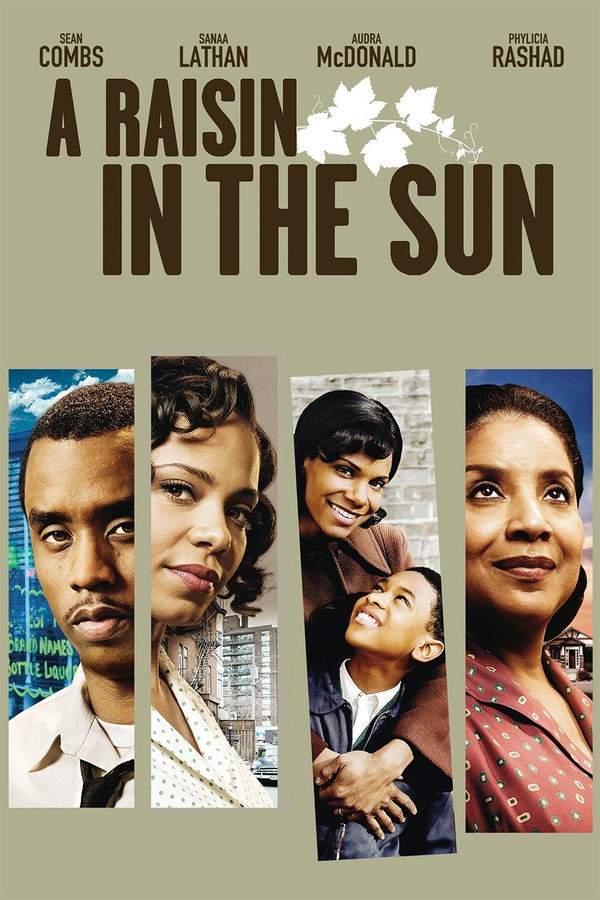
A Raisin in the Sun (2008) movie poster

Characters & Themes

A Raisin in the Sun (2008) Characters, Setting & Themes Explained

Release, runtime and language
2008 · 131 mins · English
Loading streaming availability…
Directed by
Kenny Leon
Starring
Morgan Freeman, Sean Patrick Thomas, David Oyelowo, Martin Roach, Sanaa Lathan, Bill Nunn

The Younger family confronts a pivotal choice after the patriarch’s death leaves them $10,000 in life‑insurance money. They debate whether to purchase a new home in a better neighborhood or invest in a liquor store, each path fraught with risk. Set on Chicago’s South Side in the 1950s, their struggle underscores how dreams can uplift or be shattered by hard decisions.

On this page (8)
  1. 1 Where to watch
  2. 2 Characters explained (11)
  3. 3 Where & when it takes place
  4. 4 Themes & meaning (3)
  5. 5 Character & meaning questions
  6. 6 Movie threads
  7. 7 Movies like A Raisin in the Sun
  8. 8 Every angle
Loading streaming availability…

11 main characters · contains spoilers

A Raisin in the Sun Characters Explained: Who Is Who

The main characters of A Raisin in the Sun (2008), heroes and villains: what drives them, how they change over the course of the story and what each of them reveals about the film's bigger ideas.

  • Walter Lee Younger (Walter) – Sean Combs

    A prideful, impulsive chauffeur who equates money with status and security. He envisions a liquor store as a fast track to independence, but his single-minded pursuit strains family bonds and exposes the fragility of his dreams. Over the course of the story, he must confront the consequences of his decisions and what it means to lead the family.

    • 🔥 Ambition
    • 🧩 Family loyalty
    • 🗣️ Pride
  • Lena Younger (Mama) – Phylicia Rashad

    played by Phylicia Rashād

    The matriarch who anchors the family with quiet strength and practical wisdom. She chooses to invest in a house instead of indulging every dream, embodying hope and responsibility. Her decisions reveal a deep love for her family and the burden of stewardship she bears.

    • 💪 Leadership
    • ❤️ Family
    • 🏠 Homeownership
  • Ruth Younger – Audra McDonald

    Walter’s wife, practical and tired of financial strain. She carries the weight of pregnancy and the family's future, weighing abortion against continuing the pregnancy. Her resilience keeps the family hopeful even amid doubt and disappointment.

    • 🤝 Resilience
    • 👪 Family
    • 🧭 Practicality
  • Beneatha Younger – Sanaa Lathan

    Intellectual and striving for medical school, she explores her Nigerian heritage and rejects conventional norms. She challenges Walter’s plan and seeks independence, representing the younger generation’s push for identity and self-definition.

    • 🧠 intellect
    • 🌍 Heritage
    • 🧭 Identity
  • Joseph Asagai – David Oyelowo

    A friend and possible romantic interest for Beneatha, he brings cultural pride and a contrasting view on heritage. His presence adds a dimension of cross-cultural exchange and intellectual curiosity.

    • 🌍 Culture
    • 💡 Intellectual
    • ❤️ Romance
  • George Murchison – Sean Patrick Thomas

    A wealthy, polished neighbor who embodies assimilation and status through success. He clashes with Beneatha's views and exposes the tension between wealth, class, and cultural authenticity.

    • 💼 Wealth
    • 🧭 Identity
    • 🗣️ Debate
  • Willy Harris – Ron Cephas Jones

    Walter’s friend who influences the illicit liquor venture and ultimately betrays the family trust by misappropriating the money. His actions catalyze a major turning point in the family’s fortunes.

    • 💰 Betrayal
    • 🧩 Risk
    • 🕴️ Friendship
  • Bobo – Bill Nunn

    Walter’s partner in the failed business scheme whose double-cross costs the family the money. His actions precipitate a crisis that tests the Youngers’ resilience and unity.

    • ⚖️ Betrayal
    • 🧠 Strategy
    • 🧭 Risk
  • Miss Tilly – Yanna McIntosh

    A salon worker who provides Ruth with information and support during a difficult moment, representing practical help from the community.

    • 🫶 Help
    • 🏥 Community
    • 🗨️ Advice
  • Mrs. Arnold – Rosemary Dunsmore

    Walter’s employer’s wife who prompts Lena to address Walter’s absence from work, highlighting the pressure and responsibility surrounding a working family.

    • 👔 Workplace
    • 🕰️ Responsibility
    • 🧭 Social pressure
  • Carl Linder – John Stamos

    The polite but condescending businessman who offers to buy out the Youngers to keep the neighborhood white, representing discriminatory deals and the moral test the family faces.

    • 🤝 Discrimination
    • 🧭 Morality
    • 🏠 Real estate

Last updated: October 04, 2025 at 18:26

Was this helpful?

Setting

Where and When Does A Raisin in the Sun Take Place?

The setting of A Raisin in the Sun (2008): the year and time period, the places and locations, and how they shape the characters, the mood and the tension of the story.

Time period

1959

Set in the late 1950s Chicago, the film sits at the edge of the civil rights era in urban America. Housing discrimination and social scrutiny color the Younger family’s choices, turning money into a symbol of opportunity and peril. The era's restrictions heighten the stakes of every decision the family makes about home, work, and identity.

Location

Chicago, South Side, Green Hat club, Clybourne Park

Set in 1959 Chicago's South Side, the story centers on the Younger family's apartment, the Green Hat club, and the white-dominated streets of Clybourne Park. The city serves as a backdrop where dreams of home ownership collide with discrimination and social scrutiny. The film uses these locations to explore family life under pressure and the pursuit of a better future.

  • 🏙️ Urban
  • 🧭 Race relations
  • 🏠 Housing

Last updated: October 04, 2025 at 18:26

Was this helpful?

3 major themes

A Raisin in the Sun Meaning: Themes & Message Explained

What is A Raisin in the Sun (2008) really about? The emotional, social and philosophical themes the film keeps returning to, its symbolism and the message beneath the surface.

  • Dream vs Reality

    The Younger family clings to a dream of upward mobility after receiving the life insurance check, but different goals pull the family in conflicting directions. Walter wants a business venture to prove his worth, while Lena seeks a secure home for her family. The tension between aspiration and practical consequence drives the narrative and forces tough choices.

  • Home and Belonging

    The central promise of a house in a better neighborhood becomes a symbol of dignity and security. Each character measures success through the lens of home, from Lena’s purchase to Walter’s desire to control the money. The community’s reaction—both support and hostility—tests what it means to belong.

  • Racism and Housing

    Discrimination and racial tensions are woven into the plot through neighborhood resistance and the offer from Karl Lindner. The struggle to keep their money and move into a white neighborhood highlights the social barriers of the era. The Younger family's defiance towards exclusion becomes a statement of courage and identity.

Last updated: October 04, 2025 at 18:26

Was this helpful?

Character & theme questions

A Raisin in the Sun Characters & Meaning: Your Questions Answered

The questions people ask about A Raisin in the Sun (2008): who the characters really are, their relationships, what the symbols mean, where it takes place and what the movie is really about. Each answer contains spoilers.

Q1

Where is the movie set?

The film takes place on Chicago's South Side in 1959, primarily in the Younger family's cramped apartment. Key locations include the local Green Hat club and the predominantly white neighborhood of Clybourne Park, where the family considers moving.

  • chicago south side
  • setting
  • clybourne park
  • younger family apartment
Q2

What time period does the story take place in?

The movie is set in 1959, placing it at the edge of the civil rights era in America. This specific historical moment is crucial, the story unfolds during a time when housing discrimination was institutionalized, and the Youngers' decision to move into a white neighborhood represents both personal aspiration and a quietly radical act.

  • 1950s
  • 1959
  • civil rights era
  • chicago
  • historical setting
Q3

What is the Dream vs Reality theme about?

The Dream vs Reality theme explores how the Younger family's $10,000 insurance payout represents both hope and hazard. Walter sees the money as his ticket to independence through a liquor store business, while Mama views it as a means to finally own a home. Their conflicting dreams create tension that forces each character to confront what they truly value versus what they actually can achieve.

  • dreams
  • aspiration
  • money
  • family conflict
  • walter lee younger
  • mama lena younger
Q4

What does the Home and Belonging theme represent?

The Home and Belonging theme centers on the house Mama wants to buy in a better neighborhood as a symbol of dignity and security. For each character, home represents something different: escape from poverty for Walter, a legacy for the family for Mama, and a fresh start for Ruth. The community's mixed reaction, both support and hostility, tests what it truly means to belong somewhere.

  • home ownership
  • house
  • belonging
  • clybourne park
  • dignity
  • family
Q5

How does racism factor into the story?

Racism manifests through housing discrimination and the social barriers the Younger family faces when attempting to move to a white neighborhood. Karl Lindner represents this openly by offering to buy them out to keep the neighborhood segregated. The family's choice to defy this exclusion and move anyway becomes a statement of courage and their refusal to accept second-class citizenship.

  • racism
  • housing discrimination
  • karl lindner
  • clybourne park
  • segregation
  • civil rights
Q6

Who is Walter Lee Younger?

Walter Lee Younger is the prideful, impulsive son and husband who works as a chauffeur. He equates financial success with personal worth and sees a liquor store investment as his path to independence and respect. His single-minded pursuit of wealth strains family relationships and ultimately exposes how fragile his dreams are when built on unstable foundations.

  • walter lee younger
  • protagonist
  • chauffeur
  • liquor store
  • pride
  • ambition
Q7

Who is Lena Younger (Mama)?

Lena Younger, known as Mama, is the matriarch who anchors the family with quiet strength and practical wisdom. Instead of funding Walter's business venture, she chooses to invest in a house, a decision that reflects her belief in tangible security over speculative dreams. Her choices embody hope, responsibility, and the burden of holding the family together.

  • lena younger
  • mama
  • matriarch
  • mother
  • house
  • wisdom
  • family anchor
Q8

Who is Ruth Younger?

Ruth Younger is Walter's practical, weary wife who carries the weight of the family's financial strain and an unplanned pregnancy. She briefly considers abortion before deciding to keep the baby, showing her resilience despite constant hardship. Her quiet endurance keeps the family hopeful even as disappointment mounts.

  • ruth younger
  • wife
  • pregnancy
  • abortion
  • resilience
  • practical
Q9

Who is Beneatha Younger?

Beneatha Younger is the intelligent, ambitious daughter studying to become a doctor while exploring her Nigerian heritage. She rejects conventional expectations and challenges Walter's plans, representing the younger generation's push for identity and self-definition. Her relationship with Joseph Asagai introduces themes of cultural pride and African identity.

  • beneatha younger
  • daughter
  • medical school
  • nigerian heritage
  • asagai
  • identity
Q10

Who is Joseph Asagai?

Joseph Asagai is Beneatha's friend and potential romantic interest who brings a perspective on African heritage and cultural pride. His conversations with Beneatha introduce ideas about identity beyond American racial categories and provide intellectual contrast to the family's immediate financial struggles.

  • joseph asagai
  • beneatha
  • nigerian
  • cultural pride
  • heritage
  • romance
Q11

Who is Karl Lindner?

Karl Lindner is a representative from the white neighborhood of Clybourne Park who politely but condescendingly offers to buy the Youngers out to prevent them from moving in. His offer represents the institutionalized racism and discriminatory deals the family must navigate, serving as the moral test that pushes them to assert their right to live wherever they choose.

  • karl lindner
  • clybourne park
  • buyer
  • discrimination
  • neighborhood
  • offer
Q12

Why is the insurance money significant?

The $10,000 life insurance check represents the Younger family's first real opportunity for upward mobility, but it also becomes a source of conflict. The money sparks debates about whether to invest in a business, buy a home, or save for emergencies. Its ultimate loss through Willy Harris's betrayal forces the family to redefine what their dreams are actually worth.

  • insurance money
  • ten thousand dollars
  • payout
  • dreams
  • investment
  • betrayal
Q13

What is the overall tone and emotional feel of the movie?

The film carries a hopeful but heavy emotional weight, dealing with poverty, racism, and difficult family decisions including a contemplated abortion. Despite setbacks, most notably the loss of their money to a swindler, the ending is bittersweet: the family achieves their dream of a new home but faces uncertain financial security and certain racial hostility, yet they move forward together in solidarity.

  • tone
  • emotional
  • hopeful
  • bittersweet
  • family solidarity
  • ending

Movie threads

More Movies Like A Raisin in the Sun, by Mood & Story

Curated lists built around what makes A Raisin in the Sun tick: the same mood, the same kind of story or the same emotional payoff. Each list explains why these movies belong together.

Movies about dignity under pressure like A Raisin in the Sun

Families facing systemic injustice fight to maintain their pride and dreams. If you liked A Raisin in the Sun, you'll appreciate these movies where characters fight for respect and a better life against systemic obstacles. They are powerful family and social dramas about maintaining hope and pride in the face of racial and economic hardship.

  • dignified
  • tense
  • hopeful
  • oppressive
  • frustrating
  • melancholic
  • Tone: hopeful, tense, dignified
  • Pacing: steady, deliberate
Why these movies?

The story pattern: Narratives in this thread often involve a family or group at a critical juncture, where an opportunity for advancement is threatened by external prejudice or internal conflict. The central journey is not just about achieving a goal, but about affirming their worth and humanity in the process, often culminating in a defiant, bittersweet victory.

Why they belong together: Movies are grouped here for their shared focus on the human need for dignity amidst adversity. They balance heavy emotional themes with a resilient, hopeful tone, creating a powerful and moving viewing experience centered on moral courage.
Bittersweet family crossroads dramas like A Raisin in the Sun

A single decision divides a family, testing bonds and reshaping their future. Find movies similar to A Raisin in the Sun, where a family inheritance or windfall creates tension and forces difficult choices. These character-driven dramas explore generational conflict and moral dilemmas, resulting in emotionally heavy stories with bittersweet conclusions.

  • tense
  • frustrating
  • melancholic
  • hopeful
  • family conflict
  • moral dilemma
  • Tone: bittersweet, tense, hopeful
  • Pacing: steady, character-driven
Why these movies?

The story pattern: The narrative pattern involves an external catalyst—like an inheritance or a major opportunity—that exposes the divergent dreams and values within a family. The story unfolds through passionate debates and personal sacrifices, leading to a climax where the family's unity is tested. The ending typically sees a partial achievement of their goals, but at a significant personal or financial cost, strengthening bonds through shared hardship.

Why they belong together: These films are connected by their central 'what would you do?' dilemma that drives the plot. They share a steady, dialogue-heavy pacing, a mix of tense and hopeful tones, and a profound emotional weight derived from the high-stakes personal choices faced by relatable characters.

If you liked this

Movies Like A Raisin in the Sun

Similar movies to A Raisin in the Sun: the same genre, themes or kind of story. Each one comes with its own plot summary, timeline and ending explained.

Browse all movie summaries

Every angle

A Raisin in the Sun (2008) Explained: Plot, Timeline & Characters

Everything about A Raisin in the Sun in one place: what happens in the plot summary, the timeline in chronological order, the characters and meaning and a spoiler-free summary. What's After the Movie adds the cast, box office and post-credit scenes.

Coming soon on iOS and Android

The Plot Explained Movie Summary App

Plot summaries, endings explained and timelines on your phone. Catch up on any movie in minutes, save your favorites and never miss a twist again.

Be the first to know when we launch. Your email stays private, always.

Learn more about the app