Plot Explained Spoilers guaranteed!
Plot Explained

Browse by genre

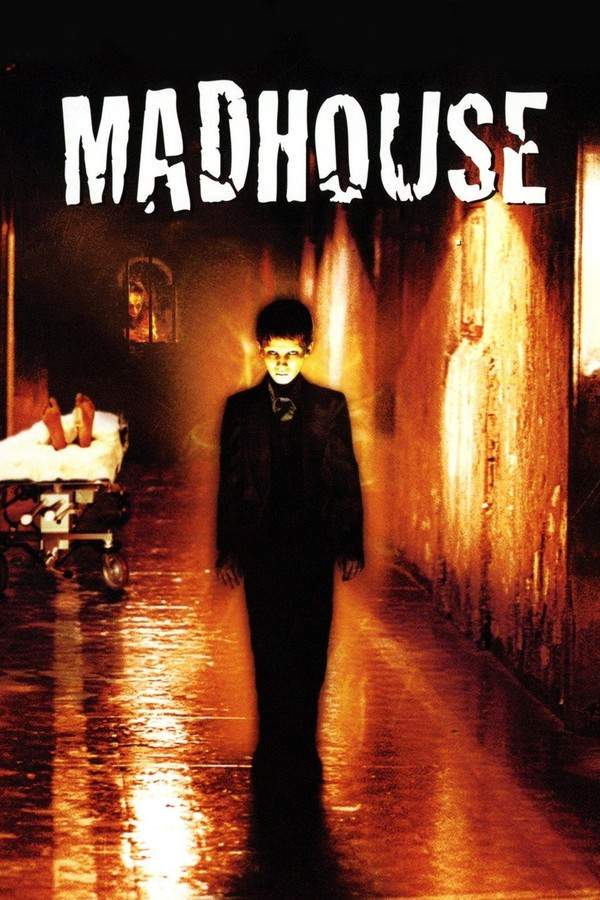
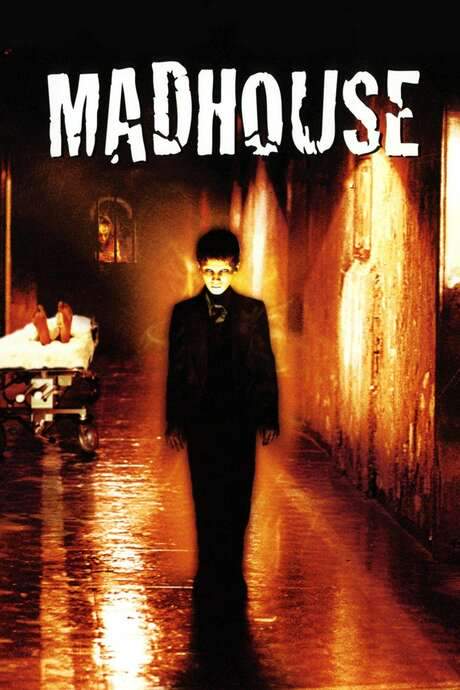
Madhouse (1981) movie poster

Plot Summary

Madhouse (1981) Plot Summary Explained

Release, runtime and language
1981 · 93 mins · English
JustWatch #22,266 4
Directed by
Ovidio G. Assonitis
Starring
Joe Camp, Michael MacRae, Edith Ivey, Dennis Robertson, Jerry Fujikawa, Patricia Mickey

Many people visit… no one ever leaves. A woman is pursued by her murderous, psychopathic twin sister in the days leading up to their birthday.

On this page (6)
  1. 1 Where to watch
  2. 2 What happens: full plot
  3. 3 Plot questions answered
  4. 4 Movie threads
  5. 5 Movies like Madhouse
  6. 6 Every angle

Where to watch

Where to Watch Madhouse (1981)

Where can you watch Madhouse? Stream, rent or buy it in the US, including on ARROW, Night Flight Plus and Kanopy: current JustWatch availability with up-to-date prices.

Streaming availability powered by JustWatch

Full plot summary · contains spoilers

What Happens in Madhouse: Full Plot Summary

The whole story of Madhouse (1981) explained, from the opening scene to the final frame: every key event, every twist and what it all adds up to. Read it as a quick recap before the sequel, to check a scene you missed, or to finally understand what really happened.

Julia Sullivan Patricia Mickey is a young schoolteacher for deaf children living in Savannah, Georgia, whose memories of childhood haunt her. Those memories center on her sadistic twin sister, Mary Allison Biggers, whose cruelty left an indelible mark. At the urging of her uncle, James Dennis Robertson, a local Catholic priest, Julia agrees to visit Mary, who is confined to a mental institution. The reunion is tense and dangerous, and Mary vows to make Julia “suffer as she had suffered.”

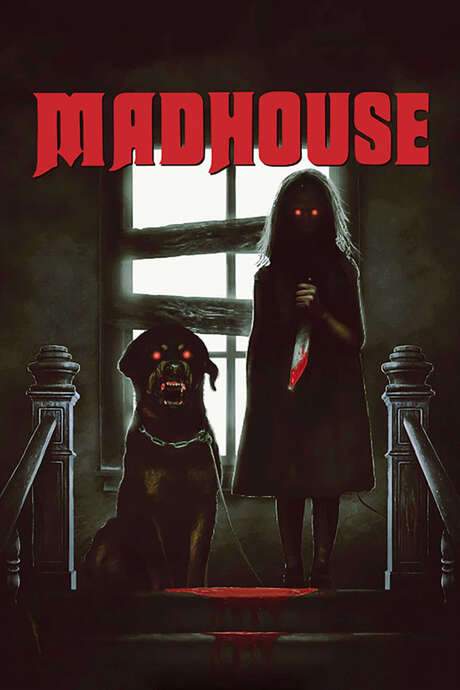
As their shared birthday nears, Julia discovers that Mary has escaped the institution. A chilling string of deaths begins to unfold in the house Julia calls home, with several neighbors and friends meeting gruesome ends. A menacing Rottweiler appears in the attacks, quietly stalking victims and leaving a trail of fear behind it. One of Julia’s students, Sasha Robertson Jr. Richard Baker, is killed in a park by the same ominous dog, deepening the sense that something dark is closing in on Julia.

Paranoia grows as Julia suspects someone—perhaps Mary—has found a way to hide within the walls of her own home. The pressure mounts when her psychologist boyfriend, Sam Edwards Michael MacRae, is seemingly pulled away by a business trip to San Francisco just as trouble reaches a peak. Yet fate has other plans, and the house grows stranger and more dangerous by the day.

The tension shifts to the basement, where the landlord Amantha Beauregard Edith Ivey reveals she’s helping with a “surprise” for Julia, only to realize she has walked into something monstrous. In the basement, Father James’s cruel setup comes to light as he stashes corpses in the dim space, including the bodies of Helen Morgan Hart and Amantha. The night ends with a confrontation that ends in tragedy for Amantha and a grim sense of what Julia is up against.

On Julia’s birthday, James returns to the house with the intention of completing his ritual. He blindfolds Julia for a supposed surprise, leading her into the basement where the horrifying tableau sits. When Julia tries to escape, she is caught up in a deadly confrontation with her uncle, and she kills him with a hatchet. The threat from the past seems to intensify as Mary momentarily returns to life, attempting to strangle Julia with one last, eerie warning: Julia “will never be free.” The film closes on Julia’s tears, leaving a lingering sense of dread and a final nod to a line attributed to G. B. Shaw.
Last updated: October 09, 2025 at 14:29

Was this helpful?

Plot questions answered

Madhouse Plot Explained: Your Questions Answered

The questions people ask most about Madhouse (1981): what happens in the confusing scenes, why the characters do what they do, the twists, hidden details and what the ending means. Each answer contains spoilers.

Q1

Why does Uncle James convince Julia to visit Mary in the mental institution?

James uses his position as a priest to manipulate Julia into visiting Mary, reigniting Mary's obsession with her. This visit serves as James's setup, he knows Mary will threaten Julia, creating the chaos he needs to proceed with his own dark plans. James isn't helping Mary out of sibling concern; he's using Mary's madness as a cover for his murderous activities.

Foreshadowing: Early childhood memories show Mary's obsessive fixation on Julia, making her extreme reaction to the visit predictable.

  • uncle james
  • mary
  • mental institution
  • manipulation
  • priest
Q2

What was James planning to do with the bodies in the basement?

James was conducting some kind of ritual involving corpses he stored in Julia's basement, including Helen and Amantha. On Julia's birthday, he blindfolds her and leads her to this macabre setup, suggesting he intended to sacrifice or involve Julia in whatever supernatural ceremony he was performing. The presence of multiple bodies indicates this wasn't a spontaneous crime but a planned ritual.

Foreshadowing: James's role as a Catholic priest and his insistence on a birthday 'surprise' create ominous foreshadowing of religious corruption.

  • james
  • ritual
  • basement
  • bodies
  • birthday
  • priest
  • sacrifice
Q3

Is the Rottweiler connected to Mary or James?

The Rottweiler appears demonic and serves as James's instrument of murder rather than being controlled by Mary. The dog kills multiple victims including Julia's student Sasha and her friend Helen, operating with supernatural precision. James orchestrates the killings while using Mary's escape as a distraction. The dog attacks Sam when he tries to leave for the airport, suggesting James wanted Sam out of the way.

Foreshadowing: The mysterious dog appears immediately after Mary's escape, but its actions benefit James more than Mary.

  • rottweiler
  • supernatural dog
  • killings
  • james
  • sasha
Q4

Why does Sam leave for San Francisco right when the attacks start?

James orchestrates Sam's 'business trip' to San Francisco, removing Julia's only protection during the crisis. Sam's departure coincides perfectly with the escalation of violence, suggesting James arranged this timing. When Sam attempts to leave, his taxi gets a flat tire and the demonic Rottweiler attacks him, showing James's manipulation extends to preventing any rescue.

Foreshadowing: James conveniently suggests Sam travel at the precise moment danger intensifies.

  • sam edwards
  • san francisco
  • james
  • manipulation
  • rescue
Q5

Why does Mary come back to life at the end?

Mary's brief return from death serves as James's final supernatural weapon. Since the film establishes demonic elements through the Rottweiler, Mary's resurrection indicates James may have involved her corpse in his ritual as well. Her final attempt to strangle Julia and warning that she 'will never be free' suggests James bound Mary's spirit to continue tormenting Julia even after death.

Foreshadowing: The demonic Rottweiler establishes supernatural forces operate in this story, making Mary's return plausible within the film's mythology.

  • mary
  • resurrection
  • strangle
  • never be free
  • supernatural
  • warning
Q6

Why does Amantha help James carry the body bag?

Amantha Beauregard, Julia's landlord, believes she's helping with a birthday surprise setup. James manipulates her into carrying a large bag containing Helen's corpse under the guise of helping decorate. By the time Amantha realizes what she's done, James pursues her through the house. Her willingness to help stems from trust in James's role as Julia's supportive uncle.

Foreshadowing: James's insistence on preparing a 'surprise' for Julia's birthday creates the opportunity to trick Amantha.

  • amantha
  • body bag
  • james
  • birthday surprise
  • landlord
Q7

What does the opening childhood scene reveal about Mary and Julia's relationship?

The opening flashback shows Mary as a child violently attacking her twin Julia, bashing her face until she bleeds and collapses. This establishes Mary's sadistic nature and her psychological hold over Julia from childhood. The scene explains Julia's deep trauma and why she fears Mary's release. The twins' shared birthday becomes a symbolic date of origin for Julia's suffering.

Foreshadowing: The opening violence directly mirrors Mary's adult vow to make Julia 'suffer as she had suffered.'

  • childhood
  • twins
  • mary
  • violence
  • flashback
  • trauma
Q8

How is Uncle James actually the main villain?

James presents himself as a helpful priest who encourages Julia to reconcile with Mary, but he's actually the mastermind behind the killings. He uses Mary's escape as cover, stores bodies in Julia's basement, manipulates Sam's departure, and attempts to use Julia in his ritual. His religious position makes him the film's ultimate betrayal, a trusted family member who preyed on his niece.

Foreshadowing: James's persistent interest in Julia's birthday and his 'surprise' setup raise suspicion throughout the film.

  • uncle james
  • villain
  • priest
  • twist
  • betrayal
  • killer
Q9

What does the ending quote about fear and freedom mean?

The film ends with a G.B. Shaw quote underscoring that Julia's victory is hollow. Even though she kills James and survives, Mary warns she 'will never be free.' The quote reinforces that Julia remains trapped by her traumatic past, Mary's hatred persists beyond death, and Julia now carries the guilt of murdering her uncle. Survival doesn't equal liberation from psychological torment.

Foreshadowing: Mary's final warning and Julia's tears establish the ending as tragic rather than triumphant.

  • ending
  • quote
  • shaw
  • freedom
  • fear
  • psychological torment

Movie threads

More Movies Like Madhouse, by Mood & Story

Curated lists built around what makes Madhouse tick: the same mood, the same kind of story or the same emotional payoff. Each list explains why these movies belong together.

Gothic family secrets and inherited evil like in Madhouse

Stories where ancestral curses and dark family histories haunt the present. Movies like Madhouse that explore the terror of inherited evil and family curses. If you liked the dark legacy and psychological torment in Madhouse, you'll find similar stories of ancestral sins and haunting family secrets in these films.

  • gothic
  • menacing
  • unsettling
  • grim
  • claustrophobic
  • desperate
  • Tone: dark, grim, unsettling
  • Pacing: steady, deliberate
Why these movies?

The story pattern: The narrative usually revolves around a protagonist, often returning to a family home, who uncovers a horrifying truth about their lineage. The conflict is against a pre-ordained fate or a malevolent relative, blending psychological and supernatural elements in a struggle against an evil born from within the family itself.

Why they belong together: These movies are grouped by their shared focus on familial horror, where the primary threat is an intimate one tied to blood and heritage. They create a unique dread by making the home and family the source of terror, blending personal trauma with gothic atmosphere.

Paranoid dread and psychological torment like in Madhouse

Films where reality unravels under the weight of relentless psychological pressure. Find movies like Madhouse that immerse you in a world of paranoid dread and psychological torment. These films feature characters grappling with unreliable perceptions, relentless mental pressure, and a terrifying uncertainty about what is real.

  • paranoid
  • claustrophobic
  • menacing
  • unsettling
  • desperate
  • gritty
  • Tone: dark, tense, unsettling
  • Pacing: steady, building tension
Why these movies?

The story pattern: Stories in this thread follow a character's descent into a state of extreme anxiety and doubt. The narrative often involves a persistent, stalker-like threat—whether human, supernatural, or internal—that systematically destroys the protagonist's sense of safety and reality, leading to a climax of psychological collapse or violent confrontation.

Why they belong together: They are united by their powerful evocation of paranoia and mental anguish. The shared experience is one of claustrophobic dread, where the viewer is placed squarely in the perspective of a tormented character, making the fear feel immediate and inescapable.

If you liked this

Movies Like Madhouse

Similar movies to Madhouse: the same genre, themes or kind of story. Each one comes with its own plot summary, timeline and ending explained.

Browse all movie summaries

Every angle

Madhouse (1981) Explained: Plot, Timeline & Characters

Everything about Madhouse in one place: what happens in the plot summary, the timeline in chronological order, the characters and meaning and a spoiler-free summary. What's After the Movie adds the cast, box office and post-credit scenes.

Coming soon on iOS and Android

The Plot Explained Movie Summary App

Plot summaries, endings explained and timelines on your phone. Catch up on any movie in minutes, save your favorites and never miss a twist again.

Be the first to know when we launch. Your email stays private, always.

Learn more about the app