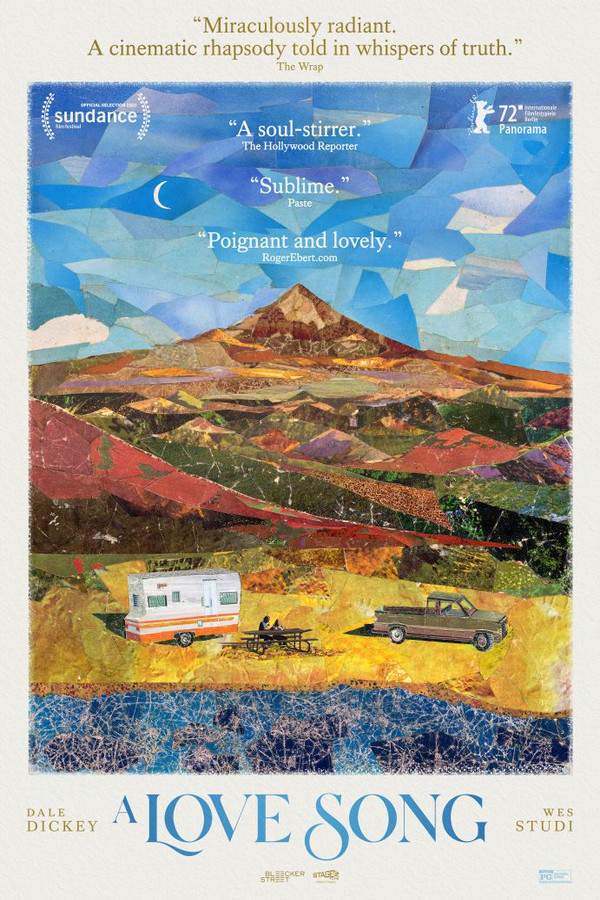
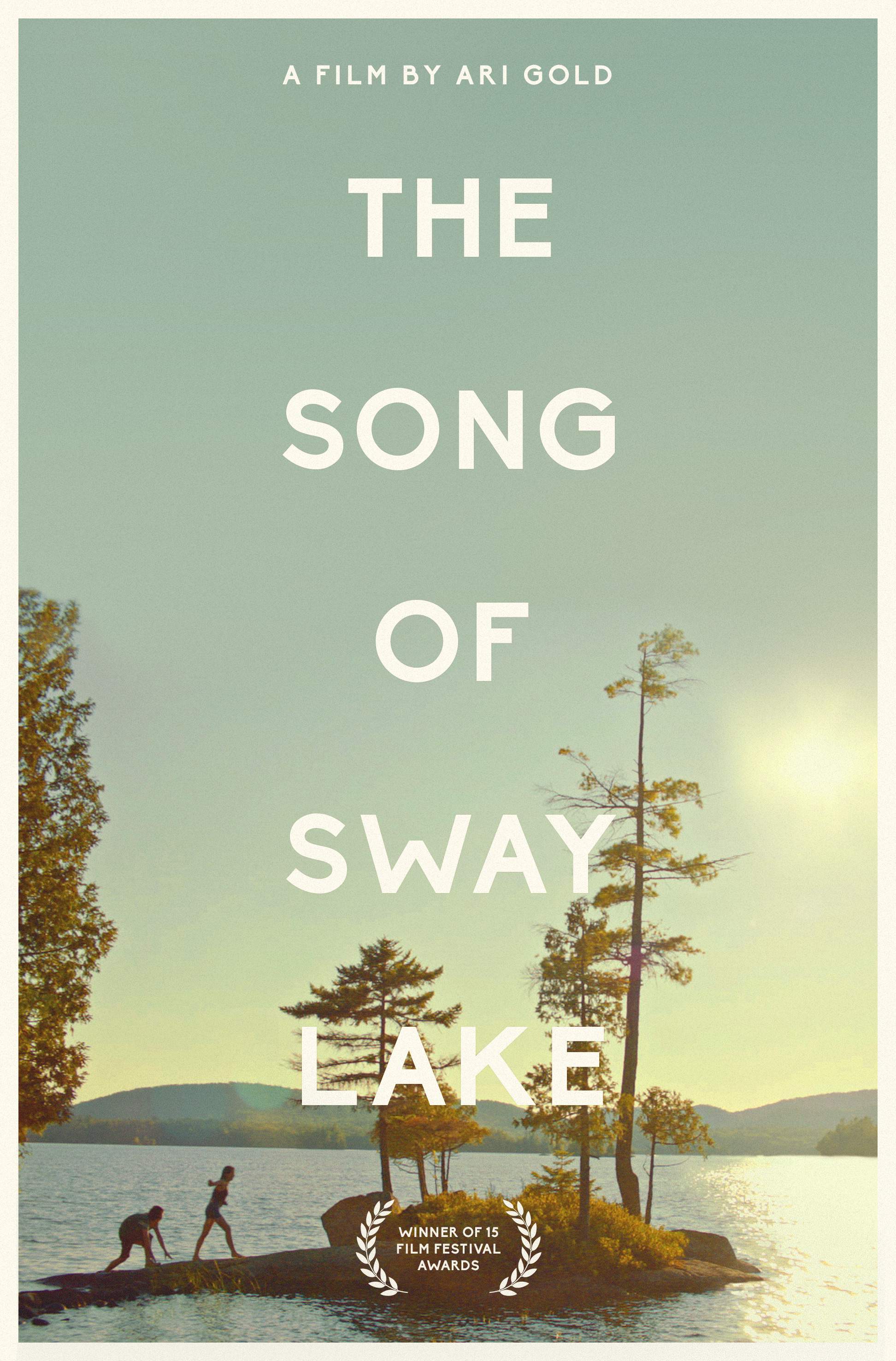
At a quiet lakeside campsite high in the Colorado mountains, a lonely widowed woman, Faye, waits for her childhood friend, Lito, whom she hasn’t seen in years. With no clear idea of when he’ll arrive or what he now looks like, she fills the waiting hours by turning to the natural rhythms around her: patient birdwatching, contemplative stargazing, and a cautious curiosity about the other people sharing the sites nearby. The lake’s stillness becomes a backdrop for small interactions that reveal the lingering ache of loss and the stubborn need for human connection.
Nearby, a polite group of siblings shifts their own plans as they dig into a difficult mission—reburying their father’s coffin at a different location. The scene quietly threads themes of memory, obligation, and the stubborn pull of family ties, even as the siblings’ practical task stands as a stark contrast to Faye’s solitary vigil. Then there is an engaged lesbian couple who invite Faye to dinner, offering warmth and hospitality in a landscape that feels both intimate and unforgiving. During this dinner, one of the women, Jan, nervously asks whether marriage is worth it, a question that lingers in the air and invites Faye to reflect on the past and the promises people make to one another.
When [Lito] finally arrives, the day unfolds with a soft, shared vulnerability. They swap memories, play music together, and reminisce about spouses who have passed away, the conversation weaving a fragile bridge between years of separation. The moment is underscored by a simple, intimate act: Lito takes a photo of Faye. The image sparks a flutter of embarrassment in her, because she would rather be remembered in her prime—young and alluring—than as the woman she has become. The night deepens into a quiet profundity as they open up about grief, loss, and the ways those feelings shape who they are.
That night, after acknowledging their mutual longing and the ache of missing their respective partners, the two friends sleep together. The morning finds Lito moving through the routine of gathering flowers, his emotions swelling with every touch of the landscape. When Faye greets him, his carefully offered thanks lands as a confession: he cannot start a romantic relationship with her. The revelation hurts, but it’s met with understanding, and Faye helps him find a way to leave gently rather than letting the moment drift into resentment.
Alone, Faye walks the vast terrain, letting the night sky and the expansive views do their quiet work on her heart. The stars seem to offer a kind of patience, and she begins to come to terms with the turbulent emotions and disappointments she has carried for so long. By morning, a new sense of resolve has taken shape. She visits Jan to offer her own perspective on life and love, encouraging her to pursue marriage and to savor the possibilities ahead, even as she herself steps back from a shared future she had briefly imagined.
With the road ahead open and the horizon clear, Faye departs the campsite, driving away into the dawn. The scene she leaves behind is a landscape still moving with its own gravity: the siblings from earlier continue their work, now begin the process of reburying their father’s coffin. In the quiet between endings and beginnings, the film leaves us with a meditation on memory, connection, and the ways people learn to live with loss while choosing to keep moving forward.