The epic battle for epicness. A fictional documentary-style expose on the rivalry between two tennis stars who battled it out in a 1999 match that lasted seven days.
Find where to stream, rent, or buy 7 Days in Hell (2015) in the US with current JustWatch availability, up-to-date pricing, and platform listings for subscription, rental, and digital purchase options.
Warning: spoilers below!
Haven’t seen 7 Days in Hell yet? This summary contains major spoilers. Bookmark the page, watch the movie, and come back for the full breakdown. If you're ready, scroll on and relive the story!
Trace every key event in 7 Days in Hell (2015) with our detailed, chronological timeline. Perfect for unpacking nonlinear stories, spotting hidden connections, and understanding how each scene builds toward the film’s climax. Whether you're revisiting or decoding for the first time, this timeline gives you the full picture.
Last updated: October 03, 2025 at 06:45
Find frequently asked questions about the 7 Days in Hell (2015) timeline, including chronological order, nonlinear jumps, cause-and-effect links, and scene sequence clarifications. This timeline FAQ helps explain when key events happen, how moments connect, and why the story unfolds in that specific order.
The All-England Club Committee, led by the Duke of Kent and influenced by Edward Pudding, decided to allow Williams to compete because his comeback would generate massive public interest and viewership. Despite his 128th seeding and checkered past including the line judge incident and prison time, the committee weighed the potential spectacle against the controversy and approved his participation.
Earlier in the documentary, Williams's controversial career and media presence are established as major talking points.
Queen Elizabeth II privately instructed Poole to win the night before the match, placing royal pressure on the outcome. This surreal moment underscores the film's satirical commentary on how power and pageantry intrude on athletic competition. Poole takes this instruction as a mandate, adding psychological pressure to the rivalry.
The documentary establishes early on that the royal box will be a significant presence throughout the match.
On day 4, a streaker ran onto the court, and Williams's attempt to subdue her evolved into a sequence of sexual encounters with the intruder. The documentary treats this moment with its characteristic clinical, observational tone. The interruption gave Poole a moment to breathe and regroup, while also highlighting the chaotic, surreal nature of the extended match.
The film establishes early that Williams's behavior is unpredictable and often controversial.
Before day six, Williams was struck by a truck in what the documentary implies was orchestrated by Poole's machinations. Despite suffering serious injuries and leaving the hospital, Williams chose to return and play with one arm rather than forfeit the match. This decision demonstrates the escalating, desperate stakes of the rivalry.
Earlier scenes establish Poole's willingness to do whatever it takes to win, including questionable tactics.
At the pivotal 196th game with Poole serving at 98-97 and triple match points, illusionist David Copperfield unexpectedly appeared on Poole's shoulders. Copperfield winked at the audience, hinting that his appearance may have been choreographed as part of a larger spectacle beyond just tennis. This distraction prevented Poole from closing out the match.
The documentary frames the match as entertainment spectacle rather than pure sport from the beginning.
On the final day with Queen Elizabeth watching from the royal box, Williams and Poole agreed to a brutal final confrontation. The judges' tolerance gave way to fatal ferocity as they struck each other with their rackets, both collapsing and dying in a shared, tragic tomb. This ending serves as the documentary's commentary on how rivalry and fame can consume those caught in its grip.
The documentary foreshadows the destructive nature of their rivalry throughout, with tensions escalating each day.
The rivalry began when 15-year-old Poole appeared on Caspian Wint's sports talk show and openly claimed to idolize Williams. However, when asked in 2001 whether he was a better player than Williams, Poole answered yes. This remark traveled across borders and alarmed Williams, who had his own transgressions to manage, sparking the bitter competitive fire that would define their Wimbledon clash.
Poole's childhood interview establishing his admiration for Williams plants the seed of their competitive dynamic.
The match was allowed to continue for seven days because the All-England Club tolerated increasingly extreme behavior as viewership and public interest mounted. Thunderstorms, darkness, the streaker incident, injuries, and surreal interruptions each paused play. The committee's decision to let the spectacle continue reflected the film's satirical take on how sports can become entertainment spectacles.
The documentary establishes early that the committee prioritizes drama and audience interest over traditional sporting norms.
During day 4, Williams announced at a press conference that he had located his birth father, British singer Engelbert Humperdinck, and stated he intended to dedicate his Wimbledon performance to English fans. This revelation added another layer of personal drama to the match and deepened the film's exploration of identity and fame.
The documentary establishes Williams as an American orphan raised by Richard Williams, setting up the mystery of his biological parentage.
The documentary suggests Poole orchestrated the truck crash that hit Williams before day six, though this is presented as an implication rather than confirmed fact. This fits the film's portrayal of Poole as increasingly desperate and willing to use underhanded tactics to win, reflecting the toxic escalation of their rivalry.
Earlier scenes show Poole receiving royal encouragement and becoming increasingly frustrated as Williams gains momentum.
On day 7, a leaked sex tape involving Poole's former partner Lily was revealed, inflaming the already volatile feud between the two players. This additional scandal added fuel to their mutual antagonism and contributed to the heated final confrontation.
The documentary establishes Williams's history of controversial personal behavior, setting a precedent for scandalous revelations.
Discover curated groups of movies connected by mood, themes, and story style. Browse collections built around emotion, atmosphere, and narrative focus to easily find films that match what you feel like watching right now.
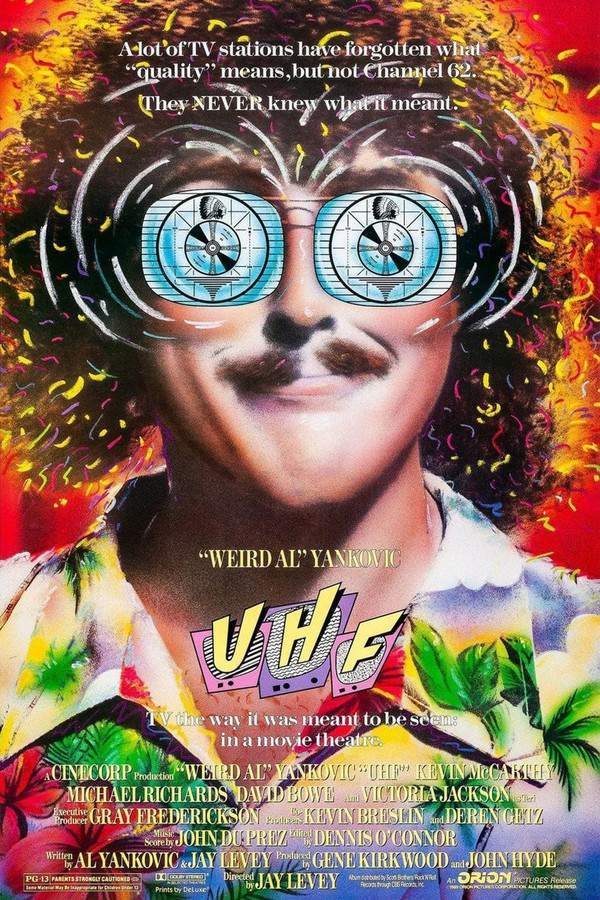
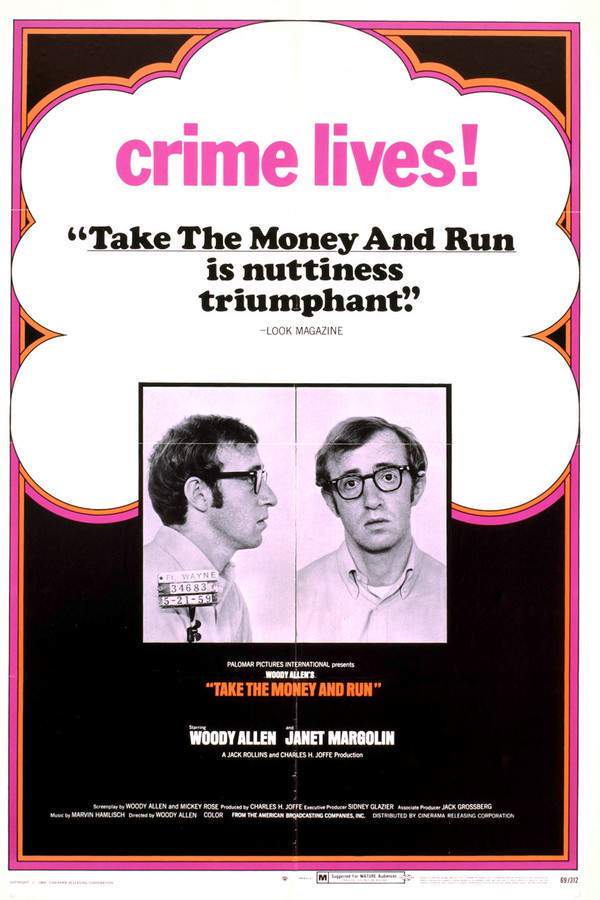
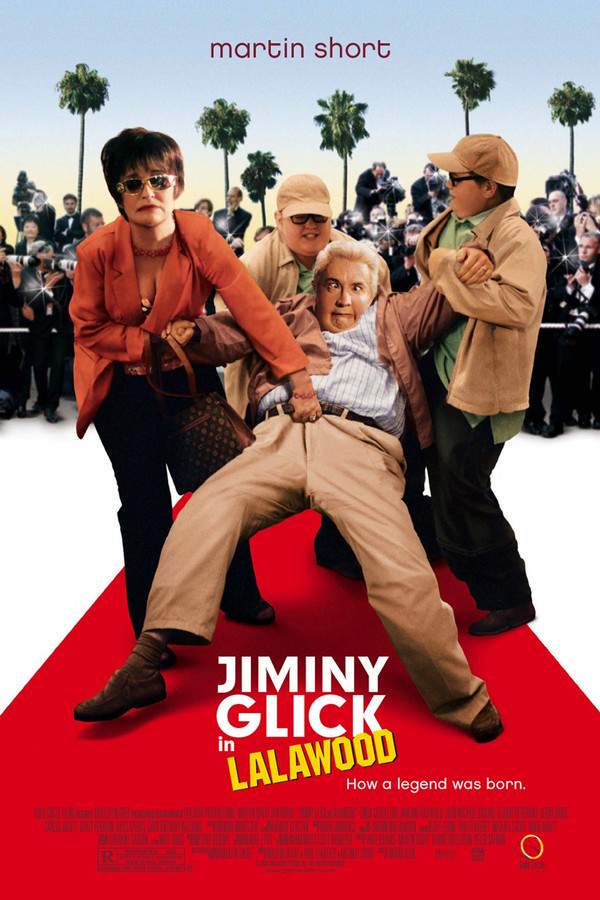
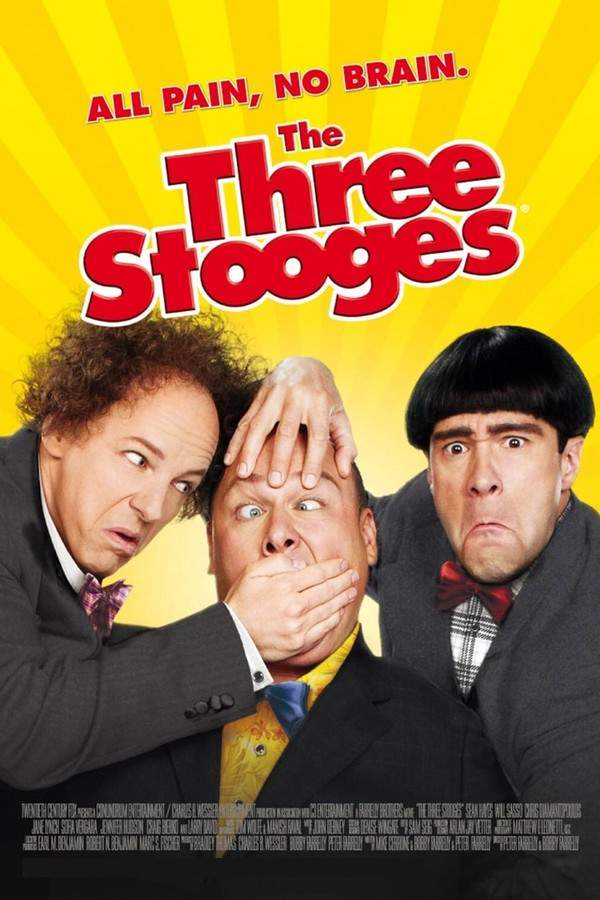
Fictional documentaries that satirize a subject with escalating absurdity.Explore a collection of movies like 7 Days in Hell that use the mockumentary style for absurd and satirical comedy. These films blend fake interviews, archival footage, and escalating absurdity to create hilarious and irreverent takes on their subjects, perfect for fans of darkly comic parody.
Narratives unfold through a fabricated documentary lens, using interviews and 'archival' footage to present an escalating series of ridiculous events. The story structure is linear but punctuated by surreal twists and comic detours that push the boundaries of believability for satirical effect.
These films are grouped together by their shared commitment to parodying a genre or subject through an absurdist lens. They share a fast-paced, chaotic energy, a whimsical tone, and a focus on creating comedic spectacle from the mundane or the sensationalized.
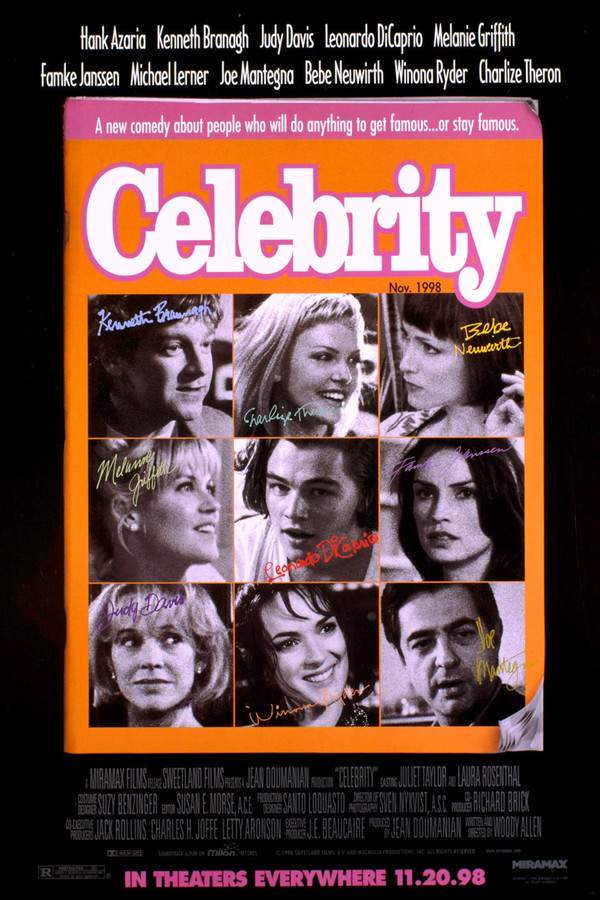
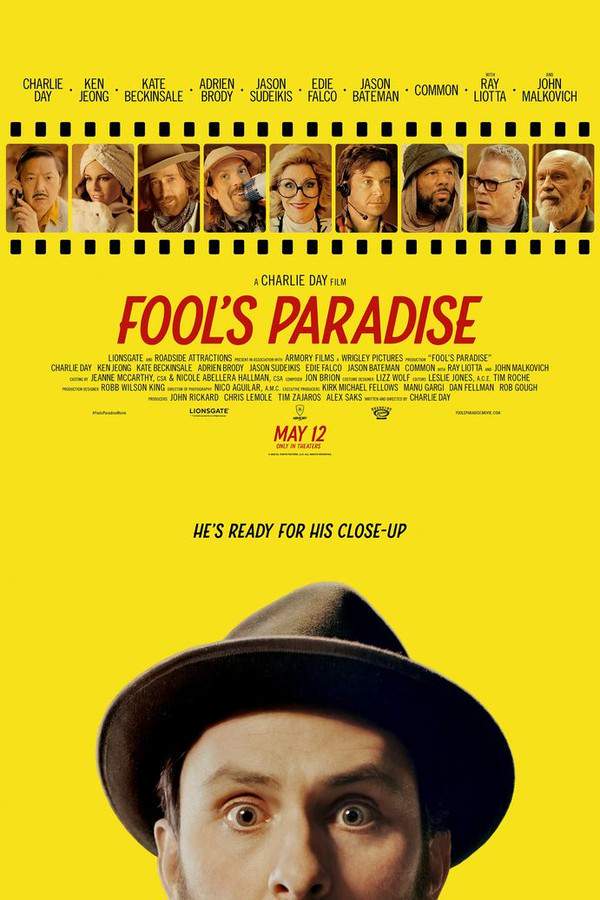
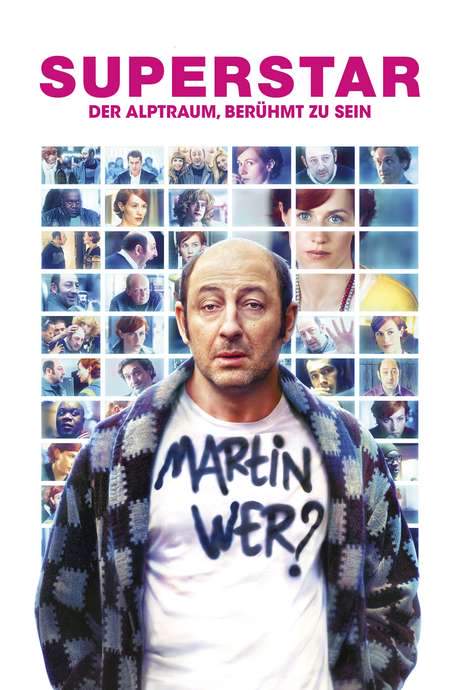
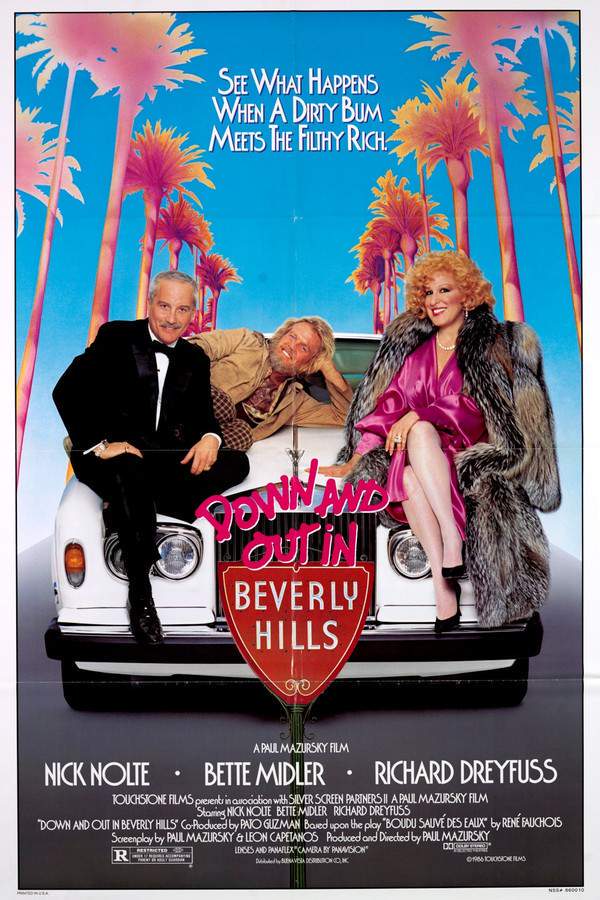
Comedic stories of fame's absurd pressures and spectacular public collapses.If you liked the rivalry and absurd downfall of the tennis stars in 7 Days in Hell, you'll enjoy these movies. They feature eccentric celebrities, media-frenzied competitions, and darkly comic spirals, all satirizing the ridiculousness of fame and public spectacle.
The plot typically centers on a high-stakes rivalry or competition between deeply flawed celebrities. Their ambition, ego, and often substance abuse lead to a series of increasingly public and humiliating mishaps, culminating in a bittersweet or cynical ending that comments on the fleeting nature of fame.
These movies share a focus on satirizing celebrity culture and the media through the lens of farce. They combine a medium emotional weight—touching on serious themes like addiction—with a high humor score, using absurdity to undercut any genuine tragedy.
Don't stop at just watching - explore 7 Days in Hell in full detail. From the complete plot summary and scene-by-scene timeline to character breakdowns, thematic analysis, and a deep dive into the ending - every page helps you truly understand what 7 Days in Hell is all about. Plus, discover what's next after the movie.
Read a complete plot summary of 7 Days in Hell, including all key story points, character arcs, and turning points. This in-depth recap is ideal for understanding the narrative structure or reviewing what happened in the movie.
Discover the characters, locations, and core themes that shape 7 Days in Hell. Get insights into symbolic elements, setting significance, and deeper narrative meaning - ideal for thematic analysis and movie breakdowns.