Year: 1962
Runtime: 80 mins
Language: English
Director: Philip Leacock
When Walt Sherill is brutally assaulted by a gang of unknown juvenile delinquents on his way home, he is left desperate for answers. The youths have never been identified by police, making them hard to track. Impatient, Sherill starts his own investigation, while Detective Sergeant Koleski pursues the official case, racing to apprehend the culprits.
Warning: spoilers below!
Haven’t seen 13 West Street yet? This summary contains major spoilers. Bookmark the page, watch the movie, and come back for the full breakdown. If you're ready, scroll on and relive the story!
Trace every key event in 13 West Street (1962) with our detailed, chronological timeline. Perfect for unpacking nonlinear stories, spotting hidden connections, and understanding how each scene builds toward the film’s climax. Whether you're revisiting or decoding for the first time, this timeline gives you the full picture.
Last updated: March 05, 2026 at 18:41
Find frequently asked questions about the 13 West Street (1962) timeline, including chronological order, nonlinear jumps, cause-and-effect links, and scene sequence clarifications. This timeline FAQ helps explain when key events happen, how moments connect, and why the story unfolds in that specific order.
Walt Sherrill decides to take matters into his own hands because the police, specifically Sergeant Koleski, are slow to act and seem more focused on procedure than actually pursuing his attackers. After being brutally assaulted on a deserted street and seeing no progress in the official investigation, Sherrill's frustration grows into obsession, leading him to resolve that no one will catch these criminals if he doesn't do it himself.
The slow police response is established early when Sherrill is assaulted and the officers appear overwhelmed by the case.
The police are slow to act because they are overwhelmed by the case and more focused on procedure than pursuit. Sergeant Koleski is investigating, but the department lacks the resources or urgency to track down a gang of well-dressed young men who have never been identified. This bureaucratic sluggishness directly fuels Sherrill's decision to take justice into his own hands.
The police's slow response is shown immediately after the assault when Koleski investigates but makes little progress.
Finney, the private investigator Sherrill hires to crack the case, is killed during a high-speed tail of Chuck Landry. While pursuing Landry on a winding road, Landry's car plunges into a ravine, and Finney is killed in the pursuit, eliminating Sherrill's key ally and escalates the danger surrounding the case.
Finney's aggressive investigation methods and his determination to tail Landry suggest this pursuit would become perilous.
Chuck Landry is revealed to be the leader of the gang that attacked Sherrill. Finney's investigation uncovers Landry as the mastermind behind the assault. Once identified, Landry becomes the primary target of Sherrill's vengeance, and the film tracks the dangerous game of hunter becoming hunted as Landry attempts to eliminate Sherrill while evading police capture.
Finney's investigation progressively narrows down the suspects until landing on the gang's leader.
During the confrontation at Landry's home, Sherrill beats Landry savagely with a cane and nearly drowns him in the family's swimming pool. This moment represents Sherrill reaching the brink of becoming a killer himself, consumed by his obsession with vengeance after months of pursuit, the assault on his wife, Finney's death, and the personal war that has consumed his life.
Sherrill's escalating obsession and his training with the gun foreshadow his descent into violence.
Sherrill relents and hands Landry over to Sergeant Koleski because he experiences a moment of moral reckoning at the pool confrontation. Despite his desire for vengeance and the death of Finney, Sherrill chooses to step back from the edge and let the law take its course, choosing justice over personal retribution.
Throughout the film, Sherrill is shown torn between vengeance and morality, with his wife Tracey representing the life he's losing to obsession.
Sherrill's pursuit of vengeance takes a heavy toll on his life. His obsession damages his job as a rocket scientist and strains his marriage to Tracey, who watches him slip away into vigilante resolve. The collateral damage includes Finney's death, a gang member's suicide, and Tracey's trauma when Landry confronts her. Sherrill nearly becomes a killer himself before choosing to turn Landry over to authorities.
The ball bearing thrown through the Sherrills' window shows the gang's cruelty has entered their private space,预示着 consequences to come.
A gang member commits suicide under the mounting pressure of Sherrill's relentless pursuit and the tense atmosphere surrounding the gang. As Sherrill and Finney close in on the group, the psychological pressure escalates, leading one member to take his own life, underscoring the deadly spiral Sherrill's vendetta has created.
The escalating pursuit and Sherrill's personal war create mounting tension that affects all parties involved.
The ball bearing hurled through the Sherrills' window serves as a direct threat from the gang, showing that their cruelty has entered Sherrill's private space. This intimidation tactic escalates the personal stakes of the conflict and reinforces the danger facing Sherrill and his wife Tracey, further entrenching Sherrill's determination to pursue the attackers.
This threat directly connects to Landry's later confrontation with Tracey at the house.
Sherrill gets arrested after spotting a convertible that resembles the attackers' car and pursuing it at reckless high speed. The driver turns out to be a frightened teenage girl who calls the police. Sherrill spends a night in jail before Sergeant Koleski has him released, though the incident underscores how personal and reckless his feud has become.
This early incident demonstrates Sherrill's willingness to take dangerous risks in his pursuit.
Discover curated groups of movies connected by mood, themes, and story style. Browse collections built around emotion, atmosphere, and narrative focus to easily find films that match what you feel like watching right now.
Ordinary citizens pushed to the brink, taking justice into their own hands. For viewers who liked the tension and moral conflict in 13 West Street, this list features movies about ordinary people pushed into taking the law into their own hands. These thrillers explore the dangerous allure and psychological cost of revenge.
The narrative typically begins with a grievous wrong against the protagonist, who becomes disillusioned with official avenues of justice. We follow their solitary, often reckless investigation as they confront their tormentors, leading to a final confrontation that questions the true cost of their quest.
These films are grouped by their shared focus on a character's moral unraveling and the tense, gritty atmosphere of a personal vendetta. They explore the theme of justice versus revenge with a steady, grounded pacing and a moderate to high level of psychological tension.
Tense investigations where the pursuit of justice leaves a bitter taste. If you liked the steady-paced, realistic investigation and moral complexity of 13 West Street, explore these films. They feature tense police work or private inquiries that grapple with the bleak realities of crime and its aftermath.
These narratives follow a linear investigation, either by official police or a determined individual, methodically piecing together clues. The climax resolves the central crime but often highlights the collateral damage and ethical compromises made along the way, resulting in a somber or bittersweet conclusion.
Movies in this thread share a straightforward, steady narrative structure, a tense and serious tone, and a focus on the gritty process of solving a crime. They are connected by their medium emotional intensity and a preference for realistic consequences over sensationalism.
Don't stop at just watching - explore 13 West Street in full detail. From the complete plot summary and scene-by-scene timeline to character breakdowns, thematic analysis, and a deep dive into the ending - every page helps you truly understand what 13 West Street is all about. Plus, discover what's next after the movie.
Read a complete plot summary of 13 West Street, including all key story points, character arcs, and turning points. This in-depth recap is ideal for understanding the narrative structure or reviewing what happened in the movie.
Discover the characters, locations, and core themes that shape 13 West Street. Get insights into symbolic elements, setting significance, and deeper narrative meaning - ideal for thematic analysis and movie breakdowns.
Discover movies like 13 West Street that share similar genres, themes, and storytelling elements. Whether you’re drawn to the atmosphere, character arcs, or plot structure, these curated recommendations will help you explore more films you’ll love.
13 West Street (1962) Plot Summary & Movie Recap
13 West Street (1962) Scene-by-Scene Movie Timeline
13 West Street (1962) Spoiler-Free Summary & Key Flow
Movies Like 13 West Street – Similar Titles You’ll Enjoy
West Side Avenue (2001) Complete Plot Breakdown
West 32nd (2007) Complete Plot Breakdown
Crime Wave (1953) Full Summary & Key Details
Scene of the Crime (1949) Story Summary & Characters
Side Street (1949) Film Overview & Timeline
Between Midnight and Dawn (1950) Movie Recap & Themes
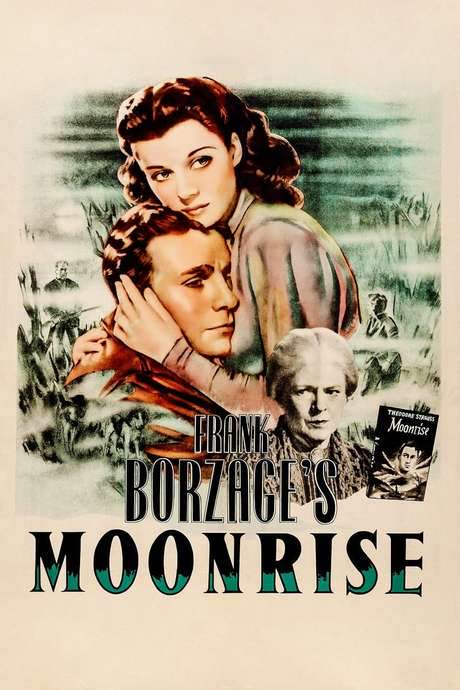
Moonrise (1948) Full Summary & Key Details
Where the Sidewalk Ends (1950) Movie Recap & Themes
Mystery Street (1950) Plot Summary & Ending Explained
13 East Street (1952) Plot Summary & Ending Explained
Down Three Dark Streets (1954) Ending Explained & Film Insights
Highway 13 (1948) Full Movie Breakdown
The Westland Case (1937) Ending Explained & Film Insights
13 Gantry Row (1998) Story Summary & Characters
West 11 (1963) Plot Summary & Ending Explained