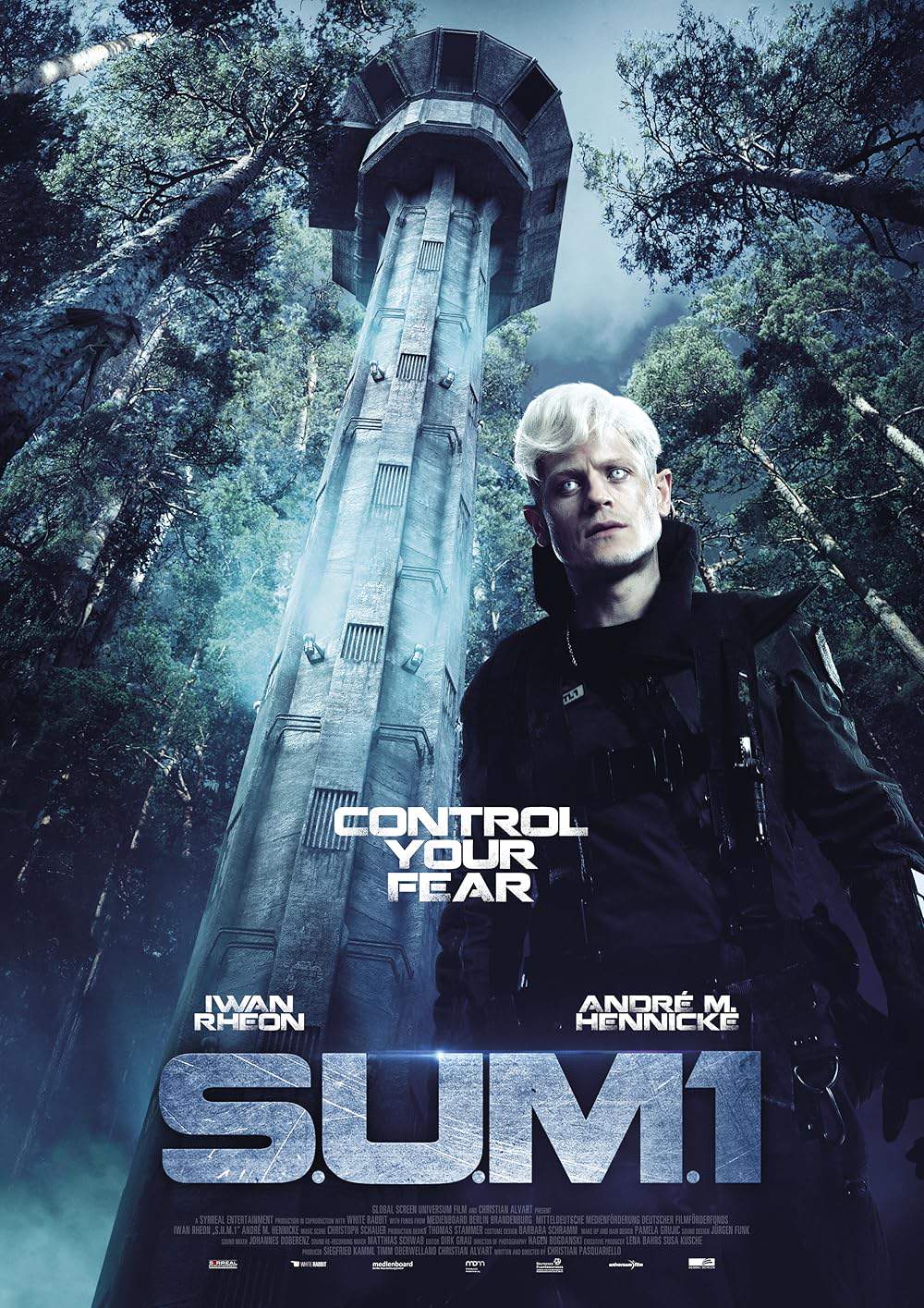
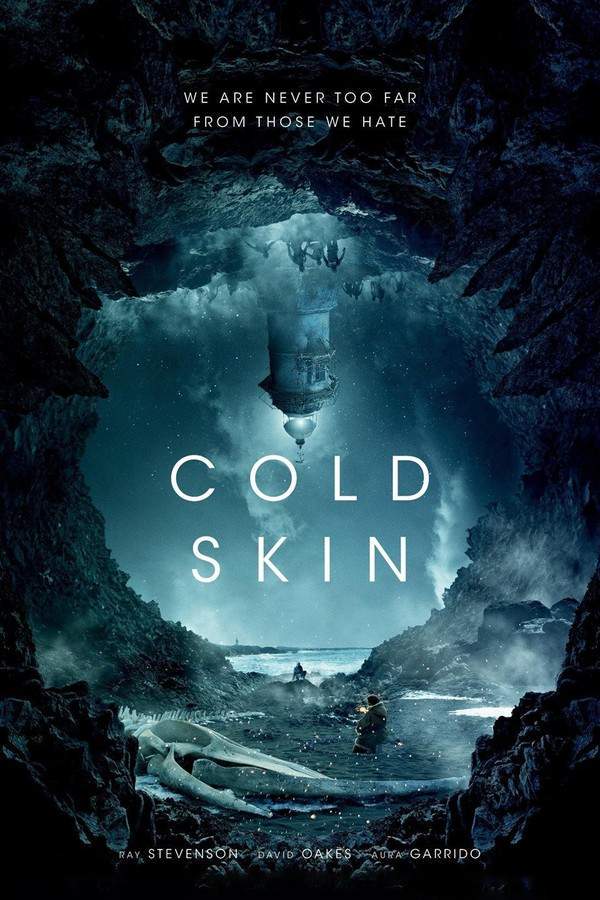
In a rundown motel, Lieutenant Martin Kirn meets with a reporter, J.G. Watkins, to recount what happened on his final military mission. The story opens with a chilling confession: since at least World War II, the United States government has successfully concealed real proof of UFOs. A Marine task force is sent to a deserted island to defuse an old ordinance, but this is no standard patrol. Captain Fetterman didn’t assemble an elite team; he handpicked soldiers precisely because they are expendable, betting that fear and fatigue will dull any warning signs.
What follows is a meditation on doubt and design. Despite their evident inadequacies, the Marines begin to sense that something is deeply wrong with the mission. They press past the surface-level danger and uncover unsettling evidence that challenges everything they were told to expect. Among the findings are old films that document brutal medical experiments on aliens, a revelation that shakes the trio’s understanding of authority, secrecy, and the costs of obedience. On the island, they encounter Survivor, the island’s lone inhabitant, a figure whom Captain Fetterman seems determined to remove from the equation.
As the investigation deepens, the Marines confront a shocking revelation: a lone surviving alien is indeed on the island, driven by a fierce and personal motive of revenge. At the same time, they uncover a military intelligence plot designed to sacrifice them and to conceal the true nature of the encounter. The fragile trust that held the unit together begins to crumble as the higher-ups rush to keep the truth buried, threatening to turn the mission into a dangerous distraction rather than a rescue or a reckoning.
With the truth threatening to slip out, the military makes a decisive and grim choice: abandon the Marines and seal off the island to preserve the secrecy surrounding the events. The tension spikes as the duo of discovery and conspiracy collides with the grim calculus of national security. The island’s enigmatic resident had already conducted experiments on the alien before it escaped, a detail that binds the fates of everyone involved and rewrites the why behind the mission.
Across the narrative, the tone remains restrained and observational, aiming to present the consequences of cover-ups and the fragility of trust under pressure. The storytelling leans into the moral weight of wartime secrecy, the ethics of sacrificing individuals for a larger design, and the human cost of pursuing what is hidden. In the end, the motel confession stands as a somber reminder: some truths, once uncovered, are dangerous not because they are spectacular, but because they expose how power manipulates what people are willing to believe—and what they are willing to lose in the process.