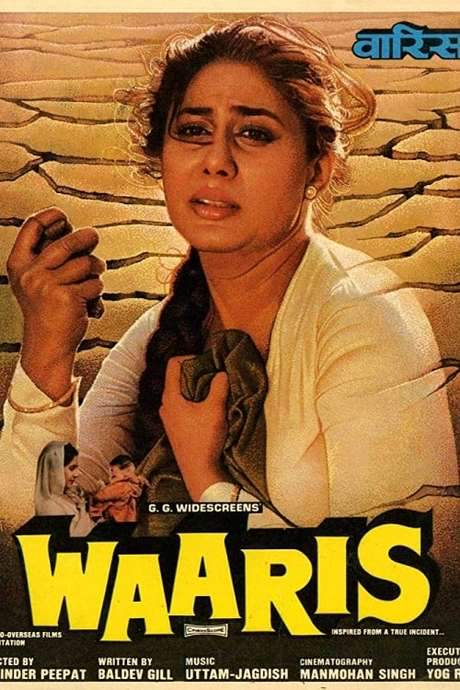
Waaris
Year: 1988
Runtime: 150 mins
Language: Hindi
Director: Ravindra Peepat
A multi‑millionaire’s unfair division of his estate sparks a bitter family feud. One son murders his father and ends up in prison. Years later, the grandson is slain by the other son’s children during a land‑grab dispute. The widow, determined to safeguard the inheritance, remarries in hopes of securing an heir.
Warning: spoilers below!
Haven’t seen Waaris yet? This summary contains major spoilers. Bookmark the page, watch the movie, and come back for the full breakdown. If you're ready, scroll on and relive the story!
Timeline – Waaris (1988)
Trace every key event in Waaris (1988) with our detailed, chronological timeline. Perfect for unpacking nonlinear stories, spotting hidden connections, and understanding how each scene builds toward the film’s climax. Whether you're revisiting or decoding for the first time, this timeline gives you the full picture.
Last updated: December 03, 2025 at 23:58
Waaris (1988) Timeline Questions Answered – Chronology FAQ
Find frequently asked questions about the Waaris (1988) timeline, including chronological order, nonlinear jumps, cause-and-effect links, and scene sequence clarifications. This timeline FAQ helps explain when key events happen, how moments connect, and why the story unfolds in that specific order.
Why did Dulla kill his own father in the movie?
Dulla murdered his father Kishan Singh because of a heated confrontation over the will. Kishan had divided his ancestral property equally between his two sons Gajjan and Dulla, but designated Shravan (Gajjan's son) to inherit the farm land. Dulla was furious that his own sons would not receive everything, considering himself the elder son entitled to the full inheritance. During the argument, the violence escalated and Dulla killed his father.
The will's unfair division (in Dulla's eyes) is revealed early, planting the seed for the murder.
Why was Shravan killed in Waaris?
Shravan was murdered as part of Dulla's scheme to reclaim the family land. After being released from prison, Dulla plotted with his sons Thade and Dara to seize the inheritance. They used a jealous admirer of Paro as an unwitting pawn to lure Shravan to a village, where he was stabbed during what appeared to be a poor villager's attack. To cover Dulla's involvement, Thade and Dara burned the attacker alive.
Dulla's return during the wedding with malicious intent sets the killing in motion.
Why did Paro suggest Gajjan should remarry?
Paro proposed that Gajjan remarry because Dulla wanted to marry her to his mentally challenged son Chhote, which would keep the land within Dulla's family line. Paro argued that a legitimate heir must come from a new marriage to protect Shravan's inherited land. By suggesting Gajjan remarry, Paro hoped to produce a new heir who would legally safeguard the family's property.
Dulla's insistence on marrying Paro to Chhote reveals his ultimate plan to control the inheritance.
Why did Shibo agree to marry Gajjan?
Shibo agreed to marry Gajjan primarily out of loyalty to Paro. Although she loved Binder, Shibo understood that marrying Gajjan was necessary to create a legitimate heir who could protect Shravan's land from Dulla's clutches. Her sacrifice ensured the family's ancestral property would remain secure and continue Shravan's lineage.
Paro's desperate plea for help and the threat from Dulla create the pressure that compels Shibo's decision.
What happened to Dulla's sons in the film?
Dulla's three sons all met violent deaths. Chhote (the mentally challenged son) was electrocuted while trying to snatch the baby during the attack on the family home. Thade was killed by villagers during the battle to defend the infant. Dara was accidentally shot and killed by his own father Dulla, who fired blindly into the chaos of the confrontation. With all his sons dead, Dulla became deranged.
The escalating violence and Dulla's ruthless determination set the stage for his sons' deaths.
How does Paro die in Waaris?
Paro sacrifices herself to save the baby in the final confrontation. After Dulla's sons are all dead and his heirs are wiped out, a deranged Dulla attacks the infant with his sword to claim the land he could not inherit. Paro intervenes and fights Dulla, killing him but suffering fatal injuries in the process. She dies asking Shibo and Binder to care for the child and protect the ancestral land.
Paro has protected the baby throughout the film, making her final sacrifice the culmination of her character arc.
How does Dulla die in the movie?
Dulla is killed by Paro in the film's climax. After murdering his own sons (Thade killed by villagers, Dara shot by Dulla himself), Dulla becomes unhinged and attempts to kill the infant to claim the land. Paro confronts him and kills Dulla in a struggle, though she also dies from her injuries. This ends the generational feud and ensures the baby's survival.
The buildup of Dulla's violence and loss of his heirs foreshadows this final confrontation.
What caused the family feud in Waaris?
The feud was sparked by Kishan Singh's will, which divided the ancestral property equally between his two sons Gajjan and Dulla, but designated Shravan (Gajjan's son) to inherit the farm land. Dulla's greed and refusal to accept this arrangement led him to murder his father, setting off a chain of violence that spanned generations. The fight for the land drove every subsequent tragedy in the film.
The will's reading at the beginning establishes the central conflict that drives the entire narrative.
Does the baby survive in Waaris?
Yes, the baby survives thanks to Paro's sacrifice. Shibo gives birth to Gajjan's son, creating a new heir to protect the land. When Dulla attacks to kill the child and seize the inheritance, Paro fights him off and kills Dulla, though she dies from her injuries. The film ends with Shibo and Binder accepting responsibility to raise the child and safeguard Shravan's legacy.
The creation of a new heir was Paro's primary goal throughout the second half of the film.
Why was Dulla so obsessed with the inheritance?
Dulla's obsession with the land stemmed from greed and his belief that as the elder son, he deserved the entire ancestral property. He could not accept sharing the inheritance with Gajjan, especially since Kishan designated Shravan to inherit the farm. This greed drove him to commit patricide, and even after serving jail time for murder, he returned still determined to claim every piece of land by any means necessary.
Dulla's immediate anger at the will's terms reveals his possessive nature from the start.

Explore Movie Threads
Discover curated groups of movies connected by mood, themes, and story style. Browse collections built around emotion, atmosphere, and narrative focus to easily find films that match what you feel like watching right now.
Epic Family Feud Dramas like Waaris
Epic sagas of greed and betrayal that tear families apart across generations.If you were captivated by the generational conflict in Waaris, explore more movies like it. This thread features intense dramas centered on bitter family feuds, inheritance battles, and the tragic consequences of greed and vengeance that unfold over many years.

At Any Price
2013
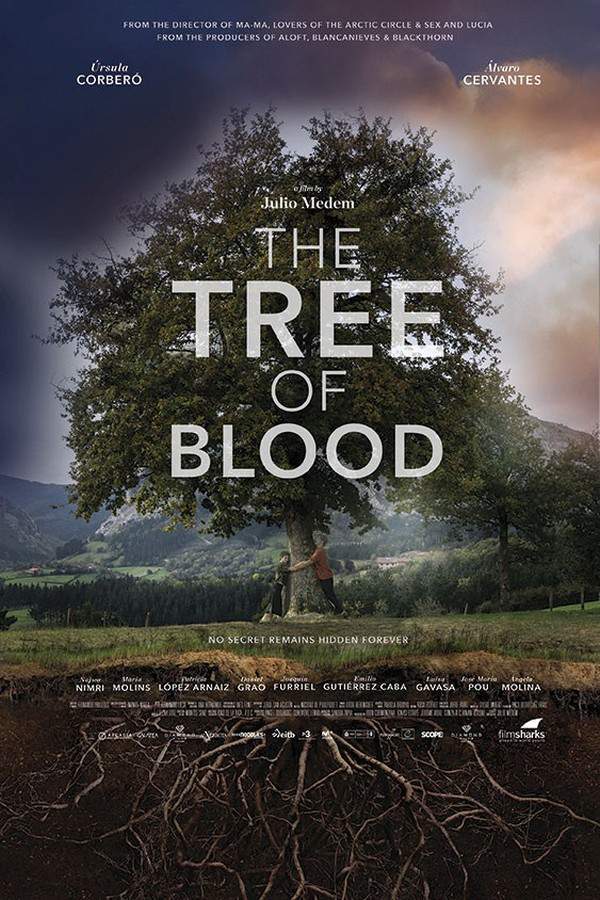
The Tree of Blood
2019

Inheritance
2020
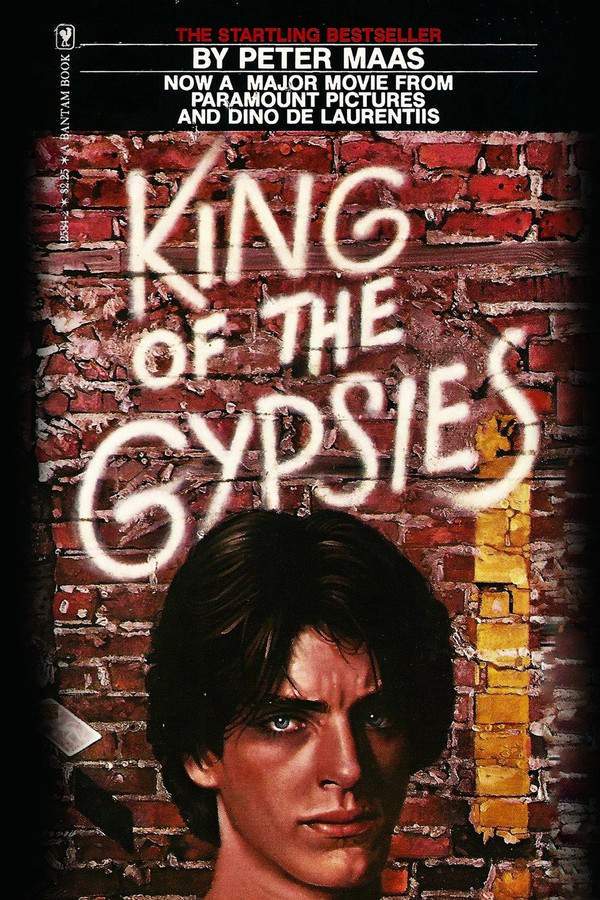
King of the Gypsies
1978

Inheritance
2024

The Inheritance
2024

The Godfather Legacy
2012

Godfather
2012

Seeds of Yesterday
2015

30 Years Ago
2016
Waaris
1988

House of Strangers
1949

The Funeral
1996

Where Love Has Gone
1964

Desire Under the Elms
1958
Narrative Summary
Stories in this thread typically begin with a divisive event, such as a disputed will or a past betrayal, which ignites a deep-seated conflict. This conflict escalates over time, often involving multiple generations, leading to cycles of violence, sacrifice, and profound loss before reaching a somber resolution.
Why These Movies?
These movies are grouped together for their shared focus on familial disintegration driven by material wealth and pride. They create a consistently grim and tense mood, feature high-stakes emotional drama, and portray the devastating, long-term impact of hatred within a bloodline.
Grim Dramas of Sacrifice and Survival like Waaris
Stories of desperate measures taken to protect a legacy in a harsh world.For viewers who appreciated the desperate sacrifices in Waaris, this collection highlights similar movies. Discover powerful stories about characters fighting to protect their legacy in a brutal, patriarchal world, often paying a heavy personal price for survival and a bittersweet hope.











Narrative Summary
The narrative follows a protagonist facing existential threats to their family's name or future. The central conflict is against a powerful, often unjust system or family rivals. The journey is defined by grim choices, profound loss, and a ultimate sacrifice that brings a costly, bittersweet victory or preservation of what little remains.
Why These Movies?
These films share a specific, heavy mood of desperation and oppression. They are united by themes of sacrificial love, the brutal weight of tradition, and a plot structure where victory is achieved only through great personal tragedy, resulting in a powerfully bittersweet emotional impact.
Unlock the Full Story of Waaris
Don't stop at just watching - explore Waaris in full detail. From the complete plot summary and scene-by-scene timeline to character breakdowns, thematic analysis, and a deep dive into the ending - every page helps you truly understand what Waaris is all about. Plus, discover what's next after the movie.
Waaris Summary
Read a complete plot summary of Waaris, including all key story points, character arcs, and turning points. This in-depth recap is ideal for understanding the narrative structure or reviewing what happened in the movie.

Characters, Settings & Themes in Waaris
Discover the characters, locations, and core themes that shape Waaris. Get insights into symbolic elements, setting significance, and deeper narrative meaning - ideal for thematic analysis and movie breakdowns.


