




Plot Explained Spoilers guaranteed!
Plot Explained

Browse by genre

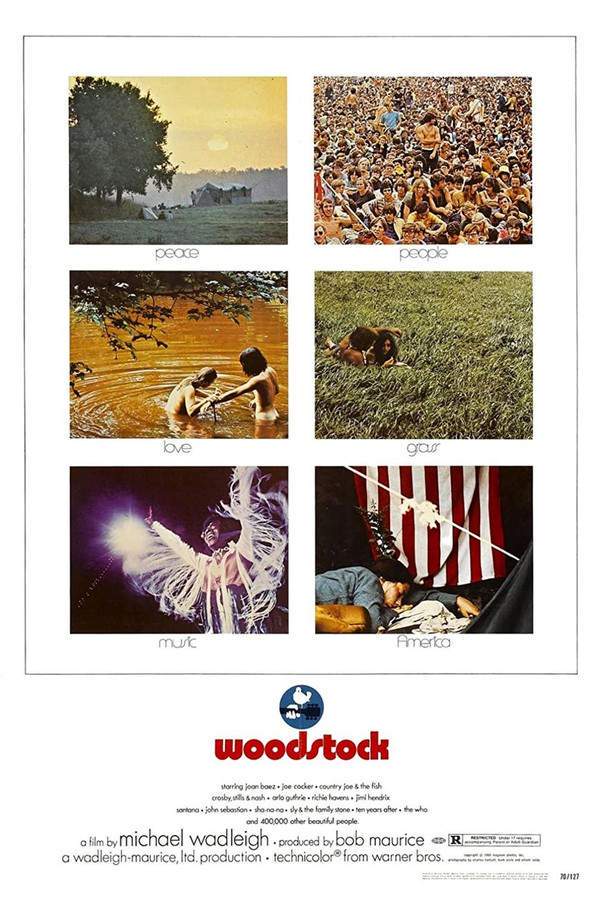
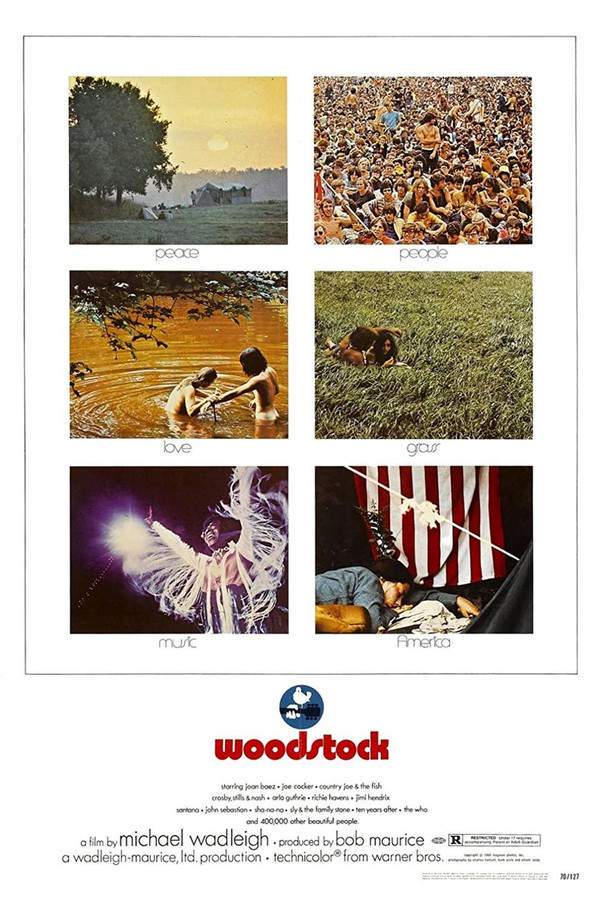
Woodstock (1970) movie poster

Plot Summary

Woodstock (1970) Plot Summary Explained

Release, runtime and language
1970 · 184 min · English
Directed by
Michael Wadleigh
Starring
Country Joe and the Fish, Crosby Stills & Nash, Joan Baez, Joe Cocker, Richie Havens, Arlo Guthrie

In 1969, a sprawling music festival took place on a farm in upstate New York, becoming a pivotal moment in cultural history. The Woodstock Music & Art Fair attracted over half a million people seeking freedom and self-expression through music. Despite challenging weather conditions, the event showcased a diverse lineup of legendary performers and fostered a sense of unity and shared experience that resonated deeply with a generation. A dedicated camera crew documented the three days, preserving the spirit of the festival and its enduring legacy.

On this page (6)
  1. 1 Where to watch
  2. 2 What happens: full plot
  3. 3 Plot questions answered
  4. 4 Movie threads
  5. 5 Movies like Woodstock
  6. 6 Every angle

Where to watch

Where to Watch Woodstock (1970)

Where can you watch Woodstock? Stream, rent or buy it in the US, including on Amazon Video, Apple TV Store and Google Play Movies: current JustWatch availability with up-to-date prices.

Streaming availability powered by JustWatch

Full plot summary · contains spoilers

What Happens in Woodstock: Full Plot Summary

The whole story of Woodstock (1970) explained, from the opening scene to the final frame: every key event, every twist and what it all adds up to. Read it as a quick recap before the sequel, to check a scene you missed, or to finally understand what really happened.

The film captures the vibrant and transformative moments of the Woodstock Music and Art Fair, a monumental event that took place over three unforgettable days in August 1969 near Bethel, New York. It provides a unique perspective on the performers and the diverse reactions of the 400,000 attendees alongside the local community. Opening with the captivating melody of "Long Time Gone" and "Wooden Ships" performed by Crosby, Stills & Nash, we witness the bustling activity as stagehands meticulously set up the platform for the musicians. The arrival of excited fans is depicted, their numbers swelling by the thousands.

Throughout the documentary, we hear insights from festival promoter Michael Lang, alongside rock promoter Bill Graham, who shares his expertise on managing the crowd's energy. The lineup of legendary performers includes the likes of Richie Havens, Canned Heat, Joan Baez, The Who, Sha-Na-Na, Joe Cocker, Country Joe and the Fish, Arlo Guthrie, Crosby, Stills & Nash, Ten Years After, Jefferson Airplane, John Sebastian, Santana, Sly and the Family Stone, Janis Joplin, and Jimi Hendrix.

The film intersperses interviews with members of the counterculture, alongside local farmers, merchants, and law enforcement, many of whom express their discontent regarding neighbor Max Yasgur's decision to host the concert on his farm. The chaos of nature is felt as a storm rolls in, soaking the audience and transforming the field into a muddy spectacle. Audiences can be seen enjoying mud-sliding contests amidst the downpour, while the counterculture's spirit radiates through the smoking of marijuana and stronger substances, including poignant anti-Vietnam War sentiments.

Notable moments capture quick glimpses of the iconic Janis Joplin and Jerry Garcia, alongside scenes depicting medical assistance and nourishment provided by the Army, illustrating the communal effort of support and survival. The film draws to a close with a breathtaking aerial view of the colossal crowd, unified in their elation and fervor, as they cheer, encapsulating the essence of an era defined by peace, love, and music.

Last updated: November 02, 2024 at 11:24

Was this helpful?

Plot questions answered

Woodstock Plot Explained: Your Questions Answered

The questions people ask most about Woodstock (1970): what happens in the confusing scenes, why the characters do what they do, the twists, hidden details and what the ending means. Each answer contains spoilers.

Q1

Why did Max Yasgur agree to host Woodstock on his farm?

Max Yasgur, a local dairy farmer in Bethel, New York, agreed to host the festival after the original location fell through. Festival promoter Michael Lang approached Yasgur about using his land, and despite concerns from the local community, Yasgur saw the economic opportunity and was convinced to allow the event on his 600-acre farm.

Foreshadowing: Earlier in the film, the organizers mention the challenges of securing a proper location for such a massive event.

  • max yasgur
  • farm owner
  • location
  • festival site
Q2

How did the organizers handle 400,000 attendees with limited infrastructure?

The organizers, including Michael Lang and Bill Graham, relied on improvisation and community cooperation. There were insufficient facilities for such a massive crowd, but the festival's informal nature and the counterculture's spirit allowed it to function. The Army provided medical assistance and food, while volunteers helped with crowd management and basic services.

Foreshadowing: Bill Graham mentions the challenges of managing the crowd's energy throughout the documentary.

  • crowd management
  • infrastructure
  • organizers
  • logistics
  • 400000 attendees
Q3

What caused the storm during Woodstock and how did it affect the festival?

A powerful storm rolled through Bethel, New York during the festival, soaking the audience and turning the grounds into mud. Rather than causing chaos, attendees embraced the conditions with impromptu mud-sliding contests, demonstrating the resilient and flexible spirit of the counterculture.

Foreshadowing: The film shows the weather shifting from sunny preparation to stormy conditions.

  • storm
  • weather
  • mud
  • rain
  • weather conditions
Q4

Why were local residents upset about Woodstock?

Local farmers, merchants, and law enforcement expressed discontent with Max Yasgur's decision to host the concert. Their concerns centered on the potential chaos and disruption to their community, including traffic, noise, and the overwhelming number of attendees descending on the otherwise quiet rural area.

Foreshadowing: The timeline explicitly notes 'Local Discontent' as a key event.

  • local residents
  • community
  • neighbors
  • controversy
  • yasgur farm
Q5

How did medical assistance work at Woodstock?

Medical assistance was provided by volunteers and the U.S. Army at a dedicated medical tent. The film shows scenes of nourishment and care being distributed, highlighting the communal support effort that emerged. The military presence helped address health issues ranging from minor injuries to drug-related emergencies.

Foreshadowing: The timeline includes 'Medical Assistance' as a key event in the festival's operations.

  • medical tent
  • army
  • health
  • volunteers
  • first aid
Q6

Why was Jimi Hendrix's performance at Woodstock considered iconic?

Jimi Hendrix delivered a legendary closing performance at Woodstock, playing a lengthy set that included his famous rendition of the national anthem. His performance captured the spirit of the era and became one of the most memorable moments in rock history, showcasing his innovative guitar skills and experimental sound.

Foreshadowing: The film highlights Hendrix as one of the legendary performers who 'graced the stage.'

  • jimi hendrix
  • performance
  • closing act
  • guitar
  • iconic performance
Q7

What was the significance of the anti-Vietnam War sentiments at Woodstock?

Woodstock embodied the counterculture's opposition to the Vietnam War. Festival attendees openly expressed anti-war views through clothing, signs, and discussions. This political stance was a defining characteristic of the Woodstock generation, reflecting the broader social movement of young Americans rejecting traditional values and advocating for peace.

Foreshadowing: The film explicitly mentions 'poignant anti-Vietnam War sentiments' as part of the counterculture spirit.

  • vietnam war
  • counterculture
  • anti-war
  • political protest
  • peace movement
Q8

Why is Woodstock considered a pivotal moment in cultural history?

Woodstock became a pivotal cultural moment because it brought together over 400,000 people seeking freedom and self-expression through music. Despite challenging conditions including a storm and inadequate infrastructure, the festival fostered unity and a shared experience that resonated deeply with the baby boomer generation, defining the peak of the 1960s counterculture.

Foreshadowing: The film opens by describing it as 'a pivotal moment in cultural history.'

  • cultural significance
  • history
  • legacy
  • counterculture
  • 1960s
Q9

How did the crowd remain unified despite the chaos at Woodstock?

The crowd at Woodstock maintained a remarkable sense of unity despite overcrowding, weather, and logistical challenges. Attendees looked out for one another, shared food and supplies, and embraced a collective spirit of peace and love. The aerial views at the end show a vast, unified crowd cheering in elation, embodying the era's ideals.

Foreshadowing: The closing sequence emphasizes the 'colossive crowd, unified in their elation.'

  • unity
  • community
  • crowd
  • peace
  • love
  • togetherness
Q10

How did the Army get involved in the festival logistics?

The U.S. Army became involved in Woodstock primarily to provide medical assistance and help with food distribution. Their presence ensured that the massive crowd had access to emergency services, nutrition, and basic supplies that the organizers alone could not provide given the scale of attendees.

Foreshadowing: The film shows scenes of 'medical assistance and nourishment provided by the Army.'

  • army
  • military
  • logistics
  • support
  • food
  • supplies

Movie threads

More Movies Like Woodstock, by Mood & Story

Curated lists built around what makes Woodstock tick: the same mood, the same kind of story or the same emotional payoff. Each list explains why these movies belong together.

Documentaries of Cultural Triumphs like Woodstock

Documentary journeys into moments that defined a generation's spirit. If you loved the hopeful, communal energy of Woodstock, explore more movies like it that document defining cultural moments. These films capture the spirit of major events, social movements, and artistic explosions that fostered a sense of generational identity and triumph against the odds.

  • celebratory
  • nostalgic
  • communal
  • triumphant
  • energetic
  • historical
  • Tone: hopeful, celebratory, nostalgic
  • Pacing: variable, immersive
Why these movies?

The story pattern: Stories in this thread typically follow the unfolding of a significant historical event, focusing on the collective effort, the challenges overcome, and the ultimate success in achieving a shared goal. The narrative arc is often one of rising from potential chaos to a harmonious and impactful conclusion.

Why they belong together: These movies are grouped for their shared ability to document a powerful, real-world event with a hopeful and energetic tone. They focus on community, the power of collective expression, and leave the viewer with a sense of nostalgic exhilaration for a time when culture shifted.
Movies with Immersive Chaos and Harmony like Woodstock

Stories where beautiful order emerges from seeming disorder. Fans of Woodstock who enjoyed its portrayal of a massive, chaotic event transforming into a beautiful, unified experience will find similar movies here. These stories explore how order and human connection can emerge from situations that appear to be on the brink of falling apart.

  • chaotic
  • communal
  • celebratory
  • free-spirited
  • cathartic
  • immersive
  • Tone: hopeful, chaotic, free-spirited
  • Pacing: variable, energetic
Why these movies?

The story pattern: The narrative pattern involves introducing a large-scale, complex situation with many moving parts and potential for failure. Through the dedication and shared ethos of the participants, the chaos is not just managed but transformed into something unexpectedly profound and harmonious, leading to a euphoric resolution.

Why they belong together: These films share a specific vibe: they begin with a sense of overwhelming, energetic chaos but guide the viewer to discover the profound peace and unity within it. The pacing is variable, shifting between frenetic energy and reflective calm, culminating in a powerful feeling of communal achievement.

If you liked this

Movies Like Woodstock

Similar movies to Woodstock: the same genre, themes or kind of story. Each one comes with its own plot summary, timeline and ending explained.

Browse all movie summaries

Every angle

Woodstock (1970) Explained: Plot, Timeline & Characters

Everything about Woodstock in one place: what happens in the plot summary, the timeline in chronological order, the characters and meaning and a spoiler-free summary. What's After the Movie adds the cast, box office and post-credit scenes.

Coming soon on iOS and Android

The Plot Explained Movie Summary App

Plot summaries, endings explained and timelines on your phone. Catch up on any movie in minutes, save your favorites and never miss a twist again.

Be the first to know when we launch. Your email stays private, always.

Learn more about the app