Plot Explained Spoilers guaranteed!
Plot Explained

Browse by genre

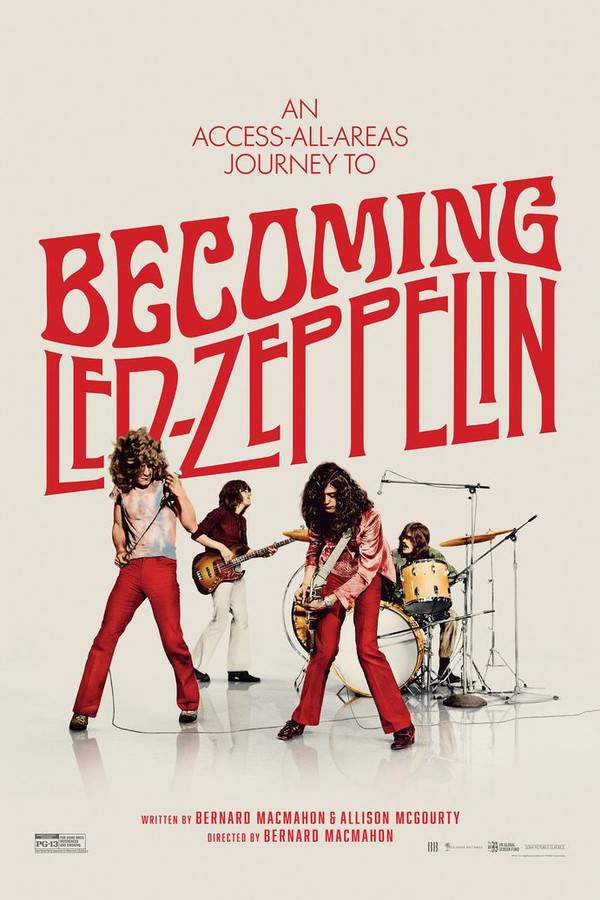
Becoming Led Zeppelin (2025) movie poster

Plot Summary

Becoming Led Zeppelin (2025) Plot Summary Explained

Release, runtime and language
2025 · 2 h 1 m · British english
Echo score 60
Loading streaming availability…
Starring
Jimmy Page, Robert Plant, John Bonham, John Paul Jones, Led Zeppelin

This documentary provides an intimate look at the early years of Led Zeppelin, featuring unprecedented access to the band members and their personal archives. Rare, never-before-seen footage and the group's full support offer a compelling immersion into their formative period. It promises a unique experience for those who have never had the opportunity to see Led Zeppelin perform live.

On this page (6)
  1. 1 Where to watch
  2. 2 What happens: full plot
  3. 3 Plot questions answered
  4. 4 Movie threads
  5. 5 Movies like Becoming Led Zeppelin
  6. 6 Every angle
Loading streaming availability…

Full plot summary · contains spoilers

What Happens in Becoming Led Zeppelin: Full Plot Summary

The whole story of Becoming Led Zeppelin (2025) explained, from the opening scene to the final frame: every key event, every twist and what it all adds up to. Read it as a quick recap before the sequel, to check a scene you missed, or to finally understand what really happened.

In 1944, Jimmy Page is born amid the rubble of a Britain scarred by the Nazi Blitz. As World War II ends, John Paul Jones queues for rations, while Robert Plant chafes against the country’s grey austerity, gazing toward the color and promise of the United States. Plant is a free-spirited singer shaped by his Romani heritage, whose parents suppress his musical ambitions. Jones is a gifted multi-instrumentalist raised by vaudeville-performer parents, Page is a disciplined, forward-thinking guitarist encouraged by his mother, and John Bonham — who died in 1980 and is represented through previously unheard interviews — is a fiercely driven drummer determined to provide for his family. All four cite early inspiration from African American artists such as Sonny Boy Williamson II, Little Richard, and James Brown, with Jones and Bonham drawing especially deep influence from jazz and soul.

As teenagers, Page and Jones establish themselves as elite session musicians in London, playing on recordings by Shirley Bassey, Donovan, and Lulu. Meanwhile, Plant and Bonham drift through a series of short-lived bands across the West Midlands of England, unable to find an audience. As prospects fade, Bonham’s wife Pat forbids him from associating with Plant, dismissing him as “a disaster.” Soon after, Plant’s parents cast him out for rejecting a respectable career as a chartered accountant, leaving him homeless.

Page, disillusioned with session work that has devolved into recording Muzak, quits and joins the Yardbirds alongside his friend Jeff Beck. After Beck’s acrimonious exit, Page becomes lead guitarist and pushes the band toward a heavier sound inspired by American underground FM radio, but the group rejects his overtures and deserts him.

Determined to rebuild, Page resolves to form a new lineup under the Yardbirds’ name. He auditions the homeless Plant at his Pangbourne boathouse, where they rehearse Joan Baez’s “Babe I’m Gonna Leave You” and are inspired. Plant recommends John Bonham. Despite Pat’s fierce objections, Bonham agrees to join after being offered a higher weekly wage. Encouraged by his wife, Mo, John Paul Jones contacts Page and abandons his lucrative session career to complete the lineup.

In the summer of 1968, Bonham, Jones, Page and Plant convene for their first rehearsal — an experience Page calls “life-changing,” and Jones recalls as explosive. They rehearse in Pangbourne and embark on a Scandinavian tour as the Yardbirds. Audiences are left nonplussed by the unexpected force of the music, but the band is convinced of its power. They immediately record their first album, the eponymous Led Zeppelin I, at their own expense. Page, Jones, and Bonham lock in effortlessly, while Plant — recording his vocals separately — is intimidated singing over such virtuosity.

No British record label will release the album, so Page and his formidable manager, Peter Grant, fly to New York to secure a deal with Atlantic Records. Renamed Led Zeppelin, the band still confounds European audiences, and promoters refuse to book them. Atlantic Records schedules the album for a U.S. release only, and sends the band to America on Christmas Eve for their first tour. In January 1969 at San Francisco’s Fillmore West, Grant warns Plant, “If you don’t crack it here, it’s over.” The band performs ferociously, igniting the counterculture crowd. As Zeppelin tours from West Coast to East, underground FM radio plays the entire album on air, selling out shows through word of mouth.

They return to Britain exhilarated — only to face a wave of negative American reviews attacking the album and each member personally. Stung, the band vow to never engage with the press, appear on television or release singles, choosing to reach their audience solely through live performances and albums.

With a British release finally secured, Led Zeppelin promote the album through concerts which highlight their musical improvisational skills. They immediately plan to record another album that is more sonically and musically expansive than the first and to lean into their burgeoning audience and take inspiration from it by recording on the road.

For months they tour back and forth across America and the UK, snatching short recording sessions when they can. The intensive touring, travelling on commercial flights and getting lost driving the back-roads of North America, puts a strain on the lives of Bonham, Jones and Plant who have very little time to spend with their wives and young children. The energy from audience reactions sustains them as the tour takes the group from concert halls to outdoor festivals, like the Newport Jazz Festival where Bonham’s drumming draws the admiration of his childhood heroes — James Brown’s drummers — Clyde Stubblefield and Jabo Starks. Page and Plant nervously build a songwriting partnership, with Page working to inspire Plant’s nascent lyric writing through his music. Plant reaches into the heritage of his Midlands home for his lyrics and writes “Ramble On,” a song which he says is “the story of my life.” When the recording is complete, Page mixes the album with dramatic stereo effects and inserts a long, unprogrammable avant-garde section into the most commercial track “Whole Lotta Love” to prevent it from being released as a single.

In October 1969, with no TV, no AM radio, and almost no press, Led Zeppelin II is released and climbs the Billboard 200 charts in the United States, replacing The Beatles’ Abbey Road in the number one US album spot. Returning home for a concert at the Royal Albert Hall, the band find the venue sold out, their families present, and a British audience in rapture. After the performance, Jones, Page and Plant listen to Bonham’s voice for the first time in forty years, talking about his feelings for each of them and reflecting on their musical bond. Jimmy Page summarizes their philosophy, stating:

> if you have something that you know is different in yourself, then you have to put work into it. You have to work and work and work. You also have to believe in it. But as long as you can stay really true, your aim is true, you can realize your dreams. I do believe that. I believe that that can be done, because this is what happens.
Last updated: June 12, 2026 at 08:45

Was this helpful?

Plot questions answered

Becoming Led Zeppelin Plot Explained: Your Questions Answered

The questions people ask most about Becoming Led Zeppelin (2025): what happens in the confusing scenes, why the characters do what they do, the twists, hidden details and what the ending means. Each answer contains spoilers.

Q1

Why was Robert Plant homeless before joining Led Zeppelin

Robert Plant was cast out by his parents after rejecting their expectation that he pursue a respectable career as a chartered accountant. His parents suppressed his musical ambitions because of his Romani heritage, and when he refused to conform to their plans, they expelled him from home, leaving him without shelter.

Foreshadowing: Earlier in the documentary, Plant is shown chafing against Britain's grey austerity and gazing toward the color and promise of the United States, revealing his restless spirit that would eventually lead him to leave everything behind for music.

  • robert plant
  • homeless
  • chartered accountant
  • roman
  • parents
Q2

How did Jimmy Page meet Robert Plant

Jimmy Page auditioned the homeless Robert Plant at his Pangbourne boathouse in 1968. Page was looking to form a new lineup under the Yardbirds' name and had heard about Plant through local West Midlands music circles. During the audition, they rehearsed Joan Baez's "Babe I'm Gonna Leave You" and instantly felt musical chemistry.

Foreshadowing: The documentary establishes Page's dissatisfaction with his session work and his determination to rebuild after the Yardbirds rejected his heavier sound direction.

  • jimmy page
  • robert plant
  • pangbourne
  • audition
  • boathouse
Q3

Why did John Bonham initially refuse to join Led Zeppelin

John Bonham's wife Pat explicitly forbade him from associating with Plant, dismissing him as "a disaster" who would drag Bonham down. Additionally, Bonham was fiercely driven to provide for his family and was hesitant to leave his stable situation. He only agreed to join after being offered a higher weekly wage that would better support them.

Foreshadowing: Earlier, the documentary shows Bonham's wife Pat objecting to Plant, foreshadowing the tension that would need to be overcome for the band to form.

  • john bonham
  • pat bonham
  • wife
  • refused to join
  • higher wage
Q4

Why did Led Zeppelin refuse to do press or release singles

After returning to Britain from their initial American tour, Led Zeppelin faced a wave of negative American reviews that attacked both the album and each member personally. Stung by the criticism, the band vowed to never engage with the press, appear on television, or release singles. Instead, they chose to reach their audience solely through live performances and studio albums.

Foreshadowing: The documentary shows the band's exhilarating US breakthrough at Fillmore West, making the subsequent British rejection feel like a sharp contrast that motivated their press-free strategy.

  • press
  • negative reviews
  • singles
  • television
  • strategy
Q5

How did Led Zeppelin sign with Atlantic Records

No British record label would release Led Zeppelin I, so Jimmy Page and their manager Peter Grant flew to New York to secure a deal directly with Atlantic Records. The label agreed to release the album in the United States only, leading the band to rename themselves Led Zeppelin and travel to America on Christmas Eve 1968 for their first tour.

Foreshadowing: The documentary establishes Page's frustration with British labels rejecting his new sound, setting up the transatlantic deal as their only path forward.

  • atlantic records
  • peter grant
  • new york
  • deal
  • record label
Q6

What happened at Fillmore West in January 1969

At San Francisco's Fillmore West in January 1969, manager Peter Grant warned Robert Plant that if they didn't succeed there, it was over. The band delivered ferocious performances that ignited the counterculture crowd. Simultaneously, underground FM radio began playing their entire album, creating word-of-mouth demand that sold out shows and launched their breakthrough.

Foreshadowing: The documentary shows Grant's high-stakes warning right before the performance, emphasizing how this moment determined the band's fate.

  • fillmore west
  • san francisco
  • 1969
  • breakthrough
  • fm radio
Q7

How did John Paul Jones join Led Zeppelin

John Paul Jones was encouraged by his wife Mo to contact Jimmy Page, abandoning his lucrative session career to complete the band's lineup. As a gifted multi-instrumentalist raised by vaudeville-performer parents, Jones had established himself as an elite London session musician. He left this stable career to join what was still essentially an unknown project.

Foreshadowing: Earlier, the documentary shows Jones queuing for rations in postwar Britain, establishing his background and hinting at his journey from hardship to pursuing musical dreams.

  • john paul jones
  • mo
  • wife
  • session musician
  • london
Q8

Why was Led Zeppelin II recorded on the road

After constant touring across America and the UK with very little time for their families, the band grabbed short recording sessions whenever they could while traveling. The intensive touring, including driving the back-roads of North America and flying commercially between shows, made traditional studio recording impossible. They used the energy from audience reactions to inspire their more sonically expansive second album.

Foreshadowing: The documentary details the strain of touring on Bonham, Jones, and Plant's family lives, showing why finding studio time was so difficult.

  • led zeppelin ii
  • recorded on road
  • touring
  • studio sessions
Q9

What was the "Whole Lotta Love" stereo trick Jimmy Page created

Jimmy Page mixed "Whole Lotta Love" with dramatic stereo effects and inserted a long, unprogrammable avant-garde section into the most commercial track specifically to prevent it from being released as a single. He intentionally sabotaged the song's radio potential because the band had decided not to release singles at all, wanting people to experience their albums as complete works.

Foreshadowing: Earlier, the band's vow to never release singles establishes their anti-commercial philosophy that directly led to this deliberate sabotage.

  • whole lotta love
  • stereo trick
  • single
  • sabotage
  • jimmy page
Q10

Why did Jimmy Page leave the Yardbirds

Jimmy Page became disillusioned with session work that had devolved into recording Muzak, and he left to join the Yardbirds alongside his friend Jeff Beck. After Beck's acrimonious exit, Page became lead guitarist and pushed the band toward a heavier sound inspired by American underground FM radio, but the other members rejected his overtures and deserted him, leaving him determined to form his own new band.

Foreshadowing: The documentary establishes Page's vision for heavier rock music early on, explaining why he outgrew the Yardbirds' sound.

  • jimmy page
  • yardbirds
  • left
  • heavier sound
  • jeff beck
Q11

How did Led Zeppelin II reach number one in America

Released in October 1969 with almost no TV, AM radio, or press support, Led Zeppelin II climbed the Billboard 200 charts purely through live performance reputation and word-of-mouth. It replaced The Beatles' Abbey Road at the number one spot in the United States, cementing the band's unprecedented commercial success built entirely on their live shows and albums rather than traditional promotion.

Foreshadowing: The documentary shows the band's press-free, performance-first strategy paying off as they build genuine fan devotion through every show.

  • led zeppelin ii
  • number one
  • billboard 200
  • abbey road
  • beatles

Movie threads

More Movies Like Becoming Led Zeppelin, by Mood & Story

Curated lists built around what makes Becoming Led Zeppelin tick: the same mood, the same kind of story or the same emotional payoff. Each list explains why these movies belong together.

Band origin documentaries like Becoming Led Zeppelin

Intimate documentaries chronicling the triumphant rise of iconic musical artists. Discover more music documentaries that explore the early years and rise to fame of iconic bands and artists, similar to Becoming Led Zeppelin. These films offer an intimate look at creative partnerships, musical inspiration, and the triumphs of the music industry.

  • inspiring
  • nostalgic
  • energetic
  • triumphant
  • intimate
  • driven
  • Tone: hopeful, triumphant, reflective
  • Pacing: steady, chronological
Why these movies?

The story pattern: These documentaries follow a linear, chronological narrative focused on artistic formation and breakthrough. The journey typically involves overcoming initial rejection, honing a unique sound, and achieving a major success that validates the artist's vision and hard work.

Why they belong together: Movies are grouped here for their shared focus on musical origin stories, their inspiring and triumphant tone, and their intimate access to artists' personal and professional journeys. They provide a compelling look at the creative process and the energy of artistic discovery.

Artistic triumph stories like Becoming Led Zeppelin

Inspiring journeys of artists who overcome adversity to achieve their dreams. If you liked the story of creative struggle and success in Becoming Led Zeppelin, explore more movies about artists overcoming adversity. These inspiring stories capture the energy of artistic breakthrough and the joy of achieving one's dreams against the odds.

  • inspiring
  • driven
  • triumphant
  • hopeful
  • passionate
  • reflective
  • Tone: hopeful, driven, inspiring
  • Pacing: steady, character-driven
Why these movies?

The story pattern: The narrative pattern centers on a driven individual or group facing professional skepticism or personal challenges. Through unwavering belief in their craft and often a key creative partnership, they eventually achieve validation and success, culminating in a happy, reflective ending that celebrates their journey.

Why they belong together: These films are united by their hopeful and energizing mood, their focus on the creative process and artistic struggle, and their ultimately triumphant emotional payoff. They share a medium emotional weight balanced by an uplifting and inspiring core.

If you liked this

Movies Like Becoming Led Zeppelin

Similar movies to Becoming Led Zeppelin: the same genre, themes or kind of story. Each one comes with its own plot summary, timeline and ending explained.

Browse all movie summaries

Every angle

Becoming Led Zeppelin (2025) Explained: Plot, Timeline & Characters

Everything about Becoming Led Zeppelin in one place: what happens in the plot summary, the timeline in chronological order, the characters and meaning and a spoiler-free summary. What's After the Movie adds the cast, box office and post-credit scenes.

Coming soon on iOS and Android

The Plot Explained Movie Summary App

Plot summaries, endings explained and timelines on your phone. Catch up on any movie in minutes, save your favorites and never miss a twist again.

Be the first to know when we launch. Your email stays private, always.

Learn more about the app