Plot Explained Spoilers guaranteed!
Plot Explained

Browse by genre

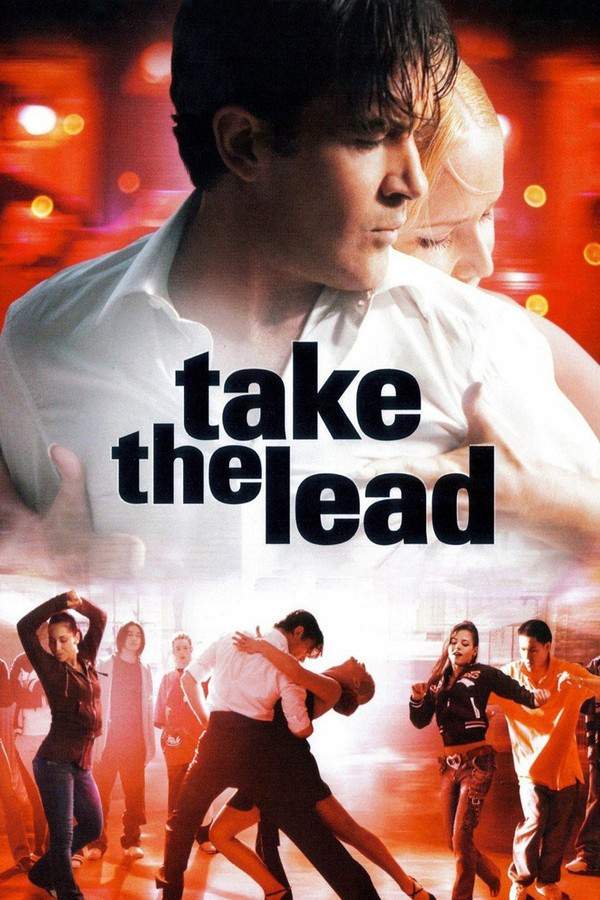
Take the Lead (2006) movie poster

Plot Summary

Take the Lead (2006) Plot Summary Explained

Release, runtime and language
2006 · 118 min · English
Directed by
Liz Friedlander
Starring
Antonio Banderas, Alfre Woodard, Rob Brown, Yaya DaCosta

Charismatic dancer Pierre Dulaine (Antonio Banderas) introduces ballroom dancing to a diverse group of students at a New York City public school. Faced with initial resistance, he skillfully blends traditional ballroom techniques with hip-hop influences, fostering a supportive environment where students can explore self-expression and build confidence. Through his passion and guidance, Dulaine becomes an unlikely mentor, bridging cultural gaps and transforming the lives of his students.

On this page (6)
  1. 1 Where to watch
  2. 2 What happens: full plot
  3. 3 Plot questions answered
  4. 4 Movie threads
  5. 5 Movies like Take the Lead
  6. 6 Every angle

Where to watch

Where to Watch Take the Lead (2006)

Where can you watch Take the Lead? Stream, rent or buy it in the US, including on YouTube Free, Amazon Video and Apple TV Store: current JustWatch availability with up-to-date prices.

Streaming availability powered by JustWatch

Full plot summary · contains spoilers

What Happens in Take the Lead: Full Plot Summary

The whole story of Take the Lead (2006) explained, from the opening scene to the final frame: every key event, every twist and what it all adds up to. Read it as a quick recap before the sequel, to check a scene you missed, or to finally understand what really happened.

Pierre Dulaine, portrayed by Antonio Banderas, is the passionate and determined dance instructor at his academy. As he introduces an exhibition featuring his students, one particularly awkward girl named Caitlin, played by Lauren Collins, catches his attention. The excitement builds as Pierre reminds everyone of an upcoming dance competition. Unfortunately, tensions rise when a student named Rock faces scrutiny from the math teacher, Mr. Temple, who suspects him of using a counterfeit ticket for the school's dance due to its water damage. The principal, Alfre Woodard, intervenes but refuses Rock entry because of Mr. Temple's poor opinion of him. Disheartened, Rock leaves in the company of his friends, who entice him into vandalizing the principal's car.

Meanwhile, Pierre, still in his elegant coat and tails, rides home only to witness the aftermath of the car destruction as Rock flees the scene when their eyes meet. The following day in school, the atmosphere is rife with tension as students pass through metal detectors. As Pierre approaches the principal’s office, he overhears an argument between Principal James and Mr. Temple, who expresses disdain for the detention students, feeling they'd rather focus on those he deems worthy.

Taking the initiative, Pierre recounts witnessing the crime, suggesting an unconventional solution to their issue by offering to teach dance to the misfits in detention. Principal James sees promise in Pierre's offer and reluctantly agrees, although she warns him that the students’ commitment might waver. While preparing for his first class, Pierre faces difficulty in pairing students, revealing underlying conflicts and personal issues among them. Not only does he find his bike vandalized, but he must also contend with the students’ initial resistance to his lessons.

Days pass, and Pierre sees a glimpse of hope when he discovers that Caitlin is interested in joining the detention class. Pierre helps her shake off her lack of confidence through dance. The rhythms of the tango ignite the students' enthusiasm, especially when Morgan captivates them with her alluring moves. As the students grow more open to the lessons, Pierre strives to demonstrate the power of dance in bridging their differences.

Rock, initially a reluctant participant, eventually finds himself inspired by the camaraderie and talent blossoming among his peers. Personal stories of hardship and resilience unfold as LaRhette and others reveal the difficulties in their lives. One pivotal moment involves a late-night encounter between Rock and LaRhette, where they connect through dance in a safe space.

As the group practices and bonds, they face challenges and setbacks, but Pierre remains steadfast in his dedication to them. With the detention basement flooded, they relocate to the dance studio, where enthusiasm peaks but tensions arise when they learn about the serious competition ahead. Pierre reassures them, revealing that funds will be available for their entry fees, urging the kids to work hard despite their beginner status.

The climactic night of the contest brings a whirlwind of emotions as each student gathers the courage to perform, with Rock finally stepping onto the dance floor, dancing with LaRhette while finding joy in the moment. Amidst the cheers and applause, Pierre's vision is brought to fruition as students previously lost find themselves through dance, culminating in a celebration of unity, purpose, and newfound self-worth in front of a proud audience. The story concludes with a note highlighting the enduring impact of Pierre’s work, paving the way for a city-wide ballroom dance program, forever transforming the lives of his students.

Last updated: November 03, 2024 at 21:12

Was this helpful?

Plot questions answered

Take the Lead Plot Explained: Your Questions Answered

The questions people ask most about Take the Lead (2006): what happens in the confusing scenes, why the characters do what they do, the twists, hidden details and what the ending means. Each answer contains spoilers.

Q1

Why did Pierre offer to teach dance to detention students?

Pierre witnessed Rock vandalizing the principal's car and decided to intervene constructively. After overhearing Mr. Temple express disdain for detention students, Pierre proposed teaching them dance as an alternative to punishment, believing in the transformative power of dance to unite and inspire troubled youth.

Foreshadowing: Earlier, Pierre reminded students about an upcoming dance competition, showing his belief in dance as a vehicle for positive change.

  • pierre dulaine
  • detention students
  • dance class
  • redemption
Q2

Why was Rock denied entry to the school dance?

Rock was denied entry because math teacher Mr. Temple suspected his ticket was counterfeit due to water damage and viewed Rock as a troubled student. When Rock protested, Principal James sided with Mr. Temple and refused Rock entry based on his poor reputation at the school.

Foreshadowing: The ticket dispute began when Mr. Temple scrutinized Rock's water-damaged ticket, revealing the teacher's preconceptions about the student.

  • rock
  • mr temple
  • principal james
  • school dance
  • ticket
Q3

What motivated Rock to vandalize the principal's car?

Rock was deeply humiliated and discouraged after being denied entry to the school dance. His friends convinced him to take revenge by vandalizing the principal's car, which Pierre coincidentally witnessed as he was returning home in his formal attire.

Foreshadowing: The denial at the dance event directly led to Rock's decision to rebel destructively.

  • rock
  • vandalism
  • principal car
  • revenge
  • rebellion
Q4

How did Caitlin gain confidence through dance?

Caitlin was initially portrayed as awkward and lacking confidence, catching Pierre's attention during an exhibition. After joining the detention dance class, Pierre personally worked with her to develop her skills, helping her overcome her self-doubt through dedicated dance instruction.

Foreshadowing: Pierre noticed Caitlin's awkwardness during the initial exhibition, foreshadowing his later mentorship.

  • caitlin
  • confidence
  • dance lessons
  • transformation
Q5

What happened to the dance studio basement and why did they relocate?

The detention basement where Pierre held his dance classes flooded, creating an unworkable space for instruction. This forced the students to relocate to the main dance studio, which actually heightened their enthusiasm and sense of legitimacy as they prepared for the competition.

Foreshadowing: The film's earlier reference to challenges and setbacks anticipated this physical obstacle.

  • flooded basement
  • dance studio
  • relocation
  • competition
Q6

How did Rock's relationship with LaRhette develop throughout the film?

Rock and LaRhette's relationship evolved from initial distance to a meaningful connection through dance. A pivotal late-night encounter in a safe space allowed them to bond through dancing together. By the competition, Rock finally gathered the courage to dance with LaRhette on stage, symbolizing his complete transformation.

Foreshadowing: Rock's initial reluctance to participate in class slowly shifted as he witnessed the camaraderie developing among his peers.

  • rock
  • larhette
  • relationship
  • dance partnership
  • transformation
Q7

What was Pierre Dulaine's background as a dancer?

Pierre Dulaine was portrayed as a passionate and dedicated dance instructor at his academy, known for teaching traditional ballroom techniques. His commitment to dance education and his elegant demeanor (often seen in coat and tails) suggested a background in professional ballroom dancing before working with the public school students.

Foreshadowing: The opening scene introduced Pierre at his own dance academy, demonstrating his professional status and teaching style.

  • pierre dulaine
  • ballroom dancing
  • dance instructor
  • background
Q8

Why did the detention students initially resist Pierre's dance lessons?

The detention students came from troubled backgrounds and carried deep distrust toward authority figures. They faced personal conflicts, hardship, and felt alienated from traditional academic environments. Additionally, Pierre's bike was vandalized upon starting, symbolizing the initial hostility the students felt toward his presence.

Foreshadowing: Pierre's proposal to teach detention students was met with reluctance from Principal James, who warned that commitment might waver.

  • resistance
  • detention students
  • initial challenges
  • trust
Q9

How did Pierre blend ballroom dancing with hip-hop influences?

Pierre skillfully combined traditional ballroom techniques with hip-hop influences to make the dance lessons relevant and engaging for his students. This creative fusion bridged cultural gaps and allowed students from diverse backgrounds to express themselves authentically while learning formal dance techniques.

Foreshadowing: The film established early on that Pierre was adaptable and innovative in his teaching approach.

  • ballroom
  • hip-hop
  • fusion
  • cultural bridge
  • dance style
Q10

What was the outcome of the dance competition for the students?

At the climactic competition, each student gathered the courage to perform, with Rock finally stepping onto the dance floor dancing with LaRhette. While the summary emphasizes the emotional triumph and transformation rather than specific placement, the performance was met with cheers and applause, fulfilling Pierre's vision.

Foreshadowing: Pierre had reminded students of the upcoming competition early in the film and worked to secure funds for their entry fees.

  • competition
  • rock
  • larhette
  • performance
  • victory
Q11

Why was Morgan's tango performance so captivating to the other students?

Morgan captivated her peers with her alluring tango moves, which sparked increased enthusiasm among the detention students for dance. This moment marked a turning point where the students began genuinely embracing the art form and saw its potential for self-expression.

Foreshadowing: The summary notes that the rhythms of tango ignited the students' enthusiasm specifically.

  • morgan
  • tango
  • excitement
  • dance enthusiasm
Q12

How did the school culture change by the film's end?

By the film's conclusion, Pierre's dance program transformed the school environment from one of suspicion and punishment to celebration and unity. The film ends with a note about the lasting impact of Pierre's work, paving the way for a city-wide ballroom dance program that continued to transform students' lives.

Foreshadowing: The progression from metal detectors and detention rooms to a triumphant competition audience showed the cultural shift.

  • school transformation
  • city-wide program
  • lasting impact
  • unity

Movie threads

More Movies Like Take the Lead, by Mood & Story

Curated lists built around what makes Take the Lead tick: the same mood, the same kind of story or the same emotional payoff. Each list explains why these movies belong together.

Mentor stories like Take the Lead

Stories where dedicated mentors transform lives through passion and belief. Find more movies like Take the Lead where inspiring mentors use their passion to guide and transform others. These similar uplifting dramas focus on mentorship, personal growth, and the positive impact of a dedicated teacher or coach on a group of individuals.

  • uplifting
  • transformative
  • supportive
  • confident
  • passionate
  • heartwarming
  • Tone: hopeful, supportive
  • Pacing: steady, character-driven
Why these movies?

The story pattern: The narrative follows a classic mentorship arc: a skilled individual encounters a group facing adversity or a lack of direction. Initial resistance gives way to trust as the mentor shares their knowledge. The story builds through lessons and personal breakthroughs, culminating in a public demonstration of success that validates the journey of both mentor and students.

Why they belong together: These films are grouped by their shared focus on the transformative power of a positive role model. They blend a hopeful tone with medium emotional weight, creating an experience that is both inspiring and grounded, celebrating the impact of guidance, belief, and shared passion.

Movies where art bridges divides like Take the Lead

Films where creative expression overcomes divides and builds unity. If you liked Take the Lead, explore these movies where art forms like dance or music bring people together. These stories showcase cultural fusion, youth empowerment, and how creative expression can overcome social divides in a similarly hopeful and energetic way.

  • passionate
  • energetic
  • unifying
  • transformative
  • cultural fusion
  • collaborative
  • Tone: hopeful, passionate
  • Pacing: steady, building to a climax
Why these movies?

The story pattern: The plot revolves around introducing a structured or traditional art form into an unconventional setting. Cultural friction and skepticism create initial conflict. The narrative progresses as the characters learn to adapt the art, blending different styles and perspectives. The climax is a collaborative performance or creation that beautifully synthesizes these diverse elements, symbolizing newfound unity and understanding.

Why they belong together: These movies share a core theme of using artistic expression as a tool for social healing and personal empowerment. They typically have an energetic, passionate mood, a steady pacing that builds toward a creative culmination, and a consistently hopeful tone that believes in the unifying power of art.

If you liked this

Movies Like Take the Lead

Similar movies to Take the Lead: the same genre, themes or kind of story. Each one comes with its own plot summary, timeline and ending explained.

Browse all movie summaries

Every angle

Take the Lead (2006) Explained: Plot, Timeline & Characters

Everything about Take the Lead in one place: what happens in the plot summary, the timeline in chronological order, the characters and meaning and a spoiler-free summary. What's After the Movie adds the cast, box office and post-credit scenes.

Coming soon on iOS and Android

The Plot Explained Movie Summary App

Plot summaries, endings explained and timelines on your phone. Catch up on any movie in minutes, save your favorites and never miss a twist again.

Be the first to know when we launch. Your email stays private, always.

Learn more about the app