Plot Explained Spoilers guaranteed!
Plot Explained

Browse by genre

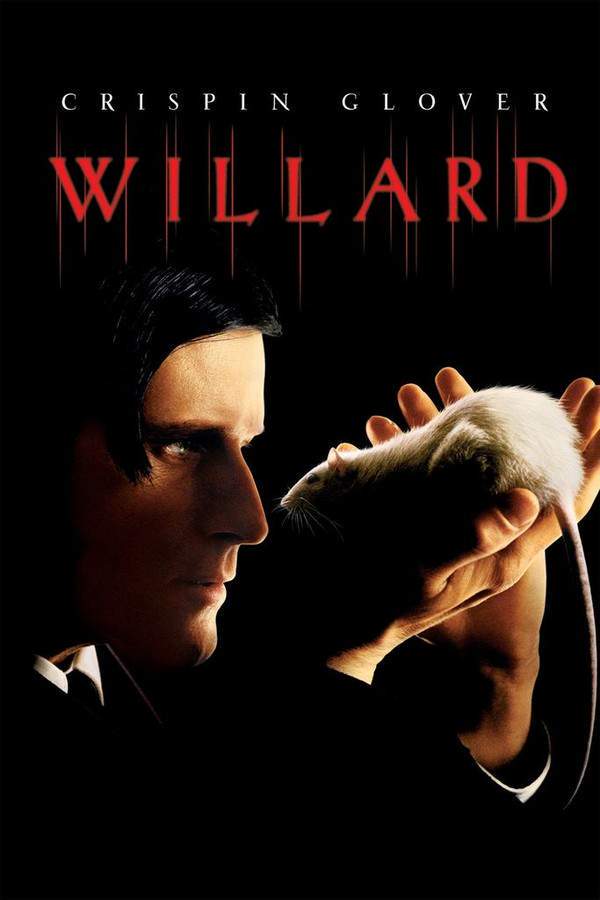
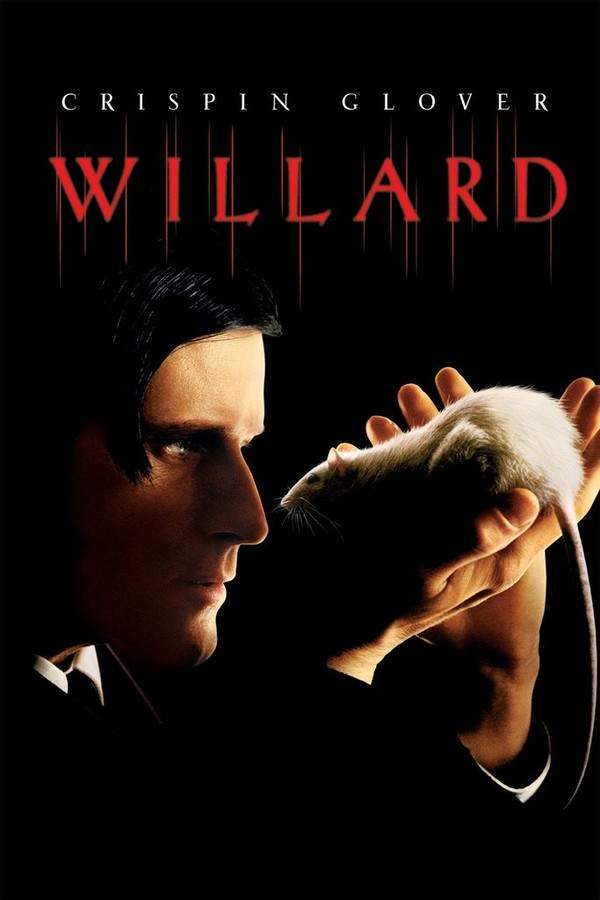
Willard (2003) movie poster

Characters & Themes

Willard (2003) Characters, Setting & Themes Explained

Release, runtime and language
2003 · 100 min · English
Loading streaming availability…
Directed by
Glen Morgan
Starring
Laura Harring, R. Lee Ermey, Crispin Glover
Budget
$20M

A troubled and isolated young man, Willard, finds companionship in a large group of rats. Seeking refuge from a difficult home life marked by cruelty from his mother and her partner, he develops a unique bond with the rodents. As his circumstances worsen, Willard utilizes the rats' loyalty to confront those who mistreat him, leading to a shocking and violent series of events. The film explores themes of isolation, revenge, and the unexpected power found in unlikely alliances.

On this page (8)
  1. 1 Where to watch
  2. 2 Characters explained (3)
  3. 3 Where & when it takes place
  4. 4 Themes & meaning (3)
  5. 5 Character & meaning questions
  6. 6 Movie threads
  7. 7 Movies like Willard
  8. 8 Every angle
Loading streaming availability…

3 main characters · contains spoilers

Willard Characters Explained: Who Is Who

The main characters of Willard (2003), heroes and villains: what drives them, how they change over the course of the story and what each of them reveals about the film's bigger ideas.

  • Willard Stiles (Crispin Glover)

    A social misfit who endures constant humiliation at work and at home, he retreats into a secret world where he trains a growing rat colony, finding a sense of control in Socrates and Ben. His fragile emotional state drives escalating behavior as his tormentors intensify their cruelty.

    • 😶 Lonely
    • 🧠 Calculating
    • 🐀 Rat-obsessed
    • 🔪 Vengeful
  • Henrietta Stiles (Laura Harring)

    Ill and verbally abusive, she tightly controls the family finances and keeps up appearances while the house sinks deeper into debt. Her actions help trigger the bank's foreclosure pressures and ultimately her own demise, making her both a victim and an instrument of the household's decline.

    • 💔 Abusive
    • 🏚️ Controlling
    • 🕳️ Financially Burdened
  • Frank Martin (R. Lee Ermey)

    The vicious boss who overthrows the family business and humiliates Willard, locking him in the elevator and exploiting his power at every turn. He becomes the primary target of Willard's revenge and the catalyst for the climactic violence that unfolds at the company and home.

    • 🔥 Ruthless
    • 💼 Cruel Boss
    • ⚖️ Power

Last updated: November 22, 2025 at 15:32

Was this helpful?

Setting

Where and When Does Willard Take Place?

The setting of Willard (2003): the year and time period, the places and locations, and how they shape the characters, the mood and the tension of the story.

Time period

1995

The events unfold in the mid-1990s after Alfred's death, when Frank Martin takes over the family company and the bank plans to foreclose on the home. The corporate power dynamics and financial pressures provide the backdrop for Willard's mistreatment and desperate behavior. The era's mood of decline mirrors Willard's own social collapse.

Location

Stiles family mansion

The Stiles family mansion is a musty, old house with a claustrophobic basement that becomes the rats' lair. The property shows signs of financial strain, foreshadowing foreclosure as debt burdens mount. Its damp corridors amplify Willard's isolation and set the stage for his fragile psyche to snap.

  • 🏚️ Mansion
  • 🕰️ Decaying

Last updated: November 22, 2025 at 15:32

Was this helpful?

3 major themes

Willard Meaning: Themes & Message Explained

What is Willard (2003) really about? The emotional, social and philosophical themes the film keeps returning to, its symbolism and the message beneath the surface.

  • Isolation

    Willard's social mistreatment at home and at work leaves him cut off from meaningful human contact. The musty mansion and unresponsive coworkers intensify his sense of being unseen and ridiculed. The rats become his substitute for friendship, a private world he can control.

  • Revenge

    The bond with Socrates gives Willard a sense of power he lacks in life, culminating in a plan to strike back at Frank Martin. He masterminds a brutal act of retaliation using the rat swarm to attack. The violence is framed as a correction for the wrongs he endured.

  • Unlikely Friendship

    Willard's relationship with Socrates and Ben replaces family and workplace support. The rats are depicted as intelligent, capable of emotion and loyalty, complicating the boundary between creature and companion. This bond drives much of the story's emotional arc and tragic outcomes.

Last updated: November 22, 2025 at 15:32

Was this helpful?

Character & theme questions

Willard Characters & Meaning: Your Questions Answered

The questions people ask about Willard (2003): who the characters really are, their relationships, what the symbols mean, where it takes place and what the movie is really about. Each answer contains spoilers.

Q1

Where is Willard set?

The movie takes place primarily in the Stiles family mansion, a decaying old house filled with musty corridors and a claustrophobic basement that becomes the rats' lair. The mansion shows clear signs of financial strain, with mounting debt foreshadowing imminent foreclosure. This setting amplifies Willard's isolation and creates the oppressive atmosphere that drives his psychological deterioration.

  • setting
  • mansion
  • location
  • house
  • stiles family
Q2

What time period is Willard set in?

Willard is set in 1995, the mid-1990s, following the death of Alfred Stiles. The era's atmosphere of corporate takeovers and economic pressure provides the backdrop for the family's decline, with Frank Martin taking over the family company while the bank moves to foreclose on the home. This period of transition and decline mirrors Willard's own social collapse.

  • 1995
  • time period
  • 1990s
  • era
  • setting
Q3

What are the main themes of Willard?

Willard explores three interconnected themes: isolation, revenge, and unlikely friendship. The film examines how social mistreatment drives people into isolation, how that isolation can culminate in violent revenge, and how bonds with unlikely companions can provide both comfort and a false sense of power. These themes combine to tell a dark story about alienation turning destructive.

  • themes
  • isolation
  • revenge
  • friendship
  • meaning
Q4

Who is Willard Stiles?

Willard Stiles is the protagonist, a social misfit who endures constant humiliation both at work and at home. He retreats into a secret world where he trains a colony of rats, finding a sense of control and companionship he lacks in his human relationships. His fragile emotional state escalates as the cruelty from his mother and boss intensifies, ultimately leading to violent consequences.

  • willard
  • protagonist
  • main character
  • social misfit
Q5

Who is Frank Martin in Willard?

Frank Martin is the primary antagonist, a vicious boss who seizes control of the family business after Alfred's death. He systematically humiliates Willard, locking him in elevators and exploiting his position of power at every opportunity. Frank becomes the main target of Willard's revenge plot, representing the external cruelty that drives Willard's transformation.

  • frank martin
  • villain
  • boss
  • antagonist
Q6

Who is Henrietta Stiles in Willard?

Henrietta Stiles is Willard's mother, an ill but verbally abusive woman who tightly controls the family finances while the household sinks into debt. She represents the domestic cruelty in Willard's life, prioritizing appearances over her son's wellbeing. Her actions contribute to the bank's foreclosure pressures and set in motion events that lead to her own demise.

  • henrietta stiles
  • mother
  • abuse
  • family
Q7

What does the Stiles mansion represent in Willard?

The Stiles mansion represents both physical and psychological imprisonment. Its decaying state mirrors the family's decline and Willard's deteriorating mental state. The basement, where the rats dwell, symbolizes Willard's hidden world of control and the underground nature of his revenge plot. The mansion's claustrophobic corridors reinforce his sense of being trapped with no escape.

  • mansion
  • house
  • symbolism
  • setting
  • basement
Q8

How does isolation drive Willard's story?

Isolation is the central force propelling Willard's narrative. His social mistreatment at work and at home leaves him cut off from meaningful human contact. The unresponsive coworkers and musty mansion intensify his sense of being unseen and ridiculed. The rats become his substitute for friendship, a private world he can control. Without human connection, he turns to the rats for companionship, ultimately finding in them the power he lacks in his human interactions.

  • isolation
  • alienation
  • loneliness
  • social isolation
  • connection
Q9

What is Willard's relationship with the rats?

Willard's relationship with the rats represents unlikely friendship that fills the void left by human cruelty. He forms a particularly strong bond with two rats he names Socrates and Ben, treating them as companions and leaders of his secret colony. The rats are depicted as intelligent creatures capable of emotion and loyalty. This bond gives Willard a sense of power and control he desperately lacks in his daily life, though it ultimately enables his descent into violence.

  • rats
  • socrates
  • ben
  • companionship
  • animal bond
  • friendship
Q10

What message does Willard convey about revenge?

Willard presents revenge as a destructive cycle that provides temporary empowerment but leads to tragedy. The bond with Socrates gives Willard the sense of power he lacks in life, which he channels into orchestrating brutal retaliation against Frank Martin. The violence is framed as a correction for the wrongs he endured, but the result is further isolation, institutionalization, and an ambiguous fate. The film suggests revenge merely perpetuates rather than resolves suffering.

  • revenge
  • violence
  • retaliation
  • consequences

Movie threads

More Movies Like Willard, by Mood & Story

Curated lists built around what makes Willard tick: the same mood, the same kind of story or the same emotional payoff. Each list explains why these movies belong together.

Movies with isolated heroes and unlikely bonds like Willard

Where loneliness finds solace in an unexpected and dangerous connection. If you were fascinated by Willard's bond with the rats, explore more movies where lonely protagonists form powerful, unexpected alliances. These similar thrillers and dramas feature characters who find dangerous companionship, leading to revenge, transformation, or psychological collapse.

  • lonely
  • unsettling
  • unlikely bonds
  • vengeful
  • melancholic
  • transformative
  • Tone: dark, melancholic, unsettling
  • Pacing: steady, character-driven
Why these movies?

The story pattern: This narrative pattern follows a deeply isolated individual, often suffering from grief or trauma, who discovers an unique and powerful bond. This alliance, while initially a refuge, becomes a tool that escalates their conflict with the world, culminating in a dramatic and often tragic confrontation that tests their sanity and morality.

Why they belong together: Movies are grouped here for their shared focus on the emotional core of profound isolation and the transformative, dangerous power of an unexpected connection. They share a dark tone and explore how alienation can forge bonds that are both redemptive and destructive.


Claustrophobic psychological horror movies like Willard

A slow, oppressive unraveling of the mind in a confined space. For viewers who appreciated the oppressive, claustrophobic atmosphere of Willard, this list features similar horror and thriller movies about a slow descent into madness. These films share a steady pacing, high intensity, and a dark, unsettling mood that gets under your skin.

  • claustrophobic
  • oppressive
  • psychological horror
  • unsettling
  • descent into madness
  • anxious
  • Tone: dark, oppressive, unsettling
  • Pacing: steady, slow burn
Why these movies?

The story pattern: The narrative is a slow-burn character study set within constrained boundaries—a house, a mind, a situation—where external pressures and internal demons compound. The plot methodically charts the protagonist's psychological fracture, often using their point of view to create an unreliable and increasingly terrifying reality that culminates in a violent or ambiguous breaking point.

Why they belong together: This thread groups films based on their overpowering atmosphere of psychological claustrophobia and their methodical pacing in depicting a mental unraveling. The shared experience is one of lingering unease and watching a character's world close in on them until they break.

If you liked this

Movies Like Willard

Similar movies to Willard: the same genre, themes or kind of story. Each one comes with its own plot summary, timeline and ending explained.

Browse all movie summaries

Every angle

Willard (2003) Explained: Plot, Timeline & Characters

Everything about Willard in one place: what happens in the plot summary, the timeline in chronological order, the characters and meaning and a spoiler-free summary. What's After the Movie adds the cast, box office and post-credit scenes.

Coming soon on iOS and Android

The Plot Explained Movie Summary App

Plot summaries, endings explained and timelines on your phone. Catch up on any movie in minutes, save your favorites and never miss a twist again.

Be the first to know when we launch. Your email stays private, always.

Learn more about the app