Like Dogs

Like Dogs

Year: 2021

Runtime: 94 mins

Language: English

Director: Randy Van Dyke

Echo Score: 32
ThrillerHorror

Every dog has its day. A behavioral experiment treating humans like animals goes awry when a University Student manipulates the research with deadly results.

Warning: spoilers below!

Haven’t seen Like Dogs yet? This summary contains major spoilers. Bookmark the page, watch the movie, and come back for the full breakdown. If you're ready, scroll on and relive the story!

Like Dogs (2021) – Full Plot Summary & Ending Explained

Read the complete plot breakdown of Like Dogs (2021), including all key story events, major twists, and the ending explained in detail. Discover what really happened—and what it all means.

Lisa is abducted off the street by two men in a white van and hauled to a stark facility where she is strapped to a gurney, drugged, and left in a small concrete space fitted with a dog bed, an animal water bottle, and a neck chain. The room is mercilessly controlled, and a figure known as the Hallucination Kennel Master, played by [Alan Maxson], oversees the operation. The captive is fed chipped beef from a dog bowl, and the environment immediately communicates that she is treated as less than human—an unsettling setup that blurs the line between confinement and experiment.

As she tests the limits of compliance, she misbehaves by dumping the food, refusing to eat, and slamming the bowl against the wall. The notes describing interventions grow more clinical with each incident, including baths and a remote‑controlled choke collar that tightens to restrict breathing. The system is meticulous, and every small act of defiance is met with a procedural response, creating a chilling rhythm of control and resistance.

Adam appears at the far end of the line of kennels, a newcomer who has already spent time here and is similarly restrained. It becomes clear that the food is drugged, producing either vivid hallucinations or deep sleep depending on how she behaves, and the pair slowly begins to learn each other’s rhythms. The room, the collars, and the altered perception all weave a shared experience that forges a dangerous bond between the two captives. Adam has his own quiet intelligence, and Lisa notices a glimmer of hope in their growing connection.

The two prisoners slowly build trust as they navigate the harsh regime. When Adam misbehaves, both are shocked with electric prods and separated, only to be reunited when the authorities deem it appropriate. Over time, the doses and the confinement become a strange test of their compatibility, and the notes imply a calculated plan to merge them into a single unit, with Lisa cast as the supposed alpha in the arrangement. The dynamic shifts from mere survival to a conscious strategy to endure together and stage a smarter, shared response to their captors.

A tense moment of attempted escape unfolds when Adam seizes the pole used to push their food and strikes a guard, knocking them unconscious and stealing the keys to unlock both themselves. But the collars remain a cruel restraint. In a decisive turn, Lisa uses her bowl to strike Adam, knocking him out, and then she yells, >Mayday. This moment crystallizes the danger of the experiment and the cost of any imagined freedom.

What follows reveals a cruel twist: this entire sequence was an experiment that [the captive woman] had helped to design in collaboration with the university, funded by a grant, and it involved the people who shaped her earlier life and its traumas. The layers of manipulation become clearer as the project’s ethics crumble under scrutiny, exposing a system that traded consent for data and control.

With the ceiling of the yard in sight, the plan shifts as the captors feed into a game of power and compromise. The project handlers pull them inside and strap them to tables in separate rooms within the East Wing, disabling cameras and injecting hallucinogens to trigger panic. The higher‑ups—Dr. Fischer—are alerted to the drugging and the lack of proper consent paperwork, complicating the moral landscape of the experiment. The confrontation escalates as Dr. Fischer is confronted about missing documentation and the illicit administration of medications, and a desperate struggle ensues that ends with Dr. Fischer being eliminated.

Erika grows suspicious of the operation and attempts to escape the professor’s control, but she discovers the dead body and is forcibly subdued. The truth surfaces when the project’s orchestrator uses his tools to restrain Erika and Lisa, forcing them to watch as he lays out the brutal history of the abuse, including the life‑shattering manipulation that has defined Lisa’s memories and choices. In a chilling revelation, the director shows Lisa a wall of her former partners, a gallery that reminds her that some of these men call her Ashley, Natalie, and even Lisa herself—a reminder of the manipulation that has shaped her identity.

The captors offer Lisa a ghastly choice: which captive to choke to death while the other remains trapped and exposed to the clockwork cruelty of the collar. The tension peaks as the choice is made, and the director’s preference for a certain fate becomes clear. Lisa outsmarts him by biting his lip, seizing the keys, and freeing both herself and Erika. They turn the tables, tying the captor to a gurney and shocking him with a prod until his choke collar seals his fate.

In the final act of defiance, Lisa strikes Erika in the head to sever the control she represents and ensures Erika can’t be redrawn into the scheme. The two escape into a night they can barely contain, with Lisa donning Erika’s glasses and clothes as they flee the building, which burns behind them. The image of Erika crawling out of the burning doorway in the end credits scene lingers, a stark reminder that survival here comes at a brutal cost and that identity, once manufactured, must be rebuilt from the ashes.

Last Updated: October 01, 2025 at 10:24

Mobile App Preview

Coming soon on iOS and Android

The Plot Explained Mobile App

From blockbusters to hidden gems — dive into movie stories anytime, anywhere. Save your favorites, discover plots faster, and never miss a twist again.

Sign up to be the first to know when we launch. Your email stays private — always.

Explore Movie Threads

Discover curated groups of movies connected by mood, themes, and story style. Browse collections built around emotion, atmosphere, and narrative focus to easily find films that match what you feel like watching right now.

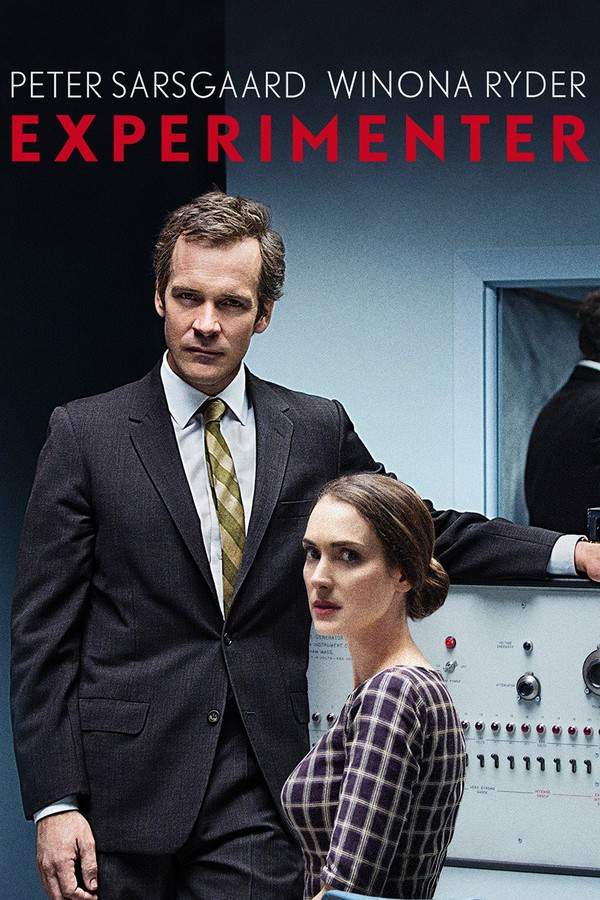
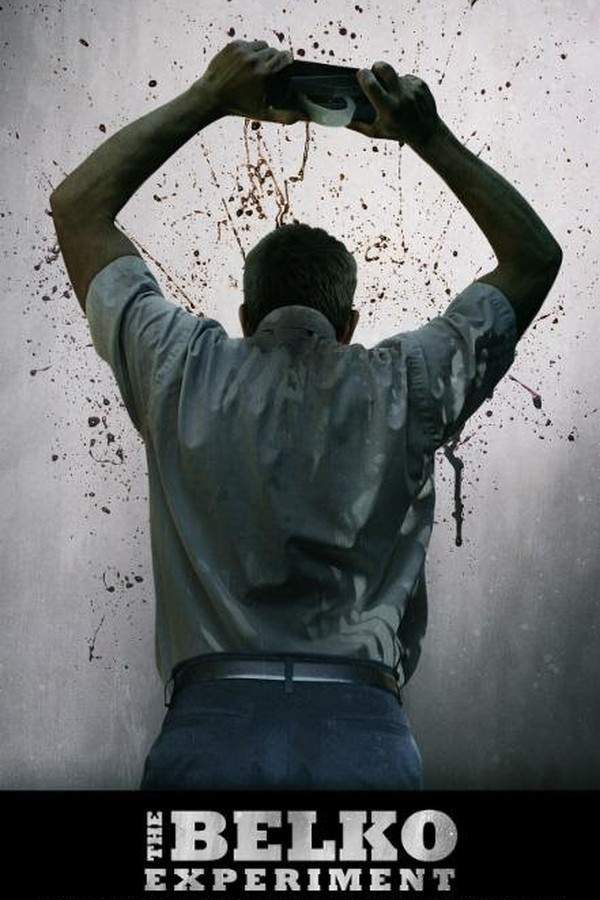
Movies about cruel experiments like in Like Dogs

Stories where scientific control turns humans into subjects in a deadly game.If you liked the grim behavioral experiment in Like Dogs, you might enjoy these other movies where scientific control and dehumanization lead to a desperate fight for survival. These films explore similar themes of manipulation, trauma, and the dark side of human nature under pressure.

claustrophobicoppressiveunsettlingtensecruelpsychologicalcontrolled

Narrative Summary

Movies in this thread typically begin with a group or individual being subjected to a controlled experiment that tests their physical or psychological limits. The narrative follows their realization of the true, sinister purpose of the study, their struggle against the orchestrators, and their fight to escape a system designed to break them down.

Why These Movies?

These films are grouped by their shared premise of a controlled, often scientific, setting where human dignity is the cost of the experiment. They create a claustrophobic, oppressive mood through themes of powerlessness, manipulation, and the erosion of identity, leading to intense, high-stakes confrontations.

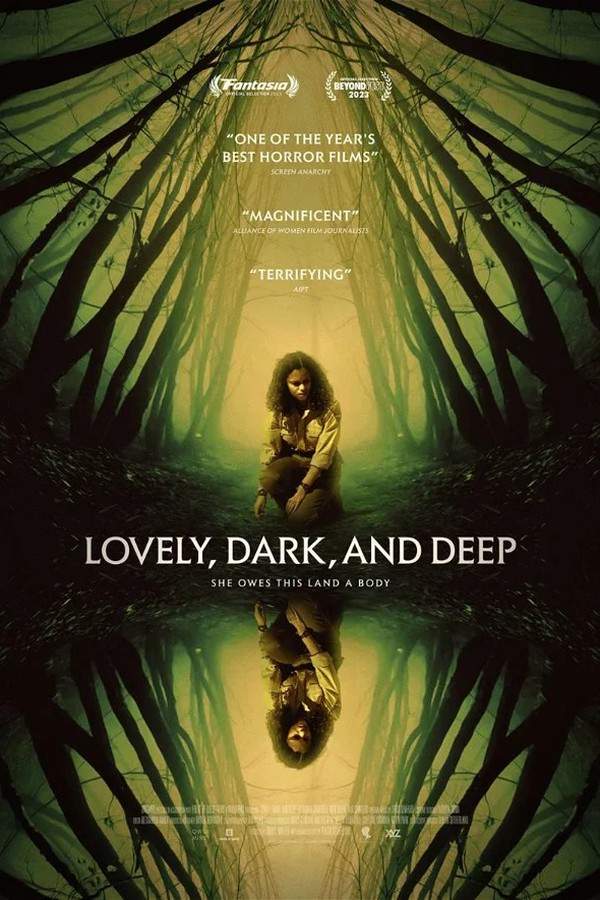
Movies with bittersweet survival like in Like Dogs

Escapes and triumphs that leave deep, lasting psychological scars.For viewers who appreciated the complex, costly victory in Like Dogs, this list features similar movies where characters survive a horrific ordeal but are left psychologically scarred. These stories explore the heavy price of freedom and the lingering trauma that makes survival a bittersweet experience.

bleaktensetraumaticheavyunsettlingpsychologicalhollow victory

Narrative Summary

The narrative arc follows characters through an intense, often traumatic ordeal where the primary goal is physical survival. However, the conclusion subverts a simple happy ending; while they may escape or win, the journey has fundamentally broken them, forcing a dark choice or leaving them with unbearable memories that undermine the victory.

Why These Movies?

These movies are united by their emotionally heavy endings that blend relief with profound sadness or unease. They share a dark tone and explore the theme that some experiences are so damaging that simply surviving them is a tragedy in itself, creating a powerful and lingering emotional impact.

Unlock the Full Story of Like Dogs

Don't stop at just watching — explore Like Dogs in full detail. From the complete plot summary and scene-by-scene timeline to character breakdowns, thematic analysis, and a deep dive into the ending — every page helps you truly understand what Like Dogs is all about. Plus, discover what's next after the movie.

Like Dogs Timeline

Track the full timeline of Like Dogs with every major event arranged chronologically. Perfect for decoding non-linear storytelling, flashbacks, or parallel narratives with a clear scene-by-scene breakdown.

Like Dogs Timeline

Characters, Settings & Themes in Like Dogs

Discover the characters, locations, and core themes that shape Like Dogs. Get insights into symbolic elements, setting significance, and deeper narrative meaning — ideal for thematic analysis and movie breakdowns.

Characters, Settings & Themes in Like Dogs

Like Dogs Spoiler-Free Summary

Get a quick, spoiler-free overview of Like Dogs that covers the main plot points and key details without revealing any major twists or spoilers. Perfect for those who want to know what to expect before diving in.

Like Dogs Spoiler-Free Summary

More About Like Dogs

Visit What's After the Movie to explore more about Like Dogs: box office results, cast and crew info, production details, post-credit scenes, and external links — all in one place for movie fans and researchers.

More About Like Dogs

Similar Movies to Like Dogs

Discover movies like Like Dogs that share similar genres, themes, and storytelling elements. Whether you’re drawn to the atmosphere, character arcs, or plot structure, these curated recommendations will help you explore more films you’ll love.