Plot Explained Spoilers guaranteed!
Plot Explained

Browse by genre

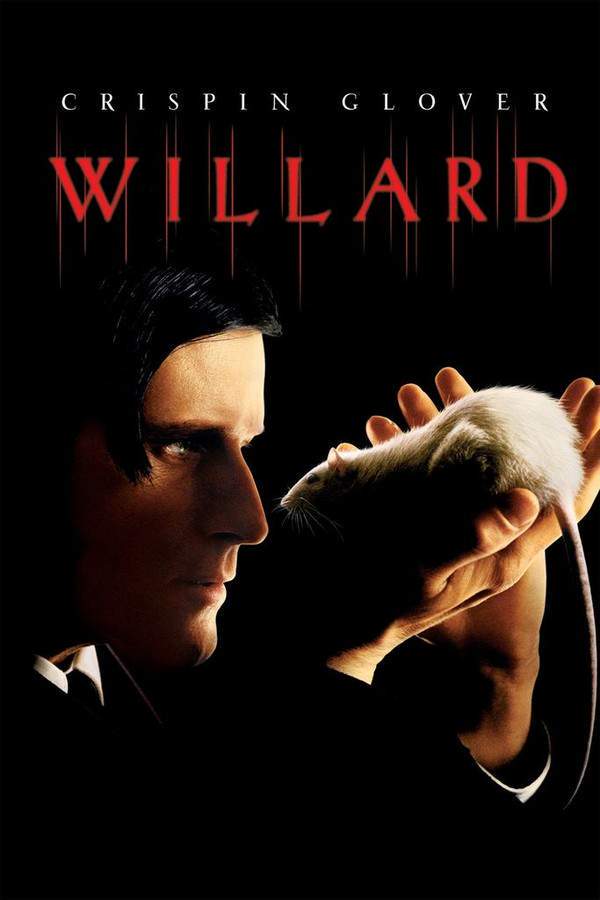
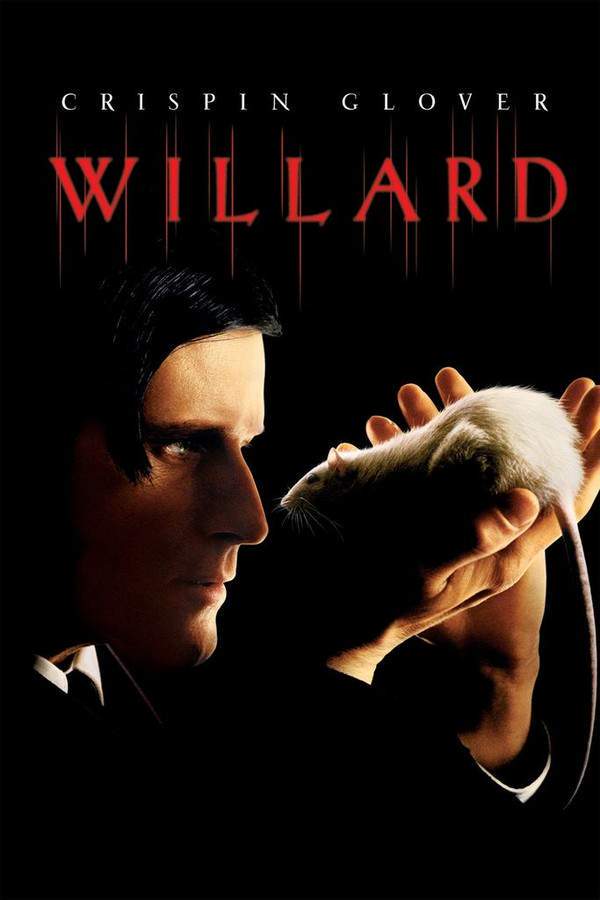
Willard (1971) movie poster

Timeline

Willard (1971) Timeline Explained – Every Event in Order

Release, runtime and language
1971 · 95 min · English
Loading streaming availability…
Directed by
Daniel Mann
Starring
J. Pat O'Malley, Elsa Lanchester, Bruce Davison, Michael Dante, Joan Shawlee, Sondra Locke

Consumed by grief after the tragic loss of his pet rat, Willard embarks on a vengeful campaign against those who wronged him. Isolated and driven by rage, he trains an army of rodents to exact retribution. With the loyal rat Ben by his side, Willard orchestrates a terrifying and unexpected assault on his tormentors, seeking justice in a most unusual way.

On this page (6)
  1. 1 Where to watch
  2. 2 Events in order (14)
  3. 3 Timeline questions answered
  4. 4 Movie threads
  5. 5 Movies like Willard
  6. 6 Every angle
Loading streaming availability…

14 events in order · contains spoilers

Willard Timeline: Events in Chronological Order

Every key event of Willard (1971) in order, scene by scene, with when and where it takes place. Use it to untangle flashbacks, time jumps and parallel storylines, to refresh your memory before the sequel or to find the exact scene you are thinking of.

  1. Willard's Lonely Life

    Willard Stiles is introduced as a pleasant but isolated young man living with his aging mother, Henrietta, in a decaying mansion. His struggles with personal connections are evident as he feels belittled by his boss, Mr. Al Martin, who has inherited the family business after Willard's father's death.

    Where
    Willard's mansion
  2. Birthday Celebration

    During a birthday celebration at home, Willard is pressured by his mother and her friends to become more aggressive in his career. They encourage him to pursue higher positions in the company, but Willard's self-doubt and emotional turmoil prevent him from seizing opportunities.

    Where
    Willard's mansion
  3. Rats in the Backyard

    Henrietta nags Willard about dealing with rats spotted in their backyard. Instead of exterminating them, Willard decides to befriend and train them, creating a bond that allows him to communicate and gain their loyalty.

    Where
    Backyard of Willard's mansion
  4. Bonding with the Rats

    As Willard feeds and interacts with the rats, he trains them to follow his commands. This newfound connection boosts his confidence, making him feel empowered for the first time in his life. The mother rat, whose life he saved, becomes a pivotal part of his life.

    Where
    Willard's mansion
  5. Dinner Party Disruption

    Willard decides to test his rats' loyalty and obedience by sabotaging a dinner party hosted by Martin, whom he resents deeply. The act not only serves to assert his control over the rats but also showcases his increasing boldness against Martin's authority.

    Where
    Mr. Martin's residence
  6. Mother's Death

    The emotional turmoil escalates when Willard's mother passes away, leaving him behind the burden of a heavily mortgaged house. This loss becomes a turning point for Willard, driving him to utilize his rats for a more sinister purpose.

    Where
    Willard's mansion
  7. Theft with the Rats

    Using his trained rats, Willard orchestrates a plan to steal money from a wealthy customer at his office. This criminal act marks the beginning of a darker path for Willard as he embraces his reliance on the rats for personal gain.

    Where
    Willard's workplace
  8. Martin's Confrontation

    After realizing Willard's growing defiance, Mr. Martin visits his house, intending to buy it. Meanwhile, Willard struggles with Ben's behavior, who becomes restless and dissatisfied with being kept in the cellar, hinting at the brewing conflict.

    Where
    Willard's mansion
  9. Socrates' Death

    The tension escalates when Mr. Martin violently harms Socrates, Willard's beloved hamster. This act shatters Willard's last connection to innocence and propels him toward a path of vengeance against Martin, whose dominance has grown unbearable.

    Where
    Willard's workplace
  10. Rats Revenge

    In a climactic confrontation, Willard leads his army of rats to Mr. Martin's office. The rats overwhelm and ultimately kill Martin, fulfilling Willard's desire for revenge and marking a deviation into madness sparked by betrayal and loss.

    Where
    Mr. Martin's office
  11. Emotional Struggles

    Post Martin's murder, Willard grapples with guilt and the loss of control over his life as he attempts to sever ties with the rats. In an act of desperation, he resolves to eliminate the remaining rats, foreshadowing a tragic end.

    Where
    Willard's mansion
  12. Attempt to Start Over

    Willard’s budding relationship with Joan Simms gives him a glimmer of hope for a new beginning. However, the darkness that surrounds him, embodied by Ben's persistent presence, casts a shadow over his attempts to move forward.

    Where
    Willard's mansion
  13. Betrayal by Ben

    As Willard attempts to poison Ben in a bid to reclaim his life, the clever rat outsmarts him, ultimately rallying his fellow rats. This betrayal symbolizes Willard's complete descent into madness as he loses control over the very creatures he thought he commanded.

    Where
    Willard's mansion
  14. Final Climax

    In a shocking final clash, Willard faces off against Ben, who has become his nemesis. The scene is charged with tension as Willard's desperation leads to tragic consequences, culminating in his demise amid a swarm of vengeful rats.

    Where
    Willard's mansion

Last updated: January 18, 2025 at 14:36

Was this helpful?

Timeline questions answered

Willard Timeline Explained: Your Questions Answered

When does it happen, and why in that order? The questions people ask about the chronology of Willard (1971): time jumps, flashbacks, cause and effect between scenes and the correct order of events, each answered with spoilers.

Q1

Why does Willard start training the rats?

Willard begins training rats after his mother asks him to deal with a rat problem in the backyard. Instead of killing them, he saves a nest and discovers he can communicate with and control them. This bond develops during a period of intense isolation and emotional turmoil, giving Willard a sense of power and companionship he lacks in his human relationships.

Foreshadowing: Earlier scenes show Willard's desperate need for connection, making his gravitation toward the rats feel like a natural extension of his loneliness.

  • Willard rats
  • training rats
  • control rats
  • isolation
  • companionship
Q2

How does Willard control the rats?

Willard uses a well and wooden bridge to manipulate the rats' instincts. He feeds them and interacts with them consistently, building trust and loyalty. Through patience and repetition, he trains them to follow his commands, developing an unspoken allegiance with the creatures.

Foreshadowing: The film establishes Willard's gentle nature with animals before revealing his ability to command them.

  • Willard command
  • rat training
  • commands
  • obedience
Q3

Why does Willard use the rats to steal money?

After Willard's mother dies and leaves him with a heavily mortgaged home, he becomes increasingly desperate and emboldened by his control over the rats. He orchestrates thefts from a wealthy client, Walter T. Spencer, using his trained rats as accomplices. This marks his descent into criminal behavior as he loses the last remnants of his innocence.

Foreshadowing: Willard's mother's death and financial burden directly precede his turn to crime, showing how loss propels him toward darker actions.

  • theft
  • money
  • Spencer
  • burglary
  • desperation
Q4

What happens to Socrates in Willard?

Socrates is Willard's beloved pet rat, the mother rat whose life he saved early in the film. She becomes his closest companion and represents his only source of genuine connection. Mr. Martin kills Socrates violently at Willard's workplace, which shatters Willard's last link to innocence and directly triggers his vengeful rampage against Martin.

Foreshadowing: Socrates represents Willard's humanity; her death removes the final barrier to his descent into violence.

  • Socrates
  • pet rat
  • mother's rat
  • Martin's cruelty
Q5

How does Mr. Martin die in Willard?

Mr. Martin is killed by Willard's army of rats in his office. After Martin kills Socrates and provokes Willard repeatedly, Willard leads his trained rats in a coordinated attack. The rats overwhelm and kill Martin, fulfilling Willard's desire for revenge against the man who stole his father's company and tormented him at work.

Foreshadowing: Willard's earlier test of the rats at Martin's dinner party foreshadows this lethal confrontation.

  • Mr. Martin death
  • rats kill Martin
  • revenge killing
Q6

Why does Ben turn against Willard?

Ben is the rebellious rat who refuses to fully obey Willard's commands from the beginning. As Willard's mental state deteriorates and he becomes more desperate to rid himself of the rats, Ben perceives the threat. When Willard attempts to poison him, Ben outsmarts his former master and rallies the other rats against him, symbolizing Willard's complete loss of control over the very creatures he commanded.

Foreshadowing: Ben's defiance throughout the film hints at his eventual betrayal; he was never fully loyal like Socrates.

  • Ben betrayal
  • rat attack
  • loss of control
  • poison
Q7

What happens to Willard at the end of the movie?

Willard dies in the final confrontation with Ben and the rat swarm. After attempting to poison Ben to reclaim his life and start over with Joan, Willard is betrayed by the clever rat. The film's tragic conclusion shows Willard dying alone, overwhelmed by the vengeful rats he once controlled, marking the ultimate collapse of his mental and moral state.

Foreshadowing: Willard's desperate attempt to eliminate the rats while maintaining his relationship with Joan shows his final, futile grasp at normalcy.

  • Willard death
  • final scene
  • tragic ending
  • Ben kills Willard
Q8

Why does Willard try to kill the rats at the end?

After murdering Martin, Willard is consumed by guilt and realizes he has lost control over his life. He attempts to poison the remaining rats, especially Ben, hoping to destroy the evidence of his crimes and free himself from the dark companionship he cultivated. This desperate act represents his final breakdown and triggers Ben's betrayal.

Foreshadowing: Willard's growing remorse after Martin's murder sets the stage for his violent attempt to sever ties with the rats.

  • poison rats
  • guilt
  • eliminate rats
  • desperation
Q9

Why does Willard seek revenge against Mr. Martin?

Willard's hatred for Martin stems from years of belittlement at work and the knowledge that Martin stole Willard's father's company, leaving Willard and his mother in poverty. This injustice, combined with Martin's ongoing cruelty and final murder of Socrates, propels Willard toward vengeful violence as the only way to assert power over his oppressor.

Foreshadowing: The film establishes Martin's theft and Willard's resentment from the opening scenes, building toward the inevitable confrontation.

  • revenge
  • Mr. Martin
  • father's company
  • injustice
  • oppression
Q10

What causes Willard's transformation throughout the movie?

Willard's transformation from a timid, isolated man to a vengeful killer is driven by cumulative losses and his growing sense of empowerment through the rats. His mother's death, financial burden, workplace humiliation, and especially Socrates' murder strip away his remaining inhibition. The rats become both his means of control and his eventual undoing, reflecting how his desperate quest for power leads to tragedy.

Foreshadowing: Each loss compounds Willard's descent, with the rats serving as both catalyst and mirror to his deteriorating psyche.

  • transformation
  • psychology
  • descent into madness
  • isolation
  • power

Movie threads

More Movies Like Willard, by Mood & Story

Curated lists built around what makes Willard tick: the same mood, the same kind of story or the same emotional payoff. Each list explains why these movies belong together.

Movies about descent into vengeance like Willard

Stories of isolated characters whose grief turns into a violent, calculated revenge. If you liked Willard's story of a lonely man training rats for revenge, you'll find similar movies here. These films explore themes of profound grief, social isolation, and a psychological breakdown that leads to a dark and calculated form of payback against tormentors.

  • vengeful
  • desperate
  • oppressive
  • melancholic
  • claustrophobic
  • anxious
  • Tone: dark, vengeful, melancholic
  • Pacing: steady, methodical build
Why these movies?

The story pattern: These narratives typically follow a protagonist who, after a significant personal loss or under sustained pressure, becomes increasingly isolated. Their pain transforms into a focused rage, leading them to develop an elaborate and often unconventional scheme to exact revenge, culminating in a violent and tragic climax.

Why they belong together: Movies in this thread are grouped by their shared exploration of a very specific character arc: the transition from victim to vengeful aggressor. They share a dark tone, heavy emotional weight, and a steady pacing that builds dread towards an inevitable, sad conclusion.


Claustrophobic psychological horror movies like Willard

Intense character studies where a confined setting mirrors a collapsing mind. For viewers who appreciated the oppressive, confined atmosphere of Willard, this section highlights similar films. These movies use claustrophobic settings and a steady pace to explore a character's psychological descent, creating a deeply uncomfortable and anxious viewing experience.

  • claustrophobic
  • oppressive
  • anxious
  • psychological
  • uneasy
  • desperate
  • Tone: dark, oppressive, anxious
  • Pacing: steady, deliberate
Why these movies?

The story pattern: The narrative pattern involves a character trapped both physically and mentally, often in a decaying home or limited space. Their perception of reality warps under pressure, and the environment visually represents their internal chaos, leading to a breakdown that is both psychological and sometimes violently physical.

Why they belong together: These films are united by their masterful use of atmosphere to induce a sense of dread. The combination of a steady, deliberate pace, a dark tone, and high emotional intensity creates a cohesive vibe of inescapable psychological pressure that defines the viewing experience.

If you liked this

Movies Like Willard

Similar movies to Willard: the same genre, themes or kind of story. Each one comes with its own plot summary, timeline and ending explained.

Browse all movie summaries

Every angle

Willard (1971) Explained: Plot, Timeline & Characters

Everything about Willard in one place: what happens in the plot summary, the timeline in chronological order, the characters and meaning and a spoiler-free summary. What's After the Movie adds the cast, box office and post-credit scenes.

Coming soon on iOS and Android

The Plot Explained Movie Summary App

Plot summaries, endings explained and timelines on your phone. Catch up on any movie in minutes, save your favorites and never miss a twist again.

Be the first to know when we launch. Your email stays private, always.

Learn more about the app