Plot Explained Spoilers guaranteed!
Plot Explained

Browse by genre

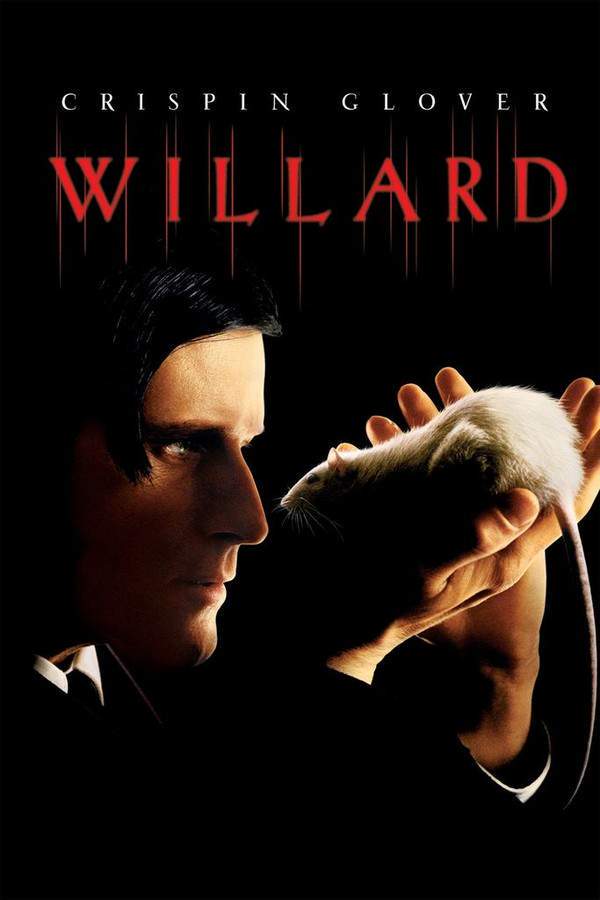
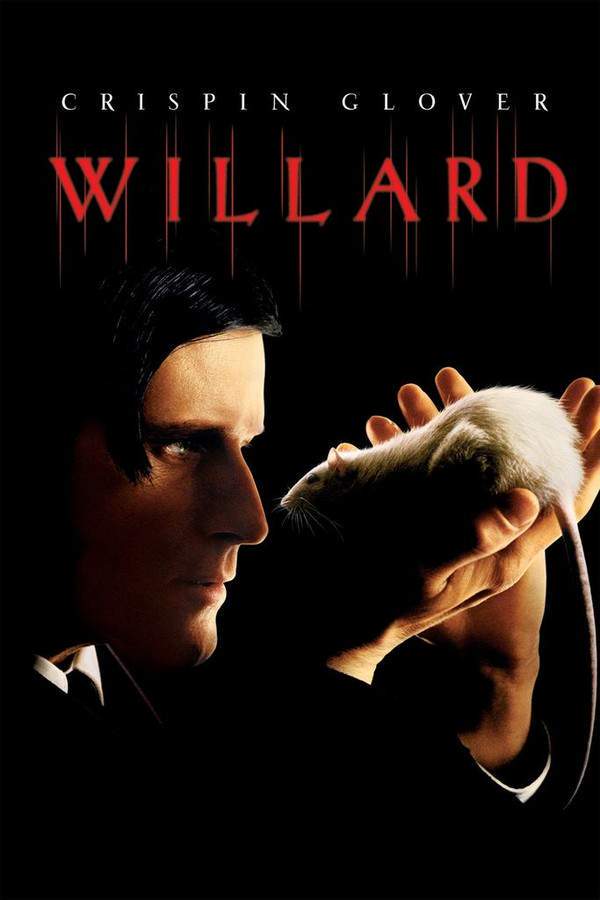
Willard (1971) movie poster

Characters & Themes

Willard (1971) Characters, Setting & Themes Explained

Release, runtime and language
1971 · 95 min · English
Loading streaming availability…
Directed by
Daniel Mann
Starring
J. Pat O'Malley, Elsa Lanchester, Bruce Davison, Michael Dante, Joan Shawlee, Sondra Locke

Consumed by grief after the tragic loss of his pet rat, Willard embarks on a vengeful campaign against those who wronged him. Isolated and driven by rage, he trains an army of rodents to exact retribution. With the loyal rat Ben by his side, Willard orchestrates a terrifying and unexpected assault on his tormentors, seeking justice in a most unusual way.

On this page (8)
  1. 1 Where to watch
  2. 2 Characters explained (3)
  3. 3 Where & when it takes place
  4. 4 Themes & meaning (2)
  5. 5 Character & meaning questions
  6. 6 Movie threads
  7. 7 Movies like Willard
  8. 8 Every angle
Loading streaming availability…

3 main characters · contains spoilers

Willard Characters Explained: Who Is Who

The main characters of Willard (1971), heroes and villains: what drives them, how they change over the course of the story and what each of them reveals about the film's bigger ideas.

  • Willard Stiles (Bruce Davison)

    Willard Stiles is a lonely and socially awkward young man caught in a tumultuous relationship with his demanding mother and his hostile boss. His journey illustrates the effects of bullying and isolation, leading him to form an uncanny bond with rats, whom he trains and commands. As his character evolves, Willard struggles with moral implications, showcasing his descent into revenge and madness.

    • 👤 Protagonist
    • 😔 Socially Awkward
    • 🐀 Rat Trainer
  • Henrietta Stiles (Elsa Lanchester)

    Henrietta Stiles is Willard's overbearing mother, whose health concerns and nagging exacerbate Willard's feelings of inadequacy and isolation. Despite her intentions to mold him into a more assertive individual, she inadvertently contributes to his emotional turmoil. Henrietta's character symbolizes traditional familial expectations and the burden they can impose on an individual.

    • 👩‍👦 Overbearing Mother
    • 🏥 Illness
    • 💔 Family Dynamics
  • Mr. Al Martin (Ernest Borgnine)

    Mr. Al Martin is Willard's tyrannical boss who embodies the oppressive forces in Willard's life. His antagonistic behavior towards Willard drives the latter's descent into insanity and ultimately sparks the revenge plot. Martin's character serves as a catalyst for Willard's transformation, representing corporate greed and exploitation.

    • 💼 Antagonist
    • 👔 Bully
    • 💰 Corporate Greed

Last updated: January 14, 2025 at 22:11

Was this helpful?

Setting

Where and When Does Willard Take Place?

The setting of Willard (1971): the year and time period, the places and locations, and how they shape the characters, the mood and the tension of the story.

Time period

The movie does not specify a particular time period, but the setting suggests a mid-20th century environment characterized by societal norms surrounding familial relations and workplace dynamics. The era reflects a time when mental health and emotional struggles were often overlooked.

Location

Run-down Mansion, Office

The movie takes place primarily in a run-down mansion where Willard Stiles lives with his overbearing mother, and at his office where he faces ridicule from his boss. The mansion is symbolic of Willard's isolation and complicated relationship with his mother while the office serves as a battleground for his psychological struggles against his boss.

  • 🏚️ Mansion
  • 💼 Office

Last updated: January 14, 2025 at 22:11

Was this helpful?

2 major themes

Willard Meaning: Themes & Message Explained

What is Willard (1971) really about? The emotional, social and philosophical themes the film keeps returning to, its symbolism and the message beneath the surface.

  • Isolation

    Isolation is a central theme in 'Willard', exemplified by the protagonist's disconnection from family and society. Willard's troubled relationship with his mother and the bullying at work underline his loneliness. His bond with the rats represents a desperate search for companionship and understanding in a world that alienates him.

  • Revenge

    Revenge drives the plot as Willard's mistreatment culminates in his manipulation of the rats to seek vengeance against his boss. The theme is explored through Willard's transformation from a victim of bullying to an orchestrator of violence, illustrating the destructive potential of suppressed rage.

Last updated: January 14, 2025 at 22:11

Was this helpful?

Character & theme questions

Willard Characters & Meaning: Your Questions Answered

The questions people ask about Willard (1971): who the characters really are, their relationships, what the symbols mean, where it takes place and what the movie is really about. Each answer contains spoilers.

Q1

Where does Willard take place?

Willard primarily takes place in a run-down mansion where the protagonist lives with his mother, and in an office setting where he works. The mansion symbolizes Willard's isolation and complicated family dynamics, while the office represents the hostile environment he faces at work under his tyrannical boss.

  • setting
  • mansion
  • office
  • location
Q2

What time period is Willard set in?

Willard does not specify an exact time period, but the setting suggests a mid-20th century environment. The era reflects the societal norms of the time regarding family relationships and workplace dynamics, particularly how mental health and emotional struggles were often overlooked or dismissed.

  • time period
  • era
  • mid-20th century
  • setting
Q3

What are the main themes of Willard?

The two central themes in Willard are isolation and revenge. The film explores how the protagonist's disconnection from family and society, combined with workplace bullying, drives him to seek companionship with rats and eventually orchestrate violent revenge against those who mistreated him.

  • themes
  • isolation
  • revenge
  • psychological
Q4

Who is Willard Stiles?

Willard Stiles is the protagonist of the 1971 film, a lonely and socially awkward young man trapped in a tumultuous relationship with his overbearing mother and a hostile boss. His journey shows how bullying and isolation lead him to form an unusual bond with rats, ultimately resulting in his descent into revenge and madness.

  • willard stiles
  • protagonist
  • main character
Q5

Who is Henrietta Stiles?

Henrietta Stiles is Willard's overbearing mother in the film. Her health concerns and constant nagging exacerbate Willard's feelings of inadequacy and isolation. She represents traditional familial expectations and the burden they can impose, inadvertently contributing to Willard's emotional turmoil despite her intentions to help him become more assertive.

  • henrietta stiles
  • mother
  • family
Q6

Who is Mr. Al Martin?

Mr. Al Martin is Willard's tyrannical boss at the office, portrayed by Ernest Borgnine. He embodies the oppressive forces in Willard's life through his antagonistic behavior and bullying. Martin serves as the primary catalyst for Willard's transformation into a vengeful figure, representing corporate greed and exploitation in the workplace.

  • mr al martin
  • boss
  • antagonist
  • office
Q7

What does the mansion represent in Willard?

The run-down mansion where Willard lives with his mother serves as a symbol of his isolation and psychological state. The decaying environment reflects Willard's fractured mental state and his entrapment within family obligations. The claustrophobic atmosphere mirrors his increasingly constrained mindset as the story progresses.

  • mansion
  • symbolism
  • setting
  • isolation
Q8

How does Willard explore isolation?

Willard explores isolation through the protagonist's disconnection from both family and society. His troubled relationship with his mother and the bullying he faces at work underline his profound loneliness. His bond with the rats becomes a desperate search for companionship and understanding in a world that alienates him.

  • isolation
  • loneliness
  • companionship
  • rats
Q9

Is Willard based on a true story?

Willard is not based on a true story. It is a work of fiction, though it explores realistic themes of isolation, bullying, and revenge. The film originated as a novel by Gilbert Ralston and was adapted into the 1971 horror film.

  • based on true story
  • origin
  • novel
  • adaptation
Q10

What does revenge symbolize in Willard?

Revenge in Willard symbolizes the destructive potential of suppressed rage and the consequences of unchecked bullying. The theme is explored through Willard's transformation from a victim of harassment to an orchestrator of violence, illustrating how mistreatment can escalate into something terrifying when left unaddressed.

  • revenge
  • rage
  • transformation
  • violence
Q11

What is the message of Willard?

The message of Willard centers on the dangers of isolation and the destructive path of revenge. It warns how emotional suppression and bullying can twist a person's mind, and suggests that finding healthy connections rather than vengeful outlets is essential for mental well-being. The tragic ending underscores the futility of Willard's choices.

  • message
  • meaning
  • caution
  • psychological
Q12

What genre is Willard?

Willard is classified as a horror and science-fiction film. It blends psychological horror with elements of creature features, using the rats as both literal instruments of terror and symbolic representations of Willard's fractured psyche.

  • genre
  • horror
  • sci-fi
  • classification

Movie threads

More Movies Like Willard, by Mood & Story

Curated lists built around what makes Willard tick: the same mood, the same kind of story or the same emotional payoff. Each list explains why these movies belong together.

Movies about descent into vengeance like Willard

Stories of isolated characters whose grief turns into a violent, calculated revenge. If you liked Willard's story of a lonely man training rats for revenge, you'll find similar movies here. These films explore themes of profound grief, social isolation, and a psychological breakdown that leads to a dark and calculated form of payback against tormentors.

  • vengeful
  • desperate
  • oppressive
  • melancholic
  • claustrophobic
  • anxious
  • Tone: dark, vengeful, melancholic
  • Pacing: steady, methodical build
Why these movies?

The story pattern: These narratives typically follow a protagonist who, after a significant personal loss or under sustained pressure, becomes increasingly isolated. Their pain transforms into a focused rage, leading them to develop an elaborate and often unconventional scheme to exact revenge, culminating in a violent and tragic climax.

Why they belong together: Movies in this thread are grouped by their shared exploration of a very specific character arc: the transition from victim to vengeful aggressor. They share a dark tone, heavy emotional weight, and a steady pacing that builds dread towards an inevitable, sad conclusion.


Claustrophobic psychological horror movies like Willard

Intense character studies where a confined setting mirrors a collapsing mind. For viewers who appreciated the oppressive, confined atmosphere of Willard, this section highlights similar films. These movies use claustrophobic settings and a steady pace to explore a character's psychological descent, creating a deeply uncomfortable and anxious viewing experience.

  • claustrophobic
  • oppressive
  • anxious
  • psychological
  • uneasy
  • desperate
  • Tone: dark, oppressive, anxious
  • Pacing: steady, deliberate
Why these movies?

The story pattern: The narrative pattern involves a character trapped both physically and mentally, often in a decaying home or limited space. Their perception of reality warps under pressure, and the environment visually represents their internal chaos, leading to a breakdown that is both psychological and sometimes violently physical.

Why they belong together: These films are united by their masterful use of atmosphere to induce a sense of dread. The combination of a steady, deliberate pace, a dark tone, and high emotional intensity creates a cohesive vibe of inescapable psychological pressure that defines the viewing experience.

If you liked this

Movies Like Willard

Similar movies to Willard: the same genre, themes or kind of story. Each one comes with its own plot summary, timeline and ending explained.

Browse all movie summaries

Every angle

Willard (1971) Explained: Plot, Timeline & Characters

Everything about Willard in one place: what happens in the plot summary, the timeline in chronological order, the characters and meaning and a spoiler-free summary. What's After the Movie adds the cast, box office and post-credit scenes.

Coming soon on iOS and Android

The Plot Explained Movie Summary App

Plot summaries, endings explained and timelines on your phone. Catch up on any movie in minutes, save your favorites and never miss a twist again.

Be the first to know when we launch. Your email stays private, always.

Learn more about the app