Plot Explained Spoilers guaranteed!
Plot Explained

Browse by genre

When the Lights Went Out (2012) movie poster

Plot Summary

When the Lights Went Out (2012) Plot Summary Explained

Release, runtime and language
2012 · 86 mins · English
Loading streaming availability…
Directed by
Pat Holden
Starring
Steven Waddington, Craig Parkinson, Molly Windsor, Kate Ashfield, Tasha Connor, Tony Pitts

In 1974 Yorkshire, the Maynard family moves into their ideal home, only to have the dream turn into a terrifying nightmare. They soon uncover a horrifying truth that will enter the history books: the house is already haunted by the most violent poltergeist recorded, a spirit that can wrench occupants from their beds and drag them into darkness.

On this page (5)
  1. 1 Where to watch
  2. 2 What happens: full plot
  3. 3 Plot questions answered
  4. 4 Movie threads
  5. 5 Every angle
Loading streaming availability…

Full plot summary · contains spoilers

What Happens in When the Lights Went Out: Full Plot Summary

The whole story of When the Lights Went Out (2012) explained, from the opening scene to the final frame: every key event, every twist and what it all adds up to. Read it as a quick recap before the sequel, to check a scene you missed, or to finally understand what really happened.

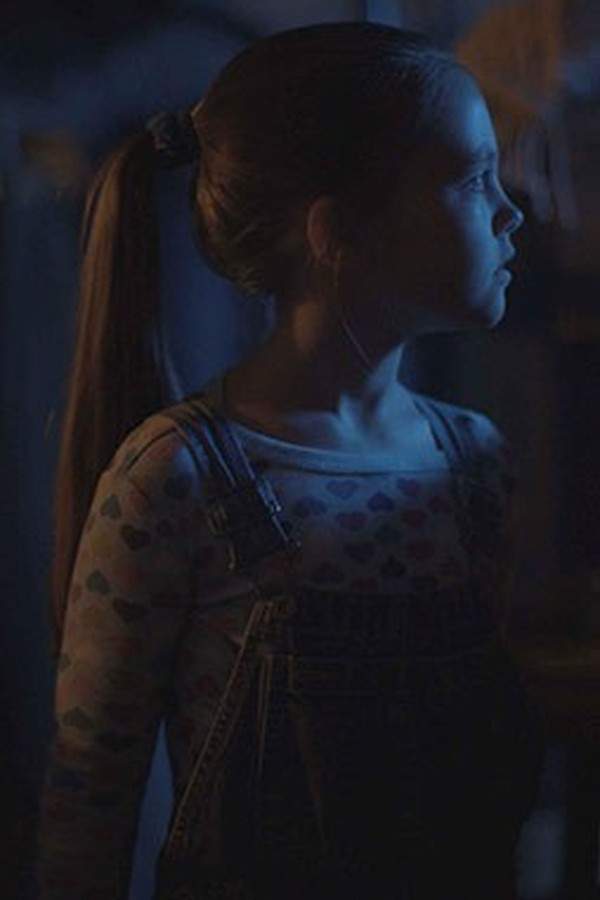
In 1974, Len and Jenny Maynard move into a new home in Yorkshire, where their 13-year-old daughter Sally is haunted by the ghost of The Pale Girl and the demonic ghost of Monk.

Sally's history teacher, Mr Price, learns that the family is haunted by the spirit of a girl who was murdered in a forest, and informs Len. The family seeks out the help of a paranormal specialist and a local priest. The specialist is able to make contact with the spirit but during the session, the group is attacked by it, and the specialist is unable to remove the spirits from their house.

Len and his friend, Brian, convince Father Clifton to perform an exorcism on their house. He initially refuses, citing lack of permission from the church, but they blackmail him by showing photos of Clifton engaging in an illicit affair with his housekeeper, Mrs Blithe. Clifton agrees and explains that the monk, while alive, preyed on young, uneducated girls in the neighbourhood and cut off their tongues so that they could not expose him. He killed the young girl in the forest, as she was educated, and could have exposed his deeds by writing about it. After the incident, the monk was secretly tried, hanged, and buried in secrecy, in order to preserve the church's honour. They proceed with the exorcism at Len's house; the spirit violently resists but Clifton manages to drive it out.

The family returns to normal life, but one night, the spirit returns and attacks Sally, attempting to hang her. Len and Jenny try to save her but the spirit knocks them out. Sally then throws the young girl's locket into the electric heater, causing a fire. The young girl's spirit appears and confronts the evil monk's spirit, which is driven from the house. Following the incident, the family remain in the house, though Sally never enters her bedroom again.

Last updated: October 03, 2025 at 06:47

Was this helpful?

Plot questions answered

When the Lights Went Out Plot Explained: Your Questions Answered

The questions people ask most about When the Lights Went Out (2012): what happens in the confusing scenes, why the characters do what they do, the twists, hidden details and what the ending means. Each answer contains spoilers.

Q1

Why did the monk cut out the tongues of the young girls?

The monk, while alive, preyed on young, uneducated girls in the neighbourhood and cut off their tongues so they could not expose his crimes. He targeted girls who were too young or uneducated to report his abuses, removing their ability to speak against him.

Foreshadowing: Earlier scenes show the spirit's obsession with silencing Sally, hinting at the monk's historical method.

  • monk
  • tongues
  • abuse
  • silencing
Q2

Why was the Pale Girl specifically murdered by the monk?

The Pale Girl was educated and could write, which meant she could have exposed the monk's crimes by documenting what he did to her. Unlike his other victims who were too young and uneducated to speak out, her literacy made her a threat that required murder.

Foreshadowing: Sally's ability to read and write may have intensified the monk's fixation on her.

  • pale girl
  • murder
  • educated
  • writing
  • exposure
Q3

Why did the spirit return after the exorcism appeared to work?

The exorcism drove out the monk's spirit temporarily, but it was not permanently destroyed. The evil presence eventually returned with renewed force, attacking Sally in her bedroom. The ritual had weakened but not eliminated the supernatural threat.

Foreshadowing: The exorcism scene shows the spirit violently resisting before being forced out, suggesting it was not fully vanquished.

  • exorcism
  • spirit returns
  • monk
  • attack
Q4

Why did Sally throw the locket into the electric heater?

Sally used the Pale Girl's locket, which contained the girl's spirit, as a way to draw out the evil presence. By burning the locket in the electric heater, she created a confrontation between the Pale Girl's spirit and the monk's spirit, allowing them to battle each other.

  • sally
  • locket
  • heater
  • fire
  • pale girl
Q5

What happened during the final confrontation between the spirits?

When the locket burned, the Pale Girl's spirit emerged and confronted the evil monk's spirit directly. The two spectral forces clashed within the house, and the Pale Girl's spirit ultimately overpowered and drove the monk's presence out for good.

Foreshadowing: The Pale Girl had been trying to protect Sally throughout the haunting, hinting at her eventual role in defeating the monk.

  • final confrontation
  • pale girl
  • monk
  • spirits
Q6

Why did the family stay in the house after everything that happened?

Despite the traumatic events, the family remained in the house after the monk's spirit was finally driven out. The house had become their home, and the immediate threat was eliminated. However, the trauma persisted, Sally never entered her bedroom again, showing the lasting psychological impact.

  • family stays
  • house
  • aftermath
  • sally
Q7

Why could Len and Brian blackmail Father Clifton into performing the exorcism?

Father Clifton initially refused to perform the exorcism because the church had not given him permission. However, Len and Brian discovered photos of Clifton engaging in an illicit affair with his housekeeper Mrs Blithe. They used this evidence to force him to help by threatening to expose his infidelity.

  • father clifton
  • blackmail
  • affair
  • exorcism
Q8

Why was the paranormal specialist unable to remove the spirits?

The paranormal specialist attempted to make contact with the spirit during a séance, but the entity violently attacked the group during the session. The specialist was unable to remove or banish the spirits, proving that the supernatural threat was too powerful for standard paranormal methods.

Foreshadowing: The violent attack during the séance demonstrated the monk's aggressive nature and resistance to expulsion.

  • paranormal specialist
  • séance
  • failed
  • spirits
Q9

How was the monk secretly tried and hanged?

After the monk murdered the Pale Girl in the forest, his crimes were discovered but kept hidden to preserve the church's honour. He was secretly tried, hanged, and buried in secrecy rather than facing a public trial and execution. This cover-up allowed the church to protect its reputation while the monk's evil continued to linger as a spirit.

Foreshadowing: The church's decision to hide the monk's crimes directly led to the haunting that plagued future occupants.

  • monk
  • hanged
  • church
  • secret trial
  • cover-up
Q10

Why did the spirit specifically target Sally for hanging?

The monk's spirit targeted Sally because she reminded him of the Pale Girl, both were educated and could potentially expose evil deeds through writing. The spirit's attempt to hang Sally mirrored the original murder in the forest, as the monk sought to silence another educated girl who could reveal truth.

Foreshadowing: Sally's schoolwork and writing throughout the film made her a target parallel to the Pale Girl's fate.

  • sally
  • attack
  • hanging
  • monk
  • pale girl

Movie threads

More Movies Like When the Lights Went Out, by Mood & Story

Curated lists built around what makes When the Lights Went Out tick: the same mood, the same kind of story or the same emotional payoff. Each list explains why these movies belong together.

Grim historical hauntings like in When the Lights Went Out

True-story hauntings with violent, documented poltergeist activity and grim outcomes. If you liked the true-story terror of When the Lights Went Out, you'll find more movies here based on documented hauntings. These films explore violent poltergeist activity with a grim, historical foundation, delivering similar feelings of oppressive dread and family trauma in the face of a seemingly unstoppable evil.

  • based on true story
  • historical evil
  • violent poltergeist
  • oppressive
  • family trauma
  • documented haunting
  • Tone: tense, bleak, oppressive
  • Pacing: steady, escalating
Why these movies?

The story pattern: These stories typically follow a family or group moving into a new space, only to uncover its violent paranormal history. The narrative progresses from initial skepticism to terrifying confirmation, often involving outside experts or religious figures. The climax is a desperate confrontation with the entity, frequently leaving lingering trauma even if the immediate threat is subdued.

Why they belong together: They are grouped by their grounding in real-world paranormal claims, a focus on violent physical hauntings (poltergeists), and a consistently grim, high-intensity tone. The shared experience is the claustrophobic terror of a home turned hostile by a malicious presence with a documented backstory.

Claustrophobic domestic terror movies like When the Lights Went Out

The home becomes a prison as a family is tormented from within its walls. For viewers seeking similar films to When the Lights Went Out, this thread features horror stories where the home itself becomes the enemy. Discover movies about families trapped and psychologically tormented by supernatural forces, all sharing a tense, claustrophobic atmosphere and a heavy emotional weight focused on survival.

  • claustrophobic
  • haunted house
  • family in peril
  • psychological torment
  • domestic invasion
  • oppressive
  • Tone: tense, anxious, grim
  • Pacing: steady, building pressure
Why these movies?

The story pattern: The narrative revolves around a family's struggle for survival within their own compromised sanctuary. The threat is internal and pervasive, escalating from subtle disturbances to direct physical attacks. The story explores themes of familial bonds under extreme stress, psychological torment, and the desperation to reclaim a sense of safety that has been violently shattered.

Why they belong together: These films share a core premise of domestic invasion by a supernatural entity, resulting in a uniquely claustrophobic and anxious viewing experience. They are united by a high-intensity, tense tone, a steady pacing that builds oppressive dread, and a focus on the emotional devastation of having one's safest space violated.

Every angle

When the Lights Went Out (2012) Explained: Plot, Timeline & Characters

Everything about When the Lights Went Out in one place: what happens in the plot summary, the timeline in chronological order, the characters and meaning and a spoiler-free summary. What's After the Movie adds the cast, box office and post-credit scenes.

Coming soon on iOS and Android

The Plot Explained Movie Summary App

Plot summaries, endings explained and timelines on your phone. Catch up on any movie in minutes, save your favorites and never miss a twist again.

Be the first to know when we launch. Your email stays private, always.

Learn more about the app