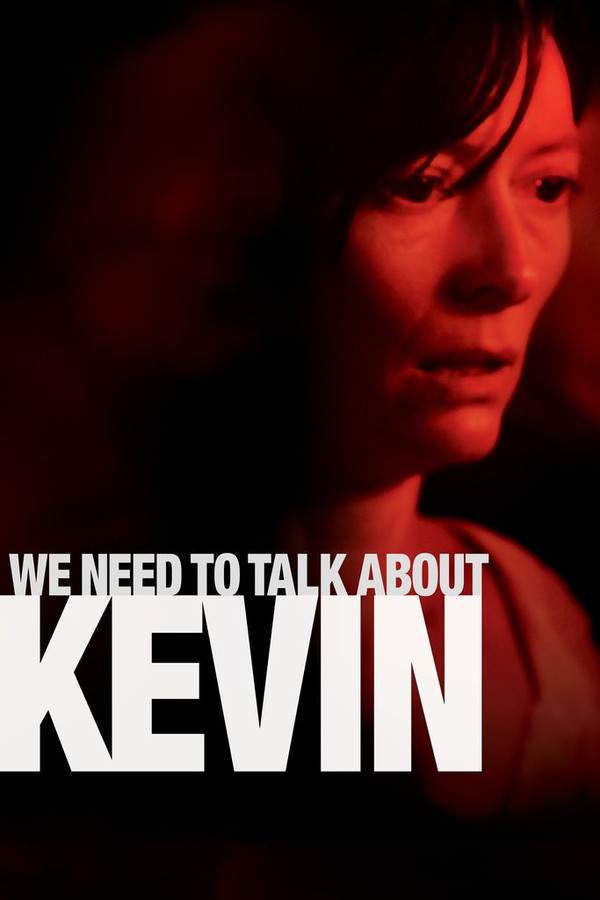
We Need to Talk About Kevin

A woman reflects on her profoundly troubled relationship with her now teenage son, Kevin. As she recounts the events of his childhood, she grapples with the escalating difficulties and unsettling behavior that have strained their bond. Eva must confront the possibility that her son's disturbing nature stems from something deeper than she can comprehend, questioning whether his malevolence is inherent or a result of her parenting. The film explores the complexities of motherhood and the unsettling questions surrounding the nature of evil.
Where to Watch We Need to Talk About Kevin?
Find where to stream, rent, or buy We Need to Talk About Kevin (2011) in the US with current JustWatch availability, up-to-date pricing, and platform listings for subscription, rental, and digital purchase options.
























Streaming availability powered by 
Warning: spoilers below!
Haven’t seen We Need to Talk About Kevin yet? This summary contains major spoilers. Bookmark the page, watch the movie, and come back for the full breakdown. If you're ready, scroll on and relive the story!
Timeline – We Need to Talk About Kevin (2011)
Trace every key event in We Need to Talk About Kevin (2011) with our detailed, chronological timeline. Perfect for unpacking nonlinear stories, spotting hidden connections, and understanding how each scene builds toward the film’s climax. Whether you're revisiting or decoding for the first time, this timeline gives you the full picture.
Last updated: November 08, 2024 at 02:03
We Need to Talk About Kevin (2011) Timeline Questions Answered – Chronology FAQ
Find frequently asked questions about the We Need to Talk About Kevin (2011) timeline, including chronological order, nonlinear jumps, cause-and-effect links, and scene sequence clarifications. This timeline FAQ helps explain when key events happen, how moments connect, and why the story unfolds in that specific order.
Why is Kevin emotionally distant from Eva from infancy?
From birth, Kevin shows no emotional connection to Eva, deliberately crying only when she's holding him and rejecting her affection. He manipulates situations to isolate her, particularly by appearing loving to Franklin while showing contempt for her. This consistent pattern suggests a profound psychological divide between them, though the cause remains ambiguous, whether Kevin is inherently incapable of bonding or deliberately chooses to reject his mother.
Kevin's early refusal to be toilet-trained and his pattern of playing both parents against each other hint at his manipulative nature.
What motivates Kevin to commit the school shooting?
Kevin commits the mass shooting on his 16th birthday using bicycle locks to trap classmates in the gymnasium, killing them with a bow and arrow. When Eva asks why, Kevin admits he once thought he understood his motivations but now isn't sure. The film never provides a clear answer, suggesting his evil may be inexplicable, whether inherent or a result of his fractured relationship with Eva.
Franklin's gift of the bow and arrow and his archery lessons foreshadow the weapon Kevin later uses.
Why does Kevin kill Franklin and Celia?
After the school shooting, Kevin returns home and murders both his father Franklin and his younger sister Celia with the same bow and arrow. Kevin's deep-seated contempt for Celia was evident from her birth, and his actions toward Franklin may stem from years of resentment over being dismissed and manipulated. The murders suggest Kevin's violence wasn't limited to strangers but extended to his entire family.
Kevin's immediate contempt for Celia and his listening to the divorce conversation hint at his potential violence toward them.
Why does Kevin show affection only when sick?
When Kevin has a fever and is confined to bed, he surprisingly shows a rare moment of affection, allowing Eva to read him the Robin Hood story. This brief connection dissolves once he recovers, and his spiteful behavior returns. The Robin Hood tale, about an outlaw who robs from the rich to give to the poor, may hint at Kevin's later violence, though the film leaves this ambiguous.
The Robin Hood story, with its themes of violent rebellion against authority, subtly foreshadows Kevin's later massacre.
What happens with the guinea pig and Celia's eye injury?
Celia's pet guinea pig disappears, and Eva discovers its remains in the garbage disposal. During this incident, Celia suffers an eye injury from exposure to drain cleaner. Eva suspects Kevin deliberately caused both events, killing the pet and putting Celia in danger, to get rid of his sister, but Franklin dismisses her suspicions, creating further marital strain.
Kevin's immediate contempt for Celia from birth sets up his willingness to harm her.
Why does Eva throw Kevin against the wall?
Overwhelmed by Kevin's persistent defiance and manipulation, Eva loses control in a moment of frustration and throws him against a wall, resulting in a broken arm. Kevin then manipulates the situation, telling Franklin he simply fell, further damaging Eva's already fragile relationship with her husband.
This violent outburst may reflect the toxic dynamic between them, though Kevin's nature appears to precede this incident.
Why does Kevin appear fearful in prison?
Two years after the massacre, Eva visits Kevin in prison and observes a surprisingly demure and fearful side of him as he anticipates transfer to an adult facility. This transformation from the calculating mass murderer to a frightened young man is unsettling. His fear may stem from facing adult consequences, though it remains unclear if this represents genuine remorse or another form of manipulation.
What does Kevin mean when he says he no longer understands his motivations?
When Eva asks why he committed the murders, Kevin responds that he once believed he understood his motivations but now isn't sure. This admission suggests Kevin may have acted on impulses he couldn't fully comprehend, possibly indicating his evil is innate and inexplicable rather than a rational choice. His uncertainty mirrors the film's central question about whether evil is born or made.
Kevin's lifelong emotional distance and inexplicable cruelty foreshadow his inability to explain his own actions.
Why does Eva's marriage to Franklin fall apart?
Eva's growing concerns about Kevin's disturbing behavior create a rift with Franklin, who remains in denial about their son's nature. Franklin dismisses Kevin's actions as typical child behavior and excuses his manipulation, leading Eva to feel isolated and unsupported. Their marriage deteriorates to the point where Franklin considers divorce, with Kevin eavesdropping on this conversation and further deepening family division.
Franklin's pattern of dismissing Kevin's behavior throughout the timeline enables Kevin's manipulations.
How does Kevin manipulate Franklin against Eva?
Kevin presents a facade of a loving, compliant child to Franklin while directing contempt and manipulation exclusively at Eva. He cleverly spins events, like the broken arm incident, to make Eva appear aggressive or incompetent as a mother. Franklin accepts Kevin's version of events without question, allowing Kevin to undermine Eva's authority and isolate her within the family.
Kevin's manipulation of the broken arm incident sets the pattern for his psychological warfare against Eva.
Is Kevin's evil nature innate or caused by parenting?
The film deliberately leaves this question unanswered. Eva questions whether her reluctant motherhood, her moment of violence when she threw him, or her inability to bond with him caused Kevin's evil. However, Kevin shows disturbing traits from birth, crying only for Eva, rejecting affection, and manipulating both parents, suggesting something inherent. The lack of a clear answer is central to the film's exploration of the nature of evil.
Kevin's disturbing behavior from infancy suggests evil may be innate, though Eva's violence and rejection could be contributing factors.
Why does Kevin use a bow and arrow for the murders?
Kevin uses a bow and arrow, the same gift Franklin gave him for teaching archery, to commit the school shooting. This choice isn't explained but carries symbolic weight: Franklin's attempt to bond with Kevin through this gift becomes the instrument of Kevin's violence. The weapon also connects to the Robin Hood story Eva read him during his illness, potentially linking Kevin's fantasies of violent rebellion.
Franklin's bow and arrow gift directly enables the massacre, making it a devastating plot point.

Explore Movie Threads
Discover curated groups of movies connected by mood, themes, and story style. Browse collections built around emotion, atmosphere, and narrative focus to easily find films that match what you feel like watching right now.
Movies about parental guilt like We Need to Talk About Kevin
Stories of parents grappling with tragedy they feel responsible for.If you were captivated by the deep exploration of maternal guilt in We Need to Talk About Kevin, this section features similar films. Find other powerful dramas about parents wrestling with unimaginable tragedy, responsibility, and the long shadow of grief that follows life-altering events involving their children.

Troubled Water
2021
Every Secret Thing
2015

Echo Valley
2025
What Richard Did
2013
Little Accidents
2015

Terribly Happy
2008
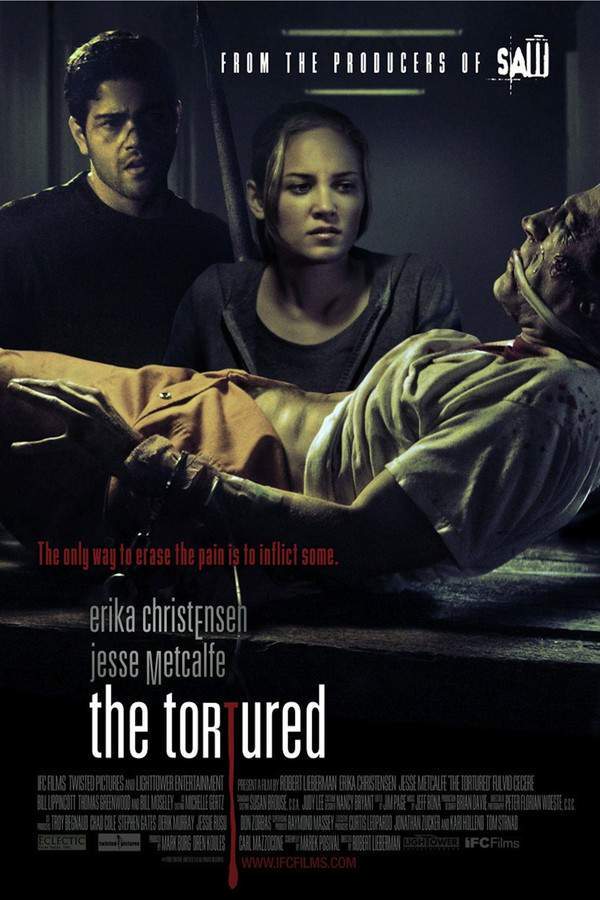
The Tortured
2012

I Want to Know Your Parents
2022

The Weight of Water
2018

Memories
2013

Stephanie Daley
2007

The Dark
2005

The Bad Seed
2018
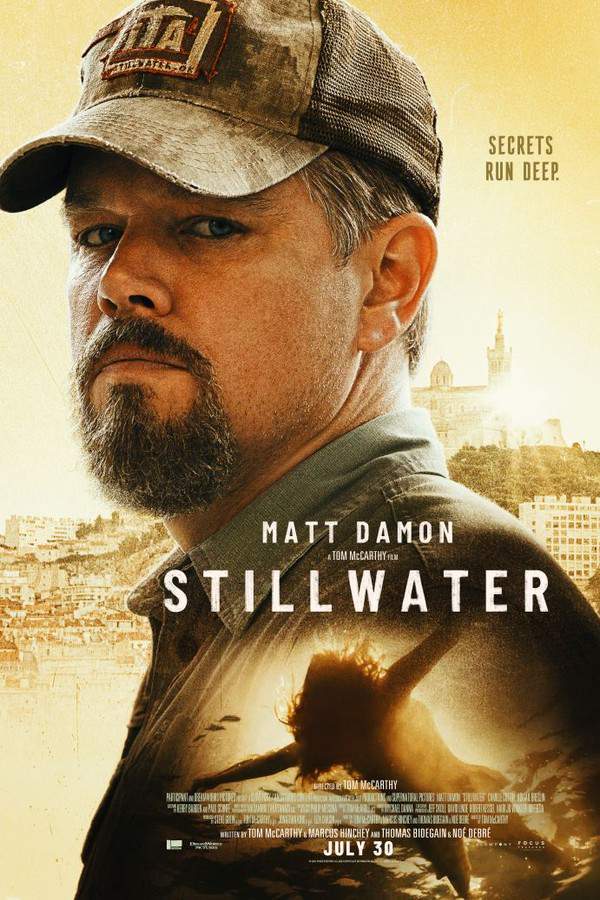
Stillwater
2021
Edge of Darkness
2010
Narrative Summary
Narratives in this thread often use a reflective, non-linear structure, jumping between the devastating aftermath and the events leading up to it. The protagonist's journey is internal, focused on piecing together memories and signs they may have missed, building towards a tragic inevitability that challenges their sense of self and their love for their child.
Why These Movies?
Movies are grouped here for their shared thematic focus on the specific, profound guilt experienced by parents in the wake of a tragedy. They share a heavy emotional weight, a somber and psychologically tense mood, and a central character arc defined by introspection and the struggle to find meaning or absolution where there may be none.
Slow burn thrillers with a sense of doom like We Need to Talk About Kevin
Films where a sense of inevitable tragedy builds relentlessly.If you liked the methodical, oppressive build-up of tension in We Need to Talk About Kevin, explore these similar slow burn thrillers. Discover movies that use a steady pace to create a powerful sense of inevitable tragedy and psychological dread, leaving you feeling unsettled and captivated by the unfolding horror.
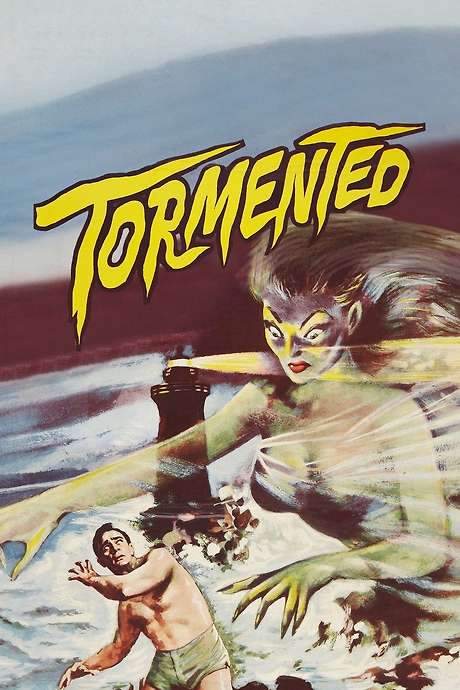
Tormented
1960
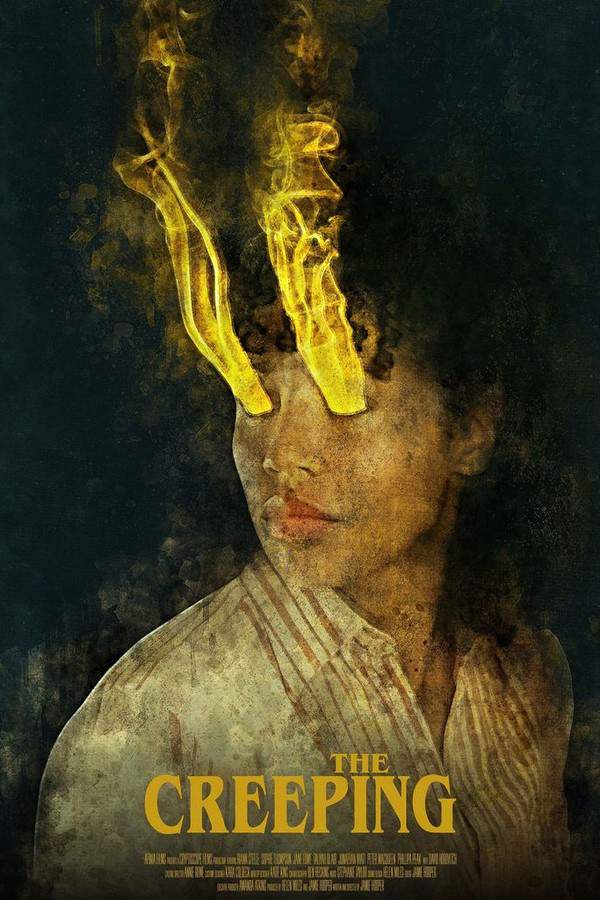
The Creeping
2023

Dangerous to Know
2020
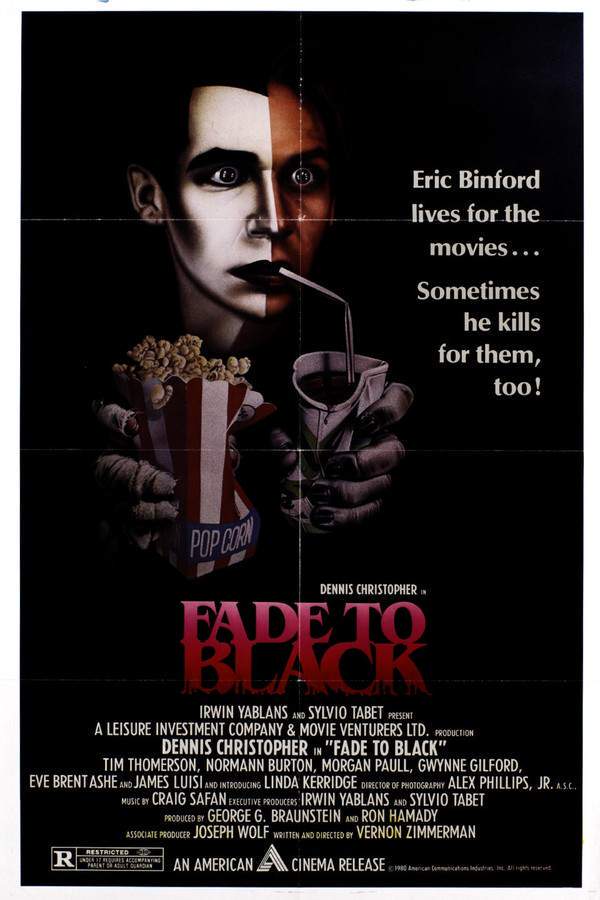
Fade to Black
1980

Darkening Sky
2011

Cigarette Burns
2005
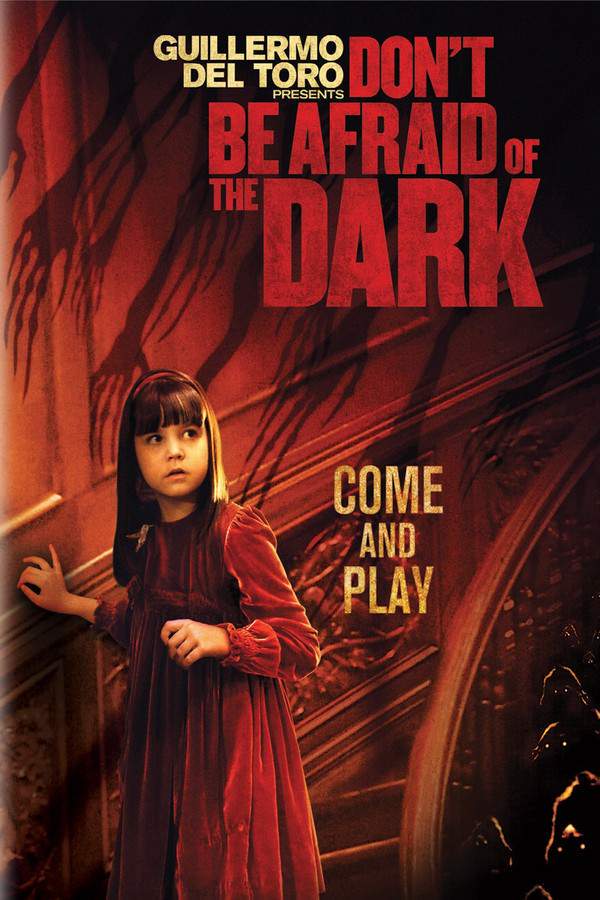
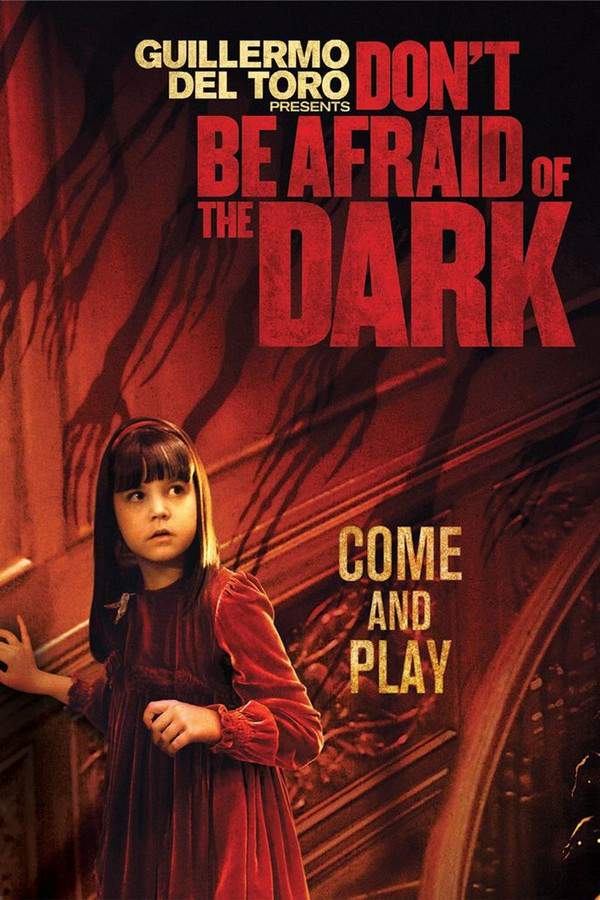
Don't Be Afraid of the Dark
2011
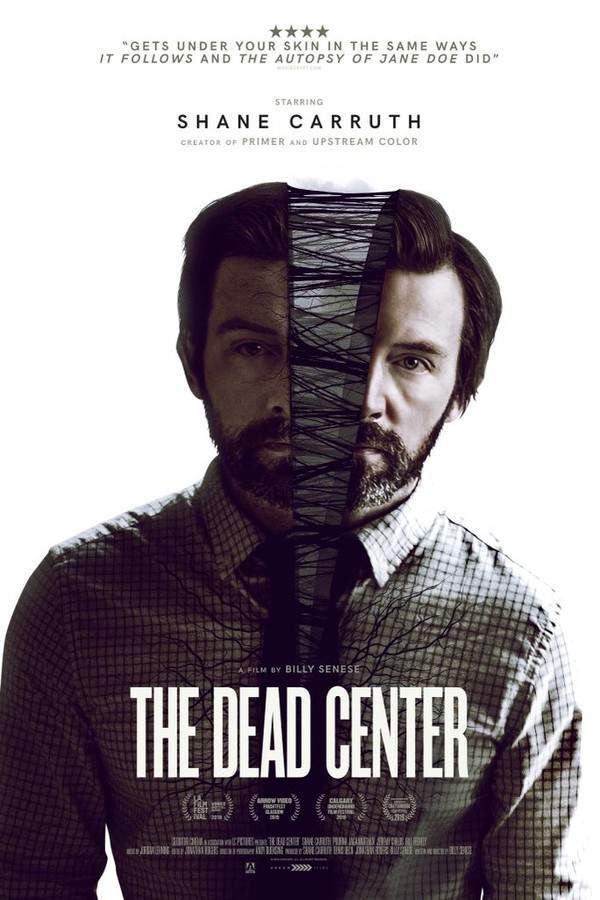
The Dead Center
2019
Don't Be Afraid of the Dark
1973
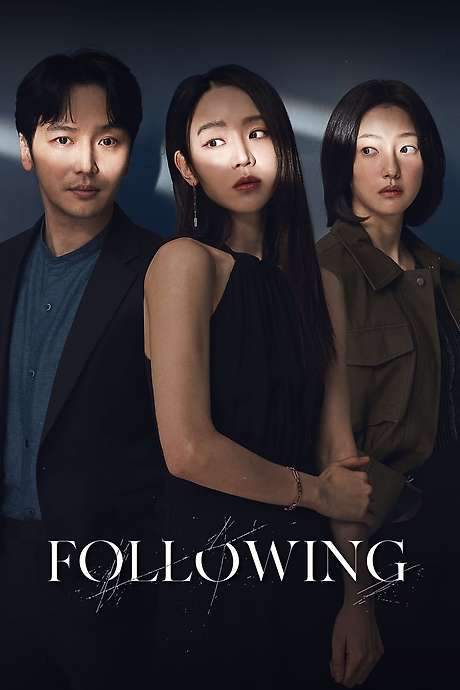
Following
2024
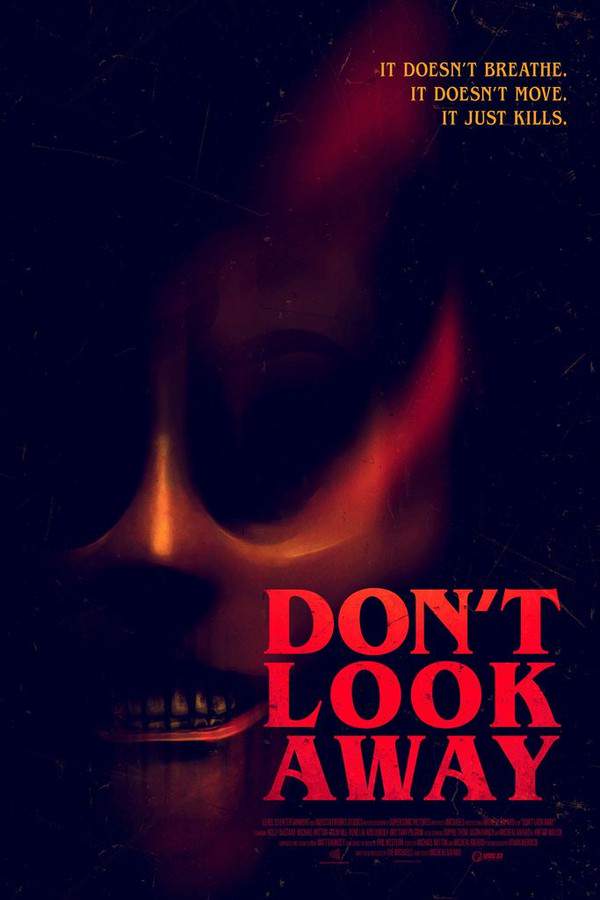
Don't Look Away
2023
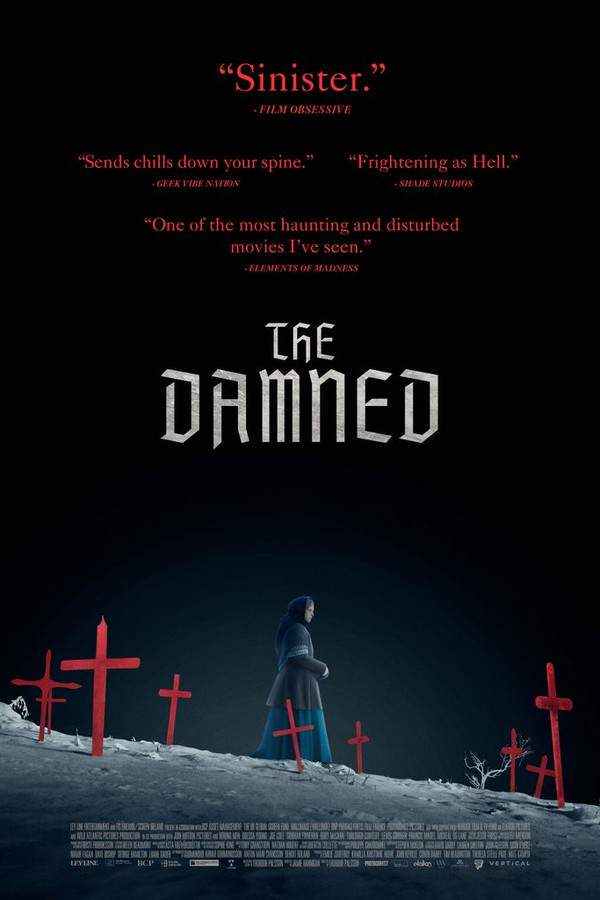
The Damned
2025

Fear in the Night
1972

The Terror
1963

The Evil Within
2017
Narrative Summary
Stories in this thread unfold with a deliberate pace, prioritizing psychological unease over explosive events. They often rely on an unreliable perspective or a fractured timeline to deepen the sense of fatalism. The conflict is internal and interpersonal, with the true horror lying in the gradual realization that a terrible outcome is unavoidable.
Why These Movies?
These films are grouped by their shared approach to pacing and mood. They all feature a steady, often slow, narrative rhythm that allows tension and dread to simmer and intensify. The experience is defined by a feeling of powerlessness and the anxious anticipation of a bleak climax, creating a uniquely oppressive vibe.
Unlock the Full Story of We Need to Talk About Kevin
Don't stop at just watching - explore We Need to Talk About Kevin in full detail. From the complete plot summary and scene-by-scene timeline to character breakdowns, thematic analysis, and a deep dive into the ending - every page helps you truly understand what We Need to Talk About Kevin is all about. Plus, discover what's next after the movie.
We Need to Talk About Kevin Summary
Read a complete plot summary of We Need to Talk About Kevin, including all key story points, character arcs, and turning points. This in-depth recap is ideal for understanding the narrative structure or reviewing what happened in the movie.

Characters, Settings & Themes in We Need to Talk About Kevin
Discover the characters, locations, and core themes that shape We Need to Talk About Kevin. Get insights into symbolic elements, setting significance, and deeper narrative meaning - ideal for thematic analysis and movie breakdowns.


