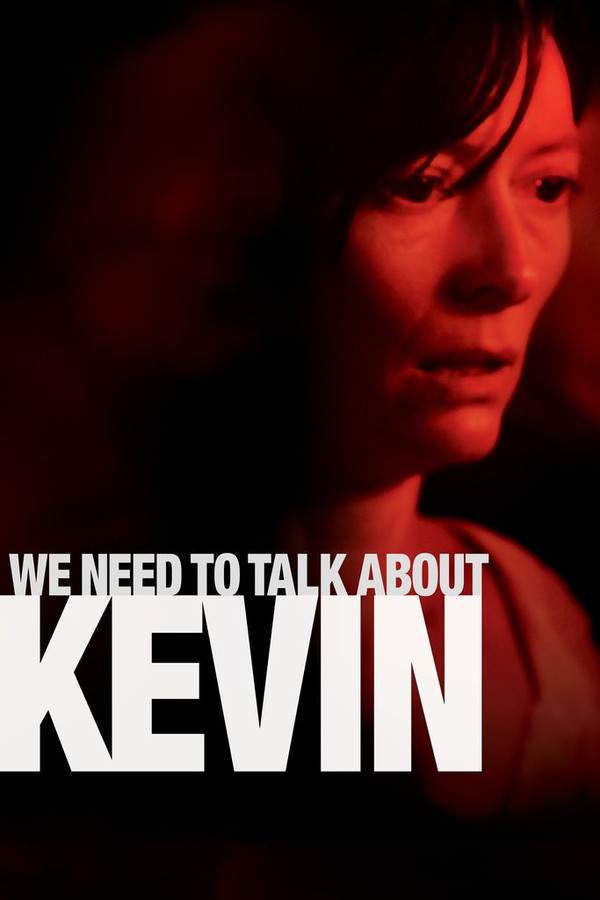
We Need to Talk About Kevin

A woman reflects on her profoundly troubled relationship with her now teenage son, Kevin. As she recounts the events of his childhood, she grapples with the escalating difficulties and unsettling behavior that have strained their bond. Eva must confront the possibility that her son's disturbing nature stems from something deeper than she can comprehend, questioning whether his malevolence is inherent or a result of her parenting. The film explores the complexities of motherhood and the unsettling questions surrounding the nature of evil.
Where to Watch We Need to Talk About Kevin?
Find where to stream, rent, or buy We Need to Talk About Kevin (2011) in the US with current JustWatch availability, up-to-date pricing, and platform listings for subscription, rental, and digital purchase options.
























Streaming availability powered by 
Warning: spoilers below!
Haven’t seen We Need to Talk About Kevin yet? This summary contains major spoilers. Bookmark the page, watch the movie, and come back for the full breakdown. If you're ready, scroll on and relive the story!
Timeline & Setting – We Need to Talk About Kevin (2011)
Explore the full timeline and setting of We Need to Talk About Kevin (2011). Follow every major event in chronological order and see how the environment shapes the story, characters, and dramatic tension.
Last updated: October 22, 2024 at 22:03
Main Characters – We Need to Talk About Kevin (2011)
Meet the key characters of We Need to Talk About Kevin (2011), with detailed profiles, motivations, and roles in the plot. Understand their emotional journeys and what they reveal about the film’s deeper themes.
Last updated: October 22, 2024 at 22:03
Major Themes – We Need to Talk About Kevin (2011)
Explore the central themes of We Need to Talk About Kevin (2011), from psychological, social, and emotional dimensions to philosophical messages. Understand what the film is really saying beneath the surface.
Last updated: October 22, 2024 at 22:03
We Need to Talk About Kevin (2011) Character & Theme Questions Answered – Info FAQ
Browse frequently asked questions about We Need to Talk About Kevin (2011) focused on characters, relationships, themes, symbols, setting, and story context. This movie info FAQ gives spoiler-aware explanations for character arcs, world details, and thematic interpretation so readers can better understand what the film is really about.
Where does the movie take place?
The story is primarily set in Eva's dilapidated house, which reflects her troubled state of mind. Other key locations include a travel agency representing her lost aspirations, a prison where her son is held, and a high school gymnasium that becomes the site of tragedy.
When is the story set?
The narrative unfolds over several years, spanning from Kevin's childhood through his teenage years. While no specific historical era is named, the story chronicles the deterioration of Eva's relationship with her son over this extended period.
What does the film say about violence?
The movie explores violence within familial relationships, particularly how Kevin's transformation from a seemingly normal child to a mass murderer raises questions about the nature of evil and environmental influences. The violence shatters Eva's family irreparably, leaving her to grapple with guilt and the realization of her son's dark potential.
What does the movie say about motherhood?
Motherhood is central to the film, depicting Eva's complex struggle with her son. Her initial hesitation to have a child and her eventual commitment to raising him highlight the challenges of nurturing a difficult child. The painful journey reflects the unspoken challenges mothers face when their children exhibit troubling behavior.
What role does the quest for understanding play in the film?
Eva's search for answers is a driving theme throughout the movie. Her prison visits to Kevin serve as the culmination of this search, as she seeks to comprehend the motivations behind his horrific actions. The theme explores how people try to make sense of tragedy and find closure in the face of unimaginable loss.
Who is Eva Khatchadourian?
Eva is a former successful travel writer whose life becomes consumed by guilt, despair, and her need to understand her son Kevin's motives. She embodies resilience but is deeply affected by her tumultuous relationship with Kevin and the tragic events that unfold.
Who is Kevin Khatchadourian?
Kevin is portrayed as a deeply troubled individual whose emotional detachment and manipulative behavior unsettle those around him, especially his mother Eva. From an early age, his actions hint at a darker nature, ultimately culminating in a violent act. His character raises questions about the roots of evil and the complexities of the parent-child dynamic.
What is the tone and atmosphere of the film?
The film maintains a consistently dark tone centered on psychological torment. It explores the grim question of whether evil is innate or created. The pacing is steady and methodical, building from early childhood signs of disturbance to tragedy without fast-paced action, maintaining a relentless sense of impending doom.
Does the film answer whether evil is innate or created?
The film deliberately avoids providing clear answers about whether Kevin's violence stems from inherent nature or environmental influences. It presents both possibilities without resolution, leaving viewers to grapple with the unsettling question of what creates evil in a child.
What is the emotional impact of the movie?
The emotional weight is overwhelmingly heavy, dealing with profound parental failure, societal alienation, and unimaginable loss. The ending is bleak, offering no catharsis or answers, only a haunting embrace between a broken mother and her remorseless son.

Explore Movie Threads
Discover curated groups of movies connected by mood, themes, and story style. Browse collections built around emotion, atmosphere, and narrative focus to easily find films that match what you feel like watching right now.
Movies about parental guilt like We Need to Talk About Kevin
Stories of parents grappling with tragedy they feel responsible for.If you were captivated by the deep exploration of maternal guilt in We Need to Talk About Kevin, this section features similar films. Find other powerful dramas about parents wrestling with unimaginable tragedy, responsibility, and the long shadow of grief that follows life-altering events involving their children.

Troubled Water
2021
Every Secret Thing
2015

Echo Valley
2025

What Richard Did
2013
Little Accidents
2015

Terribly Happy
2008
The Tortured
2012

I Want to Know Your Parents
2022

The Weight of Water
2018

Memories
2013

Stephanie Daley
2007

The Dark
2005

The Bad Seed
2018

Stillwater
2021
Edge of Darkness
2010
Narrative Summary
Narratives in this thread often use a reflective, non-linear structure, jumping between the devastating aftermath and the events leading up to it. The protagonist's journey is internal, focused on piecing together memories and signs they may have missed, building towards a tragic inevitability that challenges their sense of self and their love for their child.
Why These Movies?
Movies are grouped here for their shared thematic focus on the specific, profound guilt experienced by parents in the wake of a tragedy. They share a heavy emotional weight, a somber and psychologically tense mood, and a central character arc defined by introspection and the struggle to find meaning or absolution where there may be none.
Slow burn thrillers with a sense of doom like We Need to Talk About Kevin
Films where a sense of inevitable tragedy builds relentlessly.If you liked the methodical, oppressive build-up of tension in We Need to Talk About Kevin, explore these similar slow burn thrillers. Discover movies that use a steady pace to create a powerful sense of inevitable tragedy and psychological dread, leaving you feeling unsettled and captivated by the unfolding horror.
Tormented
1960

The Creeping
2023

Dangerous to Know
2020
Fade to Black
1980

Darkening Sky
2011

Cigarette Burns
2005

Don't Be Afraid of the Dark
2011
The Dead Center
2019
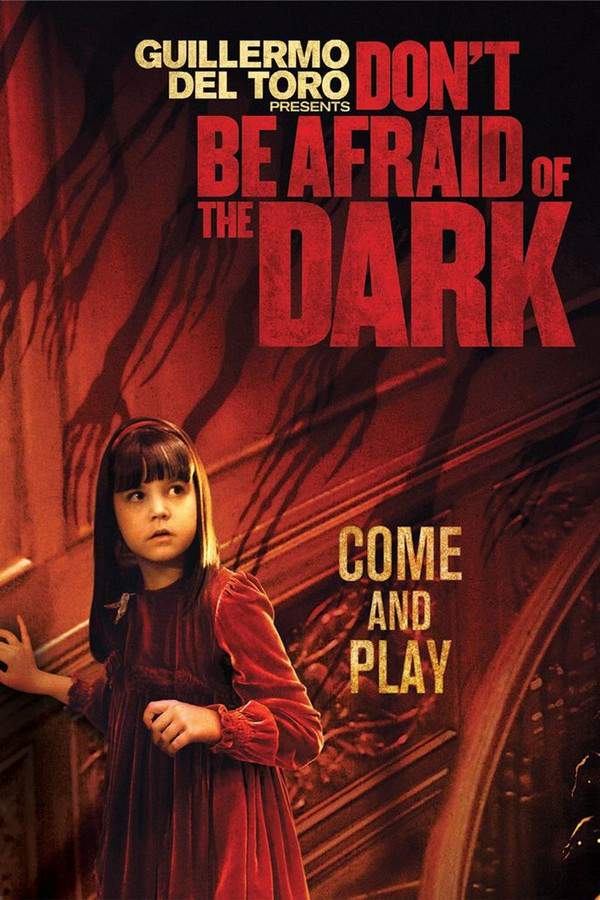
Don't Be Afraid of the Dark
1973

Following
2024
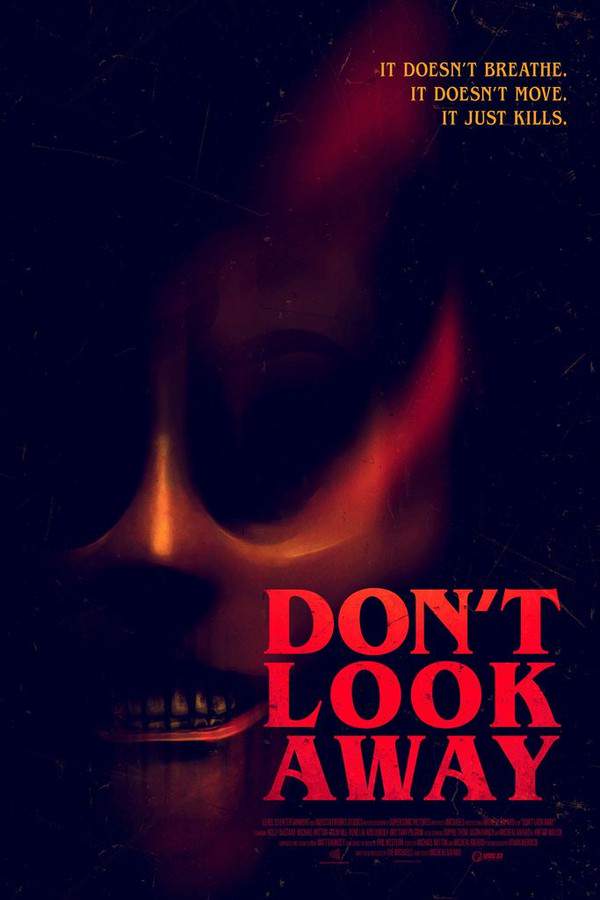
Don't Look Away
2023
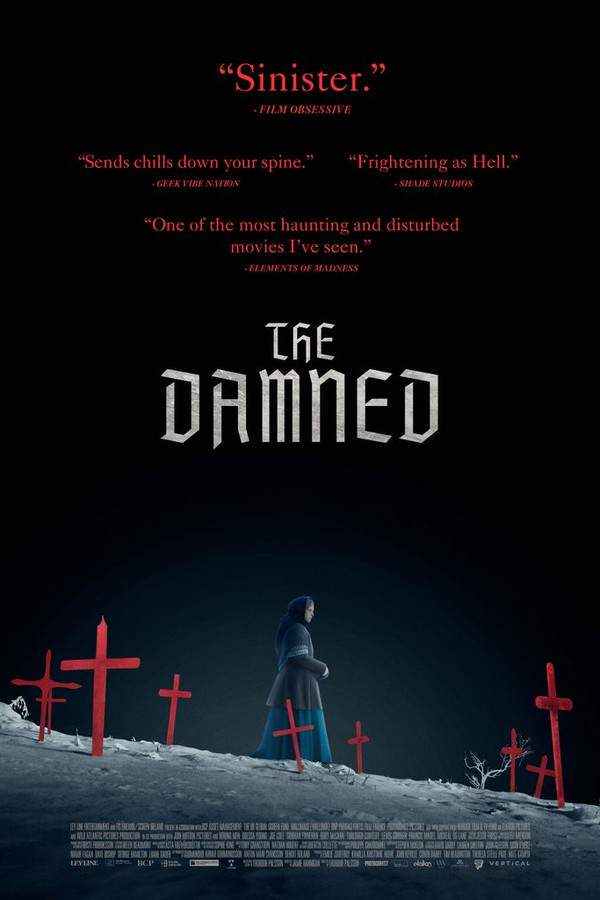
The Damned
2025

Fear in the Night
1972

The Terror
1963

The Evil Within
2017
Narrative Summary
Stories in this thread unfold with a deliberate pace, prioritizing psychological unease over explosive events. They often rely on an unreliable perspective or a fractured timeline to deepen the sense of fatalism. The conflict is internal and interpersonal, with the true horror lying in the gradual realization that a terrible outcome is unavoidable.
Why These Movies?
These films are grouped by their shared approach to pacing and mood. They all feature a steady, often slow, narrative rhythm that allows tension and dread to simmer and intensify. The experience is defined by a feeling of powerlessness and the anxious anticipation of a bleak climax, creating a uniquely oppressive vibe.
Unlock the Full Story of We Need to Talk About Kevin
Don't stop at just watching - explore We Need to Talk About Kevin in full detail. From the complete plot summary and scene-by-scene timeline to character breakdowns, thematic analysis, and a deep dive into the ending - every page helps you truly understand what We Need to Talk About Kevin is all about. Plus, discover what's next after the movie.
We Need to Talk About Kevin Summary
Read a complete plot summary of We Need to Talk About Kevin, including all key story points, character arcs, and turning points. This in-depth recap is ideal for understanding the narrative structure or reviewing what happened in the movie.

We Need to Talk About Kevin Timeline
Track the full timeline of We Need to Talk About Kevin with every major event arranged chronologically. Perfect for decoding non-linear storytelling, flashbacks, or parallel narratives with a clear scene-by-scene breakdown.


