Plot Explained Spoilers guaranteed!
Plot Explained

Browse by genre

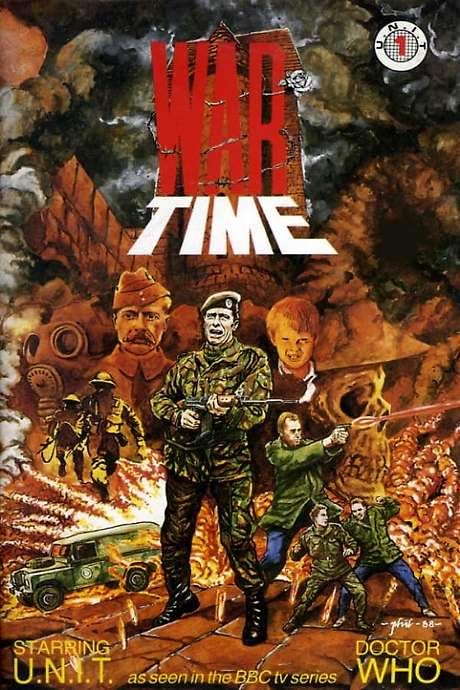
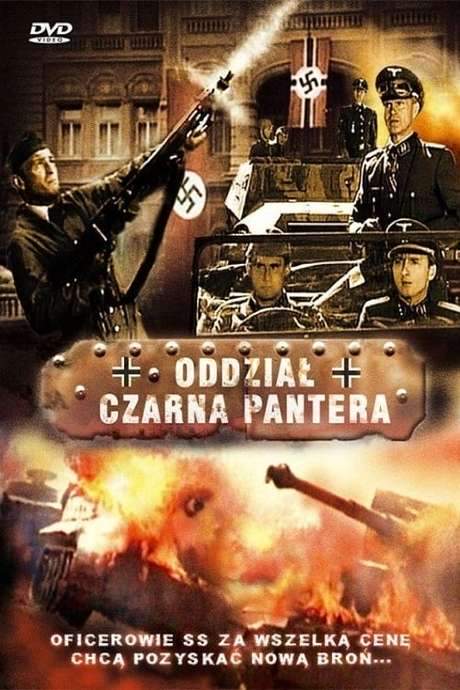
Wartime (1987) movie poster

Plot Summary

Wartime (1987) Plot Summary Explained

Release, runtime and language
1987 · 85 mins · Italian
Directed by
Umberto Lenzi
Starring
Peter Hooten, Demeter Bitenc, Mladen Nelević, Ljiljana Blagojević, Boris Dvornik, Rade Čolović

Set in occupied Eastern Europe during World II, the Nazis capture a Swedish scientist whose expertise could enable them to build weapons of mass destruction. A determined group of local resistance fighters plan a daring rescue, enlisting two American pilots. As Nazi patrols tighten their grip, the rebels race against time to free the scientist before the deadly project is completed.

On this page (6)
  1. 1 Where to watch
  2. 2 What happens: full plot
  3. 3 Plot questions answered
  4. 4 Movie threads
  5. 5 Movies like Wartime
  6. 6 Every angle

Where to watch

Where to Watch Wartime (1987)

Where can you watch Wartime? Stream, rent or buy it in the US, including on Amazon Video: current JustWatch availability with up-to-date prices.

Streaming availability powered by JustWatch

Full plot summary · contains spoilers

What Happens in Wartime: Full Plot Summary

The whole story of Wartime (1987) explained, from the opening scene to the final frame: every key event, every twist and what it all adds up to. Read it as a quick recap before the sequel, to check a scene you missed, or to finally understand what really happened.

On his way to UNIT H.Q. by Land Rover to deliver a radioactive source, Warrant Officer John Benton is pulled into a thread of unsettling memories from his childhood in Lancashire. The mission opens with a quiet tension as Benton stops at the grave of his older brother, Chris, and is then drawn back to a vivid recollection from 1944. When contact with UNIT proves unreliable, Benton senses danger nearby. He orders his driver, Private Willis, to stay with the vehicle and have it repaired while he moves forward to investigate the forested path ahead. Unseen by the two men, a stranger lurks in the trees, intent on stealing the dangerous cargo.

As Benton threads through the woods, his memory work intensifies, blending the present danger with the long-buried guilt from his past. The childhood incident that haunts him centers on a game of chase where Chris slips from a wall and falls to his death. Benton carries the weight of that moment, convinced that he could have prevented it. The haunting is intensified by a spectral figure that takes the form of Benton’s father, a wartime army sergeant who was killed in action. The ghost questions Benton’s worthiness and strength, whispering that he is not built to survive the rigors of service.

The tension in the narrative grows as Benton struggles to keep the danger in the woods at bay while also contending with the psychological assault of the vision. The specter’s taunts begin to lose their grip as Benton confronts the truth he has been dodging: the brother’s death was an accident, and his own actions at the time were aimed at saving Chris rather than condemning them both. This realization anchors Benton, allowing him to reclaim his focus and resolve.

Returning to the Land Rover, Benton channels the renewed clarity into action. He confronts the intruder—a stranger intent on seizing the radioactive material—and manages to subdue him, securing both the safety of the cargo and the immediate mission. With the threat contained, Benton and Willis escort the prisoner away from the woods and resume their journey toward UNIT H.Q., the forest calming as the danger recedes into the background.

Throughout these events, the disembodied voice of Benton’s father lingers, now sounding more like a quiet, final examination than a haunting. It declares that the game is over, signaling both the end of Benton’s inner struggle and the successful completion of the external task. The story remains a careful balance of tangible danger and inner conflict, where professional duty intersects with personal memory, and where endurance and self-awareness prove as crucial as skill in handling a dangerous payload under pressure. The result is a measured, tense journey that respects the stakes of the mission while revealing the resilience that carries a seasoned officer through the shadows of his past.

Last updated: March 05, 2026 at 18:39

Was this helpful?

Plot questions answered

Wartime Plot Explained: Your Questions Answered

The questions people ask most about Wartime (1987): what happens in the confusing scenes, why the characters do what they do, the twists, hidden details and what the ending means. Each answer contains spoilers.

Q1

Why does Benton feel guilty about his brother's death?

Benton carries deep guilt because he believes he could have prevented his older brother Chris's death in 1944. During a game of chase, Chris slipped from a wall and fell to his death, and Benton has spent decades convinced that his own actions somehow caused or failed to prevent the accident.

Foreshadowing: Earlier in the journey, Benton stops at Chris's grave in Lancashire, establishing the weight of this loss before the full memory emerges.

  • benton
  • chris
  • guilt
  • brother
  • death
  • 1944
  • flashback
Q2

What is the ghostly figure appearing to Benton in the woods?

The ghostly figure is a manifestation of Benton's father, who was a wartime army sergeant killed in action. The spectral father appears in the woods to torment Benton, questioning his worthiness and strength, essentially challenging whether he is fit to survive military service.

Foreshadowing: The presence of the ghost intensifies as Benton moves deeper into the wooded path, blending present danger with past trauma.

  • ghost
  • father
  • spirit
  • woods
  • torment
  • army sergeant
Q3

How does Benton overcome his psychological trauma?

Benton overcomes his trauma by confronting the truth he has been avoiding: that his brother's death was a tragic accident, not his fault. He realizes his younger self was actually trying to save Chris during the chase, not condemning him. This realization breaks the ghost's hold over him and restores his mental clarity.

Foreshadowing: The ghost's taunts lose their power as Benton stops resisting the painful memory and accepts what actually happened.

  • trauma
  • confrontation
  • truth
  • acceptance
  • brother
  • death
  • accident
Q4

Who is the stranger trying to steal the radioactive source?

The stranger is a mysterious intruder lurking in the woods with the intent of seizing the dangerous radioactive cargo Benton is transporting. The summary does not reveal the stranger's identity or affiliation, only that Benton subdues him and secures him as a prisoner before resuming the mission.

Foreshadowing: The tension builds as Benton senses danger nearby and investigates the forested path ahead, unaware of the intruder's precise identity.

  • stranger
  • intruder
  • woods
  • radioactive
  • source
  • steal
  • cargo
Q5

What triggers Benton's flashback during the mission?

Benton's flashback is triggered as he travels along the road to UNIT H.Q. While driving the Land Rover with the radioactive payload, he is unexpectedly pulled into unsettling memories from his Lancashire childhood. The journey itself, combined with the dangerous nature of the mission, appears to unlock the suppressed trauma.

Foreshadowing: The mission's tension mingles with unresolved personal guilt as Benton begins his journey.

  • flashback
  • memories
  • childhood
  • lancashire
  • mission
  • radioactive
Q6

Why does Benton's father ghost say the game is over?

The father's ghostly declaration that "the game is over" signifies both the end of Benton's psychological ordeal and the successful completion of his external mission. With Benton having finally accepted the truth about his brother's death, the supernatural torment ceases, and the ghost's final words provide closure to the spectral trial.

Foreshadowing: This statement comes after Benton regains control of his mind and subdues the physical threat in the woods.

  • father
  • ghost
  • game over
  • closure
  • mission
  • ordeal
Q7

What happened in the 1944 childhood incident?

In 1944, during a game of chase between Benton and his older brother Chris, Chris slipped from a wall and fell to his death. The traumatic event left Benton with lasting guilt, convinced he bears responsibility for failing to protect his brother, a belief that haunted him into his adult military service.

Foreshadowing: Benton's visit to Chris's grave in Lancashire foreshadows the painful memory that will surface during his mission.

  • 1944
  • chase
  • wall
  • fall
  • death
  • brother
  • childhood
Q8

Why is Benton transporting radioactive material?

Benton is transporting a radioactive source to UNIT H.Q. as part of a military operation. The dangerous cargo requires careful handling and protection, which is why Benton's mission involves both physical security and urgency, especially as a stranger attempts to steal the material during transit.

Foreshadowing: The mission's importance is established early, with Benton focused on delivering the payload despite the personal toll the journey takes on him.

  • radioactive
  • source
  • transport
  • unit
  • mission
  • land rover
  • cargo
Q9

How does Benton subdue the intruder in the woods?

After breaking free from the ghost's psychological torment, Benton returns to the Land Rover with renewed clarity and resolve. He confronts the mystery man who was attempting to seize the radioactive material and manages to subdue him, securing both the cargo and the prisoner before resuming the journey to UNIT H.Q.

Foreshadowing: The confrontation occurs in a forest clearing after Benton has psychologically renewed himself.

  • intrudder
  • subdue
  • woods
  • forest
  • cargo
  • radioactive
  • prisoner
Q10

What is UNIT in the movie?

UNIT is the military headquarters that Benton is delivering the radioactive source to. The organization appears to be a specialized military or scientific unit responsible for handling dangerous materials, as Benton's mission involves transporting a radioactive payload under high security.

Foreshadowing: Contact with UNIT proves unreliable during the mission, adding to the tension and isolation Benton experiences.

  • unit
  • military
  • headquarters
  • radioactive
  • transport
  • mission

Movie threads

More Movies Like Wartime, by Mood & Story

Curated lists built around what makes Wartime tick: the same mood, the same kind of story or the same emotional payoff. Each list explains why these movies belong together.

Wartime Redemption Stories like in Wartime

Soldiers haunted by the past find hope through confronting painful memories. For viewers who enjoyed the melancholic and redemptive tone of Wartime. This list features movies like Wartime that combine the tension of war with psychological depth and a journey toward personal reconciliation.

  • wartime
  • psychological
  • redemptive
  • melancholic
  • introspective
  • somber
  • Tone: melancholic, reflective, redemptive
  • Pacing: slow, deliberate
Why these movies?

The story pattern: Narratives in this thread follow characters, often soldiers or resistance fighters, who are burdened by a traumatic past—such as survivor's guilt or childhood trauma—that manifests as a psychological weight. The plot involves a mission or external goal, but the true journey is an internal one, where confronting these ghosts of the past is key to achieving a redemptive and hopeful ending.

Why they belong together: These films are grouped together because they share a unique mix of a wartime setting with a slow, introspective pace and a melancholic tone. The emotional core is a character's psychological struggle, which ultimately finds resolution, creating a specific bittersweet but uplifting viewing experience.

Slow-Burn Psychological Dramas like Wartime

A quiet, creeping dread where the mind is the true battlefield. If you liked the slow, haunting psychological tension in Wartime, explore these films with a similar pace and mood. These movies prioritize internal conflict and a somber, reflective atmosphere over fast-paced action.

  • slow burn
  • psychological
  • somber
  • haunting
  • introspective
  • reflective
  • Tone: somber, haunting, psychological
  • Pacing: slow burn, reflective
Why these movies?

The story pattern: Stories in this thread unfold at a deliberate pace, prioritizing character introspection over rapid plot twists. The primary antagonist is often a memory, a trauma, or a supernatural manifestation of guilt. The narrative follows a character's journey as they are forced to confront these psychological shadows, with the resolution coming from emotional acceptance rather than physical victory.

Why they belong together: These movies share a specific cinematic feel defined by a slow pace, a melancholic or somber tone, and a focus on psychological themes. The experience is less about external thrills and more about a deep, resonant exploration of a character's internal world under duress.

If you liked this

Movies Like Wartime

Similar movies to Wartime: the same genre, themes or kind of story. Each one comes with its own plot summary, timeline and ending explained.

Browse all movie summaries

Every angle

Wartime (1987) Explained: Plot, Timeline & Characters

Everything about Wartime in one place: what happens in the plot summary, the timeline in chronological order, the characters and meaning and a spoiler-free summary. What's After the Movie adds the cast, box office and post-credit scenes.

Coming soon on iOS and Android

The Plot Explained Movie Summary App

Plot summaries, endings explained and timelines on your phone. Catch up on any movie in minutes, save your favorites and never miss a twist again.

Be the first to know when we launch. Your email stays private, always.

Learn more about the app