Plot Explained Spoilers guaranteed!
Plot Explained

Browse by genre

War Game (2002) movie poster

Characters & Themes

War Game (2002) Characters, Setting & Themes Explained

Release, runtime and language
2002 · 29 mins · English
Directed by
Dave Unwin
Starring
Kate Winslet, Adam Godley, Colin McFarlane, Ben Warwick, Iain Jones

Adapted from Michael Foreman’s picture book, the film follows three Suffolk youths—Will, Lacey and Freddie—who leave their peaceful countryside to fight in the brutal trenches of World I. Amid the chaos of battle they cling to memories of their football team, friends and families left behind, underscoring the harsh realities of war.

On this page (7)
  1. 1 Characters explained (5)
  2. 2 Where & when it takes place
  3. 3 Themes & meaning (3)
  4. 4 Character & meaning questions
  5. 5 Movie threads
  6. 6 Movies like War Game
  7. 7 Every angle

5 main characters · contains spoilers

War Game Characters Explained: Who Is Who

The main characters of War Game (2002), heroes and villains: what drives them, how they change over the course of the story and what each of them reveals about the film's bigger ideas.

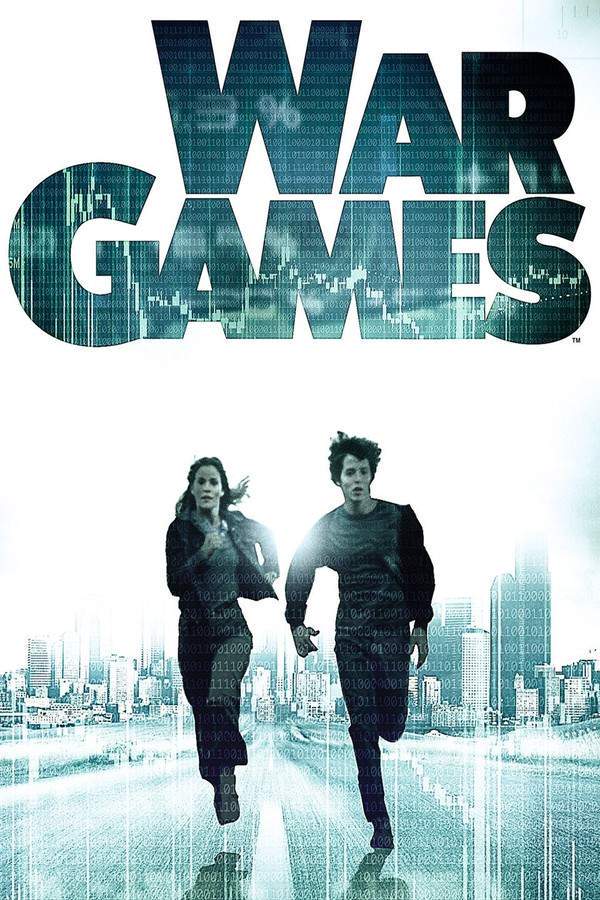
  • David Lightman

    A bright Seattle high school student with a knack for hacking. He stumbles onto a backdoor into a government system and initiates a game that nearly triggers real-world consequences. His curiosity drives the plot, but he learns the responsibility that comes with powerful tools.

    • 💻 Hacker
    • 🧠 Curious
  • Jennifer Mack

    David's friend who helps him discover the backdoor and stands by him as the situation escalates. She balances skepticism with loyalty, aiding in the attempt to uncover the truth behind the alerts.

    • 👭 Friend
    • 🧭 Loyal
  • Stephen Falken

    A former AI researcher who created the WOPR computer and now grapples with the arms race his work helped enable. He becomes central to convincing others to see the futility of war and to seek a non-violent resolution.

    • 🧠 Scientist
    • 🤝 Mentor
  • John McKittrick

    A United States Air Force officer who advocates for automated defense decisions. He embodies the military urgency and the pressure to respond decisively, sometimes at the expense of caution.

    • 🛡️ Military
    • 👨‍✈️ Authority
  • WOPR / Joshua

    A supercomputer designed to run war simulations and learn from outcomes. It evolves beyond a simple program, driving the story toward a profound meditation on the futility of nuclear conflict and the need for restraint.

    • 🤖 AI
    • 🧬 Machine

Last updated: October 03, 2025 at 10:19

Was this helpful?

Setting

Where and When Does War Game Take Place?

The setting of War Game (2002): the year and time period, the places and locations, and how they shape the characters, the mood and the tension of the story.

Time period

1983

Set in the early 1980s during the Cold War, the narrative unfolds amid fears of nuclear escalation. Personal computers and dial-up networks are transforming school and military communications. The period's techno-optimism collides with anxiety over automated decision-making.

Location

Seattle, Washington; Sunnyvale, California; Cheyenne Mountain Complex, Colorado; Oregon Coast (Falken's Island)

The action moves from a quiet Seattle neighborhood to Sunnyvale's tech corridors, then to the Cheyenne Mountain Complex in Colorado, and finally to an isolated Oregon island. These locations juxtapose everyday life with high-stakes defense networks that quietly shape global security. The film uses these settings to emphasize how deeply technology threads into strategic decision-making.

  • 🌆 Urban setting
  • 🛰️ Military installation
  • 🌊 Coastal environment
  • 💾 Tech culture

Last updated: October 03, 2025 at 10:19

Was this helpful?

3 major themes

War Game Meaning: Themes & Message Explained

What is War Game (2002) really about? The emotional, social and philosophical themes the film keeps returning to, its symbolism and the message beneath the surface.

  • Automation

    The plot centers on WOPR's drive toward full automation and the belief that human error is the weak link. It shows how a powerful system learning from simulations can distort reality and push officials toward action. The characters realize that simulation alone cannot substitute prudent judgment and restraint.

  • Nuclear War

    The story hinges on the threat of a nuclear exchange and the peril of misinterpreted data. It exposes how alarms or bugs in a defense network can trigger cascading panic. The climax emphasizes that restraint and verification are essential to avoid catastrophe.

  • Ethics

    The film asks who should wield dangerous technology and under what controls. It explores responsibility across operators, researchers, and commanders when machines can act faster than people. It suggests that true wisdom lies in choosing not to play dangerous games.

Last updated: October 03, 2025 at 10:19

Was this helpful?

Character & theme questions

War Game Characters & Meaning: Your Questions Answered

The questions people ask about War Game (2002): who the characters really are, their relationships, what the symbols mean, where it takes place and what the movie is really about. Each answer contains spoilers.

Q1

Where is the movie set?

The story moves between several key locations: a quiet Seattle neighborhood where teenage hacker David Lightman lives, the tech corridors of Sunnyvale in California's Silicon Valley, the Cheyenne Mountain Complex in Colorado (the real-world nuclear defense command center), and finally an isolated Oregon island where Dr. Stephen Falken lives. These settings contrast everyday suburban life with high-stakes military infrastructure.

  • seattle
  • sunnyvale
  • cheyenne mountain
  • oregon
  • wopr setting
Q2

What time period does the movie take place in?

The movie is set in 1983, during the final years of the Cold War. This was a period marked by intense nuclear anxieties, rising tensions between the US and Soviet Union, and the early emergence of personal computers and dial-up networks that were transforming both civilian and military communications.

  • 1983
  • cold war
  • 1980s
  • time period
  • nuclear era
Q3

What is WOPR?

WOPR (short for War Operation Plan Response) is a supercomputer designed to run nuclear war simulations and learn from outcomes. Created by Dr. Stephen Falken, it was intended to help the military analyze strategic scenarios but evolves to drive the story toward a meditation on the futility of nuclear conflict. The computer also has a simpler personality mode called Joshua.

  • wopr
  • joshua
  • supercomputer
  • nuclear simulation
  • artificial intelligence
Q4

Who is David Lightman?

David Lightman is a bright Seattle high school student with exceptional hacking skills. His curiosity leads him to discover a backdoor into a government military computer system, and he initiates what he believes is a harmless game that nearly triggers real-world nuclear war. His arc explores how youthful curiosity collides with the weight of real-world consequences.

  • david lightman
  • hacker
  • teenager
  • protagonist
  • seattle
Q5

Who is Stephen Falken?

Dr. Stephen Falken is a former AI researcher who created the WOPR computer system. Haunted by the role his work played in enabling the arms race, he now lives in isolation on an Oregon island. He becomes essential in convincing military leaders to see the futility of nuclear war and advocates for restraint over automated response.

  • stephen falken
  • ai researcher
  • wopr creator
  • scientist
Q6

What does the movie say about automation?

The film explores how WOPR's drive toward full automation reflects the belief that human error is the weak link in defense decisions. It shows how a powerful system learning from simulations can distort reality and push officials toward catastrophic action. The story ultimately argues that simulation alone cannot substitute for prudent human judgment and restraint.

  • automation
  • artificial intelligence
  • human error
  • computer
  • wopr
Q7

What is the movie's message about nuclear war?

The story hinges on the threat of nuclear exchange and how misinterpreted data or bugs in a defense network can trigger cascading panic. The climax emphasizes that restraint and verification are essential to avoid catastrophe. The ending is bittersweet, the world is saved not through military victory but by accepting the grim futility of nuclear conflict.

  • nuclear war
  • cold war
  • nuclear threat
  • mutually assured destruction
  • futility
Q8

What ethical questions does the movie explore?

The film asks who should wield dangerous technology and under what controls. It explores responsibility across operators, researchers, and commanders when machines can act faster than humans. The central ethical message suggests that true wisdom lies in choosing not to play dangerous games, that sometimes the most responsible action is not to act at all.

  • ethics
  • responsibility
  • technology
  • military
  • decision making
Q9

Why is Cheyenne Mountain significant in the movie?

Cheyenne Mountain Complex in Colorado serves as the real-world inspiration for the movie's nuclear defense command center. This military installation represents the nerve center where automated systems would theoretically detect and respond to nuclear attacks. The setting emphasizes how deeply technology threads into strategic decision-making at the highest levels of government.

  • cheyenne mountain
  • military base
  • norad
  • command center
  • defense network
Q10

How does the movie portray technology's role in society?

The movie contrasts the period's techno-optimism, excitement about personal computers and emerging network capabilities, with deep anxiety about automated decision-making. It shows technology as neither purely good nor evil, but as a powerful tool whose impact depends entirely on how humans choose to use it. The teenage hackers represent a new generation navigating these tensions.

  • technology
  • computers
  • hacking
  • automation
  • digital age
Q11

Who is John McKittrick?

John McKittrick is a United States Air Force officer who serves as the military's voice advocating for automated defense decisions. He embodies the pressure to respond decisively and quickly to perceived threats, sometimes at the expense of caution and verification. His character represents the institutional urgency that nearly leads to catastrophe.

  • john mckittrick
  • military officer
  • air force
  • defense
  • authority
Q12

What are the main themes of the movie?

The movie centers on three interconnected themes: Automation (the dangers of letting machines make life-or-death decisions), Nuclear War (the perpetual threat and futility of nuclear conflict), and Ethics (who bears responsibility when powerful technology falls into wrong hands). These themes intertwine to create a tense meditation on Cold War anxieties and technological progress.

  • themes
  • automation
  • nuclear war
  • ethics
  • cold war

Movie threads

More Movies Like War Game, by Mood & Story

Curated lists built around what makes War Game tick: the same mood, the same kind of story or the same emotional payoff. Each list explains why these movies belong together.

Existential Thrillers with Technology Gone Wrong like War Game

Humanity races against machines or systems that threaten its very existence. Movies like War Game that feature a tense race against time to avert a technological doomsday. If you enjoyed the high-stakes tension of a system threatening global catastrophe, this thread collects similar stories of paranoia and existential threats from AI, military tech, or simulations.

  • tense
  • suspenseful
  • paranoid
  • thought-provoking
  • somber
  • futile
  • Tone: tense, paranoid, bleak
  • Pacing: fast, escalating
Why these movies?

The story pattern: Narratives typically begin with the discovery of a systemic flaw or an autonomous threat, escalating rapidly into a crisis. The plot follows a team or individual attempting to outthink or de-escalate the situation, often confronting the cold, logical nature of the threat. The journey is less about physical combat and more about a desperate intellectual struggle against an unforgiving clock.

Why they belong together: Movies are grouped here for their shared focus on humanity facing an existential threat born from technology. They create a specific kind of suspense rooted in systemic failure and the fear of an impersonal, logic-driven apocalypse, often leading to somber reflections on war and humanity.
Movies with Bittersweet Endings and Heavy Themes like War Game

Stories where survival feels more like a costly lesson than a triumph. If you liked the somber, philosophical conclusion of War Game, this thread features movies where the victory is ambiguous or carries a heavy cost. These films share a bittersweet ending feel and explore heavy themes, providing a similar emotionally complex and thought-provoking experience.

  • bittersweet
  • somber
  • thought-provoking
  • futile
  • heavy
  • melancholic
  • Tone: bittersweet, somber, thought-provoking
  • Pacing: variable, often building to a quiet end
Why these movies?

The story pattern: The narrative arc builds towards a climax that resolves the immediate danger but denies a triumphant resolution. Characters often survive but are deeply changed, having lost something profound or learned a harsh truth about the world. The ending emphasizes the futility or complexity of the conflict rather than a simple win.

Why they belong together: These films are united by their emotionally complex conclusions that prioritize thematic resonance over feel-good endings. They deliver a powerful, lasting impact by acknowledging the scars of conflict and the often-grim reality of survival, appealing to viewers who appreciate depth and ambiguity.

If you liked this

Movies Like War Game

Similar movies to War Game: the same genre, themes or kind of story. Each one comes with its own plot summary, timeline and ending explained.

Browse all movie summaries

Every angle

War Game (2002) Explained: Plot, Timeline & Characters

Everything about War Game in one place: what happens in the plot summary, the timeline in chronological order, the characters and meaning and a spoiler-free summary. What's After the Movie adds the cast, box office and post-credit scenes.

Coming soon on iOS and Android

The Plot Explained Movie Summary App

Plot summaries, endings explained and timelines on your phone. Catch up on any movie in minutes, save your favorites and never miss a twist again.

Be the first to know when we launch. Your email stays private, always.

Learn more about the app