Plot Explained Spoilers guaranteed!
Plot Explained

Browse by genre

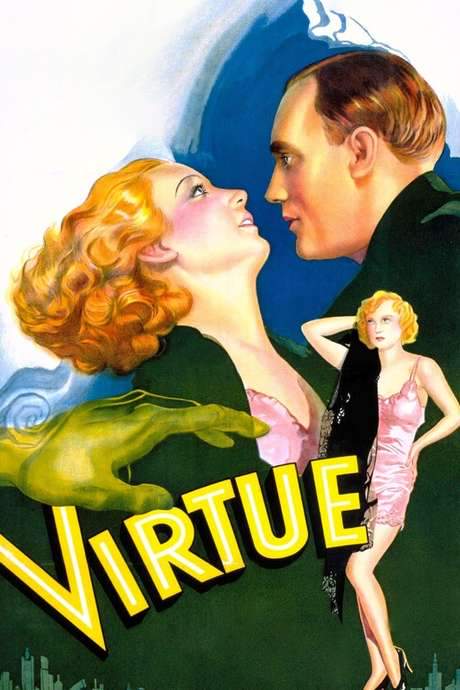
Virtue (1932) movie poster

Characters & Themes

Virtue (1932) Characters, Setting & Themes Explained

Release, runtime and language
1932 · 68 mins · English
Directed by
Edward Buzzell
Starring
Ward Bond, Pat O'Brien, Carole Lombard, Jack La Rue, Willard Robertson, Edward LeSaint

After a prostitution arrest, Mae vows to go straight. Cab driver Jimmy Doyle gets her a diner job, where she meets former prostitute Gert. Mae and Jimmy fall in love, marry, and save to buy a small business. When Gert asks Mae for money, Mae unwittingly becomes involved in a crime, prompting Jimmy to suspect betrayal and threaten to leave.

On this page (7)
  1. 1 Characters explained (5)
  2. 2 Where & when it takes place
  3. 3 Themes & meaning (3)
  4. 4 Character & meaning questions
  5. 5 Movie threads
  6. 6 Movies like Virtue
  7. 7 Every angle

5 main characters · contains spoilers

Virtue Characters Explained: Who Is Who

The main characters of Virtue (1932), heroes and villains: what drives them, how they change over the course of the story and what each of them reveals about the film's bigger ideas.

  • Mae (Carole Lombard)

    A New York City streetwalker who seeks honest work after being told to leave the city. She is resourceful and driven by a desire to escape her past, yet vulnerable to financial pressures and loyalty to friends. Her choice between love, survival, and reform drives the plot as she confronts mistrust and social judgment.

    • 💃 Protagonist
    • 🕊️ Redemption
    • 🌆 City Life
  • Jimmy Doyle (Pat O'Brien)

    A practical, protective man who wants Mae to reform but loves her in spite of her past. He saves money to pursue a legitimate future in business while weighing the costs of trust and commitment. His conditional stance creates moral tension that tests their marriage.

    • 🛡️ Protector
    • 💼 Reformist
    • 🎭 Drama
  • Gert Hanlon (Shirley Grey)

    A fellow ex-prostitute who reappears in Mae's life, using her knowledge of Mae's past to manipulate money. She is dangerous and self-serving, yet also a reminder of the world Mae tries to leave behind. Her fate underscores the film's moral stakes.

    • 👩‍🎤 Ex-prostitute
    • 🕳️ Manipulation
    • 💔 Tragedy
  • Lil Blaine (Mayo Methot)

    Lil Blaine acts as a confidante to criminals and aids her pimp, with an uneasy allegiance to Mae. She later helps Toots by providing an alibi, but ultimately betrays him by telling the truth to the DA. Her presence shows the difficult choices women face when surviving in a corrupt environment.

    • 🕵️ Alibi
    • 💰 Survival
    • 🤝 Female complicity
  • Toots O'Neil (Jack La Rue)

    A petty criminal who kills Gert in pursuit of money and power. He hides the body and relies on others for cover, then faces arrest as the truth surfaces. His actions propel the investigation and expose the fragility of deceit.

    • 🕹️ Criminal
    • 🗡️ Violence
    • 🧭 Betrayal

Last updated: October 04, 2025 at 17:19

Was this helpful?

Setting

Where and When Does Virtue Take Place?

The setting of Virtue (1932): the year and time period, the places and locations, and how they shape the characters, the mood and the tension of the story.

Time period

Early 1930s

The events unfold during the early 1930s, a period of economic strain and strict social mores in urban America. Prostitution, policing, and graft color the era, shaping Mae's choices and the consequences she faces. The period texture provides a backdrop for moral testing and the dream of respectable work.

Location

New York City, Suburban station area

Mae begins her story in New York City, a dense urban backdrop that fuels her survival on the streets. The action shifts to a quieter suburban station where a chance at normal life seems possible. The contrast between crowded city anonymity and the quieter edge of town heightens the tension as crime encroaches on ordinary lives.

  • 🏙️ Urban City
  • 🚦 Street life
  • 🗽 Prohibition era

Last updated: October 04, 2025 at 17:19

Was this helpful?

3 major themes

Virtue Meaning: Themes & Message Explained

What is Virtue (1932) really about? The emotional, social and philosophical themes the film keeps returning to, its symbolism and the message beneath the surface.

  • Redemption

    Mae attempts to leave her past behind and seek honest work, challenging both personal loyalty and social judgment. Jimmy's conditional love anchors the moral tension, forcing Mae to weigh affection against reform. The plot tracks whether genuine change is possible within a society that watches a woman's history. The resolution suggests redemption is attainable, yet earned through struggle.

  • Crime & Consequences

    Lies, theft, and a murder drive the narrative, testing Mae, Jimmy, and their allies. Accusations and alibis collide with law enforcement, revealing how reputation can determine guilt or innocence. The DA and the police operate as gatekeepers of justice, especially for a woman with a checkered past. The story emphasizes that actions have real consequences, regardless of intent.

  • Female Agency

    Mae's struggle to redefine herself places female agency at the center of the drama. She negotiates care, loyalty, and love while facing societal stigma and economic pressure. Lil and Gert complicate moral lines, showing how women navigate risk and reciprocity in a male-dominated world. The ending portrays a nuanced sense of autonomy within the era's constraints.

Last updated: October 04, 2025 at 17:19

Was this helpful?

Character & theme questions

Virtue Characters & Meaning: Your Questions Answered

The questions people ask about Virtue (1932): who the characters really are, their relationships, what the symbols mean, where it takes place and what the movie is really about. Each answer contains spoilers.

Q1

Where is the movie set?

The story unfolds primarily in New York City, beginning on the urban streets where Mae works as a streetwalker. The action then shifts to a quieter suburban station area, representing the possibility of a new life outside the city. This contrast between crowded city anonymity and a more tranquil setting underscores the tension between Mae's criminal past and her aspirations for respectability.

  • new york city
  • urban setting
  • suburban
  • locations
  • 1930s city
Q2

What time period does the film depict?

Virtue is set in the early 1930s, during the Prohibition era in America. This period was marked by economic hardship from the Great Depression, strict social mores, and widespread organized crime. The era's atmosphere of moral judgment and financial desperation shapes the characters' choices and the consequences they face.

  • 1930s
  • prohibition era
  • early 1930s
  • historical context
Q3

What does the movie say about redemption?

The film explores whether genuine redemption is possible for someone with a troubled past. Mae's journey from prostitute to honest worker represents her attempt to redefine herself, but she faces constant scrutiny due to her history. The ending suggests redemption is attainable, though it must be earned through struggle and proves elusive without sacrifice.

  • redemption
  • reform
  • second chance
  • moral change
  • personal transformation
Q4

How does the film portray female agency?

Virtue places female agency at its center through Mae's struggle to redefine herself despite societal stigma and economic pressure. Characters like Lil and Gert complicate moral lines, showing how women navigate risk and reciprocity in a male-dominated world. The ending portrays a nuanced sense of autonomy within the era's constraints, highlighting the difficult choices women face when surviving in a corrupt environment.

  • female agency
  • women
  • autonomy
  • gender
  • societal judgment
Q5

What role does crime play in the story?

Crime and its consequences drive the narrative through lies, theft, and murder that test all the characters. The story emphasizes that actions have real consequences regardless of intent. The DA and police act as gatekeepers of justice, particularly for someone with Mae's checkered past, showing how reputation can determine guilt or innocence in the eyes of society.

  • crime
  • consequences
  • justice
  • murder
  • investigation
Q6

Who is Mae and what motivates her?

Mae is a New York City streetwalker who seeks to leave her past behind and find honest work after an arrest. She is resourceful and driven by a genuine desire to escape her previous life, yet remains vulnerable to financial pressures and loyalty to friends from her old world. Her central conflict involves choosing between love, survival, and reform while confronting mistrust and social judgment.

  • mae
  • protagonist
  • prostitute
  • reform
  • motivation
Q7

Who is Jimmy Doyle and what is his role?

Jimmy Doyle is a cab driver who helps Mae get a diner job after her arrest. He loves Mae despite her past but conditions his affection on her remaining reformed. He works to save money for a legitimate business future, creating moral tension around trust and commitment in their marriage. His protective yet conditional love anchors the film's central moral question.

  • jimmy doyle
  • love interest
  • cab driver
  • conditional love
  • support
Q8

What is Gert Hanlon's role in the story?

Gert Hanlon is a fellow ex-prostitute who reappears in Mae's life, using her knowledge of Mae's past to manipulate her for money. She represents the dangerous world Mae is trying to escape and serves as a reminder of the past she wishes to leave behind. Her involvement in criminal activity ultimately leads to her death, underscoring the film's moral stakes.

  • gert hanlon
  • antagonist
  • ex-prostitute
  • manipulation
  • danger
Q9

Who is Lil Blaine?

Lil Blaine acts as a confidante to criminals and aids her pimp, maintaining an uneasy allegiance to Mae. She provides an alibi for Toots at one point, demonstrating the complex loyalties among characters in the criminal underworld. However, she ultimately betrays Toots by telling the truth to the DA, illustrating the difficult choices women face when navigating survival in a corrupt environment.

  • lil blaine
  • supporting character
  • alibi
  • betrayal
  • criminal underworld
Q10

Who is Toots O'Neil?

Toots O'Neil is a petty criminal who becomes central to the murder investigation when he kills Gert in pursuit of money and power. He hides Gert's body and relies on others to provide cover for his crimes. His actions propel the investigation forward and expose the fragility of deceit, ultimately leading to his arrest as the truth surfaces.

  • toots oneil
  • criminal
  • murderer
  • investigation
  • arrest
Q11

How does the Prohibition era setting affect the story?

The Prohibition-era setting creates a world where prostitution, policing, and graft are intertwined. The strict social mores of the era make Mae's attempts at reform especially difficult, as her past carries severe stigma. The economic strain of the early 1930s adds pressure, making the dream of respectable work and a small business both urgent and fragile.

  • prohibition
  • social mores
  • stigma
  • economic hardship
  • 1930s america
Q12

What is the central moral conflict in the film?

The central moral tension revolves around whether Mae can truly change and whether society will allow her to do so. Jimmy's conditional love creates a test of trust within their marriage, while external threats from Gert and Toots challenge Mae's commitment to reform. The film questions whether genuine change is possible within a society that vigilantly watches a woman's history.

  • moral conflict
  • trust
  • conditional love
  • reform
  • societal judgment

Movie threads

More Movies Like Virtue, by Mood & Story

Curated lists built around what makes Virtue tick: the same mood, the same kind of story or the same emotional payoff. Each list explains why these movies belong together.

Movies about love tested by the past like Virtue

Romantic unions threatened by secrets and suspicion from a troubled history. If you enjoyed the tension in Virtue as Mae's past jeopardizes her marriage, you'll appreciate these movies. This collection features dramatic love stories where characters must overcome secrets, false accusations, and societal prejudice to prove their loyalty and secure a hard-won future together.

  • romantic
  • anxious
  • suspenseful
  • hopeful
  • gritty
  • melancholic
  • Tone: tense, romantic, anxious
  • Pacing: steady, character-driven
Why these movies?

The story pattern: The narrative typically follows a protagonist trying to build a new, honest life after a difficult past. Just as they find love and stability, a figure or event from their history threatens to destroy everything, leading to a crisis of trust that the couple must navigate to achieve a hopeful, if scarred, resolution.

Why they belong together: These films are grouped together because they share a core dramatic structure where romance is imperiled not by internal conflict, but by external forces stemming from a character's history. They balance romantic hope with sustained tension and often feature a 'happy' ending that feels earned through significant struggle.


Gritty redemption dramas with a tense mood like Virtue

Characters fight for a second chance within a harsh, unforgiving urban landscape. Fans of Virtue's depiction of Mae's struggle to leave prostitution behind will find similar themes here. These movies explore the challenges of seeking a better life, often featuring crime-tinged settings, strong external pressures, and a mood that balances hope with the grim reality of the characters' circumstances.

  • gritty
  • hopeful
  • anxious
  • melancholic
  • suspenseful
  • Tone: gritty, tense, hopeful
  • Pacing: steady, consequential
Why these movies?

The story pattern: The journey involves a protagonist determined to change their life, often after a life of crime or hardship. Their path is fraught with obstacles, including untrustworthy associates, societal prejudice, and the constant temptation to revert to old ways. The narrative builds tension as the character's resolve is tested, culminating in a vindication that is hard-fought and emotionally satisfying.

Why they belong together: Movies in this thread share a central theme of redemption set against a bleak backdrop. They possess a consistent gritty tone, a steady pace that builds consequences, and a medium emotional weight that makes the stakes feel real without being overwhelmingly dark. The focus is on the struggle itself, not just the outcome.

If you liked this

Movies Like Virtue

Similar movies to Virtue: the same genre, themes or kind of story. Each one comes with its own plot summary, timeline and ending explained.

Browse all movie summaries

Every angle

Virtue (1932) Explained: Plot, Timeline & Characters

Everything about Virtue in one place: what happens in the plot summary, the timeline in chronological order, the characters and meaning and a spoiler-free summary. What's After the Movie adds the cast, box office and post-credit scenes.

Coming soon on iOS and Android

The Plot Explained Movie Summary App

Plot summaries, endings explained and timelines on your phone. Catch up on any movie in minutes, save your favorites and never miss a twist again.

Be the first to know when we launch. Your email stays private, always.

Learn more about the app