Plot Explained Spoilers guaranteed!
Plot Explained

Browse by genre

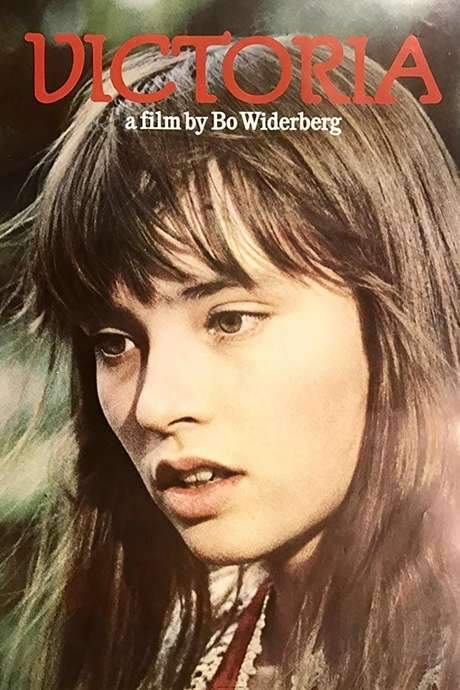
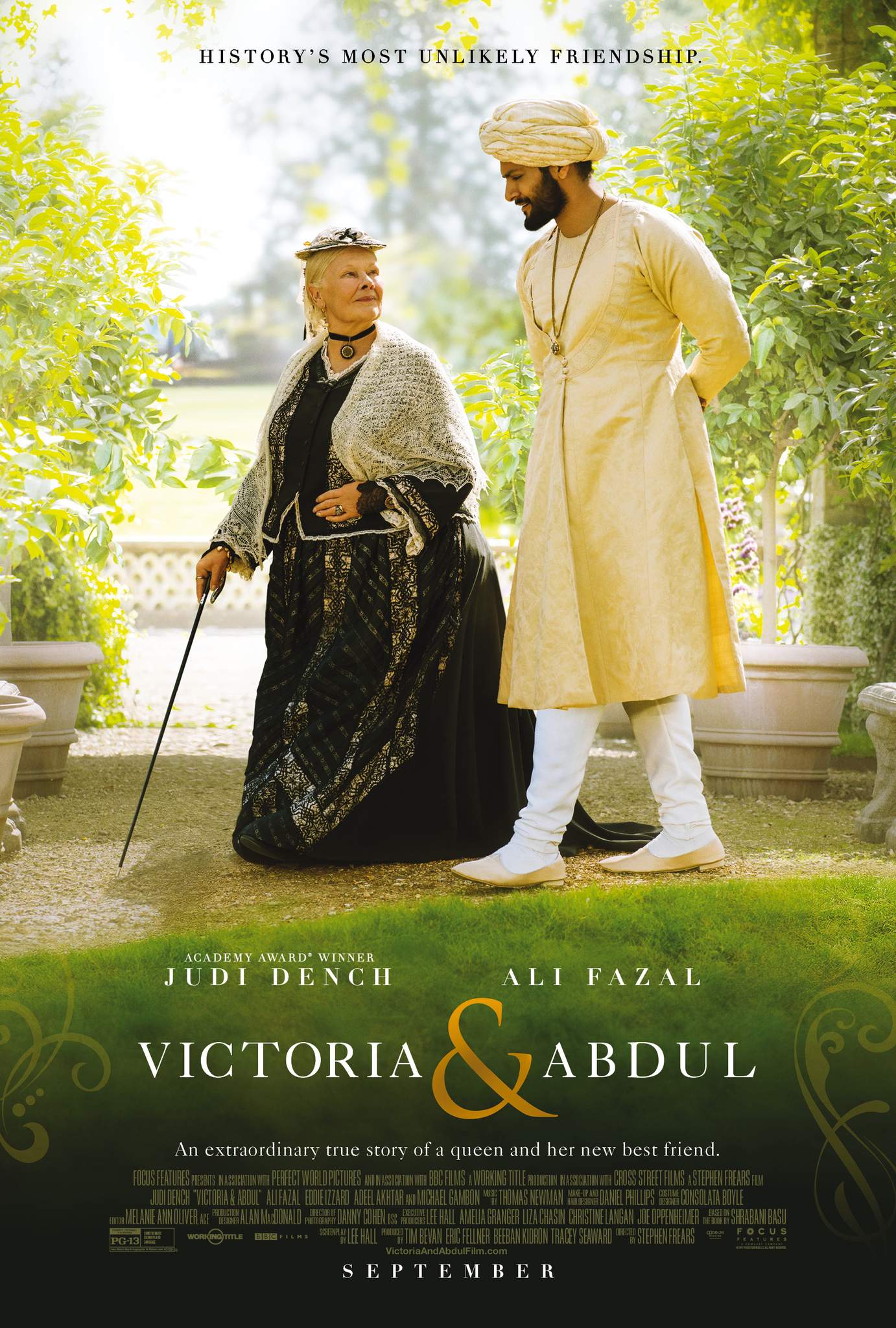
Victoria and Abdul (2017) movie poster

Plot Summary

Victoria and Abdul (2017) Plot Summary Explained

Release, runtime and language
2017 · 111 min
Echo score 78
JustWatch #16,215 10
Directed by
Stephen Frears
Starring
Adeel Akhtar, Olivia Williams, Judi Dench, Michael Gambon, Tim Pigott-Smith, Simon Callow
Budget
$21M

In the later years of her reign, Queen Victoria forges an unlikely friendship with Abdul Karim, a young Indian man who becomes her confidant and teacher. Their bond challenges Victorian-era customs and prejudices, creating controversy within the royal court. Victoria rediscovers a sense of purpose and joy through their connection, leading to significant changes within her household and a deeper understanding of different cultures.

On this page (7)
  1. 1 Where to watch
  2. 2 What happens: full plot
  3. 3 Plot questions answered
  4. 4 The book behind the movie
  5. 5 Movie threads
  6. 6 Movies like Victoria and Abdul
  7. 7 Every angle

Where to watch

Where to Watch Victoria and Abdul (2017)

Where can you watch Victoria and Abdul? Stream, rent or buy it in the US, including on Netflix, Netflix Standard and Amazon Video: current JustWatch availability with up-to-date prices.

Streaming availability powered by JustWatch

Full plot summary · contains spoilers

What Happens in Victoria and Abdul: Full Plot Summary

The whole story of Victoria and Abdul (2017) explained, from the opening scene to the final frame: every key event, every twist and what it all adds up to. Read it as a quick recap before the sequel, to check a scene you missed, or to finally understand what really happened.

In 1887, during the era of British India, a young prison clerk named Abdul Karim is summoned to Britain to attend Queen Victoria's (Judi Dench) Golden Jubilee. He carries with him a unique gift—a Mohur, a gold coin minted in honor of the occasion, as a token of gratitude from India. Coming from a Muslim, Urdu-speaking background and a family known for supplying exquisite carpets to the Royal household, Abdul is accompanied by Mohammad Bakhsh on this significant journey.

At the luxurious ceremony, both men face the awkwardness of waiting hours until they can partake in the meal, only permitted to eat after the Queen has finished her course. To add to the peculiar experience, the Queen dozes off mid-meal! But when it’s time for Abdul and Mohammad to present the Mohur, despite being instructed to avoid eye contact, Abdul inadvertently meets the Queen's gaze as he retreats, sparking a curiosity in her.

Lonely and weary of her sycophantic courtiers, Queen Victoria becomes intrigued by Abdul, particularly his charm and good looks. Both men are invited to extend their stay in England, where at a subsequent event, Abdul finds himself serving jelly to the Queen, even going so far as to kiss her feet in a grand display that leaves everyone astonished. Recognizing his talents, Victoria appoints Abdul as her personal butler and learns he possesses a rich understanding of their shared culture, including stories of the Taj Mahal and the nuances of Indian cuisine.

As their friendship blossoms, Abdul becomes increasingly integral to Victoria's life, leading to tension with Henry Ponsonby, her official private secretary, who feels overshadowed by Abdul’s rising influence. In response to her son’s discontent regarding her relationship with Abdul, Victoria retreats to a smaller estate seeking personal solitude, where she freely shares her life with him. A profound bond forms, culminating in the Queen giving Abdul a special bejeweled locket containing her portrait, alongside promoting him to her esteemed Munshi, which elevates his status within the palace from mere servant to trusted confidant.

Victoria's newfound interest in Indian culture leads to the creation of the Durbar Room at Osborne House, reflecting her admiration for her friend’s heritage. With exquisite decorations, including Agra carpets and a replica of the famous Peacock Throne, the room symbolizes her affection for Abdul, who is seen more like a son than a subordinate.

However, their closeness draws ire from her household, especially from her son, Bertie, and members of the cabinet, who work to sever their connection. Tensions flare when the Queen recounts an embarrassing misrepresentation of the Indian Rebellion of 1857 at court, which compromises her trust in Abdul. Though she initially decides to send him back to India, her heart quickly sways back, insisting he remain.

Further complications arise when inquiries into Abdul’s background reveal his humble origin as merely a prison clerk and uneducated man, contrary to his claims of nobility. Despite the physician, Dr. Reid, uncovering Abdul’s unfortunate health condition, the Queen consistently defends him. Her loyalty shines through as she plans to award him with a knighthood.

As mounting pressures force the Queen to reconsider her relationship with Abdul, she confronts her entire household, ultimately deciding to honor him as a Commander of the Royal Victorian Order instead of a knight. Nevertheless, as Victoria's health deteriorates, she urges Abdul to leave before her inevitable passing, warning him of the dangers that will follow.

In 1901, upon the Queen's death, her son, now King Edward VII, turns against Abdul, destroying all memorials, gifts, and ties to the late Queen, and sending Abdul and his family back to India. Despite this, Abdul's wife treasures the locket given to him by Victoria, a poignant reminder of their enduring bond.

The film closes with a moving scene of Abdul, kneeling before a prominent statue of Queen Victoria near the Taj Mahal, paying respects and sharing his heartfelt sentiments, capturing the profound and complex relationship between a monarch and her beloved aide.
Last updated: November 03, 2024 at 20:29

Was this helpful?

Plot questions answered

Victoria and Abdul Plot Explained: Your Questions Answered

The questions people ask most about Victoria and Abdul (2017): what happens in the confusing scenes, why the characters do what they do, the twists, hidden details and what the ending means. Each answer contains spoilers.

Q1

Why did Queen Victoria become so close to Abdul?

Queen Victoria was deeply lonely and weary of her sycophantic courtiers who only told her what she wanted to hear. When Abdul inadvertently met her gaze during the Golden Jubilee, breaking strict protocol that required him to avoid eye contact, she found his boldness intriguing. His charm, good looks, and genuine interest in sharing Indian culture (stories of the Taj Mahal, cuisine) refreshing compared to the repetitive royal environment. She saw him as someone who treated her like a person, not just a monarch.

  • queen victoria
  • abdul karim
  • friendship
  • loneliness
  • courtiers
Q2

Why was the kiss feet scene so shocking to the court?

During a dinner event, Abdul served jelly to Queen Victoria and then publicly kissed her feet in a grand display of devotion. This gesture was completely unprecedented in Victorian court etiquette, where strict social hierarchies were rigorously maintained. The act shocked onlookers because it blurred the lines between servant and monarch in an extremely visible way, making the royal household deeply uncomfortable with the intimacy of the moment.

  • kiss feet
  • etiquette
  • scandal
  • royal court
  • victoria
Q3

Why did Queen Victoria create the Durbar Room?

Victoria created the Durbar Room at Osborne House to celebrate and honor Indian culture, directly reflecting her deep affection for Abdul. She filled it with Agra carpets, a replica of the Peacock Throne, and other Indian artifacts he had shared with her. The room symbolized her affection for Abdul and represented her genuine interest in learning about his heritage, making it a physical manifestation of their bond.

  • durar room
  • osborne house
  • indian culture
  • peacock throne
  • agriculture carpets
Q4

Why did the royal family oppose Victoria's relationship with Abdul?

Victoria's son Bertie and members of her cabinet opposed the relationship because they viewed Abdul's growing influence as a threat to royal tradition and their own power. Henry Ponsonby, the Queen's private secretary, felt overshadowed by Abdul's rising status. The court was uncomfortable with an Indian Muslim man holding such influence over the Queen, and they feared the relationship undermined Victorian racial and social hierarchies.

  • bertie
  • henry ponsonby
  • cabinet
  • opposition
  • racism
  • class
Q5

Why did Victoria defend Abdul after learning he wasn't noble?

When investigations revealed Abdul was merely a prison clerk with no noble background, contradicting his earlier claims, Victoria defended him fiercely. Her loyalty stemmed from their genuine emotional bond rather than his social status. She recognized that his character and friendship mattered more than his birth. Despite pressure from her household, she continued to support him and even planned to award him a knighthood as a testament to their relationship.

  • prison clerk
  • noble
  • knighthood
  • loyalty
  • defense
Q6

Why did Victoria initially decide to send Abdul back to India?

Victoria briefly decided to send Abdul back to India after an embarrassing incident at court where she recounted a misrepresentation of the Indian Rebellion of 1857 that compromised her trust in Abdul. However, her affection for him was so deeply rooted that she quickly changed her mind, insisting he remain. This moment revealed the internal struggle between her personal feelings and the pressures from her household.

  • indian rebellion
  • trust
  • india
  • return
  • sending back
Q7

What happened to Abdul after Queen Victoria died?

Upon Victoria's death in 1901, her son Bertie became King Edward VII and immediately turned against Abdul. He destroyed all memorials, gifts, and ties connecting Abdul to the late Queen, including the Durbar Room, and sent Abdul and his family back to India. This abrupt dismissal erased years of Victoria's efforts to honor him and demonstrated how quickly the new king dismantled their relationship.

  • edward vii
  • death
  • banished
  • india
  • destruction
  • memorials
Q8

What happened to the locket Victoria gave Abdul?

Queen Victoria gave Abdul a special bejeweled locket containing her portrait as a token of their deep bond. When King Edward VII destroyed all other memorials and gifts connecting Abdul to Victoria, the locket survived because Abdul's wife treasured it. She kept it as a poignant reminder of their enduring connection and the mutual respect that flourished between the Queen and her Munshi.

  • locket
  • portrait
  • wife
  • souvenir
  • keepsake
Q9

Why did Victoria warn Abdul about danger after her death?

As Victoria's health declined, she urged Abdul to return to India before she died, warning him of the dangers that would follow once she was gone. This warning demonstrated her deep care for his safety above her own interests. She knew her son and the court opposed Abdul and would likely seek revenge once she was no longer alive to protect him.

  • warning
  • danger
  • death
  • health
  • protection
  • leaving
Q10

Why does Abdul kneel before Victoria's statue at the Taj Mahal?

The film concludes with Abdul kneeling before a prominent statue of Queen Victoria near the Taj Mahal in India. This final scene captures the profound and complex relationship between the monarch and her beloved aide. Despite being banished and having all memorials destroyed, Abdul maintains his respect and affection for Victoria, symbolically bridging their connection across cultures and continents.

  • taj mahal
  • statue
  • kneeling
  • respect
  • ending
  • final scene
Q11

What did it mean for Abdul to become the Queen's Munshi?

Victoria appointed Abdul as her Munshi, elevating his status from mere servant to trusted confidant. The Munshi position was a personal title that gave Abdul significant influence within the palace. This promotion allowed him to spend considerable time with Victoria, sharing stories of Indian culture and serving as her teacher about the subcontinent, making him one of the most intimate figures in her later years.

  • munshi
  • title
  • confidant
  • promotion
  • status

Movie threads

More Movies Like Victoria and Abdul, by Mood & Story

Curated lists built around what makes Victoria and Abdul tick: the same mood, the same kind of story or the same emotional payoff. Each list explains why these movies belong together.

Movies about aging rulers like Victoria and Abdul

Stories of powerful figures in their twilight years finding solace and conflict. If you liked the story of Queen Victoria's later years in 'Victoria and Abdul', explore other movies about aging monarchs. These similar historical dramas focus on powerful figures facing loneliness, legacy, and finding unexpected friendships that challenge their established worlds.

  • melancholic
  • reflective
  • lonely
  • dignified
  • heartfelt
  • controversial
  • Tone: bittersweet, melancholic, reflective
  • Pacing: slow, deliberate, character-driven
Why these movies?

The story pattern: Narratives in this thread typically follow an aging, powerful individual who feels isolated by their position. Their routine is disrupted by an unlikely outsider who provides companionship, intellectual stimulation, or a new perspective. This bond is met with resistance from the established court or system, creating a central conflict between personal happiness and public duty, often with a poignant or bittersweet resolution.

Why they belong together: Movies are grouped here due to their shared focus on the emotional vulnerability of authority figures, the clash between public image and private need, and the bittersweet tone that comes with finding joy late in life amidst inevitable decline.

Movies about cross-cultural friendship like Victoria and Abdul

Profound connections that bridge cultural divides and defy expectations. For viewers who enjoyed the cross-cultural bond in 'Victoria and Abdul', this section collects movies about unlikely friendships. These similar dramas depict heartfelt connections that overcome prejudice, focusing on cultural clash, personal growth, and bittersweet emotional journeys.

  • heartfelt
  • uplifting moments
  • cultural clash
  • prejudice
  • bittersweet
  • transformative
  • Tone: bittersweet, heartfelt, uplifting moments
  • Pacing: slow to steady, relationship-focused
Why these movies?

The story pattern: The narrative pattern involves two individuals from vastly different backgrounds forming a deep, transformative bond based on mutual respect and curiosity. This friendship serves as a catalyst for personal growth, particularly for the character from the dominant culture. The central conflict arises from the disapproval of the surrounding society, leading to a story that balances the joy of connection with the pain of external resistance, frequently culminating in a sad or bittersweet ending that underscores the impact of the relationship.

Why they belong together: These movies share a core emotional journey: the transformative power of an unlikely friendship. They are united by a bittersweet tone, a focus on character-driven drama over plot, and the thematic exploration of prejudice, understanding, and the cost of nonconformity.

If you liked this

Movies Like Victoria and Abdul

Similar movies to Victoria and Abdul: the same genre, themes or kind of story. Each one comes with its own plot summary, timeline and ending explained.

Browse all movie summaries

Every angle

Victoria and Abdul (2017) Explained: Plot, Timeline & Characters

Everything about Victoria and Abdul in one place: what happens in the plot summary, the timeline in chronological order, the characters and meaning and a spoiler-free summary. What's After the Movie adds the cast, box office and post-credit scenes.

Coming soon on iOS and Android

The Plot Explained Movie Summary App

Plot summaries, endings explained and timelines on your phone. Catch up on any movie in minutes, save your favorites and never miss a twist again.

Be the first to know when we launch. Your email stays private, always.

Learn more about the app