Year: 2017
Runtime: 106 min
Language: English
Director: Gurinder Chadha
Echo Score: 58Budget: $8.5M
In 1947, Lord Mountbatten and his wife Edwina are tasked with overseeing the transition of British India to independence. As the final viceroy, Mountbatten confronts the immense challenge of peacefully transferring power amidst escalating religious tensions and cultural divides. Set within the grandeur of Viceroy's House, the couple must navigate a complex and volatile situation that threatens to destabilize the nation as it approaches freedom.
Warning: spoilers below!
Haven’t seen Viceroy's House yet? This summary contains major spoilers. Bookmark the page, watch the movie, and come back for the full breakdown. If you're ready, scroll on and relive the story!
Read the complete plot breakdown of Viceroy's House (2017), including all key story events, major twists, and the ending explained in detail. Discover what really happened—and what it all means.
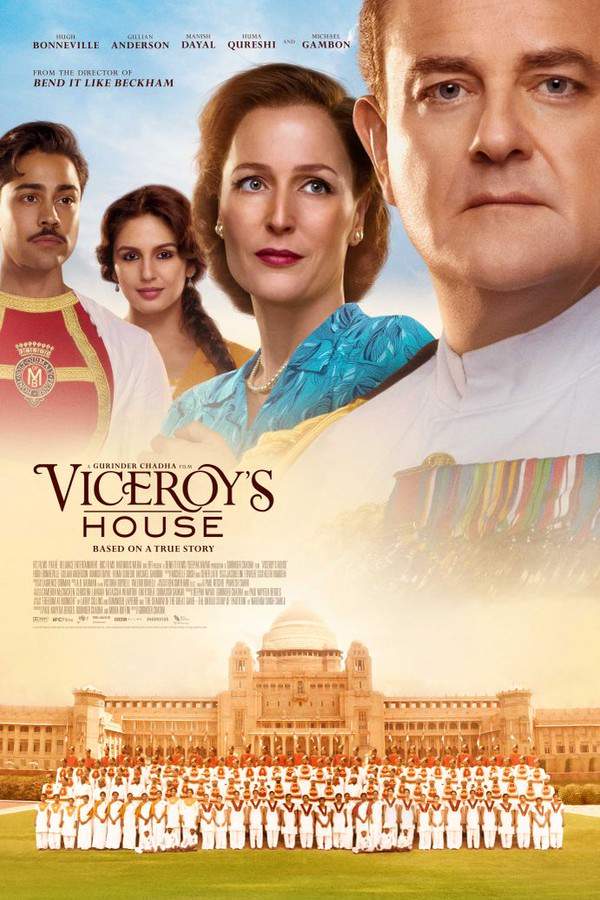
In 1947, Lord Mountbatten (Hugh Bonneville) makes his arrival at the Viceroy’s House in Delhi, accompanied by his determined wife Edwina (Gillian Anderson) and their daughter Pamela (Lily Travers). As Britain announces its impending departure from India after three centuries of colonial rule, the nation finds itself weary from the toll of war, rendering the British incapable of sustaining their empire in the East. Despite Queen Victoria being the empress of India, she has never set foot in the land.
Serving as Mountbatten’s Chief of Staff, Lord Lionel ‘Pug’ Ismay (Michael Gambon) is skeptical of India’s capability to govern itself. Meanwhile, Ewart (David Hayman) manages the operational affairs of the Viceroy’s House, and Miss Reading (Roberta Taylor) oversees the female staff, working closely with Edwina.
As the last Viceroy of India, Mountbatten’s mission is to facilitate the end of the British Raj and to usher in a new independent Indian nation. Mountbatten endeavors to mediate a significant conflict between two prominent political figures: Jawaharlal Nehru (Tanveer Ghani), who advocates for a unified nation, and Muhammad Ali Jinnah (Denzil Smith), who seeks to forge a separate Pakistani state. With a population of 300 million Hindus and 100 million Muslims, Nehru points out that 2.5 million Indians fought for Britain in WWII, in hope of freedom that has yet to materialize. Amid escalating Hindu-Muslim riots resulting in countless deaths, doubts arise about Mountbatten’s sincerity regarding the transfer of power, given his royal ties.
As Mountbatten grapples with the task of peacekeeping in a fracturing nation, Edwina grows alarmed upon discovering distressing social conditions, like a staggering 92% illiteracy rate and extremely high infant mortality rates. Urging her husband to take action, Edwina’s compassionate nature shines through, especially in her treatment of the Indian staff. She forms a rapport with Ram Lal Chandra (Raj Zutshi), her Indian Head Chef, frequently visiting the kitchen to express her appreciation.
In a parallel narrative, Jeet (Manish Dayal), Lord Mountbatten’s newly appointed valet, crosses paths with Aalia (Huma Qureshi), someone he previously fell in love with. Aalia is responsible for taking care of Pamela, and their history is intricate—Aalia’s father was imprisoned for supporting Gandhi, leading Jeet, then a supporting Hindu policeman, to fall for her. Despite their connection, Aalia stands firm in her engagement to Asif (Arunoday Singh), driven by cultural differences and familial obligations.
Mountbatten’s political journey continues as he meets Nehru, who stands resolutely opposed to the partition, while Edwina subtly forms a connection with him. Amidst their discussions, Jinnah remains adamant about a partition, fearing for Muslim rights in a Hindu-majority India. He cites historical precedents from British actions with Ireland and Palestine, arguing for a similar approach in India to maintain peace.
In a pivotal moment, Mountbatten meets with Gandhi (Neeraj Kabi), who recommends inviting Jinnah to construct the inaugural Government of India—a suggestion Nehru is unwilling to endorse, ultimately siding with partition. As violence rages across the nation, the British hasten the independence process, and Mountbatten, believing in a unified state initially, must confront the harsh reality of division.
With only days left before the power transfer, boundaries for the new state remain undecided—Mountbatten learns of a previously kept policy document from Ismay outlining territorial divisions. Feeling used as a pawn, he realizes that millions will be displaced due to their decisions. The intensity of communal strife grows as the Viceroy’s servants are forced to choose their loyalties amidst escalating violence.
As Aalia begins to acknowledge her feelings for Jeet, their relationship undergoes trials with Aalia’s allegiance to Asif complicating matters. With the deadline for the transfer of power looming, their fates intertwine dramatically amidst the chaos of partition. Days later, devastating news reaches Jeet—Aalia’s train to Pakistan has been attacked, leaving him heartbroken.
In the wake of chaos and refugee influx, the Mountbattens choose to remain and aid where possible. Jeet throws himself into helping the refugees, his path crossing again with Aalia, who miraculously survives the attack. In a moment of recognition and hope, their love emerges from the ashes of turmoil.
Last Updated: November 07, 2024 at 23:29
Discover curated groups of movies connected by mood, themes, and story style. Browse collections built around emotion, atmosphere, and narrative focus to easily find films that match what you feel like watching right now.
Epic history unfolds through the eyes of those shaping and surviving it.For viewers who enjoyed the grand scale and personal stakes of Viceroy's House, this section features movies that explore other major historical turning points. These films blend political intrigue with human drama, offering a similar mix of tense negotiation, ethical dilemmas, and emotional journeys set against a backdrop of real-world events.
These narratives typically follow a dual track: a macro-level story of political leaders, diplomats, or revolutionaries making difficult decisions under immense pressure, and a micro-level story of ordinary people or supporting characters whose lives are irrevocably altered by those decisions. The plots often build steadily towards a known historical outcome, creating a sense of inevitable, often tragic, consequence.
They are grouped by their shared focus on a specific historical event, their balance between grand political scope and intimate human drama, and their ability to generate tension and emotional weight from the collision of personal desires with historical forces.
Stories where systemic collapse is countered by small acts of human resilience.If the ending of Viceroy's House, with its mix of political failure and personal hope, resonated with you, explore these similar films. They feature stories where a bleak historical outcome is tempered by moments of human connection and resilience, creating a powerful and emotionally complex viewing experience.
The narrative pattern involves a central, often unavoidable, large-scale tragedy or failure that forms the backbone of the plot. The characters are caught in this maelstrom, and while they cannot prevent the overarching disaster, their personal arcs may conclude with a measure of hope, redemption, or connection, providing emotional counterpoint to the historical bleakness.
These movies share a specific emotional structure: they deliver the heavy emotional impact of a tragic historical event while simultaneously offering a cathartic, though limited, sense of hope through focused character resolutions. This creates a uniquely bittersweet and thoughtful tone.
Don't stop at just watching — explore Viceroy's House in full detail. From the complete plot summary and scene-by-scene timeline to character breakdowns, thematic analysis, and a deep dive into the ending — every page helps you truly understand what Viceroy's House is all about. Plus, discover what's next after the movie.
Track the full timeline of Viceroy's House with every major event arranged chronologically. Perfect for decoding non-linear storytelling, flashbacks, or parallel narratives with a clear scene-by-scene breakdown.
Discover the characters, locations, and core themes that shape Viceroy's House. Get insights into symbolic elements, setting significance, and deeper narrative meaning — ideal for thematic analysis and movie breakdowns.
Get a quick, spoiler-free overview of Viceroy's House that covers the main plot points and key details without revealing any major twists or spoilers. Perfect for those who want to know what to expect before diving in.
Visit What's After the Movie to explore more about Viceroy's House: box office results, cast and crew info, production details, post-credit scenes, and external links — all in one place for movie fans and researchers.
Discover movies like Viceroy's House that share similar genres, themes, and storytelling elements. Whether you’re drawn to the atmosphere, character arcs, or plot structure, these curated recommendations will help you explore more films you’ll love.
Viceroy's House (2017) Scene-by-Scene Movie Timeline
Viceroy's House (2017) Movie Characters, Themes & Settings
Viceroy's House (2017) Spoiler-Free Summary & Key Flow
Movies Like Viceroy's House – Similar Titles You’ll Enjoy
Gandhi (1983) Movie Recap & Themes
The Gandhi Murder (2019) Complete Plot Breakdown
A Passage to India (1985) Ending Explained & Film Insights
'83 (2021) Film Overview & Timeline
Victoria and Abdul (2017) Ending Explained & Film Insights
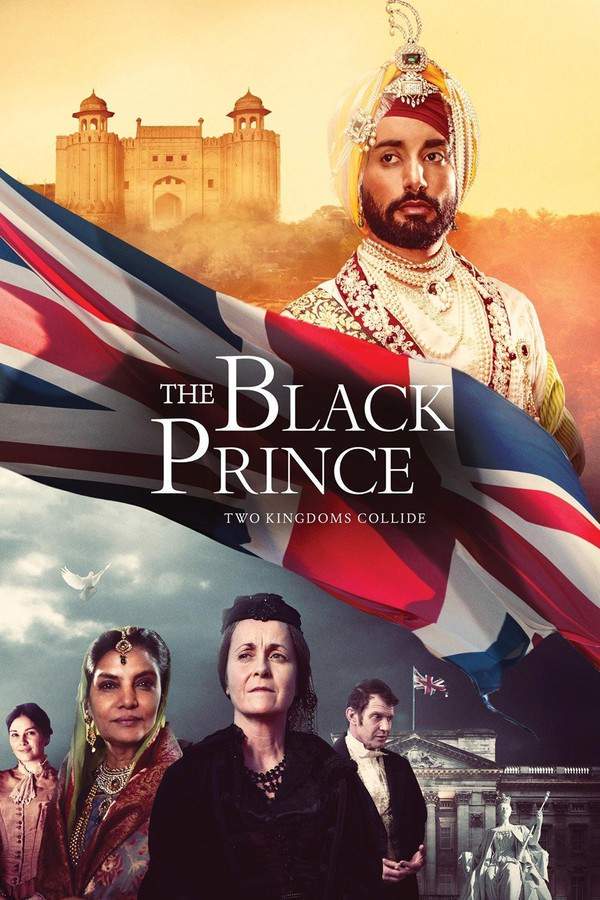
The Black Prince (2017) Movie Recap & Themes
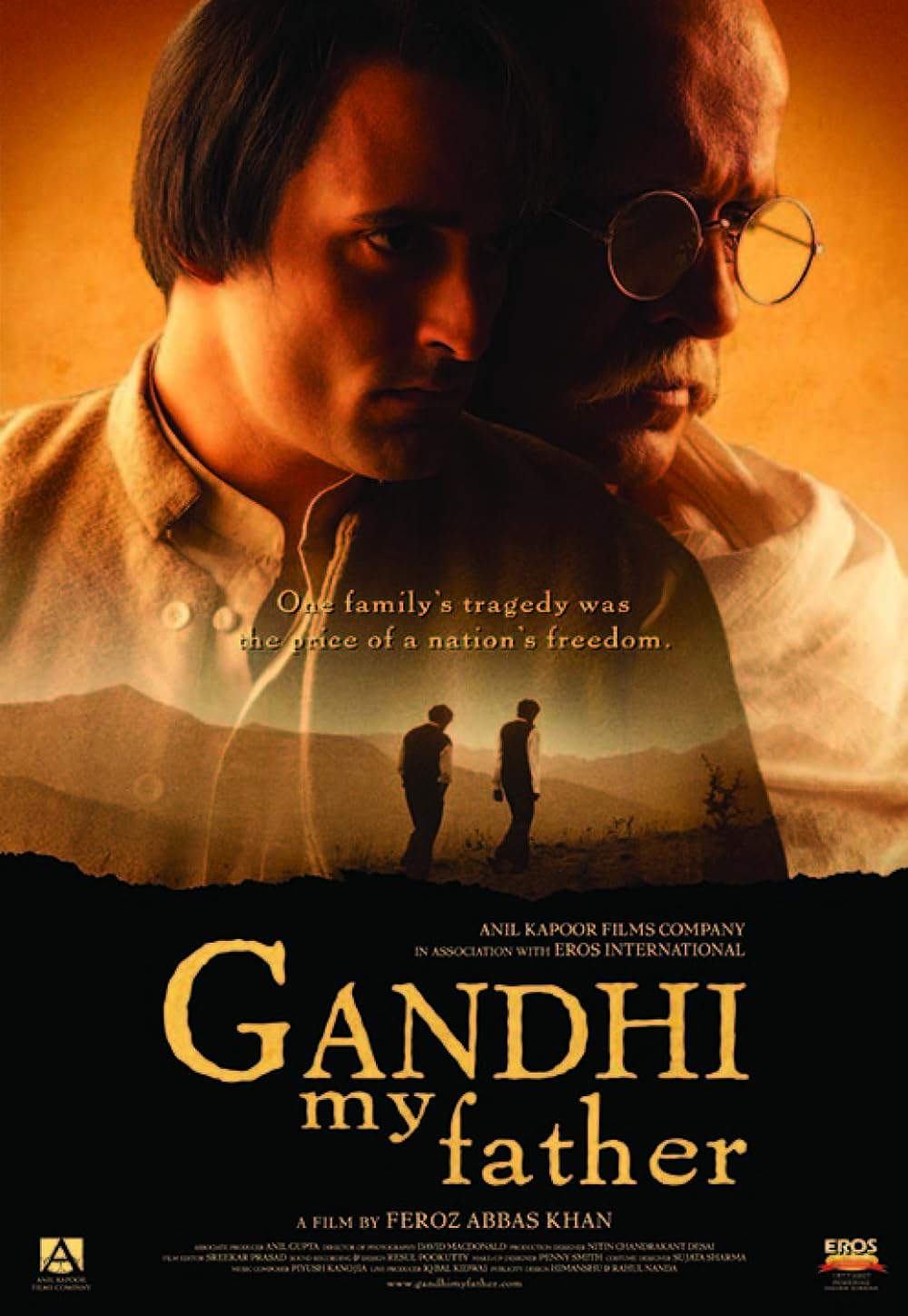
Gandhi, My Father (2007) Story Summary & Characters
House of Ga'a (2024) Movie Recap & Themes
Begum Jaan (2017) Spoiler-Packed Plot Recap
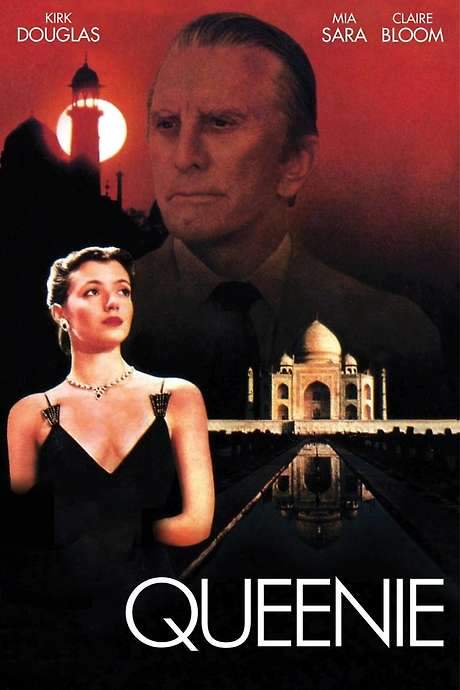
Queenie (1000) Story Summary & Characters
The Jewel in the Crown (1000) Story Summary & Characters
Bhowani Junction (1956) Complete Plot Breakdown
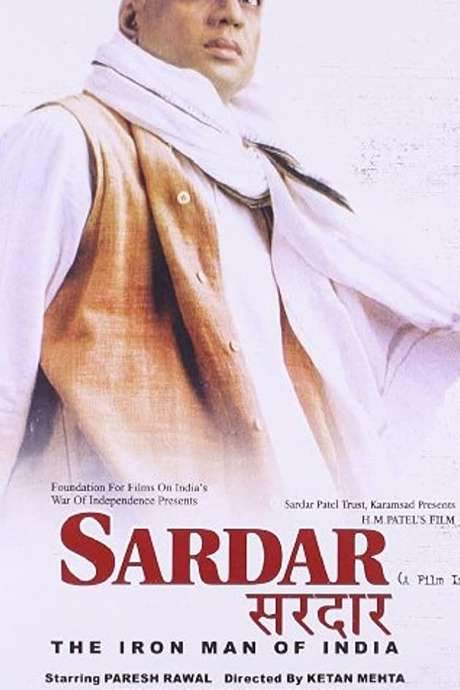
Sardar (1993) Complete Plot Breakdown
Maharaj (2024) Ending Explained & Film Insights
Clive of India (1935) Ending Explained & Film Insights