

Plot Explained Spoilers guaranteed!
Plot Explained

Browse by genre

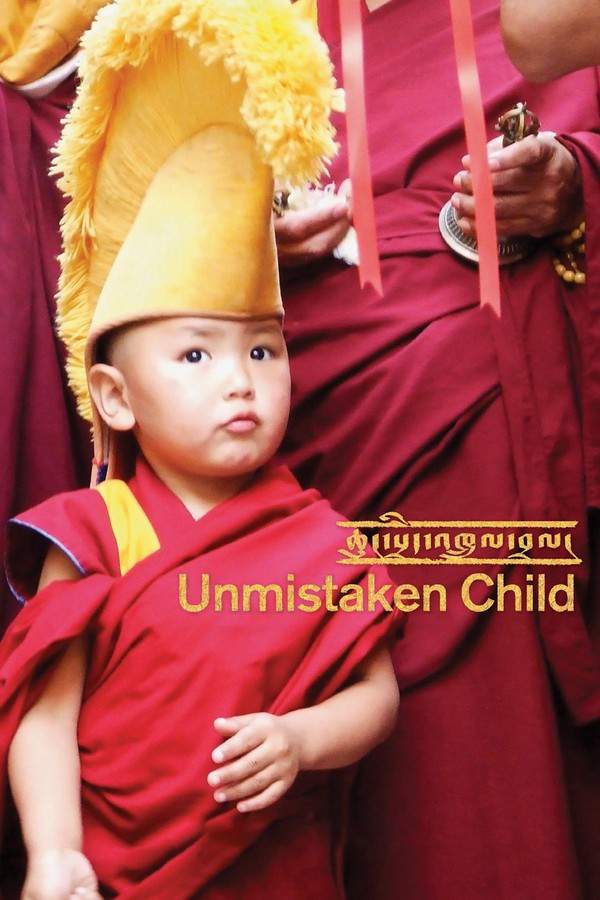
Unmistaken Child (2009) movie poster

Characters & Themes

Unmistaken Child (2009) Characters, Setting & Themes Explained

Release, runtime and language
2009 · 102 min · English
Directed by
Nati Baratz

Within the traditions of Tibetan Buddhism, the reincarnation of revered spiritual leaders is a deeply held belief. This film follows a four-year journey to locate the reincarnation of Lama Konchog, a respected figure who died at the age of 84. With the blessing of the Dalai Lama, Tenzin Zopa undertakes a touching quest to find his master's successor. The search explores the profound concepts of karma and the enduring human desire for enlightenment, offering a glimpse into a unique spiritual practice.

On this page (8)
  1. 1 Where to watch
  2. 2 Characters explained (1)
  3. 3 Where & when it takes place
  4. 4 Themes & meaning (2)
  5. 5 Character & meaning questions
  6. 6 Movie threads
  7. 7 Movies like Unmistaken Child
  8. 8 Every angle

Where to watch

Where to Watch Unmistaken Child (2009)

Where can you watch Unmistaken Child? Stream, rent or buy it in the US, including on Amazon Video: current JustWatch availability with up-to-date prices.

Streaming availability powered by JustWatch

1 main characters · contains spoilers

Unmistaken Child Characters Explained: Who Is Who

The main characters of Unmistaken Child (2009), heroes and villains: what drives them, how they change over the course of the story and what each of them reveals about the film's bigger ideas.

  • Tenzin Zopa

    Tenzin Zopa is a dedicated young monk and the main protagonist of the documentary. His deep respect for his late teacher drives him in his quest to find the reincarnation of Geshe Lama Konchog. Despite his humility, he battles self-doubt regarding his capacity to identify a tulku, which adds depth to his character. Tenzin's blend of faith and intuition makes him a relatable figure in this spiritual journey.

    • 🧘‍♂️ Monk
    • 🙏 Devotion

Last updated: October 22, 2024 at 21:58

Was this helpful?

Setting

Where and When Does Unmistaken Child Take Place?

The setting of Unmistaken Child (2009): the year and time period, the places and locations, and how they shape the characters, the mood and the tension of the story.

Time period

2001-2006

The movie takes place over a period spanning from October 2001 to the middle of 2006, a time marked by a growing interest in spirituality and tradition in the face of modernity. During these years, the Tibetan diaspora was also heavily influenced by the political scenario surrounding Tibet, making the search for spiritual leaders more poignant. This documentary captures a unique moment where ancient traditions are still alive, and the search for reincarnation holds deep cultural relevance.

Location

Tsum Valley, Nepal–Tibet border

Tsum Valley is a remote and picturesque region situated on the Nepal–Tibet border, known for its stunning landscapes and deep-rooted Tibetan culture. It is often characterized by its serene environment and the unique Tibetan Buddhist traditions practiced by its inhabitants. The valley is a significant pilgrimage site, attracting monks and spiritual seekers seeking enlightenment and connection with their roots.

  • 🏞️ Valley
  • 🌍 Nepal–Tibet

Last updated: October 22, 2024 at 21:58

Was this helpful?

2 major themes

Unmistaken Child Meaning: Themes & Message Explained

What is Unmistaken Child (2009) really about? The emotional, social and philosophical themes the film keeps returning to, its symbolism and the message beneath the surface.

  • Spirituality

    The theme of spirituality is central to the narrative, as it explores the deep connection between a disciple and his spiritual teacher. Tenzin's journey highlights the significance of reincarnation in Tibetan Buddhism, elevating the spiritual quest into a profound exploration of faith and devotion. The emotional weight of his mission underscores the impact of spiritual lineage on both the individual and the community.

  • Sacrifice

    Sacrifice is a prominent theme as Tenzin faces the moral dilemma of potentially uprooting a child from his family for the sake of fulfilling his spiritual duty. The emotional complexity surrounding the separation of a child from their parents brings forth questions about the true cost of spiritual enlightenment. This theme resonates throughout the documentary, exploring what it means to sacrifice personal connections for the greater good.

Last updated: October 22, 2024 at 21:58

Was this helpful?

Character & theme questions

Unmistaken Child Characters & Meaning: Your Questions Answered

The questions people ask about Unmistaken Child (2009): who the characters really are, their relationships, what the symbols mean, where it takes place and what the movie is really about. Each answer contains spoilers.

Q1

Where is Tsum Valley located?

Tsum Valley is a remote valley situated on the Nepal-Tibet border in the Himalayan region. It is known for its stunning mountain landscapes and deep-rooted Tibetan Buddhist culture, making it a significant pilgrimage site for spiritual seekers.

  • tsum valley
  • nepal
  • tibet
  • himalayas
  • location
Q2

What time period does the documentary cover?

The documentary follows the search from October 2001 to mid-2006, spanning approximately five years. This period was marked by growing interest in spirituality alongside the political complexities surrounding the Tibetan diaspora.

  • 2001
  • 2006
  • time period
  • timeline
  • five years
Q3

What role does spirituality play in the film?

Spirituality is the central theme, exploring the deep bond between disciple and teacher in Tibetan Buddhism. The documentary examines the concept of reincarnation and how the search for a tulku represents a continuation of spiritual lineage and faith.

  • spirituality
  • reincarnation
  • buddhism
  • faith
  • tulku
Q4

What does the film say about sacrifice?

The film explores the ethical complexity of sacrifice, particularly the dilemma of separating a child from his family to fulfill a spiritual duty. This theme raises questions about the cost of spiritual enlightenment and what individuals are willing to give up for greater spiritual purpose.

  • sacrifice
  • ethics
  • family
  • spiritual duty
  • child
Q5

Who is Tenzin Zopa?

Tenzin Zopa is the main protagonist, a young monk who leads the search for the reincarnation of his deceased teacher, Geshe Lama Konchog. Despite his humility, he grapples with self-doubt about his ability to identify the correct child as the new tulku.

  • tenzin zopa
  • monk
  • protagonist
  • Geshe Lama Konchog
Q6

Who was Geshe Lama Konchog?

Geshe Lama Konchog was a revered spiritual figure who died at the age of 84. He was the teacher of Tenzin Zopa, and the search documented in the film is to locate his reincarnation, believed to be a young child who would continue his spiritual lineage.

  • Geshe Lama Konchog
  • spiritual teacher
  • lama
  • reincarnation
Q7

What is a tulku in Tibetan Buddhism?

A tulku is a reincarnated lama or spiritual teacher in Tibetan Buddhism. When a respected teacher dies, their followers believe their consciousness can be reborn in a young child, and special recognition processes are used to identify the correct reincarnation.

  • tulku
  • reincarnation
  • lama
  • recognition
  • rebirth
Q8

What is the Dalai Lama's role in the search?

The Dalai Lama gave his blessing for the search to find the reincarnation of Geshe Lama Konchog. His involvement underscores the importance and legitimacy of the spiritual quest within the broader context of Tibetan Buddhist tradition.

  • dalai lama
  • blessing
  • approval
  • spiritual authority
Q9

Why is Tsum Valley important to Tibetan Buddhists?

Tsum Valley holds deep significance as a sacred pilgrimage site within Tibetan Buddhist tradition. The valley's serene environment and preserved cultural practices make it an ideal location for spiritual seekers looking to connect with ancient traditions.

  • pilgrimage
  • sacred
  • buddhism
  • tradition
  • spiritual site
Q10

What internal struggles does Tenzin Zopa face?

Tenzin Zopa battles self-doubt throughout his journey, questioning whether he has the spiritual wisdom and intuition necessary to correctly identify the reincarnated lama. This internal conflict adds emotional depth to his sacred mission.

  • self-doubt
  • intuition
  • wisdom
  • inner conflict
  • mission

Movie threads

More Movies Like Unmistaken Child, by Mood & Story

Curated lists built around what makes Unmistaken Child tick: the same mood, the same kind of story or the same emotional payoff. Each list explains why these movies belong together.

Spiritual Quest Films Like Unmistaken Child

Films that follow a patient search for meaning and enlightenment. If you liked the patient spiritual journey in Unmistaken Child, explore movies that follow similar quests for enlightenment. These documentaries and dramas capture the essence of faith, mentorship, and the search for meaning in quiet, reverent stories.

  • spiritual
  • contemplative
  • reverent
  • patient
  • earnest
  • serene
  • Tone: hopeful, reverent, contemplative
  • Pacing: slow, methodical
Why these movies?

The story pattern: Narratives in this thread typically follow a linear, character-driven quest focused on a spiritual goal. The central conflict is often internal, wrestling with faith or doubt, while the external journey is methodical and set against meaningful cultural or natural backdrops.

Why they belong together: Movies are grouped here by their shared focus on a spiritual search, a patient and reverent tone, and a meditative pacing. They create a similar viewing experience of quiet introspection and emotional resonance centered on themes of faith and discovery.


Meditative Documentaries Similar to Unmistaken Child

Observational films that find profound meaning in quiet, human moments. Fans of the serene and observational style of Unmistaken Child will appreciate these meditative documentaries. They offer a window into unique cultures and human experiences, told with a patient pace and deep emotional respect.

  • serene
  • observational
  • patient
  • earnest
  • humble
  • contemplative
  • Tone: hopeful, serene, earnest
  • Pacing: slow, observational
Why these movies?

The story pattern: These documentaries unfold without a heavy-handed narrative arc, instead building understanding through accumulated moments. The story is found in the details of tradition, ritual, and interpersonal connections, often leading to a quietly uplifting conclusion.

Why they belong together: This thread connects films through their shared cinematic language: a slow, observational pace, a straightforward narrative complexity, and a focus on capturing authentic human experience with emotional sincerity and a serene atmosphere.

If you liked this

Movies Like Unmistaken Child

Similar movies to Unmistaken Child: the same genre, themes or kind of story. Each one comes with its own plot summary, timeline and ending explained.

Browse all movie summaries

Every angle

Unmistaken Child (2009) Explained: Plot, Timeline & Characters

Everything about Unmistaken Child in one place: what happens in the plot summary, the timeline in chronological order, the characters and meaning and a spoiler-free summary. What's After the Movie adds the cast, box office and post-credit scenes.

Coming soon on iOS and Android

The Plot Explained Movie Summary App

Plot summaries, endings explained and timelines on your phone. Catch up on any movie in minutes, save your favorites and never miss a twist again.

Be the first to know when we launch. Your email stays private, always.

Learn more about the app