Year: 2009
Runtime: 102 min
Language: english
Director: Nati Baratz
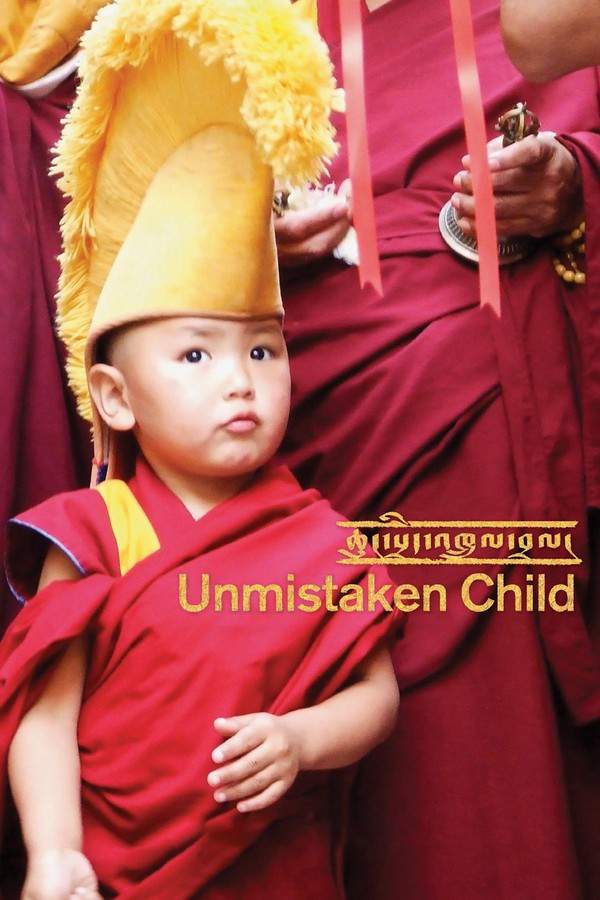
Within the traditions of Tibetan Buddhism, the reincarnation of revered spiritual leaders is a deeply held belief. This film follows a four-year journey to locate the reincarnation of Lama Konchog, a respected figure who died at the age of 84. With the blessing of the Dalai Lama, Tenzin Zopa undertakes a touching quest to find his master's successor. The search explores the profound concepts of karma and the enduring human desire for enlightenment, offering a glimpse into a unique spiritual practice.
Find where to stream, rent, or buy Unmistaken Child (2009) in the US with current JustWatch availability, up-to-date pricing, and platform listings for subscription, rental, and digital purchase options.
Warning: spoilers below!
Haven’t seen Unmistaken Child yet? This summary contains major spoilers. Bookmark the page, watch the movie, and come back for the full breakdown. If you're ready, scroll on and relive the story!
Read the complete plot breakdown of Unmistaken Child (2009), including all key story events, major twists, and the ending explained in detail. Discover what really happened, and what it all means.
The documentary chronicles the profound journey of a Tibetan Buddhist monk in his quest to discover the reincarnation of his cherished teacher, the globally respected lama, Geshe Lama Konchog. Commencing its filming in October 2001, this captivating narrative spans an impressive five and a half years. At the center of this exploration is Tenzin Zopa, a modest young monk who possesses a strong command of English and served as the deceased lama's closest disciple. His mission is to locate the child who embodies his master's reincarnation.
Despite Tenzin's humility, he grapples with self-doubt regarding his capability to accurately identify the rebirth of such an enlightened figure. The weight of this responsibility is overwhelming, as it is essentially laid entirely upon his shoulders.
Employing a blend of prayer, intuition, and different forms of divination, Tenzin embarks on a journey to the secluded villages in the remote Tsum Valley located on the Nepal–Tibet border. Throughout his travels, he visits numerous families and interacts with many children in search of a young boy of the appropriate age who shows a significant emotional response to one of his late master's belongings. Yet, the journey is fraught with uncertainties; only after passing through several tests can the existence of a tulku—a reincarnated Tibetan master—be verified. Furthermore, the emotional implications of potentially uprooting a small child from his loving parents and familiar surroundings add another layer of complexity to Tenzin's sacred mission.
Last updated: November 08, 2024 at 06:31
Explore frequently asked questions about Unmistaken Child (2009) with spoiler-rich answers covering the full plot summary, major story beats, character motivations, hidden details, and ending meaning. This movie summary FAQ helps explain confusing scenes, plot twists, and narrative decisions in clear, searchable detail.
Tenzin Zopa was the closest disciple of Geshe Lama Konchog during his lifetime. In Tibetan Buddhist tradition, the master's closest disciples are often entrusted with the responsibility of identifying the reincarnation because they had the deepest personal connection to the deceased lama and can recognize subtle signs that others might miss.
Earlier in the documentary, Tenzin is introduced as someone who served as the deceased lama's closest disciple and speaks fluent English, making him uniquely suited for this international search.
The search relies on a combination of methods: prayer, intuition, and traditional divination. The critical test involves showing the child items belonging to the deceased Geshe Lama Konchog and observing his or her emotional response. A genuine tulku typically shows a significant, unexplained emotional connection to these belongings that distinguishes them from other children.
The documentary establishes early on that only after passing through several tests can the existence of a tulku be verified.
The Tsum Valley, located on the Nepal-Tibet border, is a remote region with deep spiritual significance in Tibetan Buddhism. Traditional searches often focus on specific geographical areas associated with the deceased lama, and the secluded nature of these villages provides isolation from modern influences that might obscure a child's natural spiritual indicators.
The documentary notes that Geshe Lama Konchog had connections to this region, making it a logical area to begin the search.
The process involves removing a young child from his loving parents and familiar surroundings to be raised in a monastery as the reincarnated lama. This creates profound ethical tension because it separates the child from his birth family and places enormous spiritual expectations on someone so young. Tenzin explicitly grapples with the moral implications of this disruption throughout his journey.
The documentary highlights the emotional stakes early, showing Tenzin's awareness of the weight of this decision on both the child and the family.
The documentary follows Tenzin Zopa for four to five years, spanning from October 2001 through multiple seasons of traveling to remote villages in the Tsum Valley. This extended timeframe reflects the meticulous nature of the traditional search process, which cannot be rushed without risking errors in identification.
The opening of the film establishes that filming began in October 2001 and continued for an impressive five and a half years.
Tenzin carries immense self-doubt because identifying the reincarnation of such an enlightened figure is considered an enormous spiritual responsibility. He fears making an error in identification, which would have lasting consequences for the spiritual lineage and for the child selected. The weight of this responsibility, laid entirely upon his shoulders, creates persistent uncertainty about his capability.
Early in the film, Tenzin's humility is established as a central trait, making his self-doubt a natural extension of his character.
The Dalai Lama gave his blessing for the search to proceed. While he does not directly conduct the search, his approval provides religious authority and validation for the entire process, ensuring that the search aligns with broader Tibetan Buddhist institutional requirements.
The film establishes early that the search proceeds with the blessing of the Dalai Lama, lending legitimacy to Tenzin's mission.
Once identified, the child would be recognized as a tulku and begin formal training in the monastery to become the next Geshe Lama Konchog. The documentary shows Tenzin facing the pivotal decision of how to proceed with the child's future, balancing traditional requirements against compassion for the family.
Timeline events indicate that after discovering the potential reincarnation, Tenzin faces decisions about the child's future and the community reactions to this discovery.
Reincarnation of spiritual leaders is a deeply held belief in Tibetan Buddhism because it represents the continuation of enlightenment across lifetimes. The tulku system ensures that accumulated wisdom and spiritual realization do not end with a teacher's death but continue through a new incarnation, maintaining the lineage of teachings.
The film opens by establishing this as a profound spiritual belief rather than mere tradition, highlighting its central importance to the Buddhist practice.
Remote villages in the Tsum Valley provide an environment relatively isolated from modern influences, where children may grow up with more natural, unfiltered responses to spiritual stimuli. The seclusion is believed to make it easier to identify genuine spiritual indicators without the noise of contemporary distractions.
The documentary emphasizes the remote nature of the Tsum Valley throughout, highlighting how this isolation serves the spiritual purpose of the search.
Discover curated groups of movies connected by mood, themes, and story style. Browse collections built around emotion, atmosphere, and narrative focus to easily find films that match what you feel like watching right now.
Films that follow a patient search for meaning and enlightenment.If you liked the patient spiritual journey in Unmistaken Child, explore movies that follow similar quests for enlightenment. These documentaries and dramas capture the essence of faith, mentorship, and the search for meaning in quiet, reverent stories.
Narratives in this thread typically follow a linear, character-driven quest focused on a spiritual goal. The central conflict is often internal, wrestling with faith or doubt, while the external journey is methodical and set against meaningful cultural or natural backdrops.
Movies are grouped here by their shared focus on a spiritual search, a patient and reverent tone, and a meditative pacing. They create a similar viewing experience of quiet introspection and emotional resonance centered on themes of faith and discovery.
Observational films that find profound meaning in quiet, human moments.Fans of the serene and observational style of Unmistaken Child will appreciate these meditative documentaries. They offer a window into unique cultures and human experiences, told with a patient pace and deep emotional respect.
These documentaries unfold without a heavy-handed narrative arc, instead building understanding through accumulated moments. The story is found in the details of tradition, ritual, and interpersonal connections, often leading to a quietly uplifting conclusion.
This thread connects films through their shared cinematic language: a slow, observational pace, a straightforward narrative complexity, and a focus on capturing authentic human experience with emotional sincerity and a serene atmosphere.
Don't stop at just watching - explore Unmistaken Child in full detail. From the complete plot summary and scene-by-scene timeline to character breakdowns, thematic analysis, and a deep dive into the ending - every page helps you truly understand what Unmistaken Child is all about. Plus, discover what's next after the movie.
Track the full timeline of Unmistaken Child with every major event arranged chronologically. Perfect for decoding non-linear storytelling, flashbacks, or parallel narratives with a clear scene-by-scene breakdown.
Discover the characters, locations, and core themes that shape Unmistaken Child. Get insights into symbolic elements, setting significance, and deeper narrative meaning - ideal for thematic analysis and movie breakdowns.
Discover movies like Unmistaken Child that share similar genres, themes, and storytelling elements. Whether you’re drawn to the atmosphere, character arcs, or plot structure, these curated recommendations will help you explore more films you’ll love.
Unmistaken Child (2009) Scene-by-Scene Movie Timeline
Unmistaken Child (2009) Movie Characters, Themes & Settings
Unmistaken Child (2009) Spoiler-Free Summary & Key Flow
Movies Like Unmistaken Child – Similar Titles You’ll Enjoy
Lunana: A Yak in the Classroom (2022) Plot Summary & Ending Explained
Kundun (1997) Full Summary & Key Details
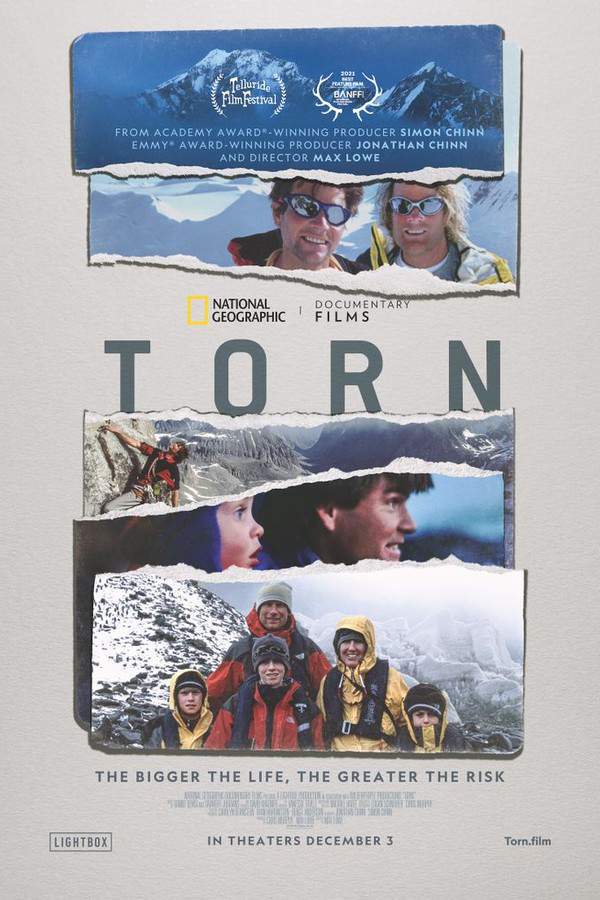
Torn (2021) Story Summary & Characters
Becoming Who I Was (2018) Detailed Story Recap
The Last Dalai Lama? (2017) Detailed Story Recap
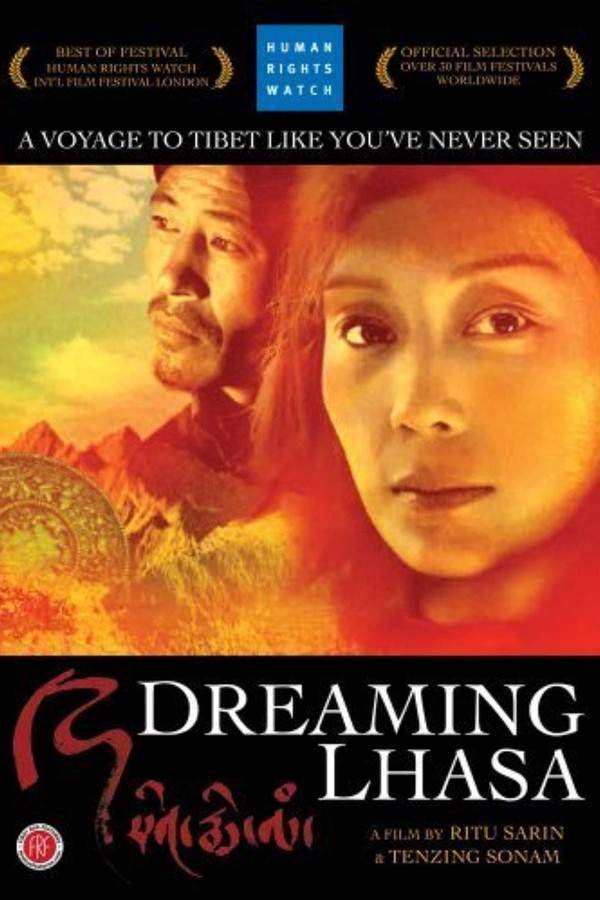
Dreaming Lhasa (2007) Movie Recap & Themes
Vajra Sky Over Tibet (2006) Film Overview & Timeline
My Reincarnation (2011) Story Summary & Characters
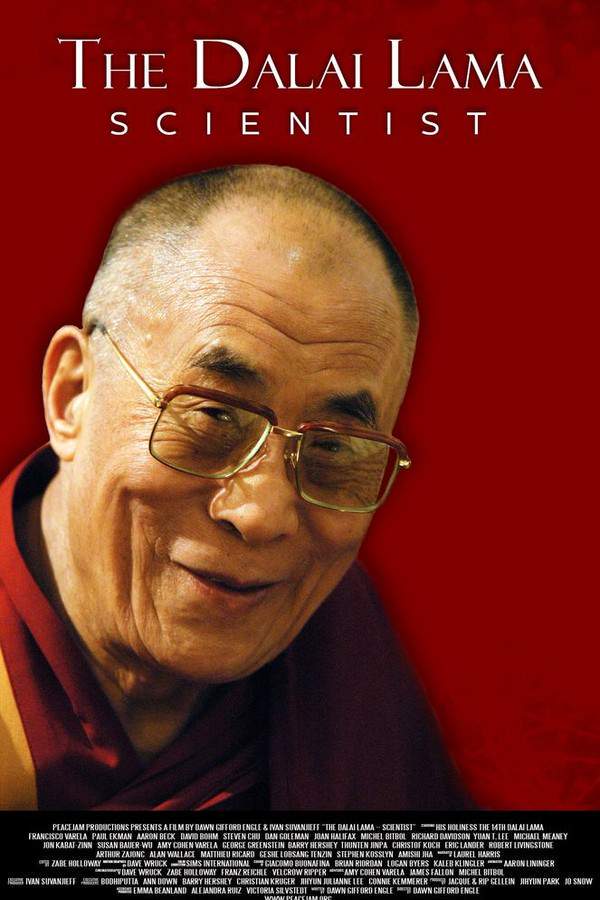
The Dalai Lama: Scientist (2019) Full Movie Breakdown
The Next Guardian (2017) Complete Plot Breakdown
What Remains of Us (2004) Film Overview & Timeline
A Little Monk (2003) Movie Recap & Themes
Buddha’s Lost Children (2006) Story Summary & Characters
Little Buddha (1993) Detailed Story Recap
The Tibetan Book of the Dead: A Way of Life (1994) Ending Explained & Film Insights