Plot Explained Spoilers guaranteed!
Plot Explained

Browse by genre

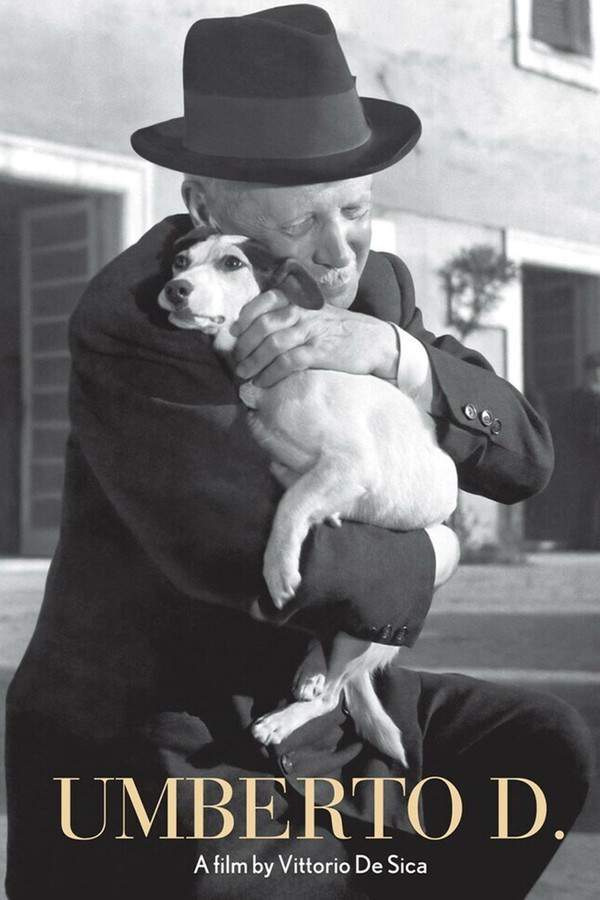
Umberto D. (1952) movie poster

Characters & Themes

Umberto D. (1952) Characters, Setting & Themes Explained

Release, runtime and language
1952 · 91 mins · Italian
Loading streaming availability…
Directed by
Vittorio De Sica
Starring
Carlo Battisti, Maria Pia Casilio, Lina Gennari, Ileana Simova, Elena Rea, Memmo Carotenuto

After returning to his boarding house from a protest demanding higher old‑age pensions, the frail pensioner Umberto Domenico Ferrari learns his landlady will evict him and his small dog unless he pays the 15,000‑lire rent by month’s end. With no money, he pretends to be ill to be admitted to a hospital and entrusts his beloved dog to the landlady’s pregnant, abandoned maid for temporary care, highlighting his desperate struggle to preserve dignity amid poverty.

On this page (8)
  1. 1 Where to watch
  2. 2 Characters explained (7)
  3. 3 Where & when it takes place
  4. 4 Themes & meaning (3)
  5. 5 Character & meaning questions
  6. 6 Movie threads
  7. 7 Movies like Umberto D.
  8. 8 Every angle
Loading streaming availability…

7 main characters · contains spoilers

Umberto D. Characters Explained: Who Is Who

The main characters of Umberto D. (1952), heroes and villains: what drives them, how they change over the course of the story and what each of them reveals about the film's bigger ideas.

  • Umberto D. Ferrari (Carlo Battisti)

    A retired government worker whose pension barely covers his needs. He is proud, stubborn, and deeply humane, refusing to rely on others even as his circumstances tighten. His bond with his dog Flike reveals his longing for companionship and a sense of purpose beyond financial security.

    • 🧓 Elderly
    • 💸 Poverty
    • 🐾 Dog companion
  • Maria (Maria Pia Casilio)

    A sympathetic maid who shares her own troubles with Umberto. She is caring but overwhelmed by pregnancy and two lovers' uncertainty, revealing the precarious position of women in this world. Her conversations with Umberto expose the strain of personal choices in a constraining environment.

    • 🤰 Pregnant
    • 🤝 Kindness
    • 🏠 Urban life
  • Antonia Belloni (Lina Gennari)

    The landlady who is blunt and practical, enforcing rent collection and eviction threats. She embodies the social pressures that push the elderly toward precarity in the city. Her actions catalyze Umberto's scramble to keep his home and dignity.

    • 🏠 Landlady
    • 💰 Rent pressure
    • 🗝️ Authority
  • The Woman in Umberto's Room (Ileana Simova)

    A mysterious figure whose presence in Umberto's space shakes the sense of security he has left. Her appearance adds a layer of vulnerability and ambiguity to Umberto's already fragile world.

    • 🕊️ Mystery
    • 🏚️ Intrusion
    • 🧭 Room
  • The Nun at the Hospital (Elena Rea)

    A minor, compassionate figure encountered during Umberto's hospital stay. She reflects themes of care and spiritual solace in a world of material hardship.

    • 🙏 Compassion
    • 🏥 Hospital
    • 🧭 Faith
  • The Patient at the Hospital (Memmo Carotenuto)

    A fellow patient whose presence underscores the shared vulnerability of older people in medical settings. Their interaction contributes to the sense of community amid anonymity.

    • 🧓 Elderly
    • 🏥 Hospital
    • 🤝 Community
  • Flike (Napoleone the Dog)

    Umberto's dog, a refuge and a source of warmth amid the hardship. The dog embodies loyalty and a simple joy that sustains Umberto through fear, loneliness, and small hopes.

    • 🐶 Dog
    • 🧭 Loyalty
    • 🐾 Companionship

Last updated: October 04, 2025 at 17:35

Was this helpful?

Setting

Where and When Does Umberto D. Take Place?

The setting of Umberto D. (1952): the year and time period, the places and locations, and how they shape the characters, the mood and the tension of the story.

Time period

Location

Rome, Italy

The action unfolds in a cramped, working-class dwelling in Rome, with scenes in the landlady's building, the city pound, a hospital, and a nearby park. The urban setting highlights the struggles of an aging retiree, a landlady-driven rent system, and the small acts of kindness that punctuate daily life. The film uses these locations to show dignity amid poverty and the social margins of postwar Italy.

  • 🏙️ City life
  • 🧭 Postwar realism

Last updated: October 04, 2025 at 17:35

Was this helpful?

3 major themes

Umberto D. Meaning: Themes & Message Explained

What is Umberto D. (1952) really about? The emotional, social and philosophical themes the film keeps returning to, its symbolism and the message beneath the surface.

  • Poverty Struggle

    Umberto D.'s battle with poverty frames the story: eviction threats, the sale of personal possessions, and the constant worry over basic necessities. The film shows how financial precarity erodes security and forces painful decisions. Yet it also presents moments of restraint and resilience, highlighting dignity beyond monetary worth.

  • Dignity Under Pressure

    Umberto clings to his self-respect despite being short of money and social support. He resists begging, seeks small favors, and tries to plan for Flike's future. The pressure of aging and dependence on a fragile system tests his resolve and humanity.

  • Dog Bond

    Flike the dog anchors Umberto's world and represents unconditional companionship. Their relationship evolves from practical responsibility to a shared will to live with dignity. The chase ending becomes a playful, hopeful moment rather than a tragedy, underscoring the power of bond to soften despair.

Last updated: October 04, 2025 at 17:35

Was this helpful?

Character & theme questions

Umberto D. Characters & Meaning: Your Questions Answered

The questions people ask about Umberto D. (1952): who the characters really are, their relationships, what the symbols mean, where it takes place and what the movie is really about. Each answer contains spoilers.

Q1

Where does Umberto D. take place?

Umberto D. is set in Rome, Italy, specifically in a cramped working-class neighborhood. The story unfolds in the protagonist's boarding house, the city pound, a hospital, and a nearby park. This urban environment reflects the social margins of postwar Italy and highlights the daily struggles of elderly retirees.

  • rome
  • italy
  • setting
  • boarding house
  • city
  • neorealism
Q2

What time period is Umberto D. set in?

Umberto D. is set in postwar Italy, specifically the early 1950s. The film captures the economic hardship and social challenges of this period, when many elderly citizens struggled with inadequate pensions and the threat of eviction in urban centers like Rome.

  • postwar
  • 1950s
  • italy
  • era
  • time period
  • neorealism
Q3

What is the main theme of Umberto D.?

The primary themes of Umberto D. revolve around poverty struggle, dignity under pressure, and the bond between humans and animals. The film explores how financial precarity erodes security and forces painful decisions, while also presenting moments of resilience that highlight dignity beyond monetary worth.

  • poverty
  • dignity
  • struggle
  • theme
  • compassion
Q4

How does Umberto D. portray poverty?

Umberto D. portrays poverty through the protagonist's constant worry over basic necessities, eviction threats, and the sale of personal possessions. The film shows how financial precarity forces Umberto to make painful decisions, including pretending to be ill to access a hospital, while maintaining his pride and self-respect.

  • poverty
  • eviction
  • rent
  • financial struggle
  • money
Q5

Who is Umberto D. Ferrari?

Umberto D. Ferrari is a retired government worker whose pension barely covers his basic needs. He is portrayed as proud, stubborn, and deeply humane, refusing to rely on others even as his circumstances tighten. His bond with his dog Flike reveals his longing for companionship and purpose beyond financial security.

  • umberto
  • ferrari
  • retired worker
  • pension
  • protagonist
Q6

Who is Flike in Umberto D.?

Flike is Umberto's dog who anchors the protagonist's world and represents unconditional companionship. Their relationship evolves from practical responsibility to a shared will to live with dignity. The dog becomes a source of warmth and hope amid the hardship, symbolizing loyalty and simple joy that sustains Umberto through fear and loneliness.

  • flike
  • dog
  • companion
  • loyalty
  • pet
Q7

Who is Maria in Umberto D.?

Maria is the pregnant, abandoned maid working in Umberto's boarding house. She is caring but overwhelmed by her circumstances and uncertain relationships with two lovers. Her conversations with Umberto reveal the precarious position of women in postwar Italian society and expose the strain of personal choices within a constraining environment.

  • maria
  • maid
  • pregnant
  • woman
  • helper
Q8

Who is Antonia Belloni in the film?

Antonia Belloni is the landlady of Umberto's boarding house. She is blunt and practical, enforcing rent collection and issuing eviction threats when tenants cannot pay. She embodies the social pressures that push elderly citizens toward precarity in urban postwar Italy, though her actions are portrayed as pragmatic rather than cruel.

  • antonia belloni
  • landlady
  • rent
  • eviction
  • landlord
Q9

How does Umberto D. explore dignity?

Umberto D. explores dignity through the protagonist's refusal to beg, his attempts to maintain self-respect despite extreme poverty, and his efforts to plan for his dog's future. The pressure of aging and dependence on a fragile social system tests his resolve, yet he consistently chooses restraint over humiliation, preserving his humanity amid material hardship.

  • dignity
  • self-respect
  • pride
  • honor
  • integrity
Q10

What is the filmmaking style of Umberto D.?

Umberto D. is a hallmark of Italian neorealism, featuring slow pacing and atmospheric, character-driven storytelling rather than dense plot mechanics. The film uses a melancholic tone with pervasive loneliness and quiet sadness, yet contrasts this with tender moments of companionship, particularly with the dog, preventing the story from becoming fully bleak.

  • neorealism
  • italian cinema
  • filmmaking style
  • cinema
  • director
Q11

Why is the dog important to Umberto's story?

The dog Flike is crucial to Umberto's story because he represents unconditional love and a reason to keep living amid despair. When Umberto faces eviction and hospitalization, he entrusts Flike to Maria, demonstrating how the dog becomes a symbol of hope and companionship that helps Umberto preserve his dignity and will to survive.

  • dog
  • flike
  • bond
  • companionship
  • hope
  • survival

Movie threads

More Movies Like Umberto D., by Mood & Story

Curated lists built around what makes Umberto D. tick: the same mood, the same kind of story or the same emotional payoff. Each list explains why these movies belong together.

Movies about poverty and dignity like Umberto D.

Stories of individuals struggling to maintain their humanity against systemic indifference. If you were moved by the dignified struggle in Umberto D., explore more movies like it. These films focus on quiet desperation and the human need for respect amid financial ruin and social neglect, offering powerful, character-driven dramas.

  • desperate
  • dignified
  • observant
  • lonely
  • tender
  • heartbreaking
  • Tone: melancholic, dignified
  • Pacing: slow, observational
Why these movies?

The story pattern: These narratives typically follow a linear, character-focused journey where the central conflict is external societal pressure (eviction, debt, social neglect) against an internal need for self-respect. The plot is often a slow accumulation of small defeats and minor, fleeting victories, leading to an ending that acknowledges the harsh reality but often finds a sliver of resilience in human connection.

Why they belong together: Movies in this thread share a melancholic tone, slow, observational pacing, and a heavy emotional weight. They are united by their focus on the thematic intersection of poverty and the human fight for dignity, creating a deeply moving and contemplative viewing experience.

Movies with a deep human-animal bond like Umberto D.

Stories where a loyal animal provides the sole comfort in a bleak world. If the relationship between Umberto and his dog touched you, discover similar movies about the powerful bond between people and their animal companions. These films often explore themes of loneliness and loyalty, where the animal provides crucial emotional support.

  • tender
  • heartwarming
  • lonely
  • hopeful
  • loyal
  • sentimental
  • Tone: bittersweet, tender
  • Pacing: slow to steady, character-focused
Why these movies?

The story pattern: The narrative pattern revolves around a protagonist facing isolation or hardship, whose life is given meaning and emotional stability through their care for an animal. The animal's well-being becomes a primary motivation, and the story's emotional stakes are deeply tied to the safety and happiness of this non-human partner. The journey often tests this bond, ultimately reinforcing its profound importance.

Why they belong together: These films are grouped by their central theme of interspecies companionship as a redemptive force. They share a tender, often bittersweet mood, and use the animal-human relationship to explore deeper themes of loneliness, loyalty, and the simple, pure forms of love that sustain us.

If you liked this

Movies Like Umberto D.

Similar movies to Umberto D.: the same genre, themes or kind of story. Each one comes with its own plot summary, timeline and ending explained.

Browse all movie summaries

Every angle

Umberto D. (1952) Explained: Plot, Timeline & Characters

Everything about Umberto D. in one place: what happens in the plot summary, the timeline in chronological order, the characters and meaning and a spoiler-free summary. What's After the Movie adds the cast, box office and post-credit scenes.

Coming soon on iOS and Android

The Plot Explained Movie Summary App

Plot summaries, endings explained and timelines on your phone. Catch up on any movie in minutes, save your favorites and never miss a twist again.

Be the first to know when we launch. Your email stays private, always.

Learn more about the app