Plot Explained Spoilers guaranteed!
Plot Explained

Browse by genre

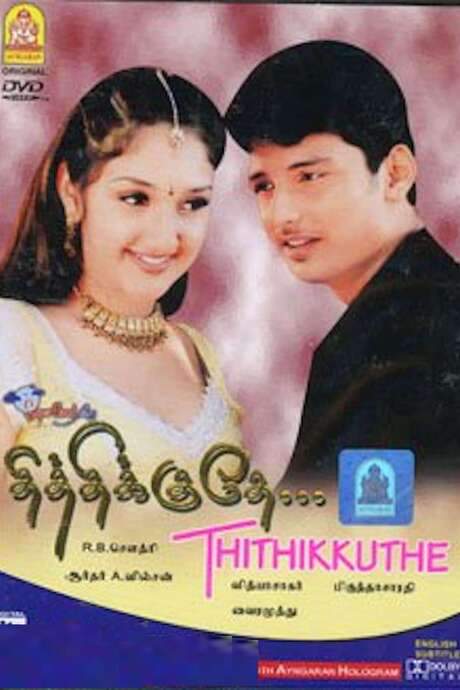
Chathikkatha Chanthu (2004) movie poster

Plot Summary

Chathikkatha Chanthu (2004) Plot Summary Explained

Release, runtime and language
2004 · 140 mins · Malayalam
Directed by
Mecartin, Raffi
Starring
Siddique, Jagathy Sreekumar, Lal, Bhavana, Jayasurya, Salim Kumar

To keep Indira, the landlord’s daughter who is infatuated with him, Chanthu invents an imaginary lover named Vasumathi and sends her fake love letters. Unexpectedly, a real Vasumathi receives the letters, becomes curious, and begins searching for the mysterious sender, entangling Chanthu in a comic web of mistaken identity.

On this page (5)
  1. 1 What happens: full plot
  2. 2 Plot questions answered
  3. 3 Movie threads
  4. 4 Movies like Chathikkatha Chanthu
  5. 5 Every angle

Full plot summary · contains spoilers

What Happens in Chathikkatha Chanthu: Full Plot Summary

The whole story of Chathikkatha Chanthu (2004) explained, from the opening scene to the final frame: every key event, every twist and what it all adds up to. Read it as a quick recap before the sequel, to check a scene you missed, or to finally understand what really happened.

Chanthu [Jayasurya] is a young screenwriter whose mother works in a grand mansion owned by Thampuran [Janardhanan]. Thampuran’s daughter Indira [Bhavana] is in love with Chanthu, but he does not return her feelings. When Thampuran learns of this unrequited romance, he uses his influence to manipulate the situation: he compels Chanthu to write earnest, romantic letters to a woman named Vasumathi, an imaginary muse from the fictional village of Thottakkattukara, and makes sure Indira stumbles across them. The plan is simple in appearance, yet it carries a dangerous sting, because a real Vasumathi exists in a real Thottakkattukara—a young woman who is unaware of the letters until fate makes them collide.

This real Vasumathi, nicknamed “Suma,” is at a turning point in her life. She is poised to take a desperate step as she wrestles with a painful past and a sense of being trapped by family schemes. When she reads Chanthu’s letters, a fragile hope stirs inside her: could this be the salvation she has longed for? She resolves to seek out the writer she believes has provided her with a lifeline. With the letters in hand, she boards a bus headed to Madras, determined to find the mysterious Chanthu.

At the bus stop and along the journey, Vasumathi shares her astonishing story with the group of people she encounters—dance choreographer Krishnan [Vineeth Radhakrishnan], along with other members of his crew—while Chanthu remains unaware of her true identity. It is only when they reach Madras that Vasumathi reveals herself directly, presenting herself to Chanthu under a different name, Suma. The moment is charged with a mix of curiosity and danger, as the man who wrote the letters begins to confront the possibility that the woman he inspired could be more real than he ever imagined.

Inside the film’s frame, the director Harikrishnan welcomes Chanthu to share his script, and the project moves forward. Chanthu presents his own tale to the director and adds that Vasumathi’s belief in the letters is a direct consequence of her own life. Yet the director remains skeptical: would any girl truly entrust herself to letters that appear to be purely romantic, unless there is a compelling, painful motive behind them? Vasumathi decides to reveal her origins to persuade the director—and, in doing so, she lays bare a chilling family history. She comes from a wealthy family; her mother Ambika died when she fell into a well, her grandmother later died in her sleep, and all the whispers point to Vasumathi herself. Her refusal to marry her cousin Aravindan only deepens the suspicion around her. The family blamed her for misfortune and subjected her to the “exorcism” of a fake Hindu priest, a cruel ritual that left her scarred and traumatized. The torture, coupled with the belief that she was somehow responsible for the family tragedies, nearly drove her to suicide.

Unknown to Vasumathi, her relatives—led by her uncle Ramu [Ramu]—had been eyeing her fortune and had conspired with the priest to drive her to despair. The only voice of sympathy in the clan is Vasumathi’s grandfather [Madhu], who cannot fully resist the manipulation that surrounds him. He too becomes a pawn in the family’s plot. Still, the director approves Chanthu’s script, move by move, and Vasumathi joins in to help him shape the narrative that could rescue her.

As the plot thickens, Krishnan returns with a crucial truth: the story Vasumathi believes in should have its roots in reality to convince the audience and the director. Indira arrives on the scene once more, having learned about Thampuran’s manipulations and the maneuvering inside the family. Chanthu asks Indira to leave Madras, but she chooses to stay, determined to see how the tangled web will unfold. Later, pressured by Ramu’s machinations, Aravindan lures Vasumathi back to Thottakkattukara, a plan meant to isolate her and to break the growing alliance between Vasumathi and Chanthu.

Krishnan reveals to Chanthu and Indira the full extent of the family’s deceit, and Chanthu redoubles his efforts to rescue Vasumathi. He writes a new script designed to save her, then, with the film crew, travels to Vasumathi’s ancestral home. They confront the relatives with a display of modern visual effects and cinematic trickery designed to reveal the truth and to grant Vasumathi a chance at safety. They deliver care and comfort to her, and the fear that once ruled her begins to loosen its grip.

But the past refuses to stay buried. The relatives summon the old priest to torment Vasumathi again, and their plan almost succeeds until the film crew’s presence, plus a surge of courage, disrupts the ritual. Thampuran, moved by a sense of remorse, arrives with a desire to make amends and to protect Chanthu and Indira, while recognizing the damage his actions caused.

With the plot exposed, the relatives’ deceit unravels. Ramu orders the entire cohort of relatives and their thug allies to murder Chanthu and the film crew. In the confrontation that follows, Ramu admits that he orchestrated murders in order to frame Vasumathi. The truth finally reaches Vasumathi’s grandfather, who arrives just in time and kills Ramu, diluting the conspiracy that had haunted the family. Vasumathi’s life begins to turn away from fear as her grandfather’s sacrifice brings a bitter yet necessary justice. After the killer’s downfall, the grandfather is arrested for the act of killing Ramu, and the family’s crimes are laid bare for all to see.

In the wake of these revelations, Vasumathi’s safety becomes the primary concern. The grandfather entrusts Chanthu and the film crew with her protection, acknowledging that he cannot stay to shield her any longer. He faces arrest, but his final act has already secured a future for Vasumathi. With the threat neutralized and the family’s plots laid bare, a sense of closure returns to the household, and the criminals are brought to justice.

The story takes on a new life as the events themselves inspire a movie. The films’ production becomes a meta-narrative, mirroring the real-life struggle and the choices that saved Vasumathi. In a quiet, intimate coda, Chanthu emerges as a successful screenwriter, and his life with Vasumathi is framed as a partnership built on trust and shared resilience. Indira, who stood by her own desires, marries Krishnan, the dance choreographer who played a crucial role in revealing the truth and supporting Vasumathi’s path to safety.

What began as a manipulated plan to fuel a romance becomes a larger reckoning with family greed, abuse, and the power of storytelling. The letters that started as a weapon end up catalyzing a broader truth: that art, when guided by empathy and courage, can expose lies, heal wounds, and rewrite destinies. The journey from a looming tragedy to a hopeful, new chapter for Vasumathi is not just a triumph of a single couple, but a vindication of a community that chose to stand with the vulnerable and to confront the darkness that had long lain beneath the surface.


Last updated: October 09, 2025 at 15:08

Was this helpful?

Plot questions answered

Chathikkatha Chanthu Plot Explained: Your Questions Answered

The questions people ask most about Chathikkatha Chanthu (2004): what happens in the confusing scenes, why the characters do what they do, the twists, hidden details and what the ending means. Each answer contains spoilers.

Q1

Why did Thampuran force Chanthu to write letters to Vasumathi?

Thampuran manipulated Chanthu into writing romantic letters to an imaginary woman named Vasumathi from the fictional village of Thottakkattukara. His goal was to trick his daughter Indira into believing Chanthu was already in love with someone else, hoping she would give up on her unrequited feelings for him. However, Thampuran was unaware that a real Vasumathi actually existed in a real village by that name, creating the central coincidence that drives the plot.

Foreshadowing: The early scene where Thampuran learns about Indira's feelings sets his manipulative plan in motion.

  • thampuran
  • chanthu
  • letters
  • vasumathi
  • manipulation
  • indira
Q2

How did the real Vasumathi receive Chanthu's letters?

When Thampuran forced Chanthu to write the love letters, he made sure Indira would find them. The letters somehow reached the real Vasumathi in Thottakkattukara village, likely through a chain of coincidences or perhaps someone in Thampuran's household circulating them. The real Vasumathi, who was struggling with her own painful circumstances, read the letters and believed the mysterious sender might be her salvation.

Foreshadowing: The film establishes early on that Thampuran's plan, though seemingly simple, carries a dangerous sting because a real Vasumathi exists.

  • vasumathi
  • letters
  • thottakkattukara
  • coincidence
  • discovery
Q3

Why did Vasumathi believe the letters were written for her?

Vasumathi had been through extreme trauma. Her family blamed her for her mother's death (falling into a well) and her grandmother's death, subjected her to a fake exorcism by a priest, and pressured her to marry her cousin Aravindan. She was isolated, traumatized, and desperate for escape. When the romantic letters arrived, they represented hope, a way out of her desperate situation, so she chose to believe they were meant for her.

Foreshadowing: The letters arrive at a moment when Vasumathi is poised to take a desperate step, making her vulnerable to believing in this supposed lifeline.

  • vasumathi
  • trauma
  • desperation
  • escape
  • letters
  • hope
Q4

What was the dark family secret behind Vasumathi's trauma?

Vasumathi came from a wealthy family where her mother Ambika died by falling into a well, and her grandmother later died in her sleep. Her family wrongly blamed her for these tragedies and subjected her to cruel treatment. Her uncle Ramu and cousin Aravindan conspired with a fake priest to perform an exorcism on her, attempting to drive her to suicide so they could seize her inheritance. The family branded her as possessed to cover their greed.

Foreshadowing: When Vasumathi reveals her origins to the director, she describes a chilling family history of tragedy and suspicion.

  • vasumathi
  • family
  • conspiracy
  • ramu
  • exorcism
  • abuse
  • inheritance
Q5

How did Chanthu and the film crew manage to rescue Vasumathi?

After learning the truth about Vasumathi's situation, Chanthu rewrote his script to expose the family conspiracy. He and the film crew traveled to Vasumathi's ancestral home in Thottakkattukara. There, they used visual effects and cinematic trickery to frighten the relatives and the priest, disrupting the planned torture ritual. Their presence gave Vasumathi the courage to resist, and they ultimately protected her from further harm.

Foreshadowing: Krishnan earlier suggested that the story Vasumathi believes in should have roots in reality to convince the director, foreshadowing the rescue mission.

  • chanthu
  • vasumathi
  • rescue
  • film crew
  • thottakkattukara
  • confrontation
Q6

What was Ramu's conspiracy against Vasumathi?

Ramu, Vasumathi's uncle, orchestrated a plot to murder family members and frame Vasumathi for the crimes. His motive was to eliminate Vasumathi and claim her fortune. He worked with Aravindan to lure her back to Thottakkattukara and conspired with the fake priest to continue torturing her. The plan was to drive her to suicide or have her arrested for murders she didn't commit, allowing Ramu to inherit her wealth.

Foreshadowing: When Aravindan tricks Vasumathi into returning home, the danger becomes clear, her relatives are tightening the trap around her.

  • ramu
  • conspiracy
  • murder
  • frame
  • vasumathi
  • aravindan
  • inheritance
Q7

Why did Vasumathi's grandfather kill Ramu?

When the truth about Ramu's conspiracy was exposed during the confrontation at Vasumathi's home, her grandfather finally understood the extent of his family's deceit. Ramu confessed to orchestrating murders to frame Vasumathi, and in a moment of righteous anger, Vasumathi's grandfather killed Ramu. This act, while violent, brought justice for the crimes committed against Vasumathi, though the grandfather was subsequently arrested for the killing.

Foreshadowing: The grandfather had been a silent presence throughout, unable to fully resist the manipulation around him, yet never fully complicit.

  • grandfather
  • ramu
  • killing
  • justice
  • arrest
  • vasumathi
Q8

How does the movie end for Chanthu, Vasumathi, and Indira?

After the family conspiracy is exposed and Ramu is killed, Vasumathi's grandfather entrusts her care to Chanthu and the film crew before being arrested. The events inspire a real movie within the film. In the epilogue, Chanthu becomes a successful screenwriter and marries Vasumathi. Indira, who had stayed in Madras despite Chanthu asking her to leave, marries Krishnan, the dance choreographer who helped reveal the truth. All characters find hope and closure.

Foreshadowing: The film's meta-narrative structure mirrors real life, the events themselves become the story that saves Vasumathi.

  • ending
  • marriage
  • chanthu
  • vasumathi
  • indira
  • krishnan
  • happy ending
Q9

What was the purpose of the film within the film?

The film that Chanthu writes serves a dual purpose. Initially, the director Harikrishnan questions whether any girl would truly entrust herself to purely romantic letters unless there was a painful motive. By incorporating Vasumathi's real story into the script, Chanthu creates a narrative that resonates with truth. Ultimately, the film becomes both a creative project and a practical tool, using cinematic effects to confront Vasumathi's abusers and rescue her from harm.

Foreshadowing: The director's skepticism about the letters' plausibility directly leads Vasumathi to reveal her traumatic past.

  • film
  • script
  • rescue
  • harikrishnan
  • vasumathi
  • storytelling
Q10

Why did Indira stay in Madras after learning about Thampuran's manipulation?

Indira learned about her father's deception in manipulating Chanthu to write the letters. When Chanthu asked her to leave Madras, she refused and chose to stay to see how the tangled situation would unfold. Her decision reflects her independent nature and curiosity about the truth, eventually leading her to support Vasumathi and marry Krishnan instead.

Foreshadowing: Indira's re-entry into the Madras plot complicates the relationships and raises the emotional stakes.

  • indira
  • madras
  • chanthu
  • stay
  • manipulation
  • thampuran

Movie threads

More Movies Like Chathikkatha Chanthu, by Mood & Story

Curated lists built around what makes Chathikkatha Chanthu tick: the same mood, the same kind of story or the same emotional payoff. Each list explains why these movies belong together.

Romantic comedies built on lies like Chathikkatha Chanthu

Where well-intentioned lies spiral into delightful romantic chaos. If you enjoyed the charming deception in Chathikkatha Chanthu, you'll love these movies where a simple white lie about love spirals into a complex web of mistaken identity and comedic chaos, ultimately leading to a heartfelt and happy resolution.

  • romantic
  • comedic
  • suspenseful
  • quirky
  • uplifting
  • mischievous
  • Tone: hopeful, whimsical
  • Pacing: steady
Why these movies?

The story pattern: The narrative follows a protagonist who creates a fictional scenario to escape an awkward situation, usually romantic. A real person then enters the picture, believing the fiction to be true, forcing the protagonist to maintain an elaborate charade. The story unfolds as the lie grows more complicated, leading to comedic set pieces and a climax where the truth is revealed, often resulting in forgiveness and real love.

Why they belong together: These films are grouped by their shared central premise of a romantic lie taking on a life of its own. They balance humor derived from the protagonist's increasing panic with a hopeful, uplifting tone, as the deception ironically becomes the very thing that brings the right people together.

Movies about quirky rescuers like Chathikkatha Chanthu

Stories where eccentric characters use imagination to save others from darkness. Fans of Chathikkatha Chanthu will appreciate these stories about hopeful and quirky individuals who use their imagination and charm to help others heal from trauma, often involving a mix of comedy, romance, and a sincere mission to bring light into someone's life.

  • hopeful
  • redemptive
  • quirky
  • uplifting
  • heartfelt
  • whimsical
  • Tone: hopeful, redemptive
  • Pacing: steady
Why these movies?

The story pattern: The narrative pattern involves a protagonist discovering someone in emotional distress, often due to a family secret or past trauma. Instead of a conventional approach, the hero employs an unusual, imaginative, or even comedic strategy to help. The journey involves breaking down walls, facing the source of the pain, and using their unique personality as a tool for healing, leading to a redemptive and uplifting conclusion for all.

Why they belong together: These films share a specific emotional mix: they tackle serious themes like trauma or abuse but frame them within a fundamentally hopeful and often humorous narrative. The connection lies in the unique method of rescue—through creativity and kindness—rather than force or drama, creating a distinctly uplifting and quirky vibe.

If you liked this

Movies Like Chathikkatha Chanthu

Similar movies to Chathikkatha Chanthu: the same genre, themes or kind of story. Each one comes with its own plot summary, timeline and ending explained.

Browse all movie summaries

Every angle

Chathikkatha Chanthu (2004) Explained: Plot, Timeline & Characters

Everything about Chathikkatha Chanthu in one place: what happens in the plot summary, the timeline in chronological order, the characters and meaning and a spoiler-free summary. What's After the Movie adds the cast, box office and post-credit scenes.

Coming soon on iOS and Android

The Plot Explained Movie Summary App

Plot summaries, endings explained and timelines on your phone. Catch up on any movie in minutes, save your favorites and never miss a twist again.

Be the first to know when we launch. Your email stays private, always.

Learn more about the app