Plot Explained Spoilers guaranteed!
Plot Explained

Browse by genre

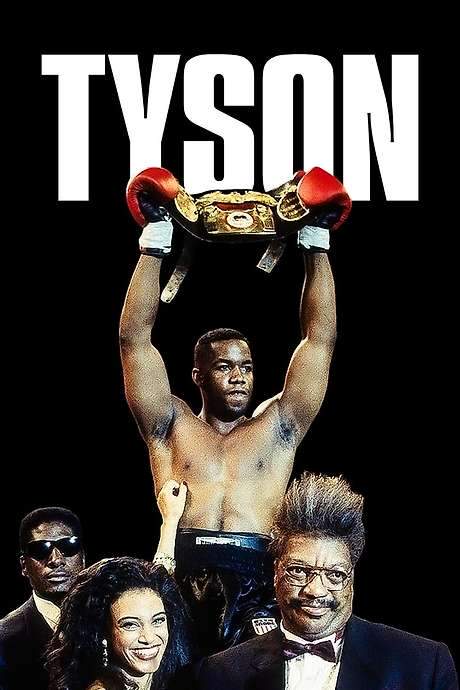
Tyson (1995) movie poster

Plot Summary

Tyson (1995) Plot Summary Explained

Release, runtime and language
1995 · 110 mins · English
Loading streaming availability…
Directed by
Uli Edel
Starring
Clark Gregg, Tony Lo Bianco, George C. Scott, Holt McCallany, Michael Jai White, Reg E. Cathey

Chronicles Mike Tyson’s meteoric rise from a 12‑year‑old amateur with a fearsome punch to becoming the undisputed Heavyweight Champion of the World, then follows his personal and legal turmoil, culminating in his rape conviction. The film moves swiftly through his turbulent career, never lingering too long on any single episode.

On this page (6)
  1. 1 Where to watch
  2. 2 What happens: full plot
  3. 3 Plot questions answered
  4. 4 Movie threads
  5. 5 Movies like Tyson
  6. 6 Every angle
Loading streaming availability…

Full plot summary · contains spoilers

What Happens in Tyson: Full Plot Summary

The whole story of Tyson (1995) explained, from the opening scene to the final frame: every key event, every twist and what it all adds up to. Read it as a quick recap before the sequel, to check a scene you missed, or to finally understand what really happened.

Mike Tyson [Michael Jai White] grows up a troubled youth with the dream of becoming a professional boxer. His mentor and trainer, Cus D'Amato [George C. Scott], begins shaping the young fighter and surrounds him with a trusted circle: manager Jimmy Jacobs [Tony Lo Bianco], manager Bill Cayton [James B. Sikking], and trainer Kevin Rooney [Clark Gregg], who help rebuild his life. D'Amato makes it clear that as long as Tyson keeps good people nearby, they can keep him out of trouble.

Tyson rapidly rises through the ranks, yet tragedy strikes when D'Amato's health deteriorates and he dies. Jacobs steps in to guide Tyson's growing career, and the young fighter rides a wave of early triumphs. In 1986, Tyson steps into the ring against Trevor Berbick in Las Vegas for the World Boxing Council heavyweight championship. At twenty years old, he wins, becoming the youngest champion in boxing history, a feat that sets the tone for his meteoric rise. The following year, he takes on Tony Tucker in a match that secures his title once more, proving his dominance in the ring.

Away from the ringside, Tyson's personal life makes headlines as he marries his pregnant girlfriend, actress Robin Givens [Kristen Wilson]. The news is overshadowed by the sorrow of Jacobs' leukemia-related death, a blow that shakes Tyson's camp. Cayton continues to steer his career, while Don King [Paul Winfield] enters the scene with offers to promote his ascent, a proposal Tyson initially declines before ultimately accepting. The media becomes a battleground as King, Givens, and Cayton trade accusations of manipulating Tyson, fueling public controversy.

A personal setback follows when Robin suffers a miscarriage, and Tyson begins to slacken in training. Rooney confronts him, revealing painful truths—Robin was never pregnant to begin with—and Tyson responds with aggression, knocking out two of his training partners in a brutal display of temper.

In 1988, Tyson faces Michael Spinks; he wins, and the victory is celebrated by fans, though tensions linger between Cayton and Rooney over how to guide Tyson's career. A high-profile Barbara Walters interview places Tyson's mental health in the spotlight, adding pressure to his public image. The situation intensifies at home when police arrive at Robin's residence after Tyson's erratic behavior; she accuses him of emotional abuse and seeks a divorce.

The saga moves to Tokyo on February 11, 1990, where Tyson meets Buster Douglas. Despite a determined effort, Tyson is defeated by knockout, a setback that reshapes the trajectory of his career.

In 1991, Tyson faces a courtroom ordeal for the rape of beauty pageant contestant Desiree Washington [Rebekah Johnson]. He is convicted and sentenced to six years in prison, while Rooney files a civil damages suit against him. After his release in 1995, Tyson signals a comeback, with Don King remaining his promoter, though King himself remains entangled in legal troubles over insurance fraud.
Last updated: October 07, 2025 at 13:38

Was this helpful?

Plot questions answered

Tyson Plot Explained: Your Questions Answered

The questions people ask most about Tyson (1995): what happens in the confusing scenes, why the characters do what they do, the twists, hidden details and what the ending means. Each answer contains spoilers.

Q1

Why was Cus D'Amato so important to Mike Tyson's career

Cus D'Amato was Mike Tyson's mentor and trainer who discovered him as a troubled 12-year-old and shaped him into a professional boxer. D'Amato built a trusted support circle around Tyson, including Jimmy Jacobs, Bill Cayton, and Kevin Rooney, believing that keeping good influences nearby would keep Tyson out of trouble. His death in the mid-1980s marked a major turning point, leaving Tyson to rely more heavily on his management team.

Foreshadowing: D'Amato explicitly warned that if Tyson lost his trusted circle of people, he would fall into trouble, a warning that proves prophetic as his career unravels.

  • cus d'amato
  • mike tyson trainer
  • mentor
  • boxing career
Q2

How did Mike Tyson become the youngest heavyweight champion in history

In 1986, at just 20 years old, Mike Tyson defeated Trevor Berbick for the WBC heavyweight championship in Las Vegas. This victory made him the youngest heavyweight champion in boxing history, achieving a feat that set the tone for his meteoric rise. He further cemented his dominance in 1987 by defeating Tony Tucker to unify the heavyweight titles.

Foreshadowing: Tyson's early training under Cus D'Amato built the foundation for his rapid ascent through the professional ranks.

  • youngest heavyweight champion
  • trevor berbick
  • tyson vs berbick
  • boxing history
Q3

Why did Mike Tyson eventually accept Don King as his promoter

Don King entered the picture offering to promote Tyson's career while the young champion was being pulled in different directions by his existing managers. Tyson initially declined King's proposal, wary of shifting alliances and trusting his current team. However, after considering the potential benefits, he ultimately accepted King's offer, entangling his career with a promoter who would later become controversial due to legal troubles.

Foreshadowing: The tension between Cayton and Rooney over how to guide Tyson's career created an opening for King's involvement.

  • don king
  • mike tyson promoter
  • boxing promoter
Q4

What was the truth about Robin Givens' pregnancy and miscarriage

Robin Givens announced she was pregnant and suffered a miscarriage, which affected Tyson's emotional state and training. However, trainer Kevin Rooney later confronted Tyson with the devastating truth that Robin was never actually pregnant to begin with. This revelation fueled Tyson's anger and contributed to his violent outburst where he knocked out two training partners.

Foreshadowing: Rooney's confrontation reveals the manipulation in Tyson's personal life, exacerbating his volatile behavior.

  • robin givens
  • pregnancy
  • miscarriage
  • kevin rooney
Q5

Why did Mike Tyson lose to Buster Douglas in Tokyo

On February 11, 1990, in a shocking upset, Buster Douglas knocked out Mike Tyson in Tokyo to win the heavyweight title. The loss shattered Tyson's aura of invincibility and marked a significant turning point in his career. Prior to the fight, Tyson had been dominant, but Douglas arrived prepared and succeeded where others had failed. The defeat signaled the beginning of Tyson's decline as the dominant force in heavyweight boxing.

Foreshadowing: Tyson's personal turmoil and declining training discipline had been mounting, making him vulnerable to an opponent like Douglas.

  • buster douglas
  • tokyo
  • upset
  • knockout
  • 1990
Q6

What led to Mike Tyson's rape conviction in 1991

In 1991, Mike Tyson was convicted of raping beauty pageant contestant Desiree Washington. He was sentenced to six years in prison for the crime. The conviction marked a dramatic fall from grace for the former champion, ending the first era of his career and overshadowing his athletic achievements. The trial was highly publicized and became a major cultural moment.

Foreshadowing: Tyson's history of erratic behavior, aggression, and the mounting personal controversies all contributed to the circumstances leading to the trial.

  • rape conviction
  • desiree washington
  • prison sentence
  • 1991
Q7

Why did Kevin Rooney file a civil lawsuit against Mike Tyson

Kevin Rooney, who had been Tyson's trainer and part of his inner circle, filed a civil damages suit against Tyson. The lawsuit came after Tyson's rape conviction in 1991, representing the breakdown of the professional and personal relationship between boxer and trainer. Rooney had previously confronted Tyson about his behavior and the situation with Robin Givens, and the legal action reflected the fractured trust within Tyson's camp.

Foreshadowing: Rooney's earlier confrontation with Tyson about his temper and personal life foreshadowed the complete rupture of their relationship.

  • kevin rooney
  • lawsuit
  • civil damages
  • trainer
Q8

Why did Mike Tyson knock out his own training partners

After learning the painful truth about Robin Givens' fake pregnancy from Kevin Rooney, Tyson flew into a rage and knocked out two of his training partners in a brutal display of temper. The incident occurred at his training gym and demonstrated the volatility that had been building due to personal stress, relationship turmoil, and mounting pressure from media scrutiny.

Foreshadowing: This violent outburst was a preview of the behavioral problems that would increasingly define Tyson's life outside the ring.

  • training partners
  • knockout
  • anger
  • gym
  • rooney
Q9

What caused Mike Tyson's career decline after his peak

Mike Tyson's decline resulted from a combination of factors: the death of his mentor Cus D'Amato, the loss of manager Jimmy Jacobs to leukemia, manipulation by Don King, the tumultuous marriage to Robin Givens, and his own behavioral issues. The devastating loss to Buster Douglas in 1990 shattered his invincibility, and his 1991 rape conviction and prison sentence effectively ended his first career arc. The trusted circle that D'Amato had built around him had dissolved.

Foreshadowing: D'Amato's warning about keeping good people around Tyson proved accurate, the departures of Jacobs, Cayton, and Rooney left Tyson vulnerable to exploitation.

  • career decline
  • fall from grace
  • don king
  • personal issues
Q10

How did Jimmy Jacobs' death affect Mike Tyson's career

Jimmy Jacobs was Tyson's manager who stepped in to guide his career after Cus D'Amato's death. His sudden death from leukemia shook Tyson's support system and created a power vacuum. Following Jacobs' death, Bill Cayton continued steering Tyson's career, but the loss opened the door for Don King to enter the promotional landscape, fundamentally changing the dynamics of Tyson's team and leading to eventual manipulation.

Foreshadowing: Jacobs' death marked the beginning of the erosion of the protective structure D'Amato had built around Tyson.

  • jimmy jacobs
  • manager
  • leukemia
  • death
Q11

What was the significance of Mike Tyson's Barbara Walters interview

The high-profile Barbara Walters interview placed Mike Tyson's mental health under intense media scrutiny in 1988-1989. The conversation brought public attention to questions about his temperament, behavior, and psychological state. The interview intensified the spotlight on Tyson's personal life and contributed to the complex public image that mixed fascination with his boxing prowess and concern for his emotional stability.

Foreshadowing: The interview's focus on Tyson's mental state foreshadowed the mounting personal problems that would consume his career.

  • barbara walters
  • interview
  • mental health
  • media
  • 1988
Q12

Why did Robin Givens divorce Mike Tyson and accuse him of abuse

Robin Givens divorced Mike Tyson after police arrived at her residence following his erratic behavior. She accused him of emotional abuse and sought a divorce, adding significant domestic turmoil to Tyson's mounting personal problems. The divorce intensified media scrutiny and reflected the breakdown of their marriage, which had been marked by controversy, questions about the pregnancy, and Tyson's increasingly volatile conduct.

Foreshadowing: The domestic conflict with Robin was part of the broader pattern of instability that characterized Tyson's life during his descent.

  • robin givens
  • divorce
  • abuse
  • police
  • domestic

Movie threads

More Movies Like Tyson, by Mood & Story

Curated lists built around what makes Tyson tick: the same mood, the same kind of story or the same emotional payoff. Each list explains why these movies belong together.

Tragic sports downfall stories like Tyson

The swift ascent and devastating personal collapse of a celebrated athlete. If you were gripped by the meteoric rise and fall in Tyson, explore more movies about athletes whose personal turmoil leads to a tragic downfall. These films share a dark tone, high emotional weight, and a focus on the harsh realities behind the glory of sports.

  • tragic
  • gripping
  • somber
  • meteoric
  • anxious
  • brutal
  • Tone: dark, tragic
  • Pacing: fast, relentless
Why these movies?

The story pattern: The narrative typically follows a chronological path: a raw talent is discovered, mentored, and skyrocketed to the top of their sport. This rise is contrasted with a swift or gradual decline fueled by internal struggles, arrogance, legal troubles, or addiction, culminating in a sad or bleak ending that underscores the cost of their journey.

Why they belong together: These films are grouped by their shared focus on the 'cautionary tale' archetype within sports. They combine the physical intensity of competition with the heavy emotional weight of a personal collapse, creating a gripping, somber, and ultimately tragic viewing experience.

Dark true story biographies like Tyson

Unflinching true stories where fame and power lead to a brutal collapse. For viewers who appreciated the gritty, factual portrayal of turmoil in Tyson, this section features similar movies based on true stories of rapid rise and fall. These films are gripping, anxious, and often contain strong violence or disturbing themes, focusing on real-life tragedy.

  • gripping
  • anxious
  • brutal
  • oppressive
  • somber
  • tragic
  • Tone: dark, oppressive
  • Pacing: fast, swift
Why these movies?

The story pattern: Stories in this thread are rooted in reality, charting a non-fiction character's journey through a world of high stakes, often involving crime, corruption, or violence. The narrative is straightforward but emotionally complex, moving quickly through pivotal events to build towards an inevitable and sobering conclusion based on real outcomes.

Why they belong together: These movies are linked by their commitment to portraying difficult, true-life events with high intensity and a dark tone. They share a focus on the brutal consequences of power, the spectacle of a public fall from grace, and the exploration of deeply flawed, real individuals.

If you liked this

Movies Like Tyson

Similar movies to Tyson: the same genre, themes or kind of story. Each one comes with its own plot summary, timeline and ending explained.

Browse all movie summaries

Every angle

Tyson (1995) Explained: Plot, Timeline & Characters

Everything about Tyson in one place: what happens in the plot summary, the timeline in chronological order, the characters and meaning and a spoiler-free summary. What's After the Movie adds the cast, box office and post-credit scenes.

Coming soon on iOS and Android

The Plot Explained Movie Summary App

Plot summaries, endings explained and timelines on your phone. Catch up on any movie in minutes, save your favorites and never miss a twist again.

Be the first to know when we launch. Your email stays private, always.

Learn more about the app