Plot Explained Spoilers guaranteed!
Plot Explained

Browse by genre

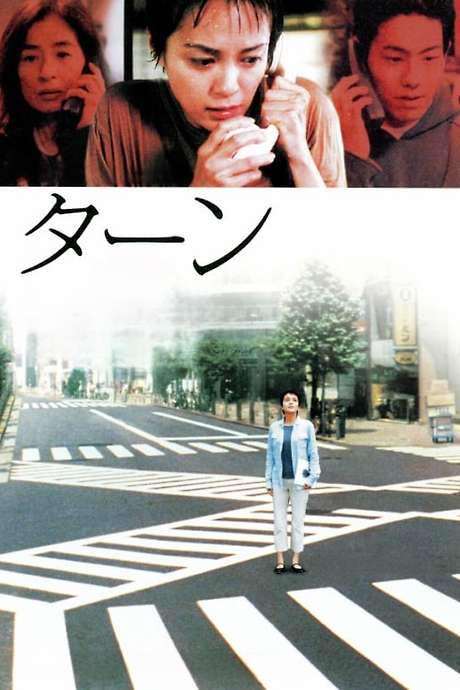
Turn Left, Turn Right (2003) movie poster

Plot Summary

Turn Left, Turn Right (2003) Plot Summary Explained

Release, runtime and language
2003 · 96 mins · Cantonese
Loading streaming availability…
Directed by
Johnnie To, Wai Ka-Fai
Starring
Takeshi Kaneshiro, Lam Suet, Gigi Leung Wing-Kei, Benz Hui Siu-Hung, Terri Kwan, Four Tse Liu-Shut

An aspiring violinist and a professional translator lead parallel lives in the same apartment building, seemingly perfect for one another, yet fate constantly separates them. Each time they leave their apartments, one always turns left while the other turns right, preventing their paths from ever crossing.

On this page (6)
  1. 1 Where to watch
  2. 2 What happens: full plot
  3. 3 Plot questions answered
  4. 4 Movie threads
  5. 5 Movies like Turn Left, Turn Right
  6. 6 Every angle
Loading streaming availability…

Full plot summary · contains spoilers

What Happens in Turn Left, Turn Right: Full Plot Summary

The whole story of Turn Left, Turn Right (2003) explained, from the opening scene to the final frame: every key event, every twist and what it all adds up to. Read it as a quick recap before the sequel, to check a scene you missed, or to finally understand what really happened.

In a quiet city, two people live in buildings that touch at a thin wall, always near but never seeing each other. John Liu is a violinist who slides from one job to the next, chasing melodies and steady work. During a gig, he meets Beatrice Hsu as June, a bold and flirtatious woman who offers him a ride home. Her direct charm unsettles him, and he bolts from the car, sprinting toward the safety of his own building. The next day he sees her waiting at the left corner of the block, and a simple fear of being cornered by her makes him avoid that side of the building entirely, a small wariness that tugs at him every time he steps outside.

Eve Choi is a translator at a bustling book publishing house, tasked with turning a chilling horror novel into Chinese. Night after night she works, chasing the rhythm of unfamiliar phrases and the creeping sense that the story might bleed into her own apartment. The hours grow tense as she translates, and she begins to worry that the walls around her might be listening. By day, she notices a menacing tree to the right side of her building and resolves to keep to the left, convinced that the right may harbor something she doesn’t want to invite in.

The two lives converge in a park, where a fountain becomes a small, shared memory. John Liu helps Eve Choi recover papers that have fallen into the water, and they realize they had crossed paths once before, when they were younger during a school field trip to an amusement park. Eve had asked for John’s number back then, but a train incident sent her bag away and erased the contact. They exchange numbers again, the moment electric with possibility, but they do not share names, and the rain clouds roll in before they can pause to introduce themselves properly.

That night they are buoyed by the chance of rekindled fate, but the next morning brings a brutal slap of illness. Both catch a harsh flu from the rainstorm, and the clock in their bodies ticks with a heavy ache. John’s medication—expired—sits on a shelf, while Eve forgets to take hers in the rush of day-to-day life. The next day, the rain has wreaked further havoc on their fragile plan: the numbers on their damp papers have blurred into a muddle of unreadable digits, leaving them with only fragments to guide their calls. Each tries several combinations, hoping to reach the other, grasping at luck in a quiet, anxious way.

One of the scattered numbers leads to a restaurant where Lam Suet plays the Restaurant Owner. When Terri Kwan arrives with a delivery, she spots the two feverish, hopeful figures and quickly pieces together that they are both trying to reach someone they cannot quite name. She becomes a bridge of sorts, offering a practical distraction to John when she notices how close he is to missing a missed connection. To divert him from the awkward truth, she spins a story about an old lady living in the neighboring apartment, a harmless lie meant to give him something to focus on besides the stubborn wall that keeps two people apart.

The fever deepens into a hospital visit. Edmund Chen appears as Dr. Hu, a former university classmate of Eve who carries a quiet crush for her. He insists on giving Eve the best care possible, and his professional calm is shadowed by a personal longing that complicates his judgment. He and Ruby—the patient, resourceful helper who inspired John to see the humanity in his own loneliness—play pivotal roles as the hospital becomes a space where emotions are tested and loyalties waver. Dr. Hu makes the choice to discharge John, but Ruby’s insistence on the severity of John’s illness persuades him to rethink that decision. Before leaving, John and Eve entrust their home keys to Ruby and Dr. Hu so that voicemail can catch any future message from the other.

After discharge, the cruel irony reveals itself: Dr. Hu and Ruby have moved into each of John and Eve’s apartments. Neither John nor Eve wants the two intruders in a life they are trying to rebuild, and heartbreak paves the way for a rash, impulsive decision. Dr. Hu and Ruby, wounded in love and seeking solace, decide to be together, a small act of a larger revenge against the couple who can’t quite find each other. They mail photographs showing all the places they had missed in the pursuit, a bittersweet catalog that stings two people who are still counting missing numbers rather than cherished moments. John and Eve confront them, but the attempt to test the others’ feelings by passing along phone numbers does not spark the reaction they hoped for; neither pair makes the call they fear they might never get to make.

With frustration mounting, John and Eve resolve to pursue opportunities abroad, hoping distance might sharpen their focus and clear a path to one another. But on the day they are set to leave Taiwan, an earthquake shakes the city and tears down the wall that has kept them apart. In the shaking, the barrier that has defined their daily lives collapses, and the two finally spot one another across the newly revealed space. The long separation ends, and fate—persistent and patient—finally allows them to reach out, bridging the final distance that had kept them from a shared future.


Last updated: November 22, 2025 at 16:00

Was this helpful?

Plot questions answered

Turn Left, Turn Right Plot Explained: Your Questions Answered

The questions people ask most about Turn Left, Turn Right (2003): what happens in the confusing scenes, why the characters do what they do, the twists, hidden details and what the ending means. Each answer contains spoilers.

Q1

Why does John run away from June after she offers him a ride home?

John feels uncomfortable with June's aggressive flirting and bold advances during the drive. Her direct charm unsettles him, so he jumps out of the car and sprints toward his building to escape the situation. This incident establishes his tendency to avoid confrontational situations and sets the pattern for his later hesitation with Eve.

Foreshadowing: John's quick escape from June foreshadows his repeated inability to act decisively when faced with romantic opportunities.

  • john liu
  • june
  • violinist
  • avoids woman
  • run away
Q2

Why does Eve avoid the right side of her building?

Eve is translating a horror novel at night, which makes her increasingly paranoid that her apartment is haunted or that the walls are listening. The next day she notices a menacing-looking tree on the right side of her building and becomes convinced that something dangerous lurks there, so she deliberately keeps to the left.

Foreshadowing: Eve's fear of the right side establishes the tragic pattern that prevents her from ever turning toward John's building.

  • eve choi
  • translator
  • horror novel
  • scared
  • tree
  • building side
Q3

How do John and Eve lose each other's phone numbers?

After exchanging numbers at the park, both John and Eve catch a severe flu from the rainstorm that evening. John's medication is expired while Eve forgets to take hers entirely. The rain damages the paper where they wrote the numbers, blurring the digits into unreadable combinations. They can only recall fragments, leading to failed attempts to reach each other.

Foreshadowing: The blurred numbers reflect the film's theme of fate keeping the two apart through small, seemingly random obstacles.

  • phone numbers
  • rain
  • flu
  • blurred
  • lost contact
  • damanged paper
Q4

Why do Ruby and Dr. Hu end up living in John and Eve's apartments?

Before leaving the hospital, John and Eve each give their home keys to Ruby and Dr. Hu so the recipients can check for voicemail messages from each other. However, Dr. Hu and Ruby, who have both been hurt by unrequited feelings for John and Eve, decide to move into the vacant apartments as an act of romantic revenge. They want to fill the spaces that John and Eve abandoned while pursuing each other.

Foreshadowing: This twist plants the seeds for the final earthquake scene, as the barrier between the apartments becomes a literal as well as emotional obstacle.

  • ruby
  • dr hu
  • apartment
  • moved in
  • revenge
  • keys
  • voicemail
Q5

What causes John and Eve to both end up in the hospital?

After their park meeting in the rain, both John and Eve develop a severe flu. John's condition deteriorates because he takes expired medication, while Eve's illness worsens from neglecting her medicine during the excitement of potentially reuniting. Their flu becomes serious enough to require hospitalization, keeping them apart during the critical window when they should have been calling each other.

Foreshadowing: Their simultaneous illness mirrors the film's recurring pattern of timing working against them.

  • hospital
  • flu
  • illness
  • expired medicine
  • sick
  • john liu
  • eve choi
Q6

How do John and Eve meet at the park fountain?

John helps Eve recover papers that have fallen into the park fountain. During this interaction, they realize they had previously met years earlier during a school field trip to an amusement park. Eve had asked for John's number back then, but a train incident caused her to lose her bag with the contact information. They exchange numbers again at the fountain, but a rainstorm begins before they can introduce themselves properly.

Foreshadowing: The childhood meeting establishes that fate has been weaving their paths together long before the main story begins.

  • park fountain
  • childhood
  • amusement park
  • first meeting
  • exchange numbers
  • school trip
Q7

What triggers the earthquake at the end of the movie?

On the day John and Eve are about to leave Taiwan for jobs abroad, an earthquake strikes the city. The tremor is strong enough to destroy the wall that has physically separated their apartment buildings throughout the entire film. This collapse finally allows them to see each other across the open space, bringing their long-separated worlds together.

Foreshadowing: The earthquake is the ultimate fulfillment of fate, removing the literal barrier that has prevented their meeting despite living inches apart.

  • earthquake
  • wall collapses
  • reunion
  • final scene
  • fate
  • taiwan
  • buildings
Q8

Why don't John and Eve learn each other's names?

After exchanging phone numbers at the park fountain, John and Eve part ways as a rainstorm quickly rolls in. They are caught up in the excitement of rekindling their childhood connection and the urgency of finding shelter, so they never pause to formally introduce themselves. This omission becomes crucial later when they are searching for each other but cannot confirm who they are looking for.

Foreshadowing: Their failure to exchange names compounds the difficulty of their later attempts to reconnect.

  • names
  • exchange
  • never learned
  • park
  • rainstorm
  • introduce
Q9

What is the restaurant Owner's role in helping John and Eve?

When John and Eve try calling the few readable digits from their damaged phone numbers, one of the numbers belongs to a restaurant where Ruby works as a delivery person. When Terri Kwan arrives with a delivery, she observes the two feverish, hopeful individuals and realizes they are trying to reach someone they cannot name. Ruby then becomes a bridge between them, eventually facilitating their connection.

Foreshadowing: Ruby intercepts their missed connections and becomes a key figure in the chain of events.

  • restaurant
  • ruby
  • delivery
  • lam suet
  • phone call
  • wrong number
Q10

What do the photographs that Ruby and Dr. Hu send to John and Eve mean?

After moving into John and Eve's apartments, Ruby and Dr. Hu send photographs showing all the places in the city where the two protagonists had missed finding each other over the years. These pictures represent the painful irony of how close John and Eve always were, crossing the same locations at different times, serving as a bittersweet catalog of their failed encounters.

Foreshadowing: The photos highlight the central tragedy of the film: proximity without connection.

  • photographs
  • missed encounters
  • places
  • ruby
  • dr hu
  • bittersweet

Movie threads

More Movies Like Turn Left, Turn Right, by Mood & Story

Curated lists built around what makes Turn Left, Turn Right tick: the same mood, the same kind of story or the same emotional payoff. Each list explains why these movies belong together.

Movies about fateful love and serendipitous encounters like Turn Left, Turn Right

Stories where love is orchestrated by fate, often through clever near-misses and coincidences. If you enjoyed the charming near-misses and destiny-driven plot of Turn Left, Turn Right, you'll love these other romantic movies. This section features stories where love is guided by fate, filled with hopeful longing and serendipitous resolutions, perfect for viewers seeking similar whimsical romance films.

  • serendipitous
  • fateful
  • longing
  • hopeful
  • romantic
  • charming
  • Tone: whimsical, hopeful
  • Pacing: steady, patient
Why these movies?

The story pattern: Narratives in this thread typically follow two characters whose lives are intertwined by circumstance but separated by timing or chance. The plot revolves around a series of near-encounters that build anticipation, often involving a supportive cast or a specific setting that facilitates the 'almost' moments, leading to a final, dramatic event that finally brings the couple together.

Why they belong together: These movies are grouped by their shared core premise of romance dictated by destiny. They possess a whimsical tone, a steady pacing that allows the near-misses to resonate, and a medium emotional weight focused on hopeful longing rather than deep tragedy, resulting in a uniquely charming and optimistic viewing experience.

Movies about urban loneliness and quiet connections like Turn Left, Turn Right

Character-driven stories about finding love and meaning amidst the anonymity of a big city. For fans of Turn Left, Turn Right who appreciated its theme of neighbors living parallel lives in a city. Discover similar movies about urban loneliness, missed connections, and the quiet hope of finding someone who understands, featuring gentle dramas and romances with a steady, contemplative pace.

  • urban loneliness
  • contemplative
  • introspective
  • hopeful
  • melancholic
  • quiet
  • Tone: melancholic, hopeful
  • Pacing: steady, contemplative
Why these movies?

The story pattern: The narrative pattern involves characters who are physically close yet emotionally distant, often neighbors or strangers who frequent the same spaces. The story unfolds through observations of their daily routines, emphasizing the irony of loneliness in a crowd. The conflict is internal—a yearning for connection—which is gradually resolved through a slow build of awareness and a pivotal moment that bridges the gap.

Why they belong together: These films share a specific mood blend of melancholy and hope, set against an urban backdrop. They are united by a moderate pacing that allows for character reflection, a medium emotional weight dealing with themes of isolation, and a focus on the subtle poetry of everyday life that can lead to love.

If you liked this

Movies Like Turn Left, Turn Right

Similar movies to Turn Left, Turn Right: the same genre, themes or kind of story. Each one comes with its own plot summary, timeline and ending explained.

Browse all movie summaries

Every angle

Turn Left, Turn Right (2003) Explained: Plot, Timeline & Characters

Everything about Turn Left, Turn Right in one place: what happens in the plot summary, the timeline in chronological order, the characters and meaning and a spoiler-free summary. What's After the Movie adds the cast, box office and post-credit scenes.

Coming soon on iOS and Android

The Plot Explained Movie Summary App

Plot summaries, endings explained and timelines on your phone. Catch up on any movie in minutes, save your favorites and never miss a twist again.

Be the first to know when we launch. Your email stays private, always.

Learn more about the app