Year: 1996
Runtime: 153 mins
Language: Hindi
Director: Guddu Dhanoa
Thakur Gajendra Singh controls a criminal empire that dominates a small town, bending the police to his will. The town is a graveyard for officers who dare oppose him. When Inspector Amar Varma is posted there, he quickly learns his duty endangers not only his own life but also the safety of his loved ones at the merciless Thakur's hands.
Warning: spoilers below!
Haven’t seen Tu Chor Main Sipahi yet? This summary contains major spoilers. Bookmark the page, watch the movie, and come back for the full breakdown. If you're ready, scroll on and relive the story!
Read the complete plot breakdown of Tu Chor Main Sipahi (1996), including all key story events, major twists, and the ending explained in detail. Discover what really happened, and what it all means.
Raja, Saif Ali Khan, is a notorious criminal who robs the wealthy under the alias “King.” Inspector Amar Verma, Akshay Kumar, is a tenacious police officer determined to bring him in, chasing him through the bustling streets of Mumbai. The police are relentless, pressing for King’s arrest within four days, and warning Verma that a failure could mean his transfer to Tandarikala, a remote outpost infamous as the graveyard of policemen, where few officers ever return.
Amar nearly corners King, but a dangerous incident with local bandits injures him on the return journey. Seizing the moment, King abandons Amar and travels on to Tandarikala, where he arrives pretending to be a legitimate inspector. The new setting is stark and oppressive: Tandarikala is ruled by the merciless Thakur Gajendra Singh, Amrish Puri, a man who spares no one and treats the village like his private fief. He discards the old men and abducts young men, forcing them into hard labor and perilous subservience.
Inside this harsh landscape, Raja encounters Guddu, a village simpleton who resembles Amar—a look-alike that could confuse even the sharpest minds. Guddu is not merely a doppelgänger; he is revealed to be Inspector Amar in disguise, who followed Raja to arrest him but, confronted with the villagers’ suffering at the hands of Thakur, finds his purpose shifting. Rather than uphold a brittle chase, Amar chooses solidarity with Raja to challenge the tyrant’s grip on the village.
What follows is an unlikely alliance built on a common goal: topple Thakur Gajendra Singh and end the cruelty that plagues Tandarikala. Together, Amar and Raja confront Thakur’s goons, navigate treacherous loyalties, and push back against a system that treats people as expendable. The plan blends street-smart raids with strategic courage, turning the tide against oppression and violence that had long defined life in the village.
In the final confrontation, the tyrant and his henchmen fall to a combination of bold action and shared resolve. The battle crescendos in a decisive moment where law and rebellion converge, and the city’s pulse seems to shift as justice edges closer. The aftermath brings a moment of levity after a grim struggle: Amar handcuffs Raja, sealing a remarkable, almost humorous partnership forged under fire. The two men share a laugh, signaling a hard-won sense of closure and a belief that even contrasting paths can meet to challenge overwhelming tyranny.
Last updated: February 17, 2026 at 19:58
Explore frequently asked questions about Tu Chor Main Sipahi (1996) with spoiler-rich answers covering the full plot summary, major story beats, character motivations, hidden details, and ending meaning. This movie summary FAQ helps explain confusing scenes, plot twists, and narrative decisions in clear, searchable detail.
Inspector Amar disguises himself as Guddu, a village simpleton, to tail Raja unnoticed. After being injured during the chase, Amar follows Raja to Tandarikala not to arrest him immediately, but to gather evidence and understand the situation. However, once he witnesses the villagers' suffering under Thakur's tyranny, his mission transforms from catching a criminal to helping the oppressed people.
During the pursuit on the road between Mumbai and Tandarikala, Inspector Amar nearly corners King after a bold heist. However, an attack by local bandits injures Amar, creating a window for King to slip away. While Amar is recovering from his injuries, King uses the opportunity to travel to Tandarikala and assume his fake inspector identity.
The Commissioner's warning about the four-day deadline creates pressure that contributes to Amar's aggressive chase, leading to his injury.
Amar's priorities shift dramatically after witnessing Thakur Gajendra Singh's brutal rule in Tandarikala. He sees villagers being abducted, forced into labor, and living in fear. Rather than simply completing his original mission to arrest King, Amar decides that confronting the immediate tyranny affecting hundreds of innocent people is more important than pursuing one criminal.
After Raja encounters Guddu (who is actually Amar in disguise), the truth is revealed - Amar had followed Raja to Tandarikala. Instead of continuing their adversarial chase, both men recognize that Thakur's oppression affects everyone, including Raja himself who was trying to establish himself in the village. They set aside their differences and form an alliance to combine Amar's law enforcement authority with Raja's street-smart criminal skills to topple Thakur's regime.
Raja's encounter with Guddu earlier establishes the visual similarity that makes the revelation possible.
Thakur Gajendra Singh rules Tandarikala as a merciless dictator who has corrupted both the police and the entire village. He forces young men, including minors, into hard labor, discards old men, and treats the village as his personal fief. The Thakur has bend the local authorities to his will, creating an environment where no one dares oppose him - earning Tandarikala its grim reputation as the graveyard of policemen.
In the final scene, Amar handcuffs Raja to fulfill his duty as a police officer - Raja is still a criminal who must face justice for his robberies. However, they share a laugh because their partnership has created a genuine bond. They've fought together, saved the villagers together, and respect each other despite coming from opposite sides of the law. The laugh represents the complex, almost humorous nature of their unlikely friendship forged under fire.
The alliance built throughout the film naturally leads to this complicated emotional conclusion.
Tandarikala is a remote, oppressive village where Thakur Gajendra Singh maintains his criminal empire. It earns the nickname "graveyard of policemen" because officers who are posted there rarely survive or return. The Thakur eliminates or drives away any law enforcement official who dares oppose him, making it a fatal posting for police officers.
The Commissioner's warning about Tandarikala establishes the danger before Amar even arrives.
When Raja arrives in Tandarikala, he assumes the identity of a fake inspector to navigate the corrupt environment safely. Knowing that Thakur controls the village through fear and violence, Raja uses the inspector disguise to blend in and avoid drawing attention to himself as a newcomer with criminal background. This allows him to operate within the village's power structure.
The final confrontation takes place at Thakur's fortress in Tandarikala. Amar and Raja, having organized the villagers and coordinated their resistance, launch a coordinated strike against Thakur's goons. The battle combines Amar's strategic law enforcement approach with Raja's street-smart tactics. In the decisive clash, Thakur and his henchmen are killed, collapsing the oppressive regime and freeing the village.
The earlier strike against Thakur's rule establishes the pattern of resistance that culminates in this final battle.
After defeating Thakur and ending his tyranny, Raja's fate is left somewhat ambiguous but implies he must face consequences for his criminal past. In the closing scene, Amar handcuffs Raja - signifying that despite their alliance and mutual respect, Raja cannot simply walk away free. The handcuffing represents the restoration of law and order, though the shared laugh suggests their friendship may influence Raja's future treatment.
Discover curated groups of movies connected by mood, themes, and story style. Browse collections built around emotion, atmosphere, and narrative focus to easily find films that match what you feel like watching right now.
A lone hero arrives in a town ruled by fear and takes on a powerful, corrupt overlord.If you enjoyed the high-stakes battle against Thakur Gajendra Singh in Tu Chor Main Sipahi, you'll like these other movies where a lone defender takes on a corrupt small-town empire. Discover similar stories of good versus evil and the fight for social justice.
The narrative follows a clear arc: an honorable protagonist enters a community paralyzed by fear under a cruel ruler. They witness the injustice firsthand, face personal threats and the endangerment of loved ones, and must rally against overwhelming odds to liberate the town, culminating in a direct, decisive confrontation.
Movies are grouped here for their shared premise of a localized power struggle against a villainous authority figure. They feature a fast-paced, tense atmosphere, a straightforward good-versus-evil conflict, and a cathartic, hopeful resolution where justice is ultimately served.
High-octane chases and fights driven by a clear moral purpose and a hopeful resolve.Fans of the gripping cat-and-mouse chases and clear-cut justice in Tu Chor Main Sipahi will enjoy these other ethical action thrillers. Find movies that blend tense, fast-paced action with themes of redemption and the fight for what's right.
Stories in this thread move quickly from one action set-piece to the next, but the plot is anchored by the protagonist's unwavering moral compass. The hero faces a powerful antagonist, and the physical conflict is intrinsically linked to a larger struggle for justice, leading to a satisfying and triumphant conclusion.
These films are grouped together because they balance high-energy, action-driven storytelling with a straightforward, morally clear narrative. They provide the thrill of the chase and the spectacle of conflict while affirming positive values, resulting in an exciting yet ultimately uplifting experience.
Don't stop at just watching - explore Tu Chor Main Sipahi in full detail. From the complete plot summary and scene-by-scene timeline to character breakdowns, thematic analysis, and a deep dive into the ending - every page helps you truly understand what Tu Chor Main Sipahi is all about. Plus, discover what's next after the movie.
Track the full timeline of Tu Chor Main Sipahi with every major event arranged chronologically. Perfect for decoding non-linear storytelling, flashbacks, or parallel narratives with a clear scene-by-scene breakdown.
Discover the characters, locations, and core themes that shape Tu Chor Main Sipahi. Get insights into symbolic elements, setting significance, and deeper narrative meaning - ideal for thematic analysis and movie breakdowns.
Discover movies like Tu Chor Main Sipahi that share similar genres, themes, and storytelling elements. Whether you’re drawn to the atmosphere, character arcs, or plot structure, these curated recommendations will help you explore more films you’ll love.
Tu Chor Main Sipahi (1996) Scene-by-Scene Movie Timeline
Tu Chor Main Sipahi (1996) Movie Characters, Themes & Settings
Tu Chor Main Sipahi (1996) Spoiler-Free Summary & Key Flow
Movies Like Tu Chor Main Sipahi – Similar Titles You’ll Enjoy
Chupan Chupai (2018) Story Summary & Characters
Indian (2001) Full Summary & Key Details
Aan: Men at Work (2004) Movie Recap & Themes
Main Hoon Na (2004) Ending Explained & Film Insights
Sobharaj (1986) Full Summary & Key Details
Mainkar Chipay (2020) Film Overview & Timeline
Main Khiladi Tu Anari (1994) Movie Recap & Themes
Haathkadi (1995) Ending Explained & Film Insights
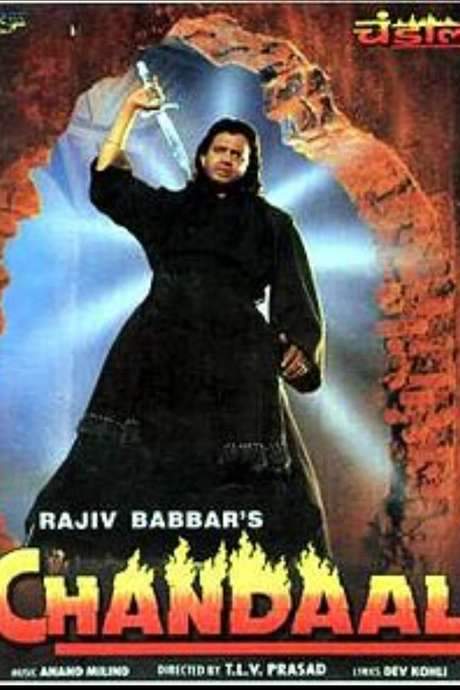
Chandaal (1998) Film Overview & Timeline
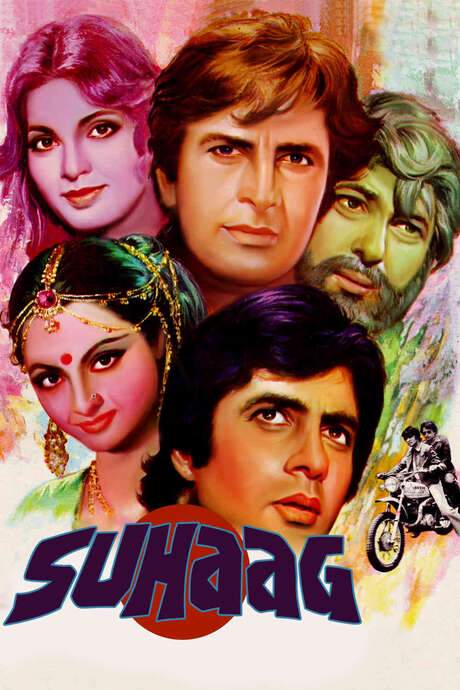
Suhaag (1979) Spoiler-Packed Plot Recap
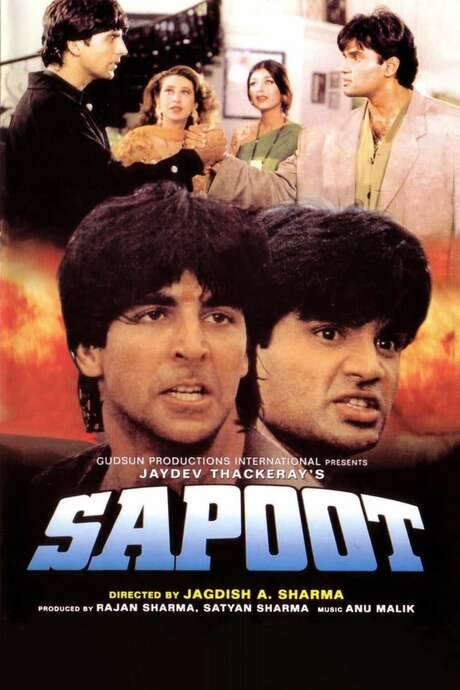
Sapoot (1996) Full Movie Breakdown
Baadshah (1999) Full Movie Breakdown
Jis Desh Mein Ganga Behti Hai (1960) Plot Summary & Ending Explained
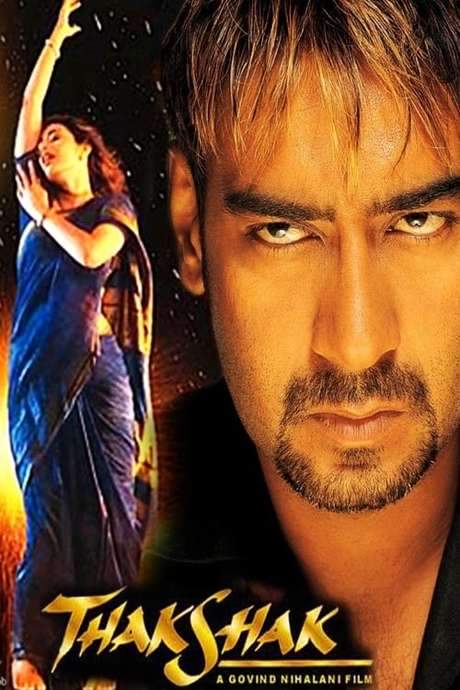
Thakshak (1999) Complete Plot Breakdown
Keemat (1998) Detailed Story Recap