Plot Explained Spoilers guaranteed!
Plot Explained

Browse by genre

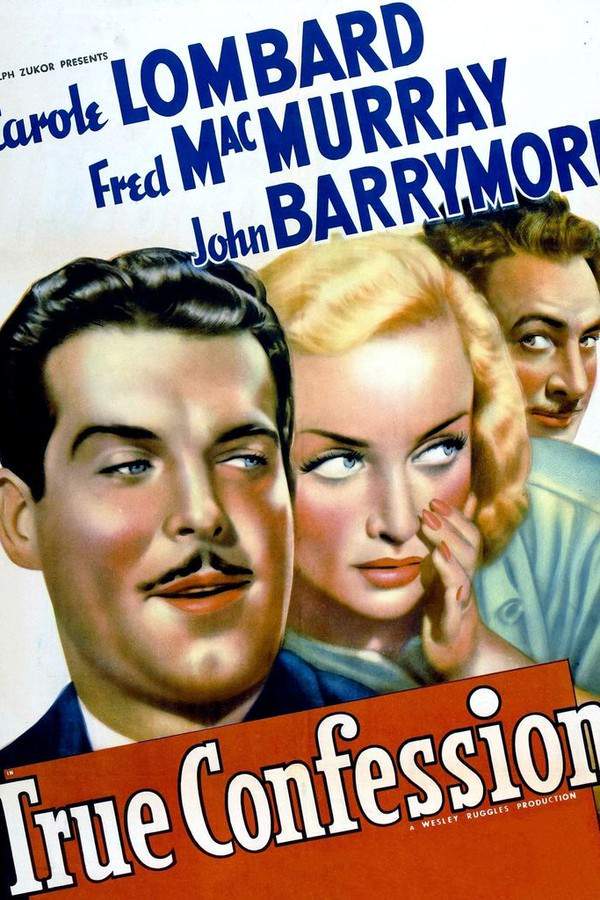
True Confession (1937) movie poster

Characters & Themes

True Confession (1937) Characters, Setting & Themes Explained

Release, runtime and language
1937 · 85 min · English
Directed by
Wesley Ruggles
Starring
Irving Bacon, Una Merkel, Porter Hall, Carole Lombard, Edgar Kennedy, Fritz Feld

A clever lawyer finds himself embroiled in a complex case when he defends his wife, who is accused of murder. As he investigates, he uncovers a web of lies and unexpected twists, questioning everything he thought he knew. Ultimately, he must confront a surprising truth and fight to prove her innocence, leading to a humorous and ultimately touching resolution.

On this page (6)
  1. 1 Characters explained (4)
  2. 2 Where & when it takes place
  3. 3 Themes & meaning (2)
  4. 4 Character & meaning questions
  5. 5 Movie threads
  6. 6 Every angle

4 main characters · contains spoilers

True Confession Characters Explained: Who Is Who

The main characters of True Confession (1937), heroes and villains: what drives them, how they change over the course of the story and what each of them reveals about the film's bigger ideas.

  • Rev. Desmond Spellacy

    played by Irving Bacon

    Desmond Spellacy is a conflicted young monsignor who struggles to balance his duties to the church with the moral complexities of his relationships. He is dedicated yet flawed, often caught in the web of corruption surrounding him. His desire for integrity clashes with the darker sides of the institution he represents.

    • ⛪ Religion
    • ⚔️ Conflict
    • 🤐 Secrecy
  • Tom Spellacy

    played by Porter Hall

    Tom Spellacy is a determined homicide detective with a strong sense of justice. He is deeply affected by the investigation of Lois Fazenda’s murder, which intertwines with his family's reputation and his brother's life. His tenacity often puts him at odds with the corruption he uncovers, reflecting the broader themes of loyalty and ethical responsibility.

    • 🔍 Investigation
    • 👮‍♂️ Law
    • 🧠 Determination
  • Jack Amsterdam

    played by Fritz Feld

    Jack Amsterdam is a corrupt construction mogul manipulating his ties to the church for personal gain. His influence in the community raises significant ethical questions about power dynamics and moral integrity. As a lay Catholic, he embodies the intersection of religion and business chicanery.

    • 💰 Corruption
    • 🌆 Power
    • ⚠️ Manipulation
  • Brenda Samuels

    played by Una Merkel

    Brenda Samuels is a madam with a complicated history, reflecting the darker aspects of Los Angeles society. She is portrayed as both a victim and a manipulator, caught in the web of crime and the socio-political dynamics of her environment. Her interactions with Tom highlight the personal effects of systemic corruption.

    • 🏙️ Prostitution
    • ⚖️ Morality
    • 🔥 Conflict

Last updated: January 18, 2025 at 14:35

Was this helpful?

Setting

Where and When Does True Confession Take Place?

The setting of True Confession (1937): the year and time period, the places and locations, and how they shape the characters, the mood and the tension of the story.

Time period

1948

The film is set in 1948, a post-World War II era characterized by a mix of prosperity and moral questioning. This period saw significant changes in societal values, particularly around topics like sexuality and crime, which are central to the film's plot. The tensions between personal ethics and public respectability are highlighted against the backdrop of the Catholic Church's influence in society.

Location

Los Angeles, Desert

The movie takes place primarily in Los Angeles, a bustling city known for its entertainment industry and diverse culture. The story unfolds in various locations, including a corrupt construction environment and a local prostitution ring, reflecting the city's darker underbelly. It also mentions a remote parish in the desert, symbolizing Desmond’s exile and inner turmoil.

  • 🏙️ City
  • 🌵 Desert

Last updated: January 18, 2025 at 14:35

Was this helpful?

2 major themes

True Confession Meaning: Themes & Message Explained

What is True Confession (1937) really about? The emotional, social and philosophical themes the film keeps returning to, its symbolism and the message beneath the surface.

  • Justice

    The theme of justice permeates the film as characters struggle with moral dilemmas and the pursuit of truth. Tom’s relentless investigation into the murder illustrates the conflict between personal loyalty and professional duty. The film raises questions about the accountability of those in power and the societal implications of corruption.

  • Corruption

    Corruption is a central theme that manifests through the relationships between church officials, law enforcement, and the criminal underworld. Desmond's connection with Jack Amsterdam exposes the moral complexities individuals face when navigating their affiliations. This theme underscores the potential for moral decay within institutions meant to uphold societal values.

Last updated: January 18, 2025 at 14:35

Was this helpful?

Character & theme questions

True Confession Characters & Meaning: Your Questions Answered

The questions people ask about True Confession (1937): who the characters really are, their relationships, what the symbols mean, where it takes place and what the movie is really about. Each answer contains spoilers.

Q1

Where does True Confession take place?

The film is set primarily in Los Angeles, showcasing the city's dual nature as both an entertainment hub and a landscape of moral complexity. Key locations include corrupt construction environments and the city's underground prostitution ring, reflecting Los Angeles's darker underbelly. A remote desert parish also appears, symbolizing the protagonist's exile and inner spiritual turmoil.

  • los angeles setting
  • california
  • city locations
  • desert parish
Q2

When is True Confession set?

The film is set in 1948, a post-World War II era marked by prosperity but also moral questioning. This period saw significant shifts in societal values around sexuality, crime, and the influence of institutions like the Catholic Church. The 1948 setting allows the story to explore tensions between personal ethics and public respectability during a time of cultural transition.

  • 1948
  • post war
  • 1940s
  • time period
  • era
Q3

Who is Desmond Spellacy in the movie?

Desmond Spellacy is a young monsignor struggling to balance his duties to the Catholic Church with the moral complexities of his relationships. He is dedicated to his faith yet flawed, often caught in the web of corruption surrounding church officials. His desire for integrity clashes with the darker sides of the institution he represents, making him a central figure in the film's exploration of institutional decay.

  • desmond spellacy
  • monsignor
  • priest
  • church official
  • clergyman
Q4

Who is Tom Spellacy in the movie?

Tom Spellacy is a homicide detective with a strong sense of justice who becomes deeply invested in investigating the murder of Lois Fazenda. His determination to uncover the truth is intertwined with his family's reputation and his brother's life as a monsignor. Tom's relentless pursuit of justice often puts him at odds with the systemic corruption he uncovers, embodying the theme of loyalty versus ethical responsibility.

  • tom spellacy
  • detective
  • homicide
  • police
  • investigator
Q5

What role does corruption play in True Confession?

Corruption is a central theme, manifesting through interconnected relationships between church officials, law enforcement, and the criminal underworld. The film shows how individuals like Jack Amsterdam exploit their ties to religious institutions for personal gain, exposing moral decay within organizations meant to uphold societal values. This theme underscores the potential for ethical compromise when power and influence are at stake.

  • corruption
  • church corruption
  • crime
  • institutional decay
  • power abuse
Q6

What does the theme of justice explore in True Confession?

The theme of justice permeates the film as characters confront moral dilemmas and the pursuit of truth. Detective Tom Spellacy's relentless investigation illustrates the conflict between personal loyalty and professional duty. The film questions the accountability of those in power and examines the societal implications of corruption, ultimately showing how truth and justice prevail despite institutional failure.

  • justice
  • truth
  • morality
  • law
  • accountability
Q7

Who is Jack Amsterdam in the movie?

Jack Amsterdam is a corrupt construction mogul who manipulates his connections to the Catholic Church for personal profit. As a lay Catholic, he embodies the intersection of religion and business chicanery, using his influence in the community to advance his unethical enterprises. His character raises significant ethical questions about power dynamics and moral integrity in positions of societal influence.

  • jack amsterdam
  • construction
  • businessman
  • church ties
  • criminal
Q8

Who is Brenda Samuels in the movie?

Brenda Samuels is a madam who reflects the darker aspects of Los Angeles society during the 1940s. She is portrayed as both a victim and a manipulator, caught in the web of crime and the socio-political dynamics of her environment. Her interactions with detective Tom Spellacy highlight the personal effects of systemic corruption on individuals caught in the city's underground economy.

  • brenda samuels
  • madam
  • prostitute
  • los angeles underworld
  • female character
Q9

How does the Catholic Church feature in True Confession?

The Catholic Church plays a significant role as both an institution and a thematic element in the film. The story highlights the Church's influence on 1940s society while exposing internal corruption among its officials. Through characters like Desmond Spellacy and Jack Amsterdam, the film explores the tension between religious ideals and the moral failures of those within the institution, particularly regarding power and accountability.

  • catholic church
  • religion
  • church officials
  • faith
  • institution
Q10

What is the tone of True Confession?

The film has a consistently dark tone that explores the grim intersection of faith and institutional decay. While the subject matter is serious, dealing with murder, corruption, and psychological toll, the narrative avoids bleakness. The ending is bittersweet: personal forgiveness is achieved between family members, but their careers and reputations are shattered, with reconciliation occurring in the shadow of mortality.

  • tone
  • dark
  • bittersweet
  • mood
  • emotional weight

Movie threads

More Movies Like True Confession, by Mood & Story

Curated lists built around what makes True Confession tick: the same mood, the same kind of story or the same emotional payoff. Each list explains why these movies belong together.

Grim institutional investigations like in True Confession

Atmospheric crime stories revealing deep corruption within powerful institutions. Discover movies like True Confession that follow a tense investigation into systemic corruption. These stories often feature bleak atmospheres and characters confronting powerful, corrupt institutions, leading to heavy emotional journeys and bittersweet resolutions.

  • tense
  • grim
  • corrupt
  • atmospheric
  • frustrated
  • melancholic
  • Tone: dark, tense, grim
  • Pacing: steady, methodical
Why these movies?

The story pattern: Stories in this thread typically begin with an investigation that seems straightforward but quickly spirals, revealing layers of deceit and moral compromise within a trusted institution. The protagonist's journey is one of growing disillusionment, often culminating in a resolution that offers personal closure but fails to fully cleanse the corrupt system.

Why they belong together: These movies are grouped together because they share a core focus on exposing institutional decay through a methodical, tense investigation. They create a specific, heavy mood of futility and moral grayness, where justice is personal rather than systemic.

Bittersweet moral reckonings like in True Confession

Stories where seeking justice or truth comes at a devastating personal price. If you liked the heavy emotional cost and bittersweet ending of True Confession, explore these movies. They feature complex characters who pay a high personal price for their pursuit of truth, resulting in resolutions that are poignant rather than purely triumphant.

  • bittersweet
  • melancholic
  • heavy
  • moral complexity
  • frustrated
  • atmospheric
  • Tone: dark, bittersweet, melancholic
  • Pacing: steady, character-driven
Why these movies?

The story pattern: The narrative pattern involves a protagonist undertaking a morally complex quest that consumes them. While they may succeed in their immediate goal, the journey fundamentally changes or breaks them, leaving them with a hollow victory. The ending balances a note of hard-won personal resolution against the backdrop of profound loss.

Why they belong together: These films are united by their emotionally heavy journeys and their specific type of ending, which is more bittersweet than bleak. They appeal to viewers who appreciate complex moral dilemmas and conclusions that resonate with the real cost of truth and justice.

Every angle

True Confession (1937) Explained: Plot, Timeline & Characters

Everything about True Confession in one place: what happens in the plot summary, the timeline in chronological order, the characters and meaning and a spoiler-free summary. What's After the Movie adds the cast, box office and post-credit scenes.

Coming soon on iOS and Android

The Plot Explained Movie Summary App

Plot summaries, endings explained and timelines on your phone. Catch up on any movie in minutes, save your favorites and never miss a twist again.

Be the first to know when we launch. Your email stays private, always.

Learn more about the app