Plot Explained Spoilers guaranteed!
Plot Explained

Browse by genre

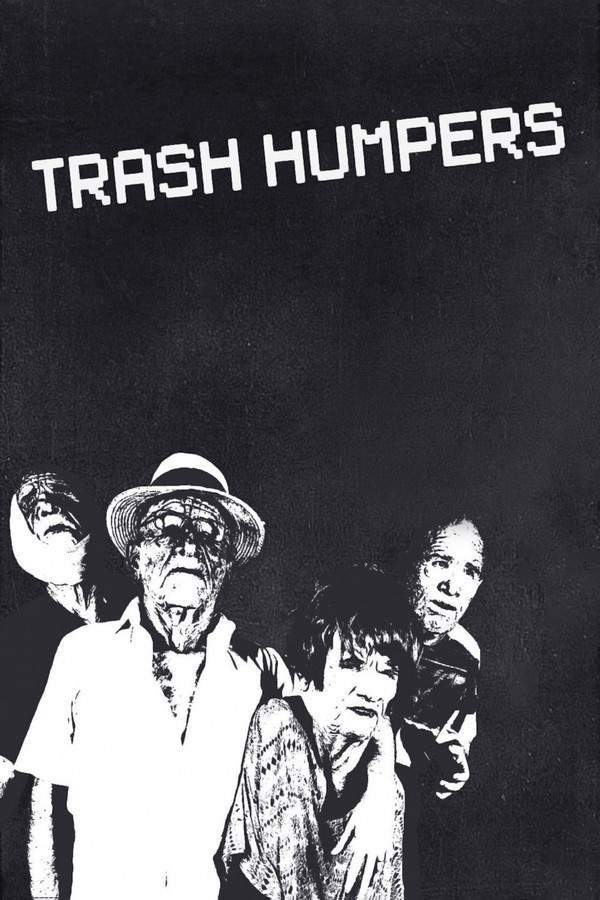
Trash Humpers (2010) movie poster

Timeline

Trash Humpers (2010) Timeline Explained – Every Event in Order

Release, runtime and language
2010 · 78 min · English
Loading streaming availability…
Directed by
Harmony Korine

Harmony Korine's Trash Humpers follows a group of unconventional individuals as they disrupt the tranquility of suburban life. Filmed using VHS for a deliberately grainy and unsettling aesthetic, the movie challenges cinematic norms with its jarring visuals and unconventional soundscape. The film explores themes of alienation and societal rejection through a darkly humorous and provocative lens, creating a raw and unforgettable experience.

On this page (6)
  1. 1 Where to watch
  2. 2 Events in order (12)
  3. 3 Timeline questions answered
  4. 4 Movie threads
  5. 5 Movies like Trash Humpers
  6. 6 Every angle
Loading streaming availability…

12 events in order · contains spoilers

Trash Humpers Timeline: Events in Chronological Order

Every key event of Trash Humpers (2010) in order, scene by scene, with when and where it takes place. Use it to untangle flashbacks, time jumps and parallel storylines, to refresh your memory before the sequel or to find the exact scene you are thinking of.

  1. Introduction of the Trash Humpers

    The film opens with a raw portrayal of the Trash Humpers, a group of eccentric elderly individuals. Their bizarre behavior and carefree vandalism set the stage for an unpredictable adventure that disrupts the calm in Nashville.

    Where
    Nashville
  2. Young Boy's Involvement

    A young boy becomes an unsuspecting participant in the Trash Humpers' antics. Teased for his lack of basketball skills, he finds himself ensnared in the group's chaotic dynamic, which ultimately spirals into a toxic atmosphere filled with violence.

    Where
    Nashville
  3. The Puppet Show Performance

    In a disturbing turn, the Trash Humpers stage a grim puppet show featuring conjoined twins Chang and Eng. This performance occurs as they gather to celebrate Buddy's birthday, foreshadowing the chaos that will follow.

  4. Buddy's Embarrassing Birthday

    On what should be a joyous occasion, Buddy's birthday celebration is marred by his embarrassing bout of constipation. This humiliating incident leaves him trapped and unable to join in the festivities.

  5. Absurd Pancake Ritual

    The Trash Humpers pull off a bizarre stunt by forcing two men in hospital gowns to eat pancakes doused in dish soap. This absurd event further exemplifies their penchant for chaos and peer pressure among the group.

  6. Destruction of Baby Dolls

    A haunting motif emerges as the Trash Humpers frequently destroy baby dolls during their escapades. These dolls become symbols of their rebellion and are often seen being dragged behind bicycles or choked with plastic bags, showcasing their destructive tendencies.

  7. Confrontation with the Cross-Dressing Poet

    In a tense encounter, the Trash Humpers meet a cross-dressing poet whose life ends tragically during a coincidental clash. This moment highlights the dark veil of violence that follows the Trash Humpers wherever they go.

  8. Encounter with a Self-Proclaimed Comedian

    The group meets a self-styled comedian who shares a barrage of questionable jokes. The humorless nature of his performance only emphasizes the unsettling atmosphere surrounding the Trash Humpers.

  9. Hervé's Monologue

    Hervé, a member of the Trash Humpers, delivers a monologue capturing their twisted philosophy. His reflections provide insight into the motivations and mindset of this misfit group as they traverse their chaotic world.

  10. Momma's Yearning for Divine Wisdom

    Amid the turmoil, Momma, the only female member, searches for divine guidance. Her misguided quest leads her to a shocking decision that transforms the narrative towards a more chilling climax.

  11. Kidnapping of a Baby

    In a haunting climax, Momma commits the act of kidnapping a baby from its home. This jarring decision marks a stark contrast to the tender moment she initially creates while cradling the child.

  12. The Lullaby Moment

    As Momma holds the kidnapped child, she sings a lullaby that echoes with tenderness. This juxtaposition between her soothing song and the violent acts surrounding the Trash Humpers creates a chilling emotional resonance.

Last updated: November 19, 2024 at 16:21

Was this helpful?

Timeline questions answered

Trash Humpers Timeline Explained: Your Questions Answered

When does it happen, and why in that order? The questions people ask about the chronology of Trash Humpers (2010): time jumps, flashbacks, cause and effect between scenes and the correct order of events, each answered with spoilers.

Q1

Why does Momma kidnap a baby at the end of the film?

Momma kidnaps the baby because she interprets it as a divine answer to her yearning for spiritual guidance. Throughout the film, she is the only member of the Trash Humpers who seeks wisdom from God, and her misguided religious quest leads her to believe that taking a child is the correct spiritual action. This act represents the culmination of her alienation and the group's complete disconnection from societal norms.

Foreshadowing: Earlier scenes establish Momma's spiritual longing as she desperately seeks divine direction, making her final decision feel like a twisted fulfillment of that quest.

  • momma
  • baby
  • kidnapping
  • ending
  • religion
  • divine guidance
Q2

What is the significance of the Trash Humpers destroying baby dolls?

The repeated destruction of baby dolls serves as a persistent motif symbolizing the Trash Humpers' rebellion against innocence and their celebration of destruction. The dolls are dragged behind bicycles or suffocated with plastic bags, acts that reflect their anti-social philosophy and rejection of conventional values. This imagery foreshadows the group's ultimate act of violence against a real child.

Foreshadowing: The baby doll destruction appears early in the film and recurs throughout, establishing a pattern of violence against symbols of innocence.

  • baby dolls
  • destruction
  • motif
  • symbolism
  • innocence
Q3

Why is Buddy's constipation important to the story?

Buddy's embarrassing bout of constipation during his birthday celebration serves as another example of the film's darkly absurd humor and the degradation of even mundane life events within the Trash Humpers' world. It reduces a supposed celebration to pure physical comedy and helplessness, emphasizing how the group transforms every situation into chaos or humiliation. The moment also underscores the film's focus on bodily functions and rejection of social decorum.

Foreshadowing: The puppet show of conjoined twins that precedes this moment already establishes the film's interest in physical oddities and the human body.

  • buddy
  • birthday
  • constipation
  • humiliation
  • absurd humor
Q4

Why is Trash Humpers filmed in grainy VHS style?

The deliberately grainy VHS aesthetic was chosen by Harmony Korine to create a raw, unsettling, and documentary-like feel that matches the film's themes of alienation and societal rejection. The low-quality footage makes the disturbing acts feel more visceral and authentic, as if the viewer is witnessing real events rather than a polished narrative. This technique also reflects the Trash Humpers' own low-status position in society and their outsider nature.

  • vhs
  • aesthetic
  • style
  • grainy
  • documentary
  • harmony korine
Q5

What does Hervé's monologue reveal about the Trash Humpers?

Hervé's monologue provides insight into the Trash Humpers' bizarre philosophy, explaining their worldview and motivations for engaging in chaotic, destructive behavior. As the member tasked with documenting their adventures, his reflections reveal that the group operates on a twisted set of values that celebrates anti-social behavior and rejects mainstream society. His words help viewers understand that their actions are not random but driven by a coherent (if disturbing) philosophy.

  • hervé
  • monologue
  • philosophy
  • worldview
  • documentarian
Q6

What is the significance of the conjoined twins puppet show?

The puppet show featuring conjoined twins Chang and Eng is staged during Buddy's birthday celebration and serves as a dark commentary on the Trash Humpers' own existence as strange, joined entities. The performance foreshadows the chaos to come and reflects the film's interest in physical oddities and the human body. It also demonstrates how the group turns even celebrations into disturbing theatrical events that blur the line between entertainment and horror.

Foreshadowing: This puppet show occurs early in the timeline, setting the tone for the violent escalation that follows.

  • puppet show
  • conjoined twins
  • chang and eng
  • buddy
  • birthday
Q7

Why does the cross-dressing poet die during the confrontation?

The cross-dressing poet's death occurs during a coincidental confrontation with the Trash Humpers and illustrates the group's willingness to commit random, senseless violence against outsiders. His death is never explained or justified within the film; it simply happens as part of the Trash Humpers' pattern of aggressive encounters with people who do not belong to their group. This moment highlights the ever-present danger that surrounds the Trash Humpers and underscores the bleak, violent world they inhabit.

  • poet
  • cross-dressing
  • death
  • violence
  • outsider
Q8

Why do the Trash Humpers force men to eat pancakes with dish soap?

The absurd ritual of forcing two men in hospital gowns to eat pancakes doused in dish soap exemplifies the Trash Humpers' penchant for degrading acts and peer pressure. This event demonstrates their enjoyment of humiliating others and forcing participation in their twisted games. The scene showcases the group's power dynamics, where newcomers or outsiders are subjected to degrading acts that assert the group's dominance and reinforce their anti-social identity.

  • pancakes
  • dish soap
  • ritual
  • humiliation
  • peer pressure
  • hospital gowns
Q9

What happens to the young boy who gets involved with the Trash Humpers?

The young boy becomes an unsuspecting participant in the Trash Humpers' chaotic activities after they notice him struggling with basketball. They tease him for his lack of skills, and he finds himself ensnared in the group's dynamic. His involvement ultimately contributes to a toxic atmosphere that spirals into violence, illustrating how the Trash Humpers draw outsiders into their destructive world and corrupt those who cross their path.

Foreshadowing: The boy's introduction early in the film establishes the pattern of the Trash Humpers involving vulnerable individuals in their antics.

  • young boy
  • basketball
  • violence
  • outsider
  • corruption
Q10

What is the meaning of the final lullaby scene?

The final lullaby moment creates a jarring contrast between tenderness and the repulsive acts that precede it. As Momma cradles the kidnapped baby and sings a lullaby, the film presents a chillingly maternal image that juxtaposes genuine tenderness with the horror of kidnapping. This ending offers no redemption or hope, rather, it underscores the Trash Humpers' complete inversion of normal human values, where kidnapping and potential harm are framed with moments of apparent love and care.

Foreshadowing: Momma's earlier yearning for divine wisdom directly leads to this disturbing culmination of her spiritual quest.

  • lullaby
  • ending
  • contrast
  • tender
  • baby
  • kidnapping
  • momma
Q11

What does Trash Humpers say about society and rejection?

Trash Humpers explores themes of alienation and societal rejection through its portrayal of a group that actively rejects conventional social values. The film presents the Trash Humpers as outcasts who find empowerment in their rejection of society, creating their own twisted culture built on vandalism, violence, and absurdist rituals. Through Hervé's monologue and the group's actions, the film questions whether their behavior is a form of liberation or a tragic symptom of deep alienation from mainstream society.

Foreshadowing: The film's opening vignettes immediately establish the Trash Humpers as outsiders disrupting suburban normalcy.

  • society
  • rejection
  • alienation
  • outcasts
  • culture
  • freedom

Movie threads

More Movies Like Trash Humpers, by Mood & Story

Curated lists built around what makes Trash Humpers tick: the same mood, the same kind of story or the same emotional payoff. Each list explains why these movies belong together.

Found Footage Nightmares and Urban Decay Movies Like Trash Humpers

Low-fi, voyeuristic journeys into society's crumbling underbelly. If you liked the raw VHS aesthetic and themes of urban alienation in Trash Humpers, you'll find similar movies here. These films use found footage or degraded visuals to explore gritty, transgressive stories, creating a uniquely unsettling and voyeuristic viewing experience.

  • raw
  • voyeuristic
  • transgressive
  • chaotic
  • grainy
  • urban decay
  • Tone: dark, provocative, alienating
  • Pacing: variable, vignette-based
Why these movies?

The story pattern: These films often lack a traditional plot, instead presenting a series of documentarian-style vignettes or a chaotic chronicle of characters acting out against their environment. The narrative is driven by atmosphere and shocking imagery rather than conventional story arcs, focusing on the texture of decay and the psychology of rebellion.

Why they belong together: They are grouped by their commitment to a specific, degraded visual style that amplifies themes of alienation and societal breakdown. The shared aesthetic creates a cohesive mood of authenticity and unease, making the bizarre or disturbing content feel more immediate and real.
Absurdist Vignettes of Social Collapse Similar to Trash Humpers

Darkly humorous, nonsensical episodes that challenge societal norms. For viewers who appreciated the dark humor and chaotic, vignette-based structure of Trash Humpers, this thread collects movies that use absurdist episodes to critique or dismantle social conventions. These films share a nonlinear, provocative approach to storytelling.

  • absurd
  • chaotic
  • provocative
  • episodic
  • dreamlike
  • alienating
  • Tone: dark, absurd, bleak
  • Pacing: variable, episodic
Why these movies?

The story pattern: The narrative unfolds in a series of loosely connected, surreal episodes rather than a single plotline. Characters often engage in bizarre rituals or destructive acts that serve as metaphors for broader societal issues. The journey is philosophical and atmospheric, leading to a bleak or ambiguous conclusion that offers little resolution.

Why they belong together: They are united by their unconventional narrative structure and their use of dark absurdism to explore themes of alienation. The shared focus on chaotic vignettes and a bleak, philosophical outlook creates a distinct viewing experience defined by its challenging and thought-provoking nature.

If you liked this

Movies Like Trash Humpers

Similar movies to Trash Humpers: the same genre, themes or kind of story. Each one comes with its own plot summary, timeline and ending explained.

Browse all movie summaries

Every angle

Trash Humpers (2010) Explained: Plot, Timeline & Characters

Everything about Trash Humpers in one place: what happens in the plot summary, the timeline in chronological order, the characters and meaning and a spoiler-free summary. What's After the Movie adds the cast, box office and post-credit scenes.

Coming soon on iOS and Android

The Plot Explained Movie Summary App

Plot summaries, endings explained and timelines on your phone. Catch up on any movie in minutes, save your favorites and never miss a twist again.

Be the first to know when we launch. Your email stays private, always.

Learn more about the app