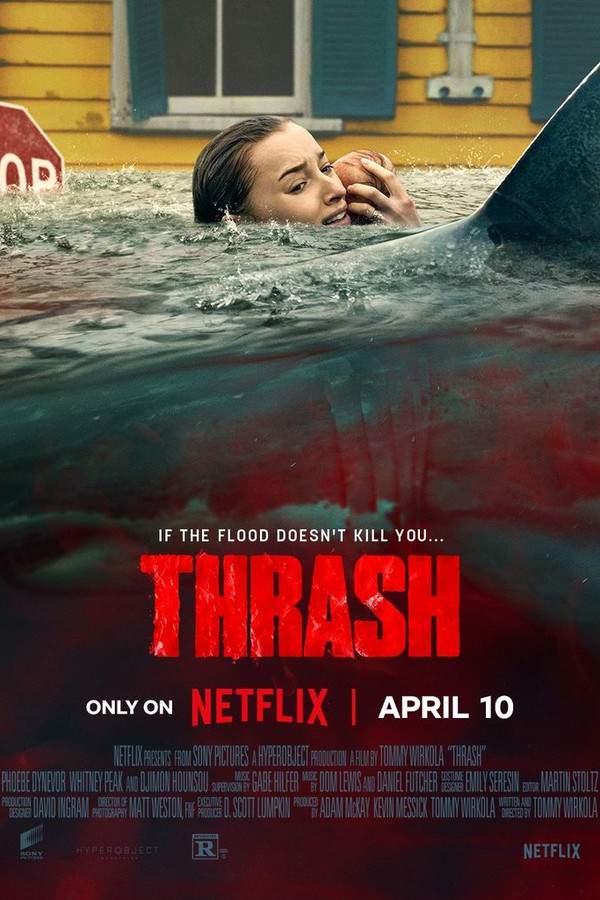
When a Category 5 hurricane decimates a coastal town, the storm surge brings devastation, chaos and something far more frightening: hungry sharks.
Find where to stream, rent, or buy Thrash (2026) in the US with current JustWatch availability, up-to-date pricing, and platform listings for subscription, rental, and digital purchase options.
Warning: spoilers below!
Haven’t seen Thrash yet? This summary contains major spoilers. Bookmark the page, watch the movie, and come back for the full breakdown. If you're ready, scroll on and relive the story!
Trace every key event in Thrash (2026) with our detailed, chronological timeline. Perfect for unpacking nonlinear stories, spotting hidden connections, and understanding how each scene builds toward the film’s climax. Whether you're revisiting or decoding for the first time, this timeline gives you the full picture.
Last updated: September 03, 2026 at 01:49
Discover curated groups of movies connected by mood, themes, and story style. Browse collections built around emotion, atmosphere, and narrative focus to easily find films that match what you feel like watching right now.
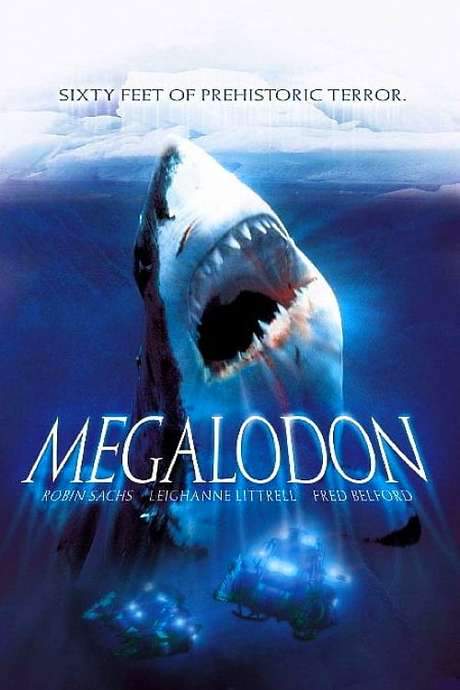
Floods, storms, and chaos collide with sharks, crocs, and monsters in relentless survival horror.If you loved Thrash and want more movies where devastating natural disasters collide with monstrous predators, this thread is for you. These films stack apocalyptic threats like hurricanes and floods against hungry creatures stalking submerged neighborhoods. Movies like Thrash deliver relentless, high-intensity survival horror across multiple storylines with brutal creature attacks and stacked threats throughout.
Films in this thread open with or quickly establish an apocalyptic environmental event that floods or devastates a populated area. As infrastructure collapses and waters rise, predators emerge or are unleashed: sharks swim through submerged neighborhoods, crocodiles lurk in flooded homes, piranhas swarm rising waterways. Survivors must navigate both the natural disaster and the creature threat simultaneously, often across multiple intersecting storylines representing different groups such as families, first responders, loners, pregnant women, and children. The narrative structure is linear survival: escape, regroup, face escalating threats. Pacing never relents because threats are constant and visible. Endings tend to be bittersweet or bleak, with survivors escaping but at great cost, the disaster reshaping the world permanently, or another looming catastrophe undercutting any real victory. Romance is essentially absent and humor is negligible throughout.
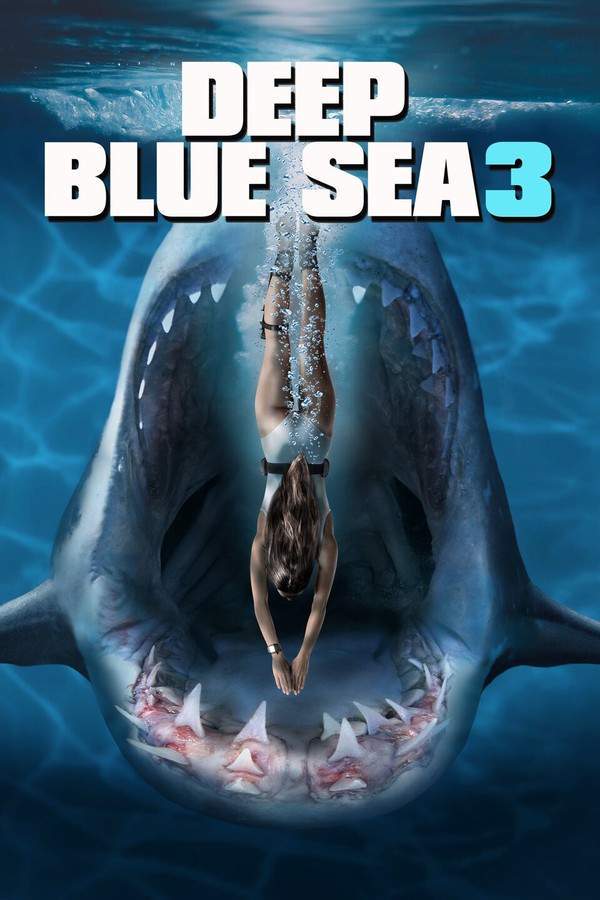
These films share a specific cocktail of tone, pacing, and imagery. They blend disaster movie spectacle with creature feature brutality, delivering constant visible peril rather than suggestion-based horror. The mood is waterlogged, oppressive, and chaotic. Multiple storylines intersect to raise stakes and distribute deaths. Violence is graphic and frequent. The visual language is soaked, dark, and relentless. Films like Crawl, Sharknado, Deep Blue Sea, Piranha, Blood Beach, and Alligator fit this thread because they all combine natural disaster or environmental chaos with predatory creatures hunting humans in confined, flooded, or collapsing spaces.
When survivors escape catastrophe, they carry a heavy emotional cost into the ending.If you liked Thrash for its heavy emotional core, this thread collects more movies like Thrash that put survivors through hell and ask them to pay a steep price. These films braid grief, loss, abuse, and trauma into survival horror and apocalyptic thrillers. Endings are bittersweet rather than triumphant, and characters are changed forever by what they endure.
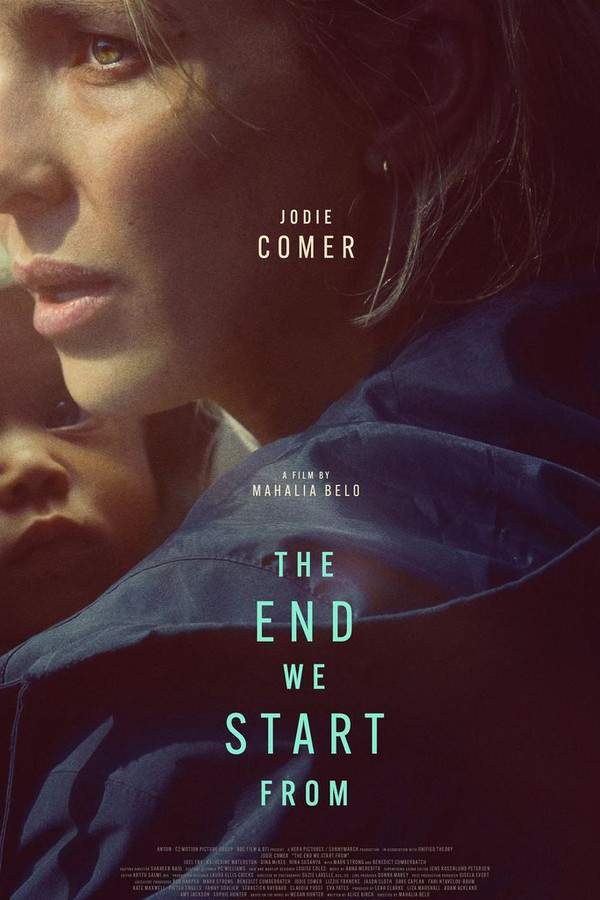
These films follow multiple character groups navigating an overwhelming catastrophe such as natural disaster, creature attack, pandemic, or apocalyptic event. The external threat is relentless and visible, demanding constant survival choices. Woven through the action are personal traumas: characters grieving lost loved ones, escaping abusive family members, enduring difficult pregnancies, or carrying unresolved wounds into the crisis. The crisis forces confrontation with both the external threat and internal pain. Some characters die, others are transformed, and at least one finds a kind of redemption or rescue. Endings are bittersweet rather than triumphant: survivors escape, but the town is destroyed, friends have died, or another looming catastrophe undercuts any real hope. The emotional weight is heavy throughout, anchored by grief, loss, and trauma that persist beyond the final scene.
These films share an emotional architecture rather than a specific genre. They combine high-intensity survival scenarios with heavy emotional stakes, refusing to let the audience off easy with pure adrenaline. The pacing is fast and relentless, the intensity is high, but the heart of the story lies in the human cost. Multiple storylines intersect to distribute grief and resilience across different characters. Themes of family, including biological, foster, and found, run through them, often tested and sometimes broken by the crisis. Films like Crawl, The Impossible, Alive, 127 Hours, The Road, and Deepwater Horizon all share this emotional blueprint: survive the ordeal, but pay a price that lingers.
Don't stop at just watching - explore Thrash in full detail. From the complete plot summary and scene-by-scene timeline to character breakdowns, thematic analysis, and a deep dive into the ending - every page helps you truly understand what Thrash is all about. Plus, discover what's next after the movie.
Read a complete plot summary of Thrash, including all key story points, character arcs, and turning points. This in-depth recap is ideal for understanding the narrative structure or reviewing what happened in the movie.
Discover the characters, locations, and core themes that shape Thrash. Get insights into symbolic elements, setting significance, and deeper narrative meaning - ideal for thematic analysis and movie breakdowns.
What really happened at the end of Thrash? This detailed ending explained page breaks down final scenes, hidden clues, and alternate interpretations with expert analysis and viewer theories.